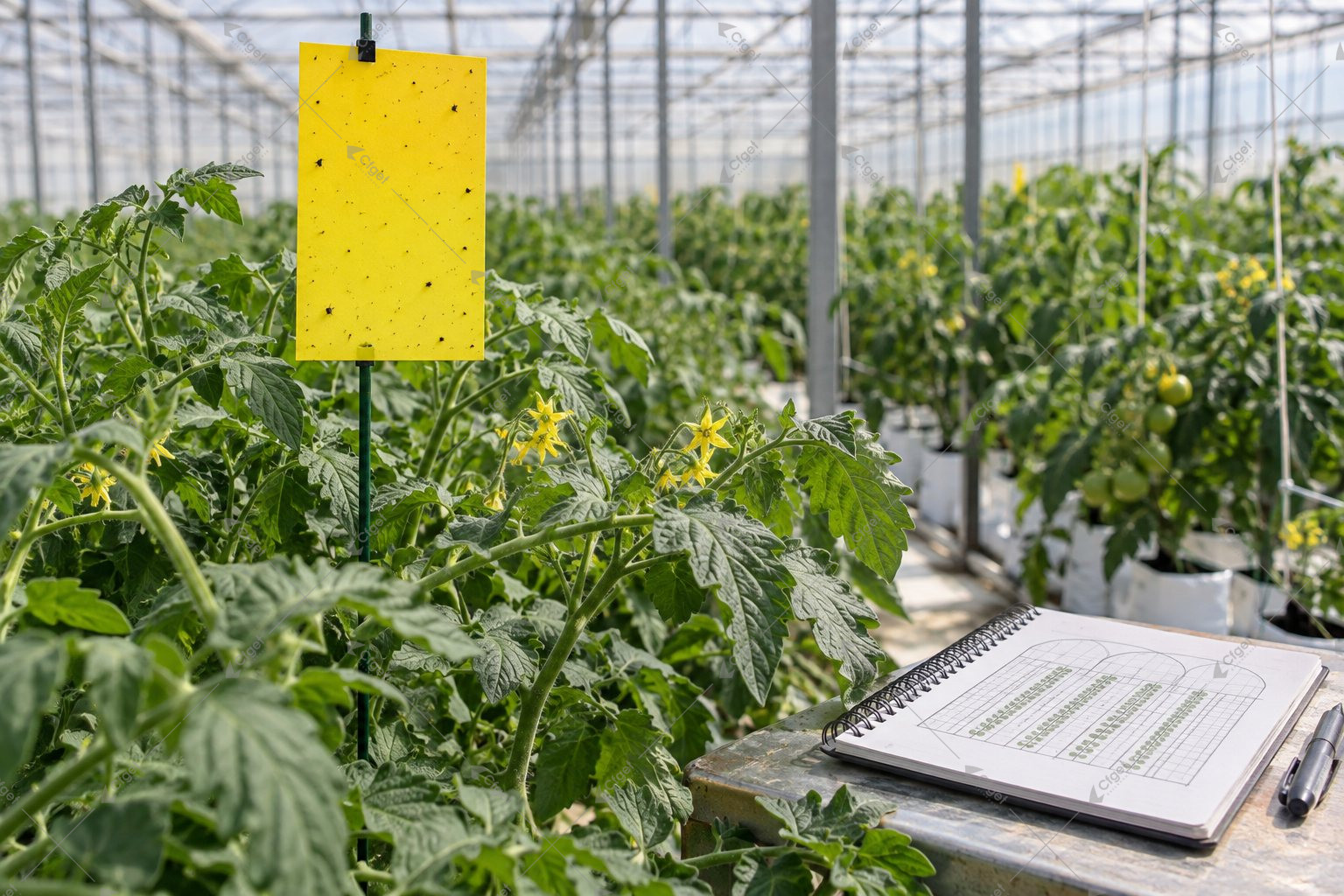
The new tomato variety outperforms the old one beside the sunny wall. It also has a different planting date and its own irrigation valve. That result may justify curiosity, but it cannot tell you whether the variety or its location produced the advantage.
A useful greenhouse trial starts with one decision: should this candidate replace some of the current commercial crop under your operating conditions? Keep a familiar variety as the control, distribute comparable trial units across representative positions and decide how success will be measured before harvest.
Choose the decision, then the measurements
Yield alone may miss the buyer’s actual requirement. A candidate with more total fruit can deliver less saleable product, require more grading or miss the desired harvest window. Select a primary commercial outcome, then a small number of supporting measurements you can collect reliably.
| Decision | Primary record | Useful companion record |
|---|---|---|
| Improve saleable output | Marketable kilograms per defined growing area and period | Reject weight and reason |
| Meet a size specification | Weight or count in the agreed grades | Harvest maturity and sampling method |
| Reduce harvest effort | Labor time per marketable unit | Crew, route and crop access |
| Improve early supply | Marketable harvest by date | Total crop duration and later performance |
Document the grading rule with the customer or packhouse. Do not change it after seeing which variety wins.
Repeat plots, not just measurements within one plot
University of Minnesota’s on-farm research guide explains the roles of a control, randomization and replication. Several plants measured within one treatment plot are subsamples, not independent replications of that treatment. Applying that principle to a greenhouse prevents a long row of plants from being misrepresented as many independent trials.
For a simple planning example, divide an area into four blocks representing a known light or distance gradient. Within each block, randomly allocate a plot of the current variety and a plot of the candidate. Each plot contains the same planned number of plants. Four is an illustrative layout, not a guarantee of statistical power; an adviser should size a trial to the expected variability and the difference worth detecting.
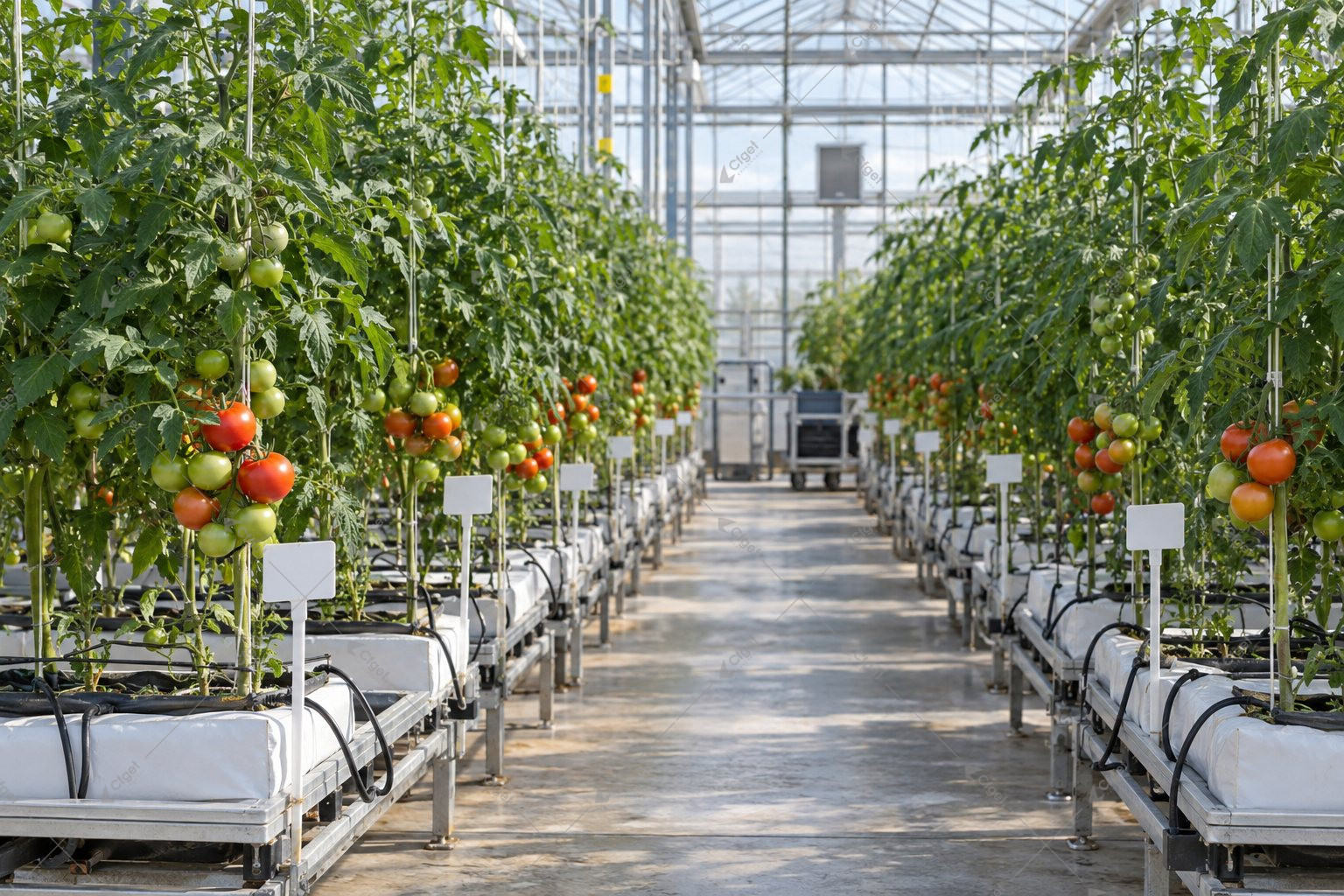
Keep plot labels linked to a map. Include appropriate buffer plants or borders where competition and edge effects matter. If treatments share a nutrient circuit, acknowledge that dependence. A variety comparison under one common feed recipe answers a different question from a comparison in which each variety receives its own optimized recipe.
Make harvest records survive a busy day
Use separate, labeled harvest containers and weigh each plot before produce is mixed. Record missing plants, replacements and unusual interventions. Choose the denominator in advance: planted area, surviving plant count and original plant count can tell different stories. Keep enough information to report establishment losses rather than quietly excluding them.
Hypothetical example: a plot produces 120 kg total and 96 kg meeting the grade, so its marketable fraction is 80%. A second produces 115 kg total and 103.5 kg marketable, or 90%. The first wins on total weight; the second wins on marketable weight. These arithmetic examples are not variety-performance claims.
Know what one season can support
Compare the pattern across blocks, not only the overall mean. A result that reverses between positions deserves investigation. Have a qualified adviser analyze the plot-level data when the investment depends on whether a difference is repeatable; do not declare statistical significance from a visual bar chart.
One crop cycle does not establish performance in every season, climate, market or disease situation. A promising result can support a larger second trial or a limited commercial allocation. It does not justify advertising a global yield advantage.
Prepare a one-page trial brief
- State the replacement decision and minimum commercially meaningful improvement.
- Map plots, controls, allocation and known environmental gradients.
- Specify grading, harvest intervals, denominators and loss records.
- Identify which findings would require another season before expansion.
Use the tomato greenhouse planning guide for the broader production context. If a CFGET layout is being developed, share the trial brief early so that plot access, irrigation isolation and measurement points can be considered. Designing space to learn is more defensible than promising a yield before the crop has been tested.