
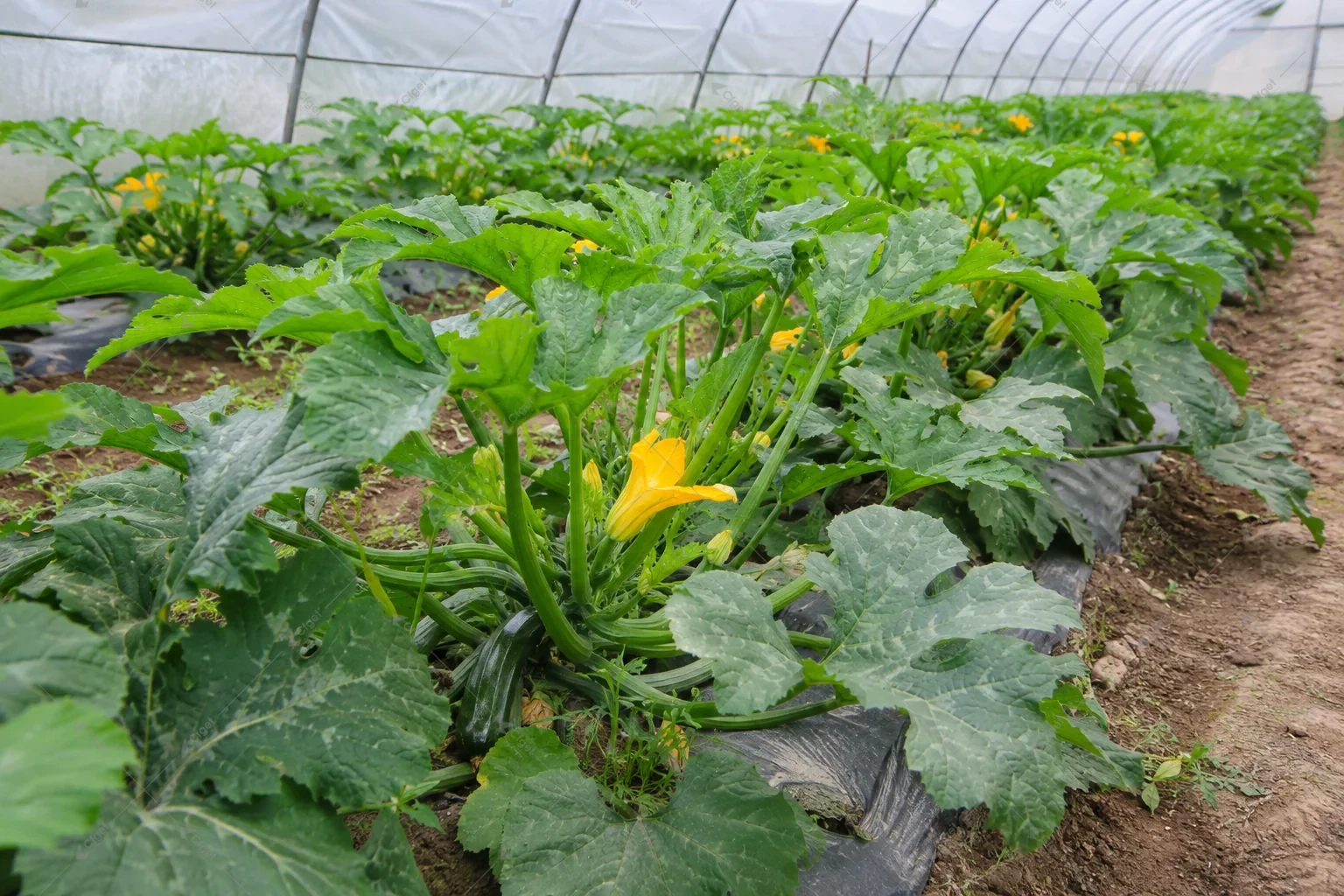
Before treating a row of silvery zucchini leaves, check whether the silver is new. Some zucchini plants naturally develop pale markings as part of their leaf colour. There is also a whitefly-associated disorder that can turn squash foliage whitish or silver. Those two explanations call for different responses, and the colour alone does not choose between them.
Start with the cultivar and a comparison leaf, then look for actual pest evidence. Keep any powdery material on the surface in a separate description. A grower who records all three has a better chance of resolving the problem than one who sends a single overhead photograph labelled “whitefly damage.”
Find a fair reference for the named cultivar
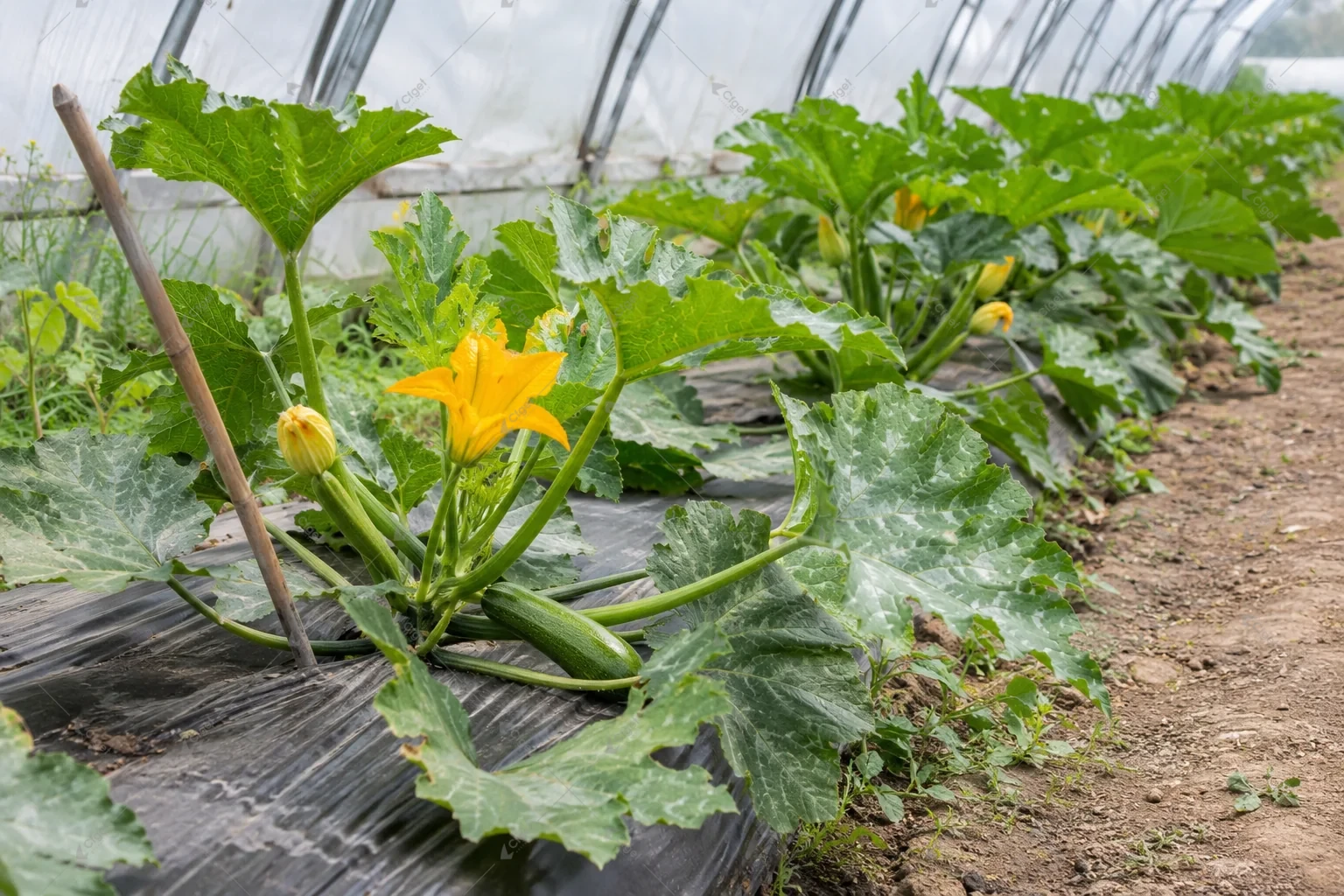
Recover the seed-lot or transplant label before searching for comparison pictures. Zucchini is a crop name, not a description of one leaf pattern. Ask the supplier whether it has a reference for the actual cultivar and growth stage. A photograph of a different green-fruited variety may show a perfectly normal leaf that is a poor comparison for yours.
A New Mexico State University Extension discussion of white blotches on zucchini describes pale areas that are part of normal leaf colour. It also notes that hairs can reflect light and add to the impression of white material. This explains why the same leaf can look different in a sunlit aisle photograph and under softer light.
Look at leaves of comparable age from more than one plant of the same lot. Does a similar pattern recur? Is the colour visible within the tissue, or does there appear to be material on its surface? Take an overall view and one closer photograph in consistent light. Record the leaf position rather than relying on the photograph to establish its age later.
A repeated pattern makes the cultivar explanation worth checking. It does not certify the crop as pest-free. Normal markings can coexist with insects or an unrelated leaf problem, so preserve the original observation even when the supplier recognizes the cultivar’s usual appearance.
Check leaf undersides for insects, not just silver
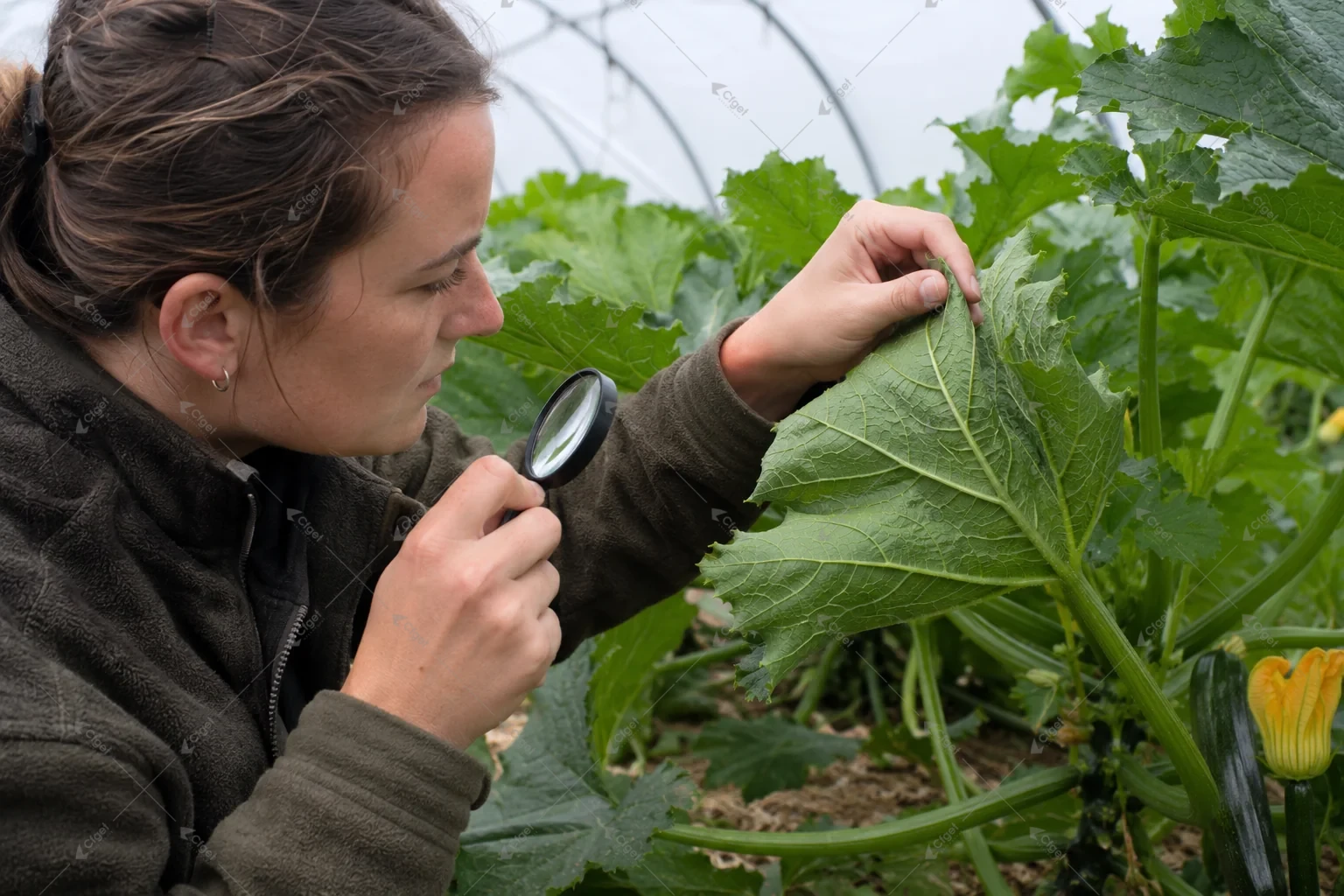
Turn a leaf carefully and look at the underside. Record which plants and leaf ages were examined. Tell the crop adviser what was actually seen: adults, immature stages, a trap catch elsewhere in the house, or no insects during this particular check. These observations do not carry the same weight.
University of California IPM’s cucurbit whitefly guide distinguishes several species and cautions that separating them can be difficult. It associates silverleaf whitefly feeding with whitish or silvery squash foliage. Adults and eggs tend to be found on younger leaf undersides, while older leaves can carry immature stages. A brief glance at one leaf is therefore a limited inspection.
An adult whitefly flying up from a nearby plant is evidence that a whitefly is present nearby. It is not yet a species identification or proof that its feeding produced the colour in the photograph. If identification will change a treatment or lot decision, ask the adviser how to document the actual insect and which plant material is useful for confirmation.
Equally, a quiet canopy does not establish absence. UC notes that relatively light populations may lack a distinctive plant symptom. Record the extent of the check honestly and follow the facility’s existing scouting routine. There is no basis here for importing a California treatment threshold or release programme into a different protected crop.
Describe the surface change separately
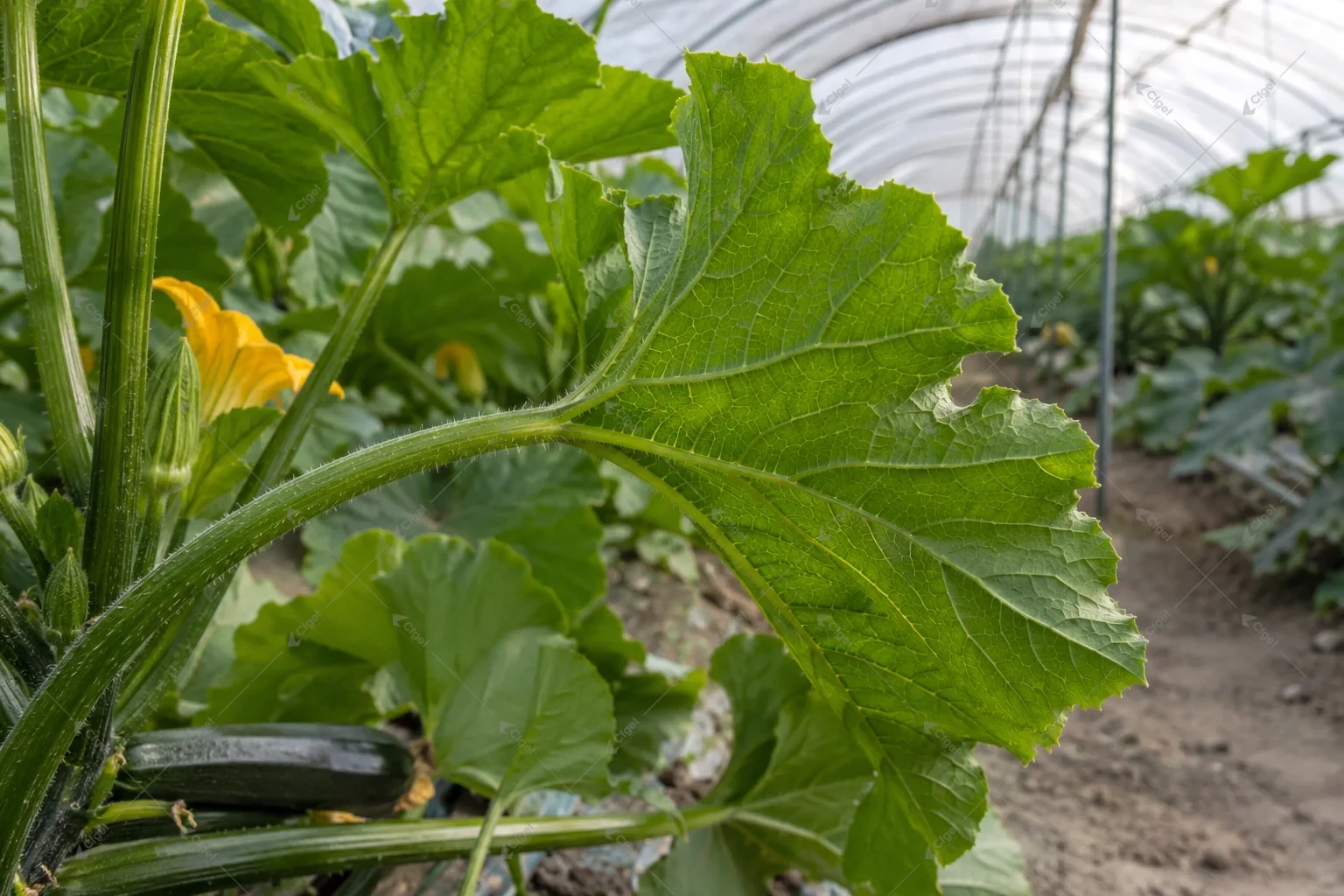
A leaf can have naturally pale tissue, a patch of material on the surface, or both. Write down which is visible before grouping all pale areas under one name. Look at both sides while the leaf is still attached, and preserve an undisturbed view for the adviser if the appearance is unclear.
The NMSU discussion contrasts normal colour with powdery mildew that can resemble a dusting on the surface. This is a useful distinction to describe, not a complete field diagnosis. Whether something appears to rub off can be affected by what the observer touched and what else was present. A rubbing test does not settle either the identity of a fungus or the presence of whiteflies.
Add observations that a colour photograph cannot supply. Are newly unfolded leaves developing differently from older ones? Is the plant still growing and flowering as expected for that lot? Is the change confined to one section or appearing on plants from several deliveries? Keep vigour, distortion, discolouration and visible insects as separate entries. One entry should not automatically explain the others.
If a crop adviser considers disease or another disorder plausible, ask what evidence the diagnostic service requires. A sample selected only because it is the whitest leaf in the house may not represent the change the grower needs explained. Provide the cultivar, stage and location along with the material requested.
Make the decision from the batch record

Compare the first photographs with the same identified plants at a later normal scouting visit. Keep any intervening action in the record. If a leaf was removed, a plant moved or a treatment already applied under the crop programme, a changed appearance cannot be interpreted as though the plants were untouched.
For a useful handoff, send the grower or adviser three separate statements: what the supplier says is normal for the cultivar; what the crew saw on the leaf surface and underside; and what changed on subsequent growth. Missing evidence belongs in the account as well. “Species not identified” is more informative than a confident species name attached to the wrong insect.
Choose the next task from those findings. A consistent, supplier-recognized pattern with no new crop change may call for continued routine observation. Documented insects or an evolving surface problem may warrant closer assessment under the operation’s IPM programme. Neither route is a treatment instruction or a declaration about the condition of every plant in the greenhouse.
Keep the useful reference photographs for the next delivery of the same cultivar. They will help a new scout distinguish a familiar feature from a change worth reporting, while leaving room to investigate real pest evidence when it appears. The existing greenhouse pest-management overview covers the broader programme; this leaf comparison is the step before choosing an intervention.