Short answer: neither system is better for every greenhouse. Hydroponics can fit crops and markets that reward production density, uniform root-zone control and repeatable scheduling. Soil can fit projects that need a lower equipment burden, have suitable soil or media management, and can tolerate more variation. The decision should follow the crop, sales plan, water, utilities and operator capability.
First separate the greenhouse from the growing system
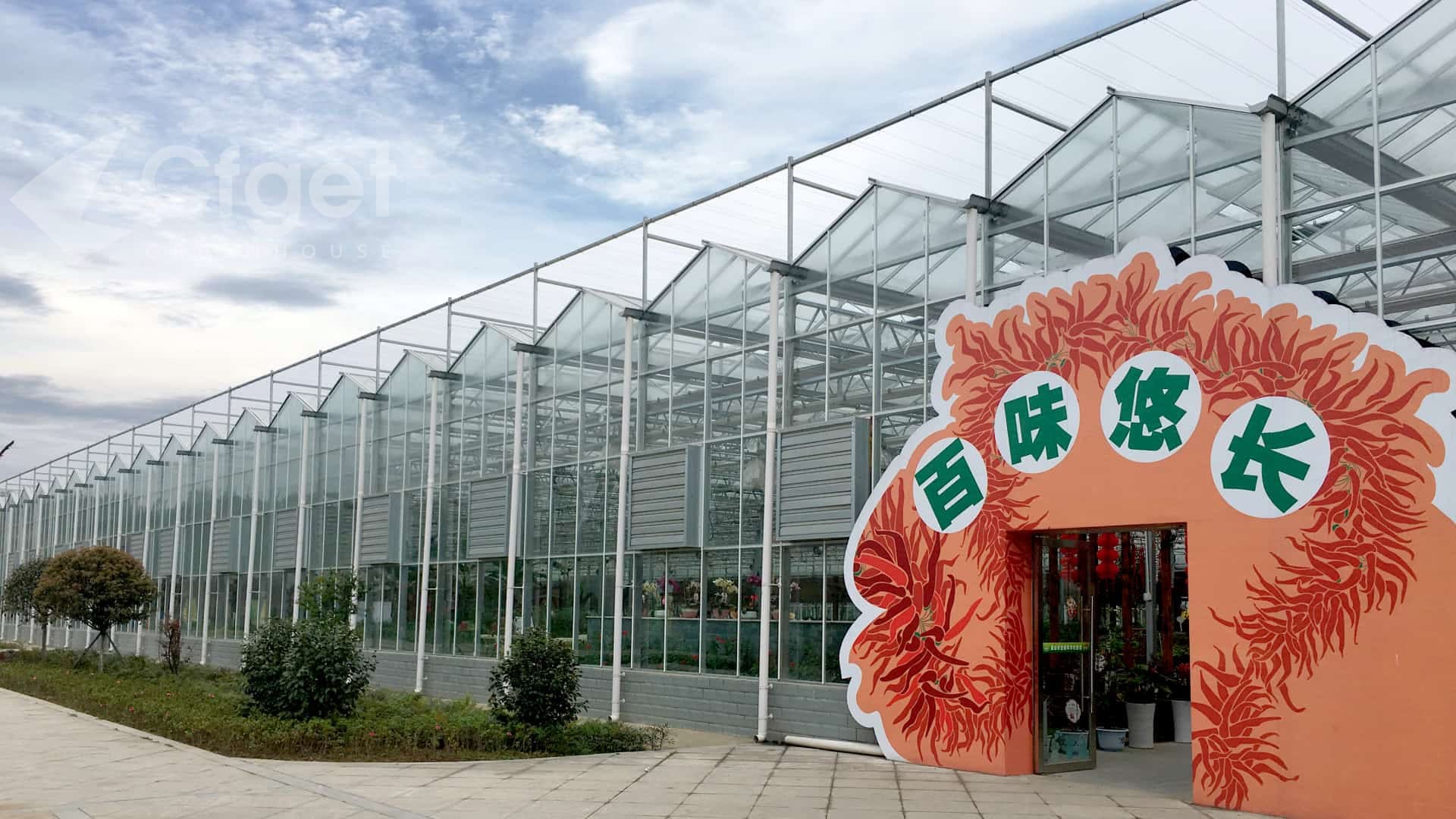
A greenhouse is the weather enclosure. Hydroponics, substrate culture and soil beds describe the root zone and the way water and nutrients reach the crop. A glass, film or polycarbonate greenhouse can use any of those growing methods if the floor, drainage, utilities and climate systems are designed for it.
This distinction matters in quotations. A supplier may price the structure while excluding tanks, filtration, dosing, channels, benches, drainage collection, disinfection, controls and startup consumables. Put the growing system on its own scope sheet so the buyer can see every interface.
Use crop and market requirements to narrow the choice
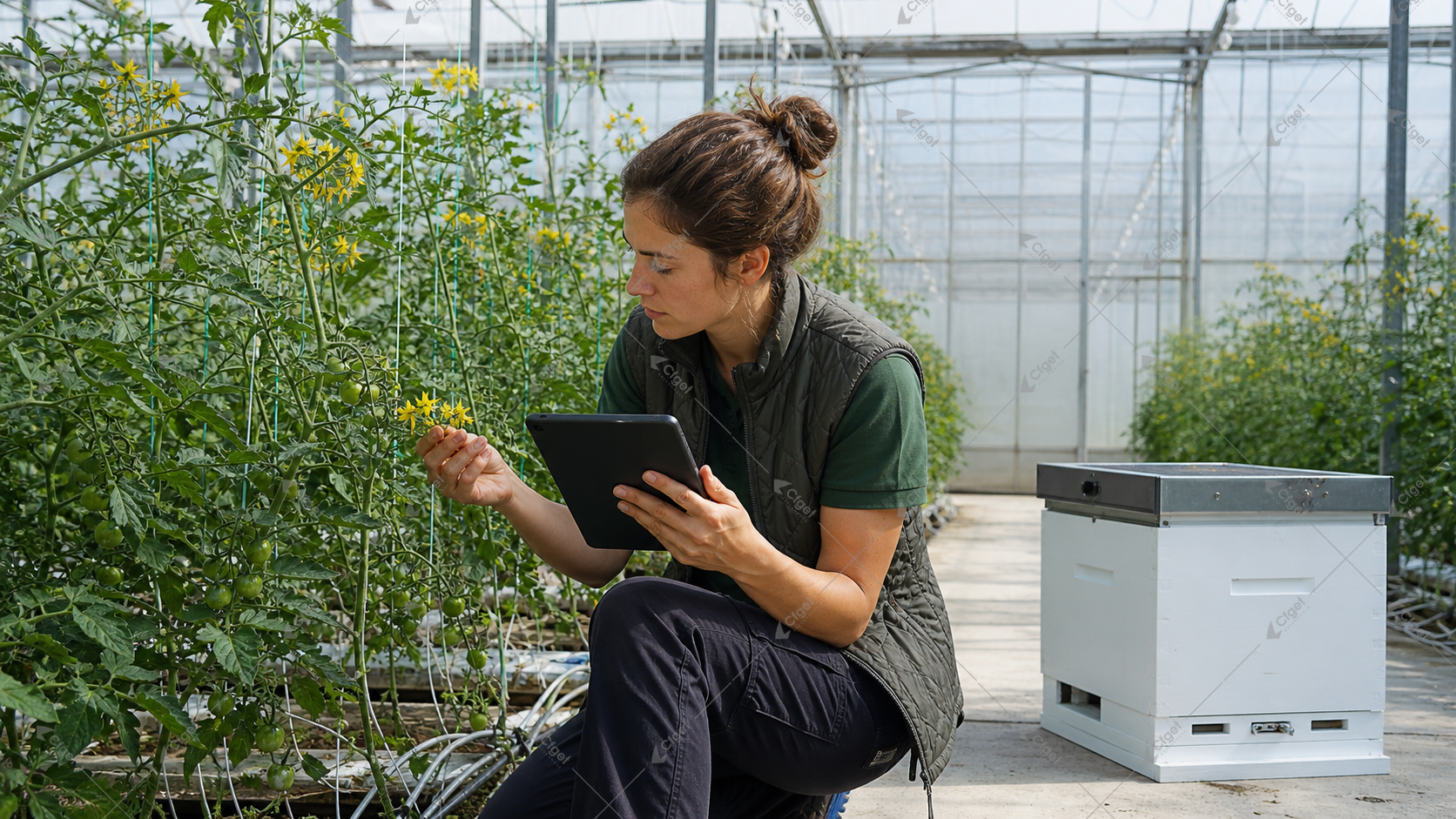
Start with the crop, cultivar, plant density, production calendar, product specification and sales window. Leafy greens and herbs can suit recirculating systems when the market values frequent, uniform harvests. Vine crops can use substrate bags with drip fertigation. In-ground soil may suit a project with appropriate soil, established crop practice and a market that does not pay for the extra control or density of a more mechanized system.
Do not assume that a method creates demand. The sales plan needs expected grade, pack size, rejected product allowance, weekly volume and buyer commitments. A technically productive system can still fail financially if harvest timing or product specification misses the market.
Commercial comparison table
| Decision area | Hydroponic or substrate system | Soil-based system | Evidence for the RFQ |
|---|---|---|---|
| Root-zone control | Nutrient solution, EC, pH, temperature, oxygen and drainage need active measurement | Soil texture, organic matter, salinity, fertility and water movement need sampling and management | Water and soil tests, crop recipe boundary, sampling points and operating records |
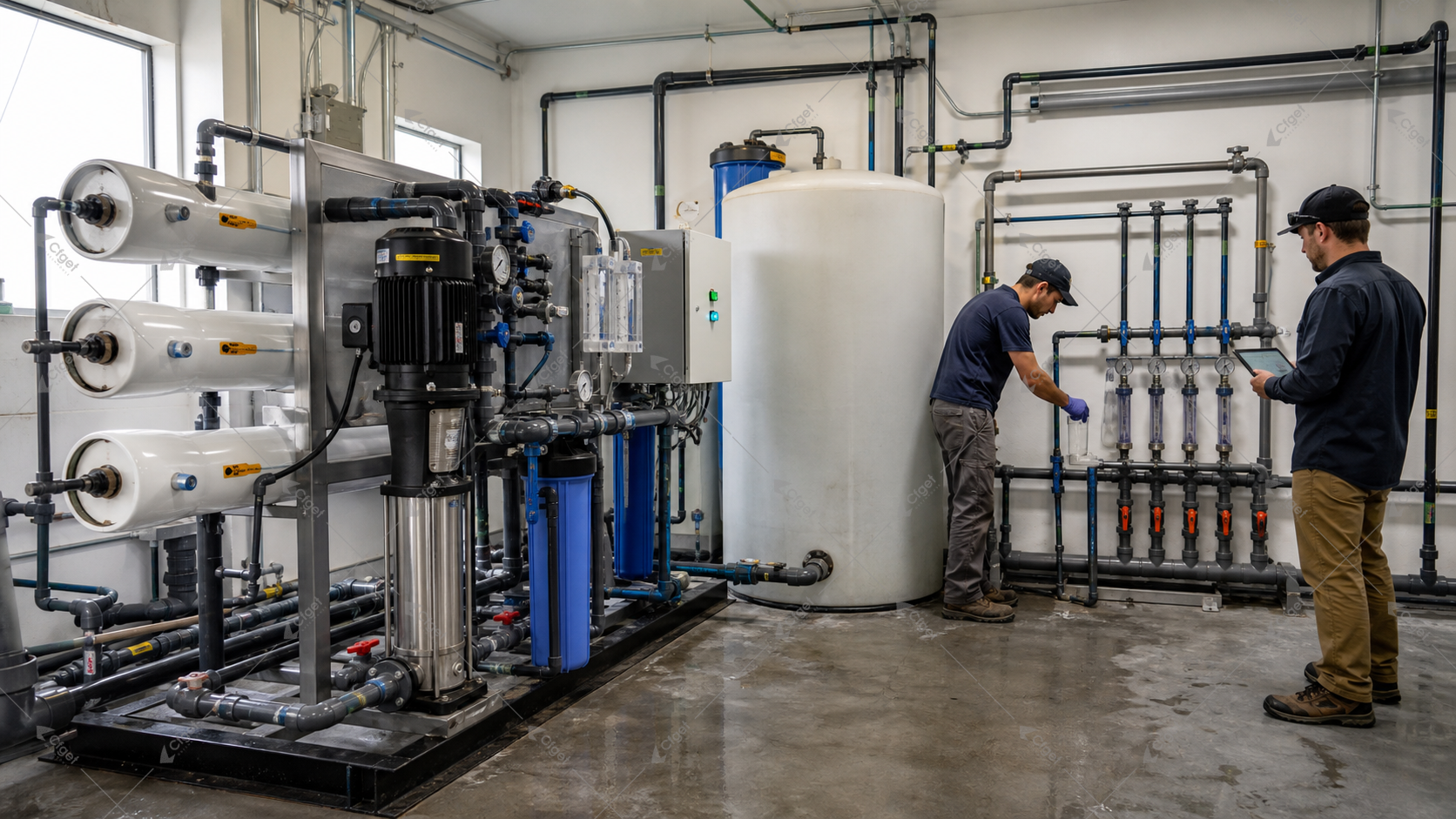
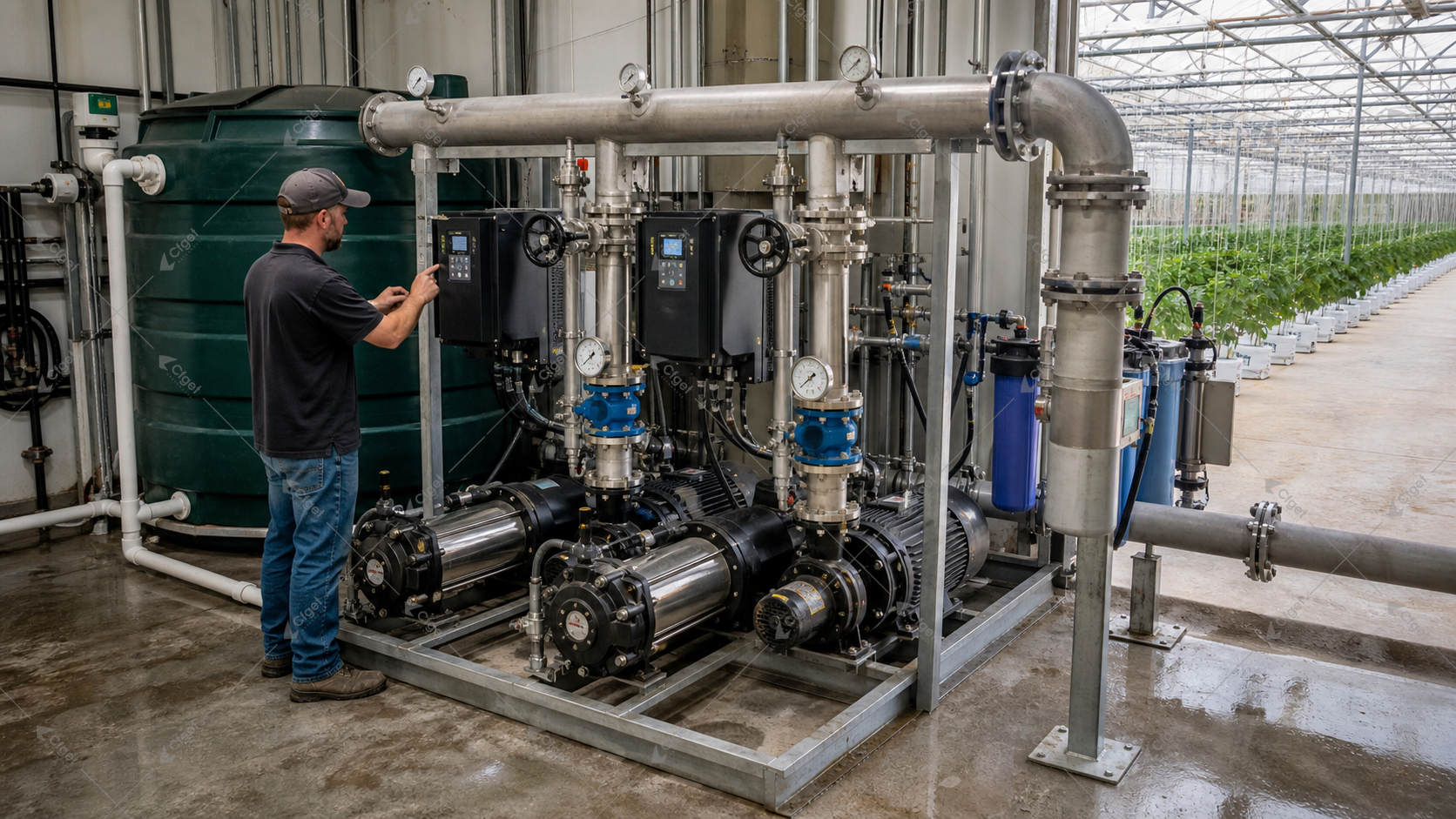
| Equipment | Tanks, pumps, filtration, dosing, distribution, return or drain handling and alarms | Bed preparation, irrigation, drainage, amendment handling and soil-working access | Process diagram, equipment schedule, included controls and civil interfaces |
| Failure mode | Pump, dosing, power or water-quality faults can affect the crop quickly | Soil can buffer some short events, while salinity, compaction or soilborne disease may persist | Alarm limits, manual fallback, backup power, isolation zones and response procedure |
| Water and discharge | Recirculation can reduce discharge, but treatment and pathogen control become part of the process | Leaching and drainage depend on soil, irrigation uniformity and salt balance | Source-water analysis, water balance, treatment basis and discharge route |
| Labor and skill | Less soil handling can be offset by monitoring, sanitation and equipment maintenance | More bed and soil work may be needed, with fewer process components to service | Task schedule, staffing plan, training, spare parts and local service response |
| Crop fit | Often selected for leafy greens, herbs and substrate-grown vine crops | Can fit crops that benefit from a larger buffered root zone or established soil practice | Cultivar, root volume, cycle plan, plant density and trial results |
Water quality can decide the project before the structure does
Test the source water before selecting a dosing or recirculation concept. The analysis should cover the parameters needed by the crop consultant and equipment designer, including alkalinity, electrical conductivity, major ions, suspended solids and biological risk where relevant. A laboratory report is more useful than a general statement that the water is clean.
Hydroponic systems need a defined response to nutrient imbalance, high solution temperature and a suspected root pathogen. Soil systems need a plan for salinity, drainage, compaction, nutrient distribution and soilborne disease. Both need sampling locations and a record that connects water, nutrient and crop observations.
Compare failure tolerance, not only average performance
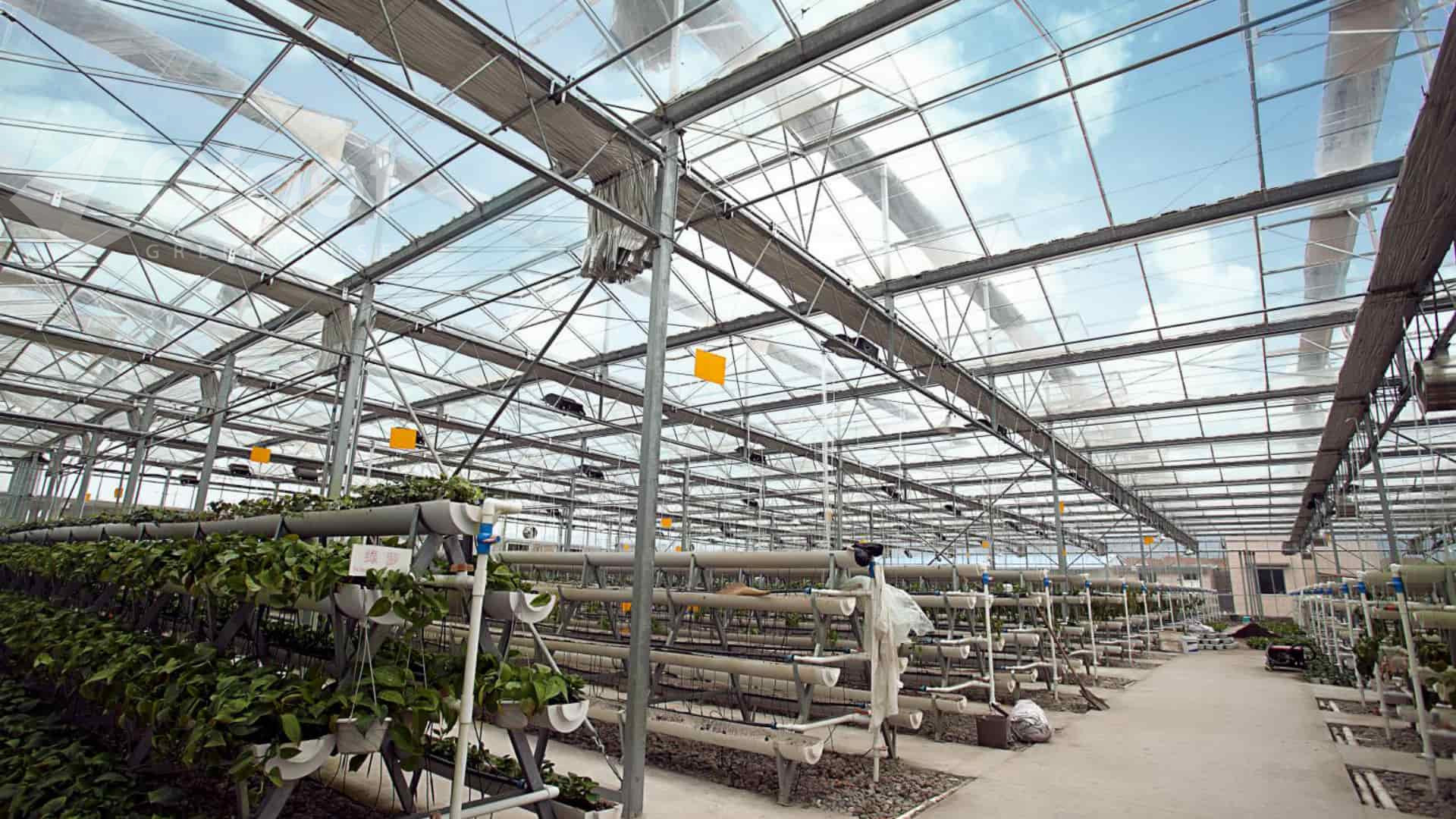
A recirculating hydroponic system depends on pumps, controls and stable water management. The root zone can change quickly after a power, dosing or cooling failure. Divide large systems into practical isolation zones, define alarms and provide a manual operating method for the time needed to protect the crop.
Soil has different failure paths. Drainage defects, salinity, compaction and soilborne pathogens can remain after one crop cycle. Soil testing, bed design, irrigation uniformity and rotation or sanitation plans still belong in the operating model.
Use research within its actual boundary
A 2023 controlled study compared hydroponic and soil-based lettuce production in two identical greenhouses over two crop cycles. The hydroponic treatments produced higher yield and water productivity in that experiment, but they also required higher initial and operating cost and were more sensitive to air temperature. Those results are useful evidence for lettuce under the study conditions. They are not a universal percentage for every crop, climate, system or market.
Ask suppliers and crop advisers to identify the crop, location, management level and cost boundary behind any performance figure. If those details are missing, keep the figure out of the business case.
Build a project-specific financial model
Compare both options with the same greenhouse area, production calendar, market assumptions and local prices. Separate structure, growing system, water treatment, climate equipment, civil work, freight, installation, startup and working capital. Then model labor, electricity, water, nutrients, replacement parts, sanitation, packaging and rejected product.
Test a base case and at least one downside case for selling price, usable yield, crop loss, energy price and productive utilization. Do not use a fixed payback period or a generic cost per square metre as the decision.
Hydroponics vs soil RFQ inputs
- Project location, greenhouse area, crop, cultivar, plant density and production calendar.
- Product grade, pack format, weekly sales target and market window.
- Source-water laboratory report, available flow, drainage and discharge limits.
- Required root-zone volume, irrigation zones, recirculation or drain concept and sanitation method.
- Electricity, backup power, cooling water, fuel and communications availability.
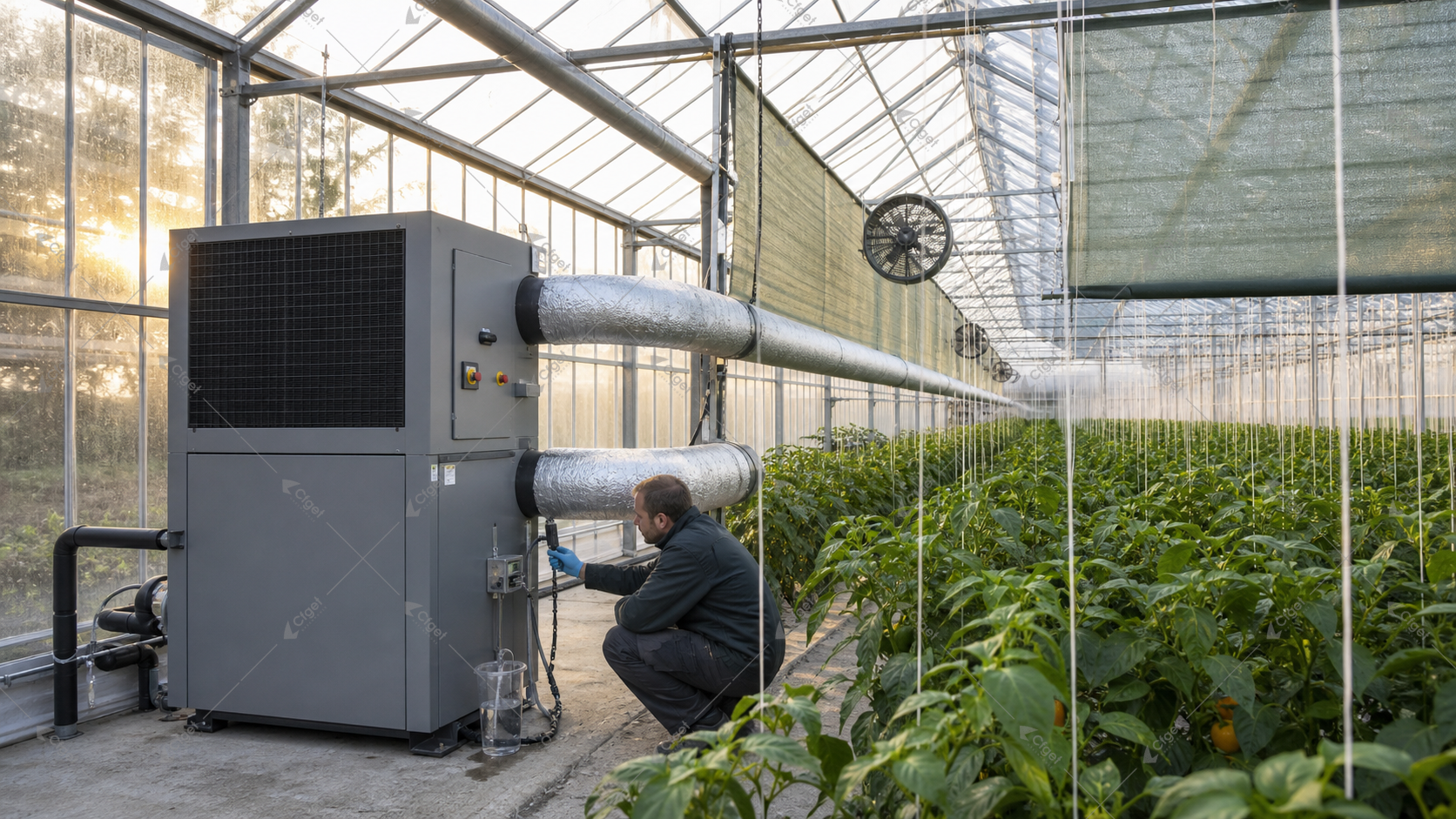
- Climate setpoints, lighting requirement and root-zone temperature limits.
- Operator staffing, training, commissioning, local service and critical spares.
- Included civil work, equipment, controls, consumables, freight, installation and startup support.
Engineering boundary: this guide does not predict yield, water use, crop loss, project cost or return. A project decision needs crop trials or applicable production records, water and site data, an equipment design, local prices and an operator plan.
Related CFGET planning pages
Define the process scope with the commercial hydroponic system overview, substrate growing options and irrigation and fertilization system. Add controls through the smart greenhouse control scope. Use the greenhouse construction cost framework before comparing quotations.
Technical references
- Frontiers in Plant Science: Performance analysis of commercial hydroponic and soil greenhouse lettuce systems
- Oklahoma State University Extension: Hydroponics
- University of Florida IFAS Extension: Water and Nutrient Management Guidelines for Greenhouse Hydroponic Vegetable Production
Comparing root-zone systems for a commercial project? Send the crop, site, water analysis, utilities, production plan and required scope through the CFGET project inquiry form. The quotation can then state which growing-system interfaces are included.