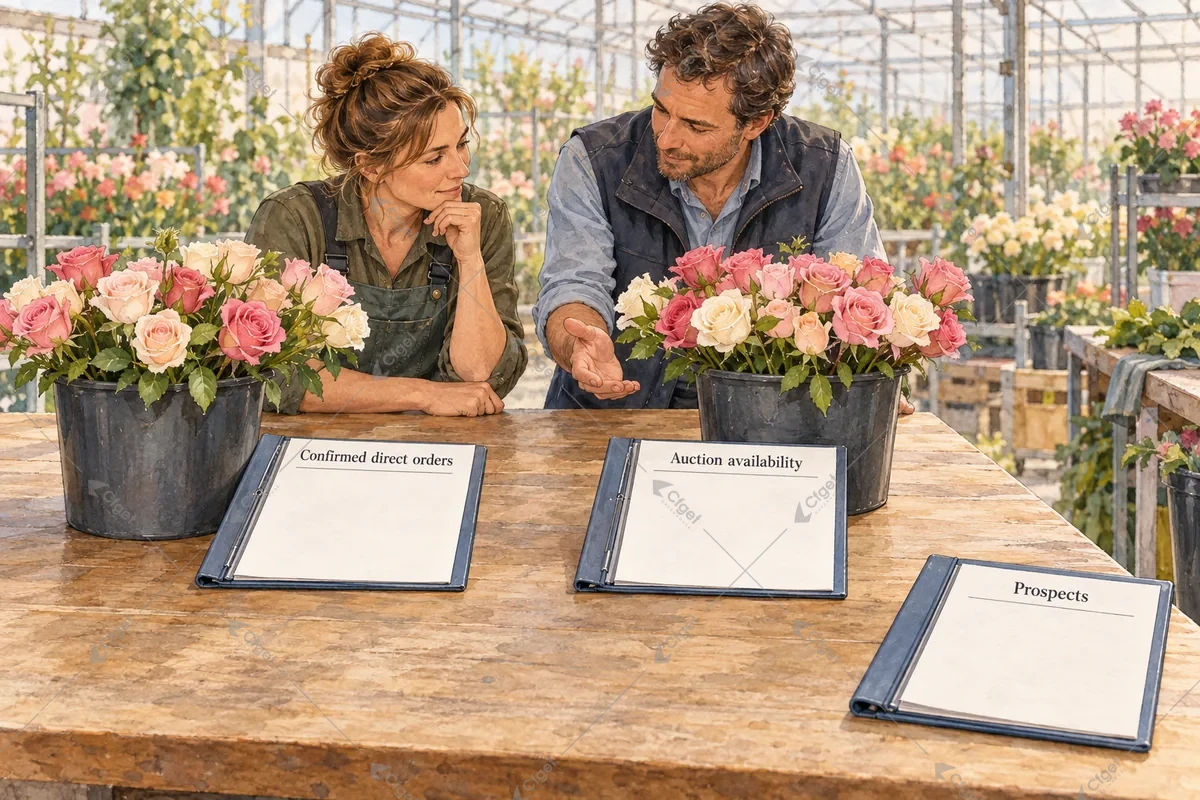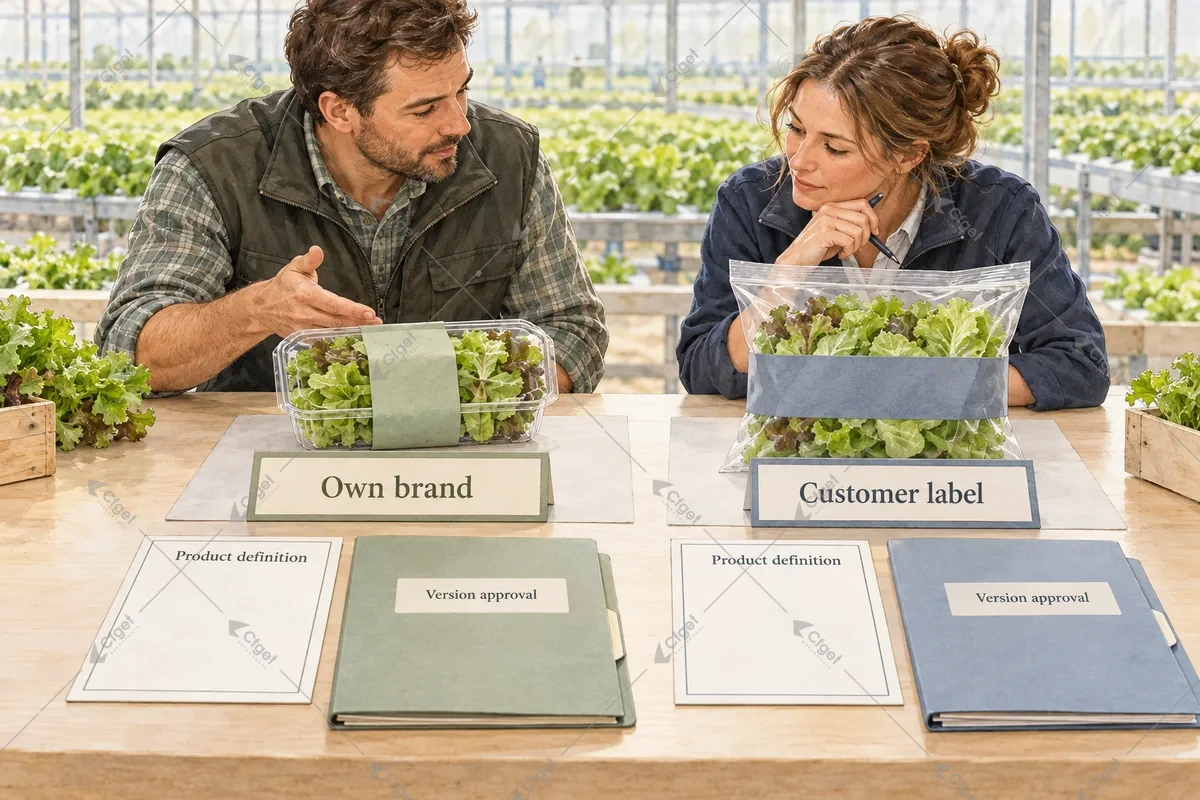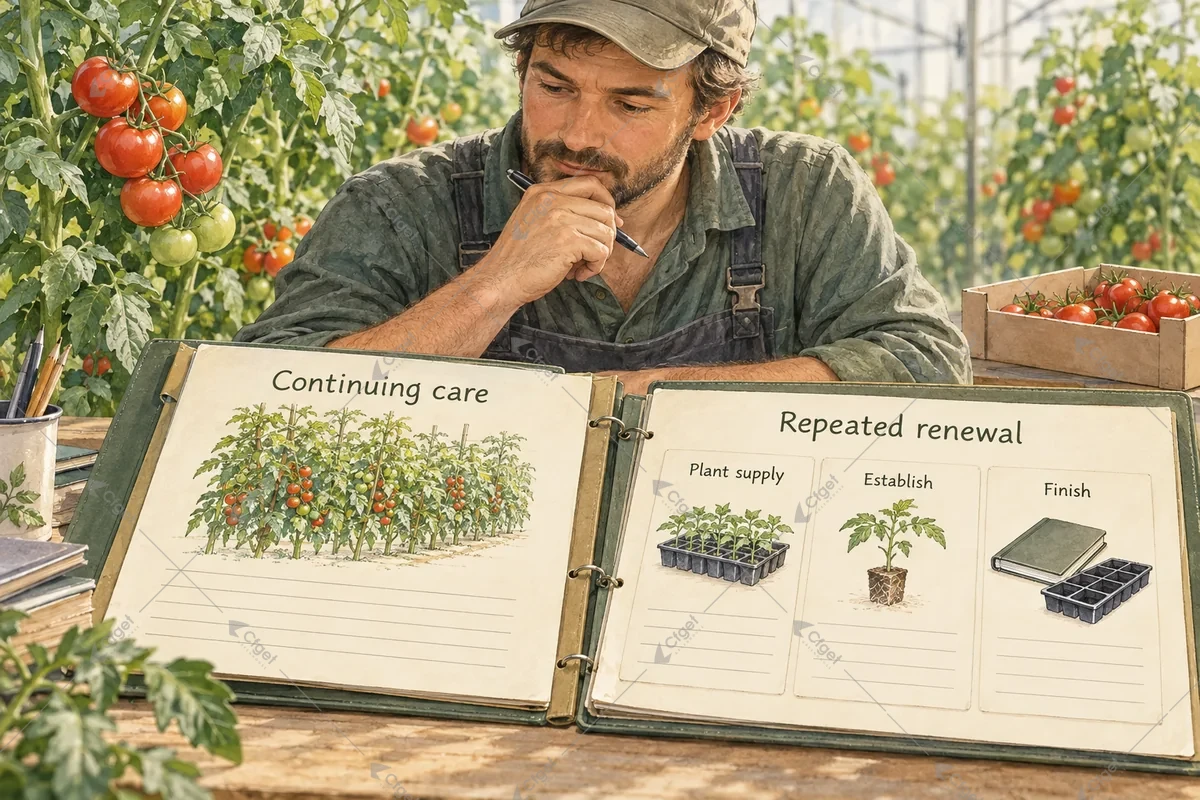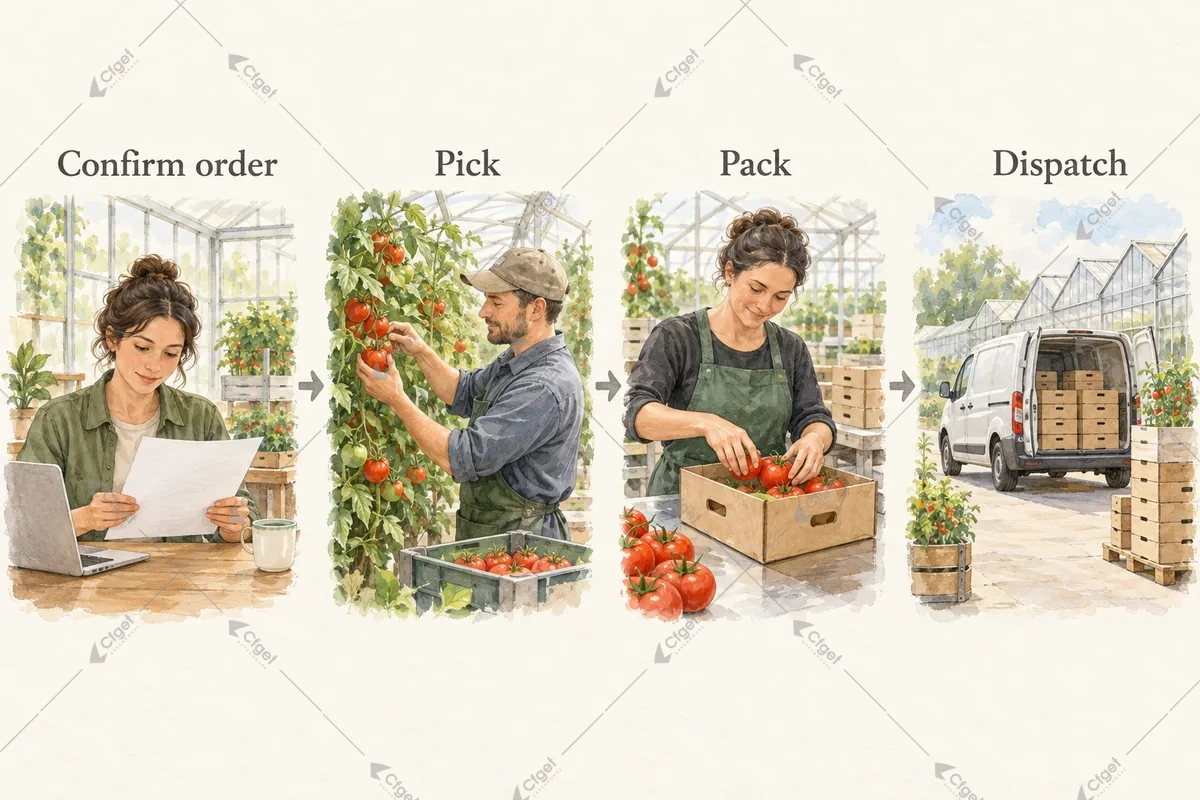
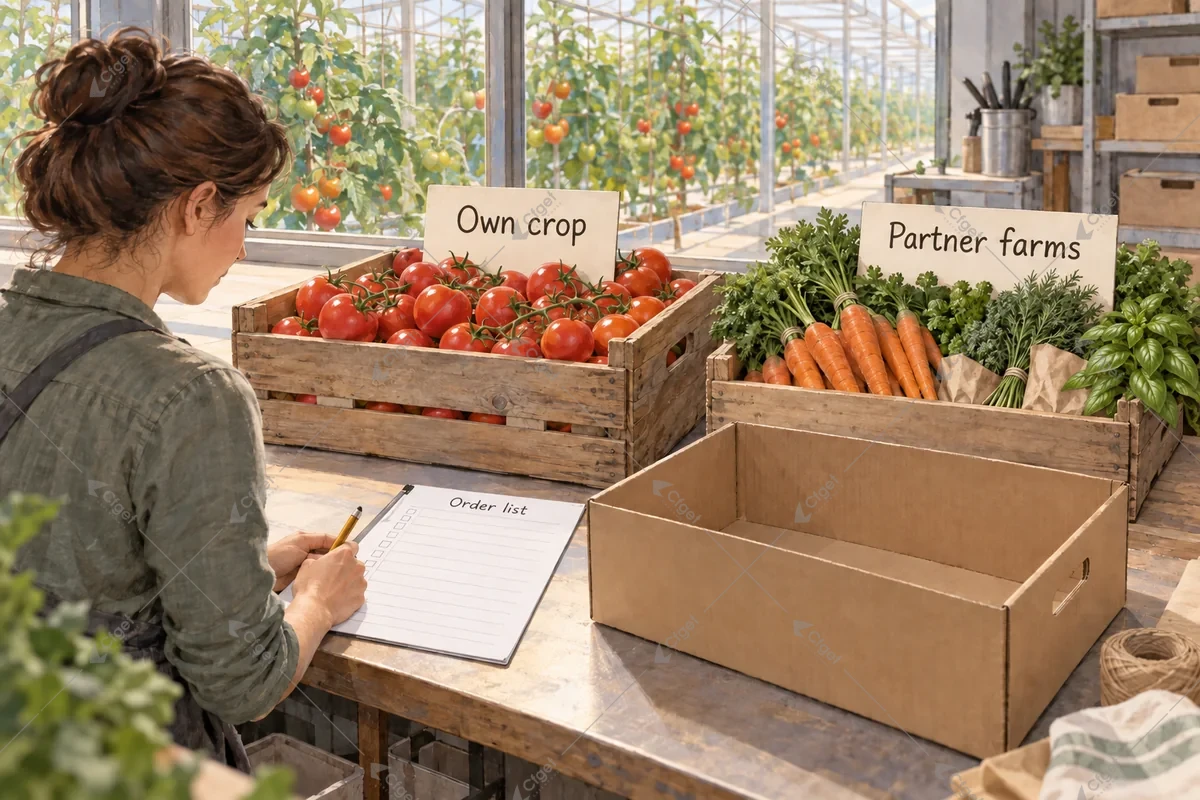
A customer who wants more products does not necessarily need you to grow all of them. An established greenhouse business can widen its offer by adding crops to its own production, buying complementary finished produce from partner farms, or combining both approaches.
Decide which products you need to grow before deciding how much more greenhouse area you need. Otherwise, a sales-range decision can become a construction commitment before the operating alternatives have been considered.
An operator that combined growing and sourcing
According to Lufa Farms’ own operating history, the Montréal business grew 15 vegetable varieties and delivered roughly 200 fixed baskets each week in 2011. In 2013, it launched its Marketplace with hundreds of local producers. Baskets became customizable through its internally developed e-commerce and warehouse-logistics software.
Lufa also opened another greenhouse in 2013. Its account therefore shows partner sourcing alongside growth in its own production, rather than sourcing replacing construction. The page describes a continuing combination of its hydroponic vegetables and products from partner farmers and food makers. This establishes an operating model; it does not show which route was more profitable.
Identify what belongs in your own growing operation
Start with the customer promise attached to each proposed product. If a particular variety, harvest timing or quality characteristic is central to that promise, ask whether your growing team needs direct control to deliver it. Also ask whether a dependable outside producer can supply the same requirement.
Own production may be worth developing when the demand is supported and the team can competently produce the crop. But adding a product to an order list is easier than adding it to the growing operation. Identify the expertise and work the new crop would require, and what that work would displace.
For example, a tomato business might be asked to include herbs in the same customer orders. It could develop its own herb production or source finished herbs from a specialist. The relevant comparison is the actual product and service each route can deliver, including the attention taken away from the core tomato crop. There is no need to decide that every product must follow the same route.
Count the work that comes with purchased produce
A supplier price is only the beginning. Establish how the produce reaches your operation, who receives it, who decides whether it meets the agreed specification, and how it enters customer orders. Keep the source clear to staff and customers; partner-grown produce should not be presented as your own greenhouse harvest.
Before adding a line, resolve a few ordinary but consequential questions:
- Who pays for incoming transport and any extra packing or handling?
- What happens if a delivery arrives late, short or outside the agreed quality?
- Who carries the cost of a lot that is accepted but does not sell?
- When must the supplier be paid compared with when customer money arrives?
Those answers can change the appeal of an apparently attractive purchase price. A product with good customer interest may still tie up cash or require more receiving and order work than the current team can provide.
Discuss these arrangements with the proposed partner before offering dependable availability to customers. Do not leave the sales team to discover a supply gap after orders have been taken.
Start with a range you can actually manage
If the partner route looks promising, begin with a clearly defined range and customer offer. Identify the supplying farms, expected product, delivery arrangement and person responsible for the added work. Choose a scope that the existing operation can handle without weakening its core crop service.
Review what was received and accepted, what sold, what remained or was wasted, the extra work and the cash required. Decide in advance what would justify continuing, changing the offer or stopping it. Early experience with one product and supplier should inform the next decision without being treated as proof for every season or category.
Expand own growing where demand and production capability support it. Add partners where purchasing and order coordination can support the wider offer. Keep a narrower range when neither route is ready.
Then take only the selected own-grown crop programme into the greenhouse size and layout planning process. Products sold through the business and crops produced inside the greenhouse are different quantities, even when they leave in the same customer order.