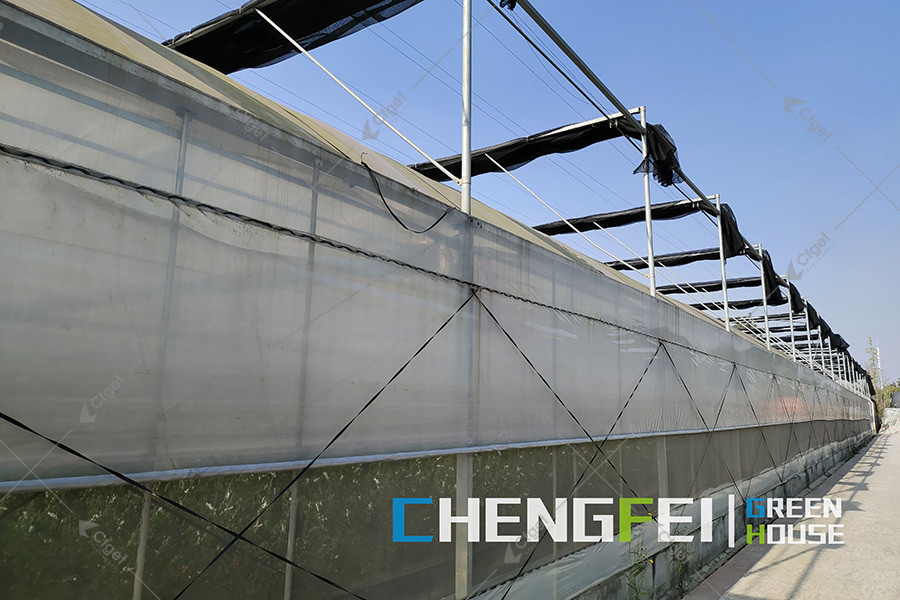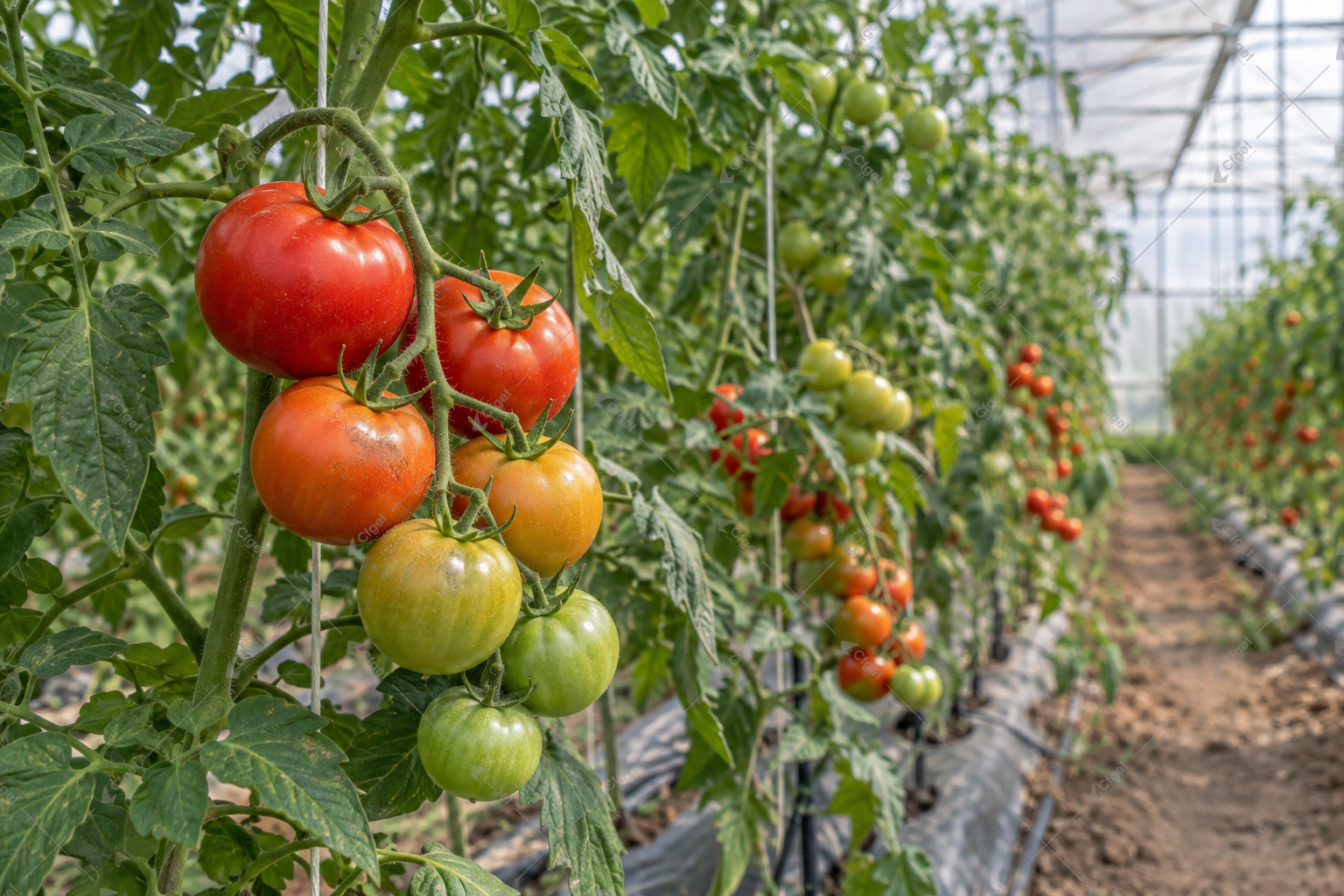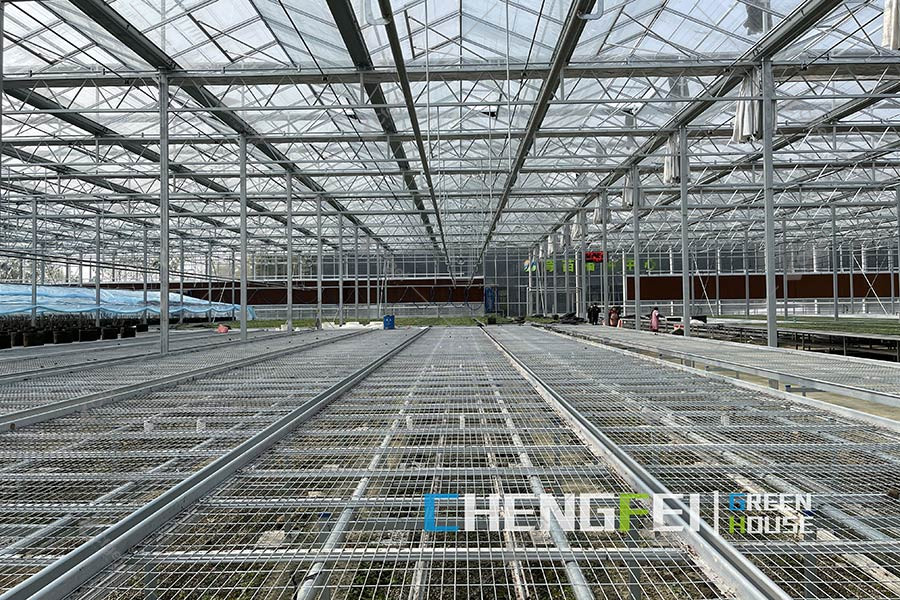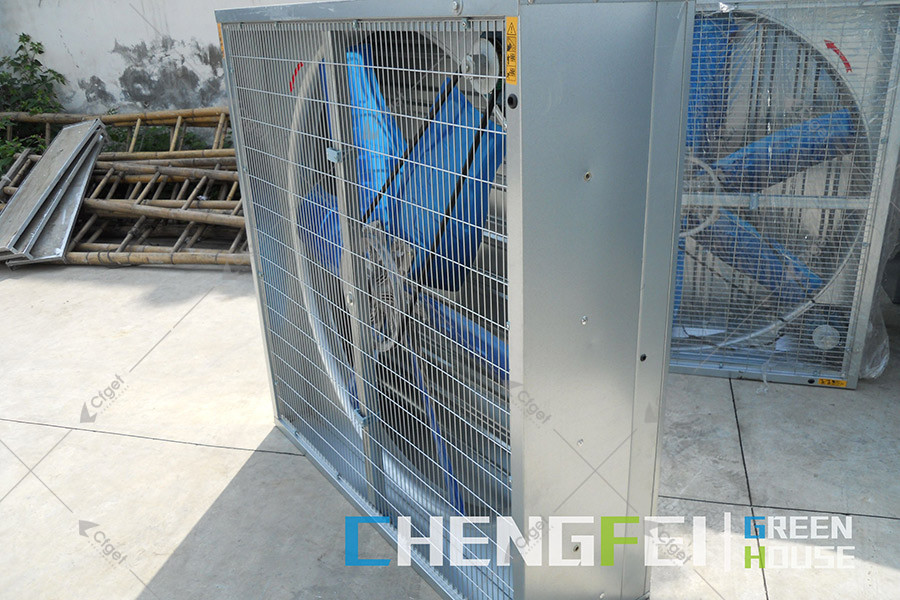
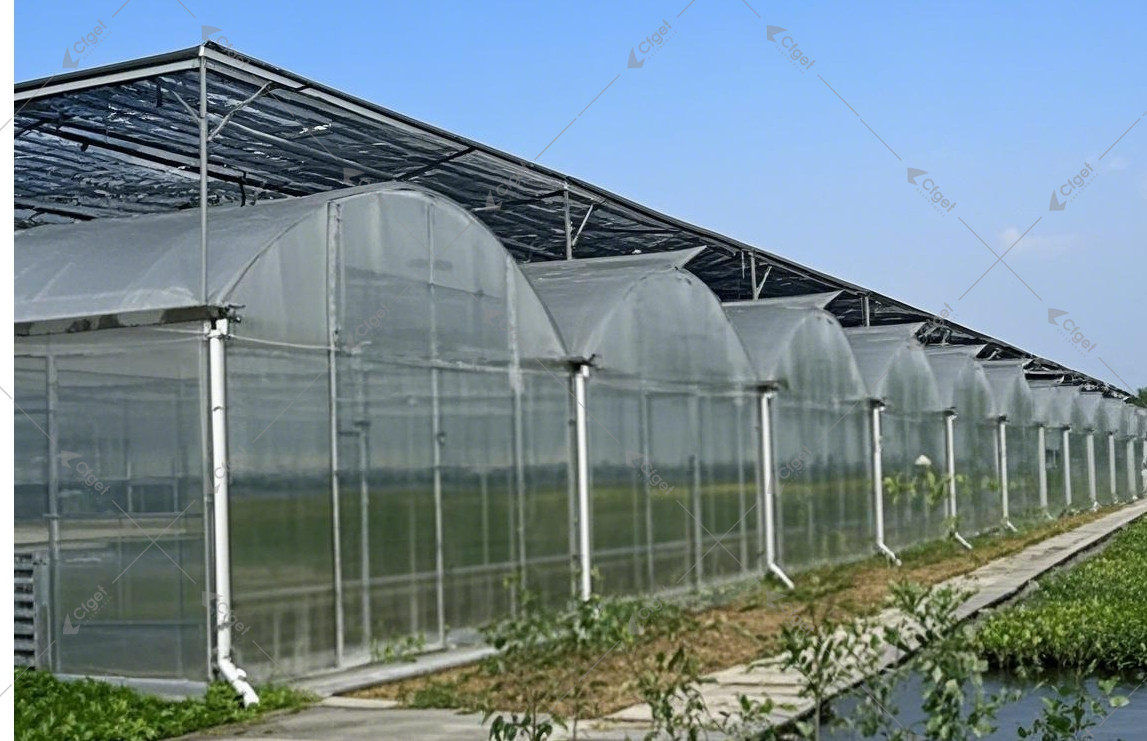
A greenhouse on leased land can make commercial sense when the agreement gives the business sufficient, dependable use of the site and clearly addresses its investment when the lease ends. Before construction, resolve permission for the works, access to services, responsibility for improvements, removal and any agreed compensation. The fact that a greenhouse can be dismantled does not establish a legal right to remove it.
The right agreement depends on the country, local law, title and contract. The planning questions below help prepare that discussion with the landowner and a qualified local adviser; they are not lease wording to copy into a contract.
Contents
The usable term may be shorter than the headline term
A five-year lease does not necessarily provide five growing years. Surveys, approvals, utility work, construction and commissioning can use part of the term. A final crop also needs time for harvest, collection, cleaning and any required removal.
Draw a timeline beginning at the contractual start date. Mark when possession, construction access and utility access are available, then place the first realistic production date. At the other end, mark the notice dates and the date by which the premises must be returned. Have the adviser check break clauses, renewal provisions and what happens if the property is sold.
Penn State Extension discusses agricultural land control and the uncertainty that a tenant faces when investing in improvements. Its legal examples concern Pennsylvania. Its advice to document fixture ownership, removal and restoration is a useful discussion point elsewhere, but the legal result must be checked locally. Owning and Leasing Agricultural Real Estate
An expectation that the landowner will renew is not a secured additional term. Keep an unconfirmed renewal in a separate business scenario.
List what can leave and what stays behind
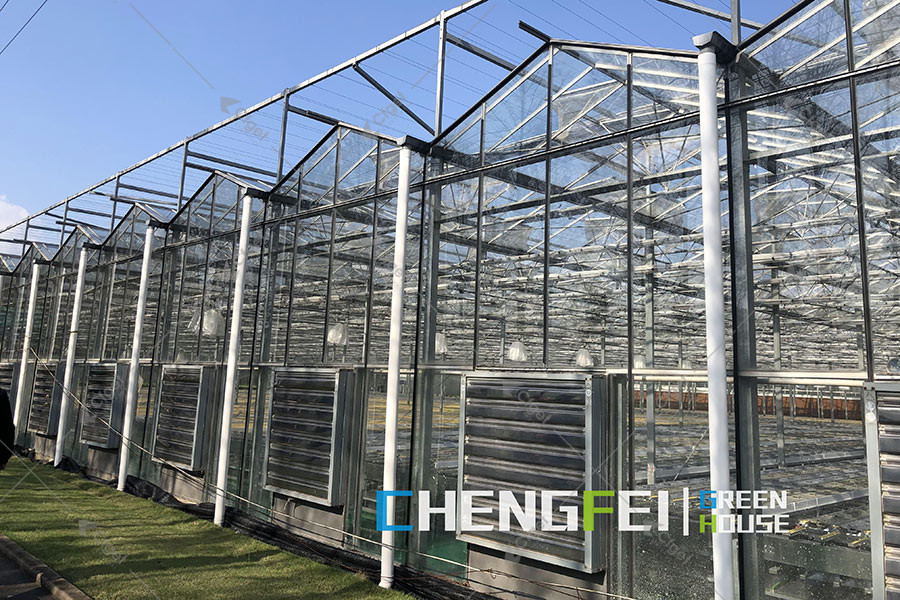
Different parts of a greenhouse project have different exit costs. A controller or pump may be relatively straightforward to move, while foundations, buried services, drainage works and access improvements may have little recoverable value to the tenant. Even reusable steel needs dismantling, transport, a suitable destination and another installation.
Use an asset schedule to make the discussion concrete:
| Project item | Agreement or estimate needed |
|---|---|
| Greenhouse frame and covering | Ownership, permitted removal, deadline and responsibility for damage |
| Foundations and underground services | Whether they remain, how they are treated financially and required restoration |
| Equipment and controls | Ownership, disconnection responsibility and access for removal |
| Water, drainage and electricity connection | Rights of use, capacity, charges and what happens at termination |
| Crop remaining at the end | Access, harvest or removal arrangements and relevant deadlines |
Do not assume that an item called “portable” by a supplier will receive the same legal treatment under the lease. Ask the adviser to reconcile the asset schedule with the contract.
Agree the treatment of improvements while both parties want the project
Iowa State University’s lease supplement proposes recording the improvements, each party’s contribution and an agreed method for valuing the tenant’s remaining investment. It also notes that tax depreciation schedules may not represent how actual value declines. This is an example of an agreement method, not an automatic right to payment or a greenhouse valuation rule. Lease Supplement for Investing in Improvements on a Rented Farm
If compensation is part of the proposed arrangement, establish what triggers it, how it is calculated, who verifies the amount and when it is payable. Ask what happens on ordinary expiry, early termination and a tenant default. Those events need not have the same treatment.
Test the exit date in the investment model
Consider a hypothetical, simplified cash example. A tenant commits $120,000 to a greenhouse project. Assume it generates $25,000 per full operating year after the operating costs included in this example, including rent, and that only four full production years fit inside the secured term. The four years contribute $100,000, leaving $20,000 of the initial cash investment unrecovered before exit costs.
Suppose dismantling and restoration are assumed to cost $15,000, and equipment resale receipts are assumed to be $10,000. The net exit cost is $5,000, raising the shortfall to $25,000. The example excludes finance, tax, discounting and changes in annual performance. None of its amounts is a CFGET price or a resale forecast.
This simple case does not become viable merely because the greenhouse might physically last longer. Its result changes only when the assumptions change, for example a longer secured operating period, lower investment, better supported cash generation or enforceable compensation. Test those changes in the greenhouse ROI model rather than inserting an assumed renewal to make the answer work.
Before placing an equipment deposit, combine the lease review with the site due diligence workbook. Land access, approvals, water and power need to support the same production plan. A signed land agreement is useful only if the greenhouse business it permits can actually be built and operated there.