Short answer: there is no single best greenhouse type for every commercial sweet pepper project in Spain. Select the structure from the exact site, production calendar, crop system, ventilation demand, wind and snow loads, water quality, energy options, labor plan and buyer specification. Compare bidders with the same design basis and require climate, irrigation, structural and commissioning evidence.
The earlier page used best-choice language and treated yield, export quality and return as predictable outcomes. It also used images carrying a third-party watermark. This version keeps the Spain, pepper and greenhouse-selection topic, removes those claims and uses inspected CFGET project photos only to explain structural and system interfaces.
Define the pepper production case first
Record the production region and coordinates, planting and harvest dates, crop duration, target market, pack specification, growing medium, irrigation method, plant density and labor system. A coastal Mediterranean site, an inland site and a high-elevation site can require different ventilation, structural and energy decisions even when the crop is the same.
Variety and rootstock choice belongs with the grower, seed supplier and local crop adviser. Give them the market color, fruit size, resistance package, season and climate. A greenhouse supplier should not answer a variety query with a universal product recommendation. It should show how the proposed environment and crop-support systems meet the agreed production brief.
| Design basis | Buyer input | Supplier output |
|---|---|---|
| Site | Coordinates, survey, hourly weather, loads, water and utilities | Structure, climate basis, site interfaces and exclusions |
| Crop | Calendar, density, trellis, growing medium and quality target | Bay layout, crop support, irrigation zones and work access |
| Climate | Temperature, humidity, radiation and disease-risk limits | Vent areas, screens, cooling or heating duty and control sequence |
| Handover | Operator skills, service response and acceptance needs | Tests, training, manuals, spares and responsibility matrix |
Compare structure types by duty, not by label
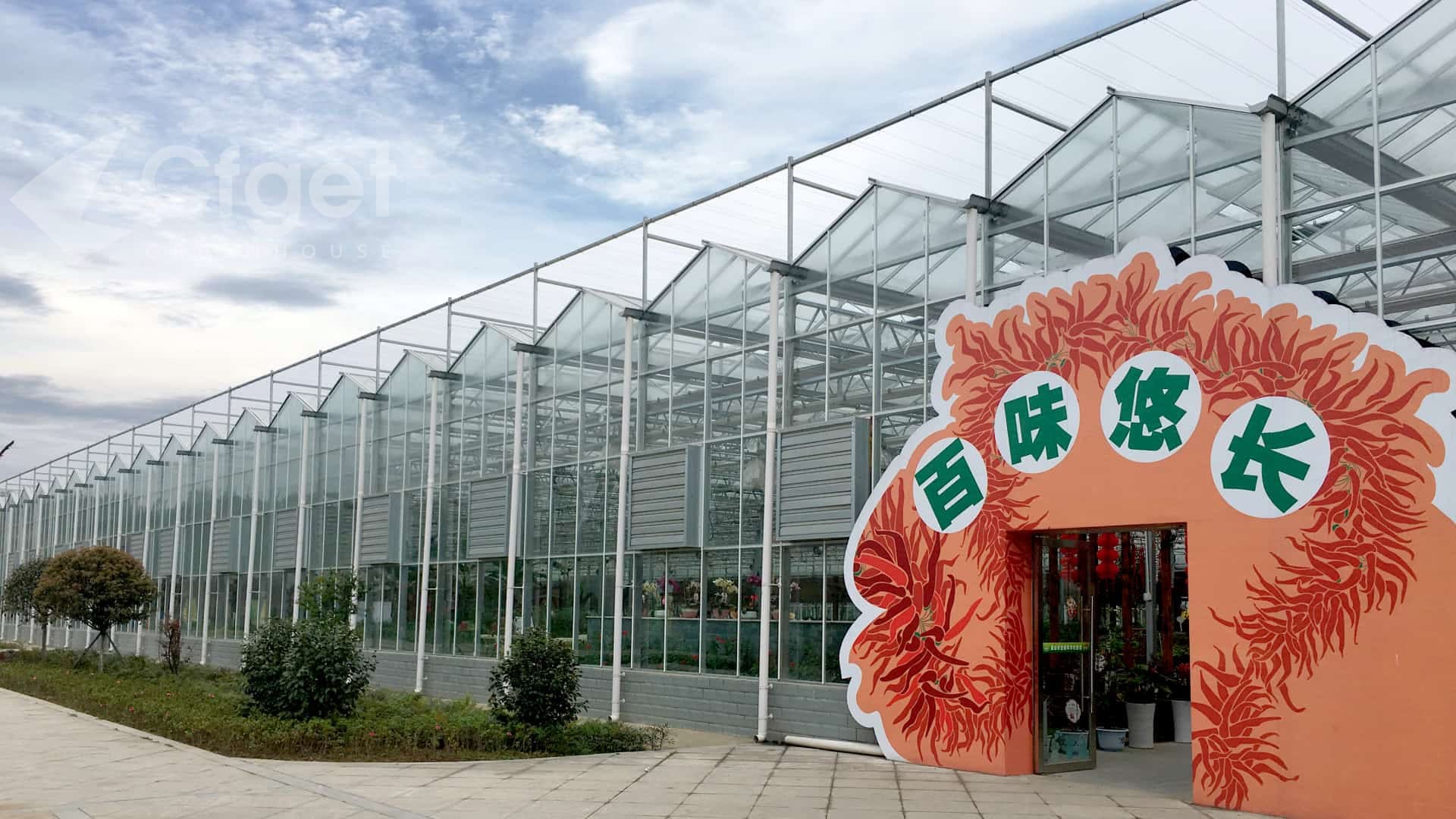
A multi-span film house may suit a project where natural ventilation, capital control and simple replacement are priorities. A rigid-clad or glasshouse may suit a different climate-control, light, longevity or equipment brief. The label alone does not establish performance. Bay width, gutter height, roof geometry, vent area, leakage, screen arrangement and internal obstructions all matter.
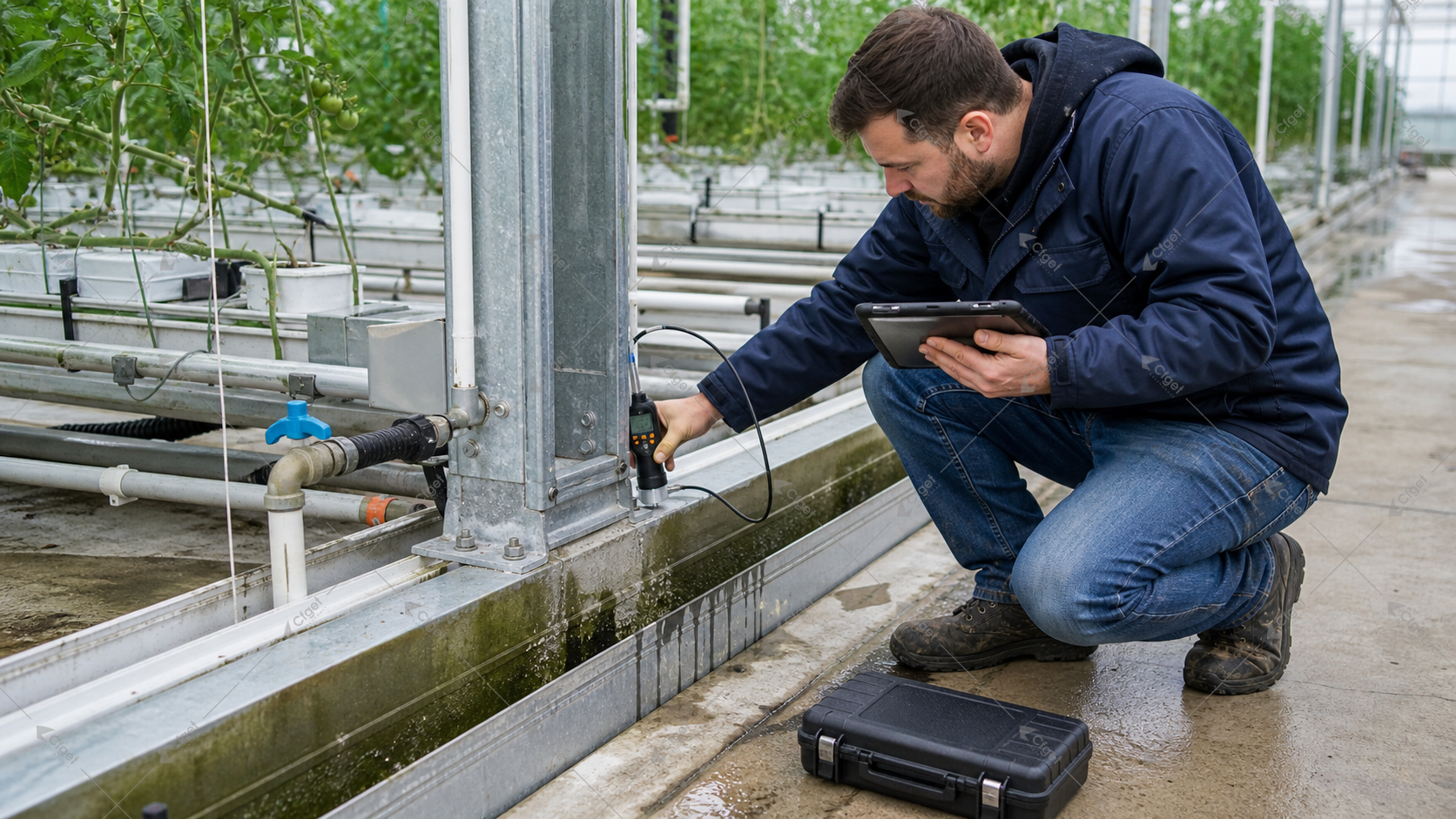
Ask for the governing design code, design wind and snow actions, crop and equipment loads, corrosion exposure, foundation assumptions and connection details. Confirm whether trellis, screens, gutters, cooling walls, fans, heating pipes and service platforms are included in the structural load case. The commercial greenhouse overview helps organize the initial structure comparison without claiming one format is universally best.
Make ventilation a calculation and an operating plan
Spanish protected-crop research and industry guidance repeatedly treats ventilation, radiation, humidity and water management as connected design issues. Require the designer to state vent dimensions, effective opening area, insect-screen pressure drop, prevailing wind assumptions and the role of roof and side openings. Show how the system operates during calm, hot or humid periods.
Insect exclusion can protect the crop but can also restrict airflow. The specification should identify mesh properties, clean and dirty pressure assumptions, access for cleaning and replacement, and the resulting ventilation basis. Screens, shade and crop canopy should be included in the operating scenario rather than treated as separate accessories.
Coordinate radiation, humidity and temperature
External or internal screens can limit solar gain, but over-shading can reduce crop light. Evaporative cooling depends on outside humidity, water quality and airflow. Heating may be needed for crop or humidity management even in a generally warm region. Ask for hourly or representative design cases rather than one outdoor maximum temperature.
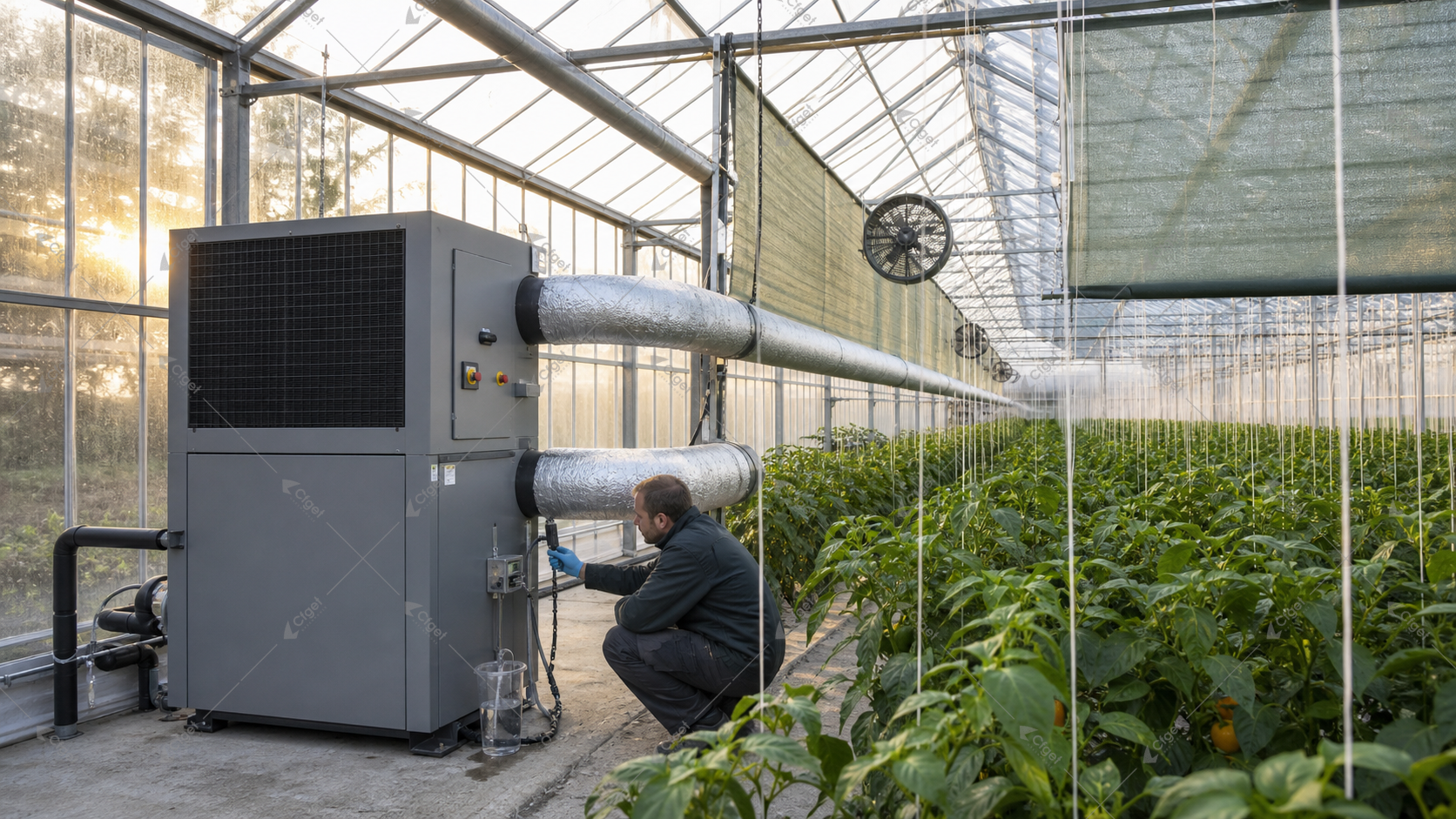
The controls narrative should define sensor locations, setpoint boundaries, deadbands, stages, alarms and safe behavior after power returns. It should also explain which device has priority when venting, shade, cooling and heating requests conflict. Use the greenhouse temperature-control overview to list system options, then require project-specific sizing.
Design irrigation from water analysis and crop zones
Test raw water before selecting filtration, treatment and fertigation equipment. Include pH, alkalinity, electrical conductivity, relevant ions, suspended solids and microbiological risks identified by the crop adviser. State source capacity, storage, peak irrigation demand, drainage route and any discharge restrictions.
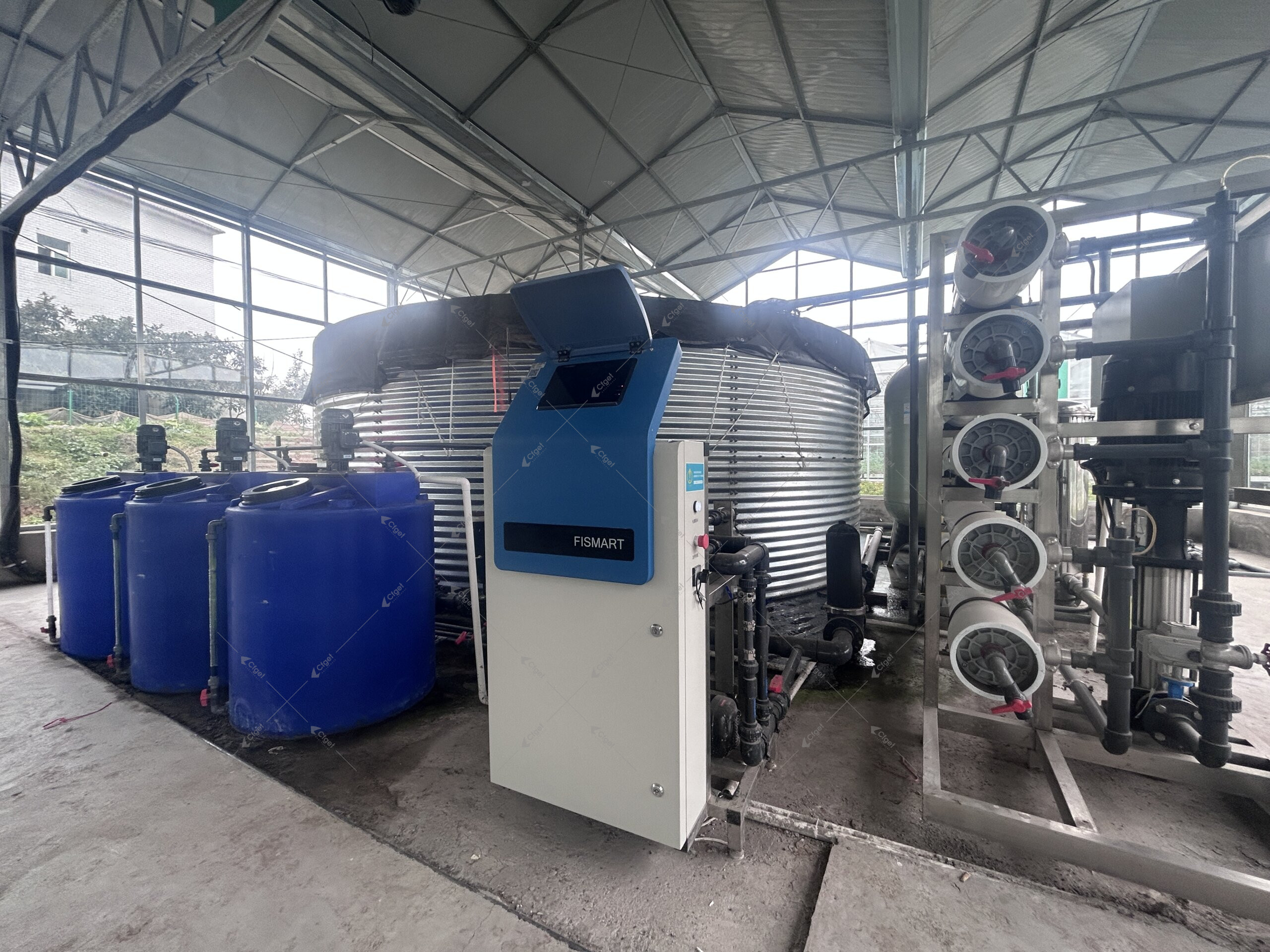
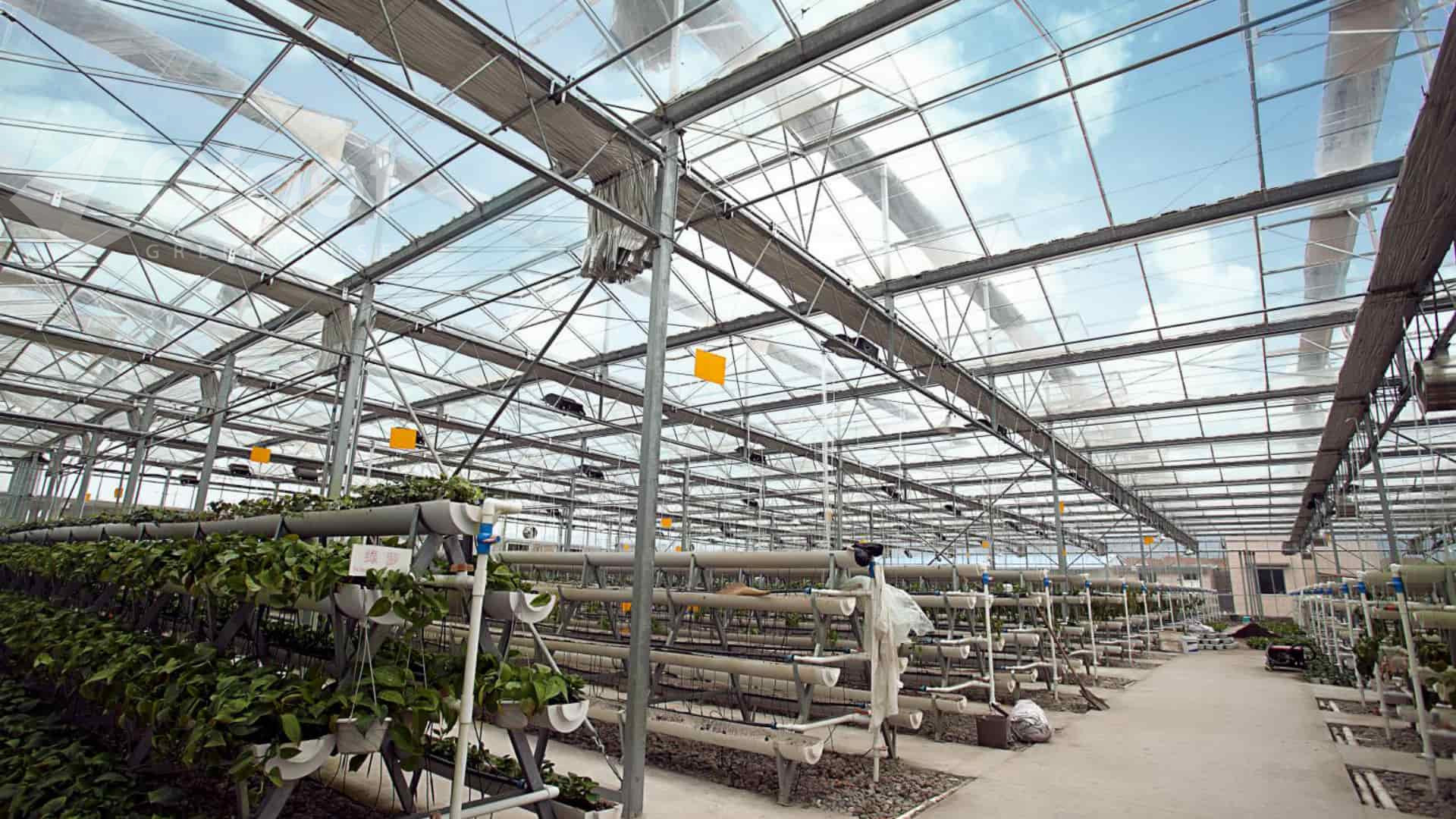
The irrigation design should show zones, peak flow, pressure at the highest and farthest emitters, filtration duty, dosing method, mixing volume, flushing and drainage collection. Where drain monitoring is part of the crop strategy, define measurement points and data ownership. The Spanish Ministry of Agriculture source cited below highlights sensor-based water and nutrient management as an important direction, but the project still needs a local agronomic setpoint plan.
Plan crop flow, hygiene and labor
Draw propagation, crop rows, work aisles, harvest movement, packing transfer, waste and service access. Separate clean tools, chemicals, fertilizers and waste. Provide handwashing, sanitation and pest-exclusion interfaces required by the production and buyer program. Doors and corridors must fit carts and maintenance equipment.
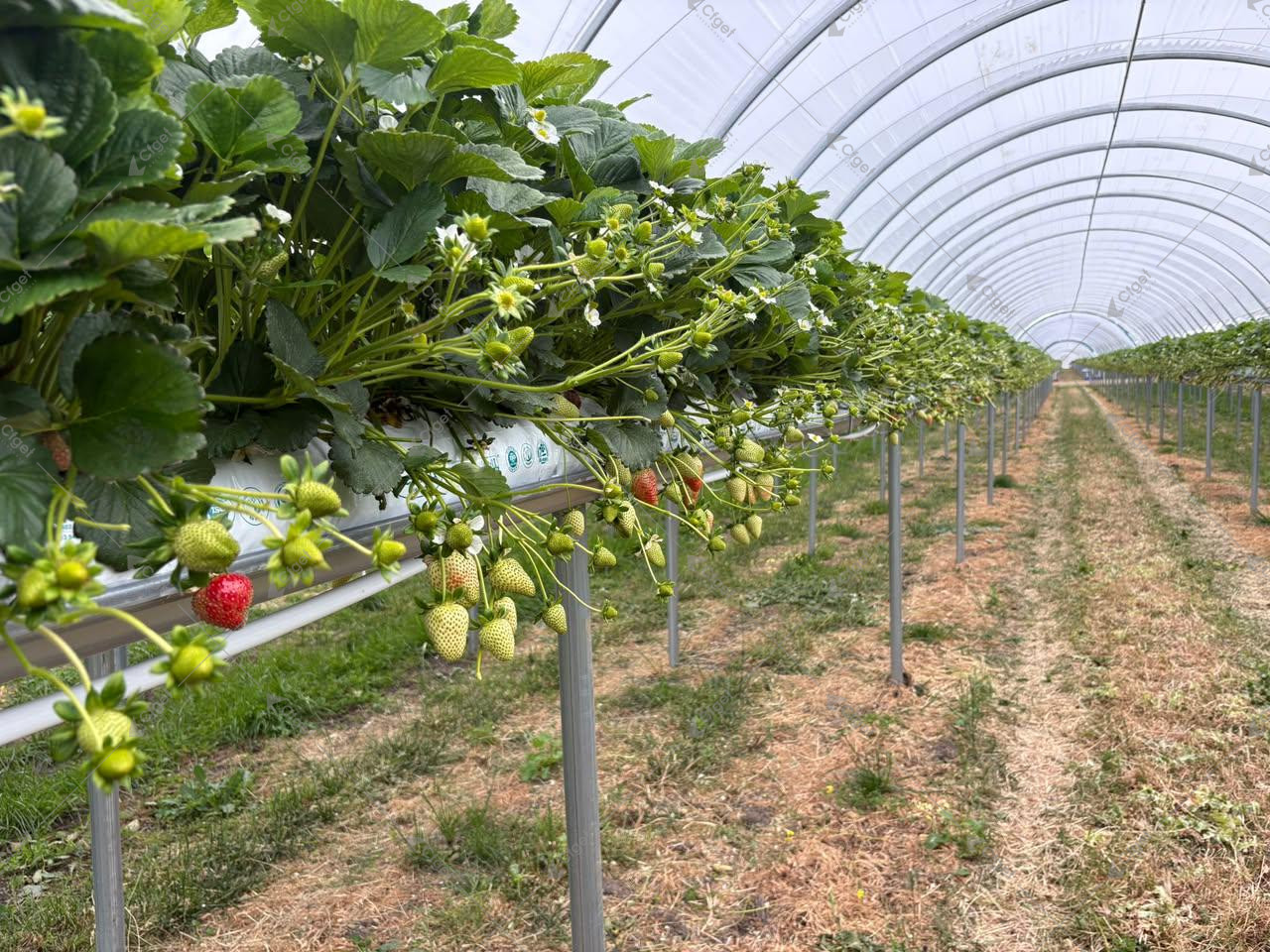
Labor assumptions affect greenhouse height, row length, crop support, harvesting and handling. Record which tasks are manual or mechanized. Ask the supplier to identify equipment clearances, service zones and shutdown requirements. A technically capable climate system can still fail commercially if routine crop work is slow or unsafe.
Normalize cost and risk before choosing a bidder
Compare the same supply boundary: survey, design, structure, cladding, foundations, ventilation, screens, cooling, heating, irrigation, electrical work, controls, crop support, freight, customs, installation, commissioning, training, spares and taxes. Use local energy, labor and water prices. Do not import a payback period from another region or crop.
| Commercial check | Base evidence | Downside case |
|---|---|---|
| Market | Buyer grade, pack, volume, price basis and payment terms | Lower packout, weaker price or delayed payment |
| Production | Local adviser plan, calendar, plant count and expected marketable output | Heat event, pest pressure, crop delay or lower grade |
| Operating cost | Local labor, water, electricity, fuel, inputs and maintenance | Tariff increase, extra labor or equipment downtime |
| Delivery | Scope, schedule, permits, logistics and acceptance tests | Foundation change, freight delay or incomplete interface |
Commission each system against a written test
Inspect the structure, cladding, vents, screens, irrigation, drainage, electrical work, sensors, controls and safety systems before planting. Test manual and automatic operation, alarms, power loss and restart. Record sensor calibration and flow or pressure checks. Handover should include as-built drawings, equipment schedules, setpoint limits, manuals, software backups, training and spare-parts lists.
RFQ inputs for a commercial sweet pepper greenhouse in Spain
- Project coordinates, survey, soil information, access and expansion plan
- Hourly weather, design wind and snow, radiation, humidity and rainfall
- Target market, fruit specification, crop calendar, density and growing method
- Local agronomist assumptions for variety, rootstock, irrigation and crop support
- Water analysis, source capacity, storage, treatment, drainage and discharge
- Structure, cladding, vents, insect screens, shade, cooling and heating scope
- Electrical load, backup power, controls, alarms and communications
- Hygiene, harvest movement, work aisles, equipment access and worker safety
- Freight, civil work, installation, commissioning, training, spares and exclusions
- Acceptance tests, documents, warranty response and responsibility matrix
Technical references
Coraline Liao is CEO and Greenhouse Technical Director at CFGET. Her role on this guide is to frame greenhouse scope, system interfaces and buyer questions. Variety, crop, structural and regulatory approvals remain with responsible project professionals.
- Spain Ministry of Agriculture: Protected Horticulture Research and Development
- FAO: Good Agricultural Practices for Greenhouse Vegetable Crops
Send the site, weather, crop brief, water analysis and responsibility matrix through the CFGET contact page. Ask each bidder to expose assumptions, calculations, exclusions and acceptance tests in the quotation.