Define the California site and market window first
California contains coastal, inland-valley, desert and mountain conditions. A greenhouse near a cool coast faces a different humidity and heating pattern from one in the Central Valley or a southern desert. Give bidders coordinates, elevation, surrounding obstructions and an hourly weather file. State the intended planting, harvest and shutdown periods rather than asking for generic year-round production.
The market brief should identify tomato type, pack specification, delivery months, buyer channels and expected grade-out method. These are business inputs, not guarantees. The greenhouse design can support a production plan, but it cannot prove demand, selling price or saleable yield. Keep the engineering model and financial model connected without allowing one to substitute for the other.
Translate crop method into structural inputs
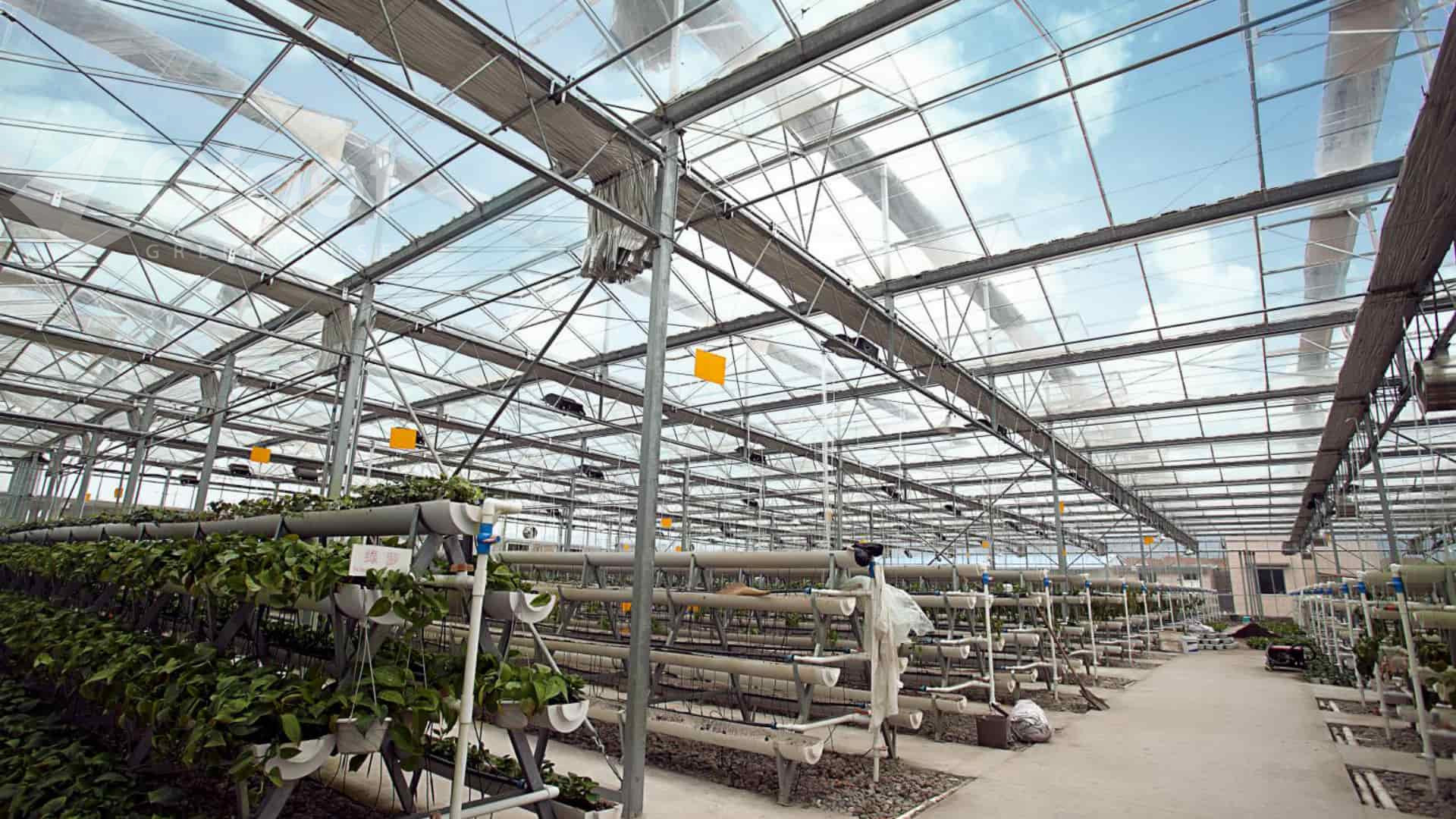
State the cultivar group, substrate or soil method, row direction, planting density, crop-wire height, lowering system, harvest cart and work-platform needs. Include the full suspended load from crop wires, pipes, screens, lights and service equipment. The structure should be checked against local code loads as well as operational loads.
Lay out propagation, mixing, filtration, storage, packing, hygiene, staff, waste and maintenance areas before fixing the number of bays. Net crop area should be reported separately from gross covered area. A plan that maximizes canopy on paper can create expensive labor routes or leave no safe place to service equipment.
Compare envelope options through calculations
| Decision | What changes | Evidence to request |
|---|---|---|
| Covering assembly | Useful light, heat transfer, condensation, leakage and replacement | Installed performance, joints, seals, aging, warranty and cleaning access |
| Ventilation geometry | Heat removal, humidity release and insect-screen resistance | Net opening area, screen pressure effect, vent schedule and wind assumptions |
| Shade or energy screen | Solar load, night heat loss and overhead coordination | Material properties, deployment logic, stack height, seals and maintenance route |
| Structural capacity | Wind, seismic, equipment, crop wire and future systems | Governing code, load combinations, drawings, reactions and connection details |
A glass house may suit a capital-intensive project that needs durable integration and high useful light. Rigid panels or film may suit a different budget, climate or replacement strategy. The buyer should compare the installed assembly and operating model, not a catalog label. Any claim that one covering is best for all California sites is too broad.
Use hourly weather to stage cooling
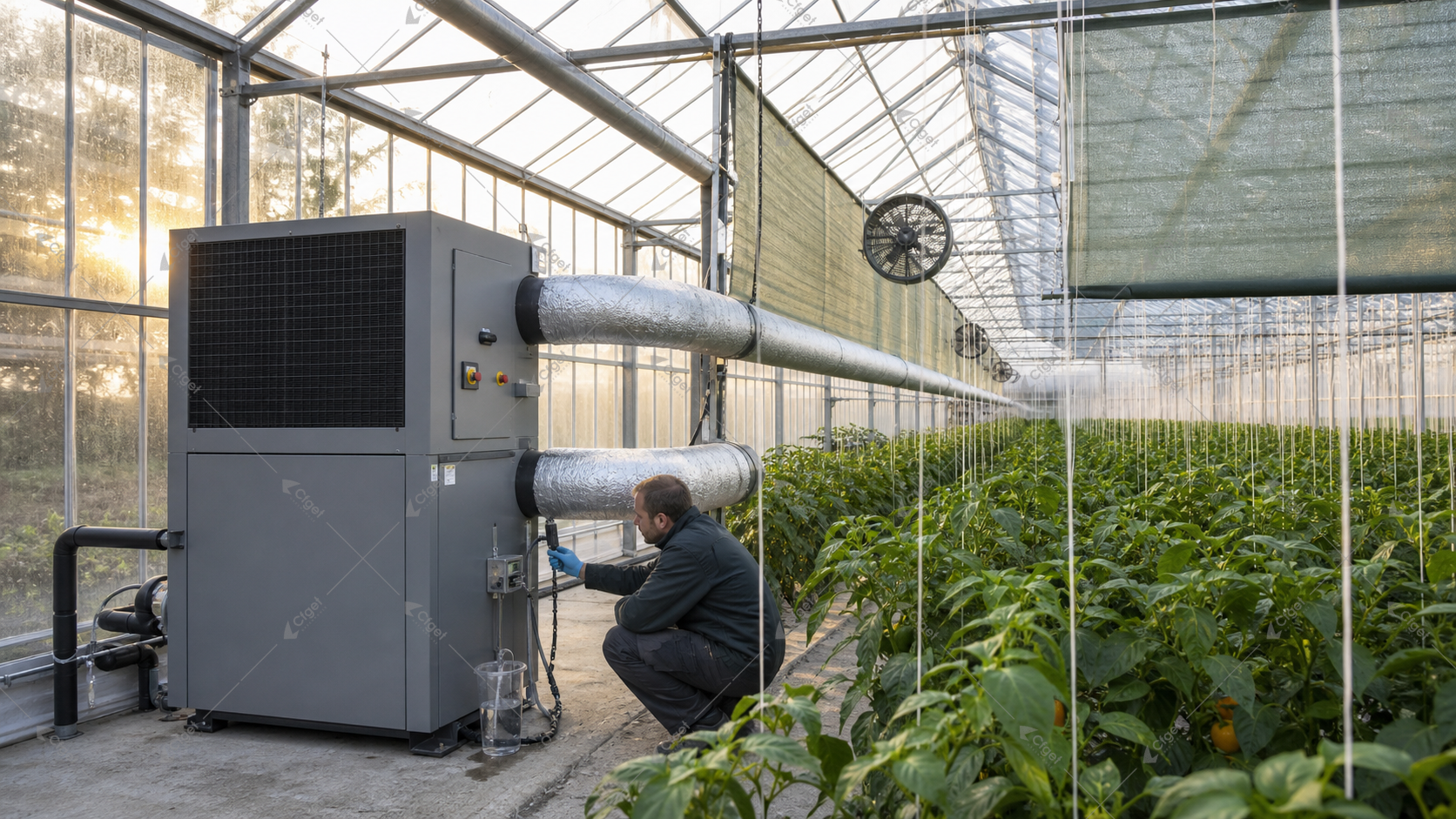
Natural ventilation, shade, fan ventilation, evaporative cooling and mechanical cooling have different weather limits and power or water demands. Ask the designer to show which stage operates at named outdoor conditions. Evaporative cooling performance depends on wet-bulb conditions and water quality. A promised indoor temperature without these inputs cannot be evaluated.
Fans should be selected at installed resistance. Insect screens, pads, louvers and dirty filters change that resistance. Natural-vent calculations should use net openings after screens. Define the safe position during high wind, rain, smoke, power loss and communication failure. The controls narrative should show how stages avoid fighting one another.
Plan heating and humidity for nights and shoulder seasons
Warm daytime conditions do not remove the need to check night heating, condensation and humidity. Heating calculations should include envelope heat loss, leakage and required ventilation. Distribution matters because cold crop edges, doors and gutters can create local moisture and disease risk even when the central sensor looks acceptable.
Show sensor locations at crop level and a method for checking spatial uniformity. Define high-humidity alarms, operator response and failed-sensor behavior. If heat and ventilation are used together for moisture control, the sequence and energy consequence should be visible in the proposal.
Base irrigation on water quality and measured demand
California irrigation planning often uses local reference evapotranspiration data. UC IPM explains how crop water demand changes with climate and canopy, while CIMIS provides weather-based reference information. A greenhouse substrate system still needs its own crop-stage, light and drain-feedback method. Do not copy a field irrigation number into a greenhouse design.
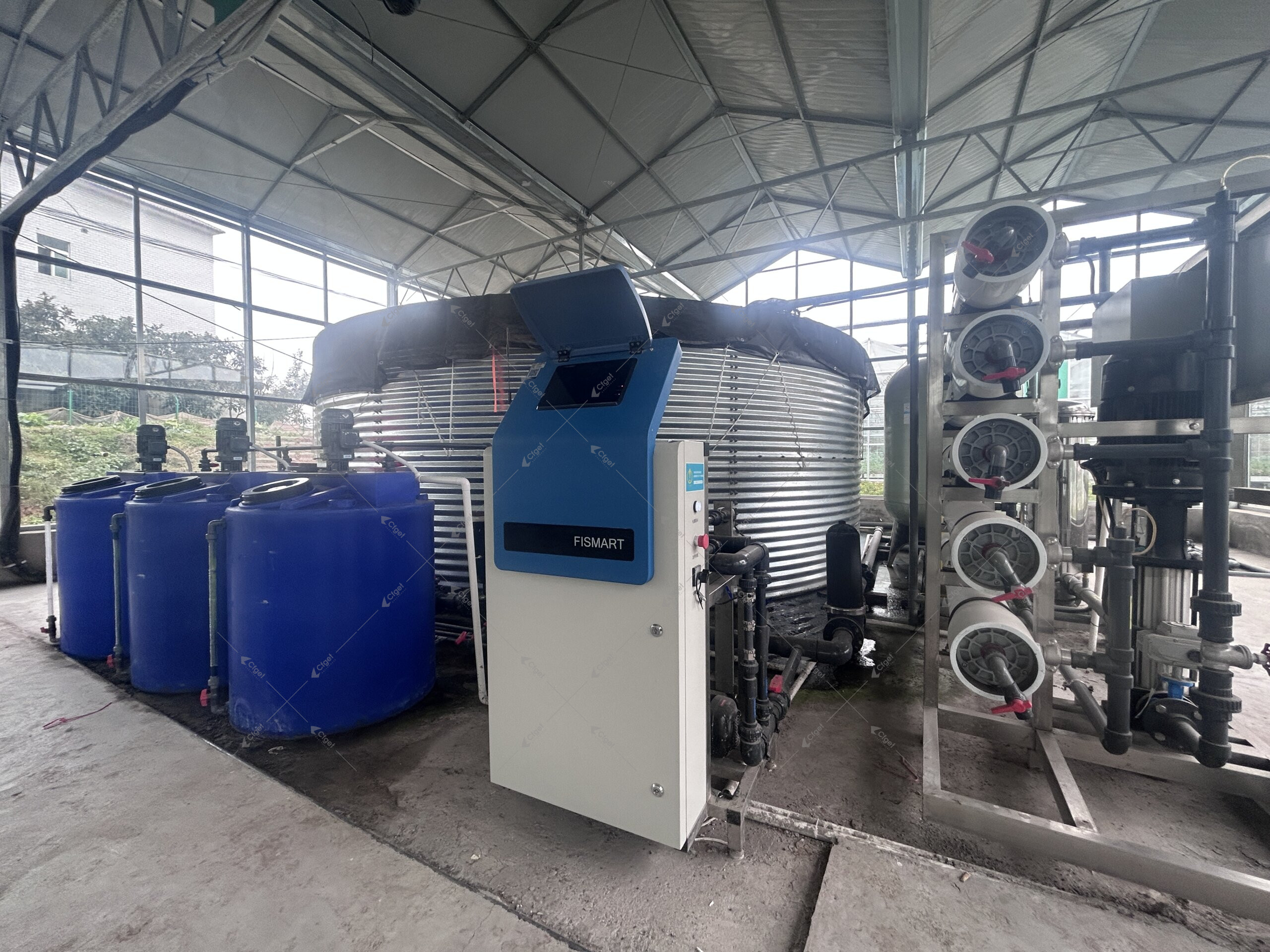
Send bidders a laboratory water analysis and peak source capacity. Include pH, electrical conductivity, alkalinity, sodium, chloride, bicarbonate, calcium, magnesium, iron and relevant microbiological indicators. State storage, treatment, backup supply and discharge limits. The design should show filtration, dosing, mixing, irrigation zones, drain collection, sampling, disinfection and cleaning access.
California sites may face water scarcity, salinity or discharge restrictions. The buyer and local specialists should decide whether drain water is collected, treated and reused. The equipment supplier should then state the materials, sensors, tanks and control steps included in that scope.
Connect light, screens and supplemental fixtures
The project should use a site-specific light analysis and crop plan. Screens can reduce excess solar load and night heat loss, but they also reduce light while deployed. Supplemental fixtures add electrical load and heat, and may change structural and fire-protection requirements. Ask for a coordinated overhead layout and the assumptions used for fixture quantity and control.
Do not accept a fixed yield increase attributed to one fixture or covering. Crop response depends on cultivar, canopy, climate, carbon supply, root-zone management and marketable grade. Use trials and commissioning data to refine operation after handover.
Design labor and product flow into the greenhouse
High-wire tomato work involves pruning, clipping, lowering, harvesting and crop removal. Aisles, carts, platforms and packing routes affect labor and safety. Show crossings, turning areas, door widths and the route from harvest to cooling or packing. Hygiene and waste movement should not interfere with clean product flow.
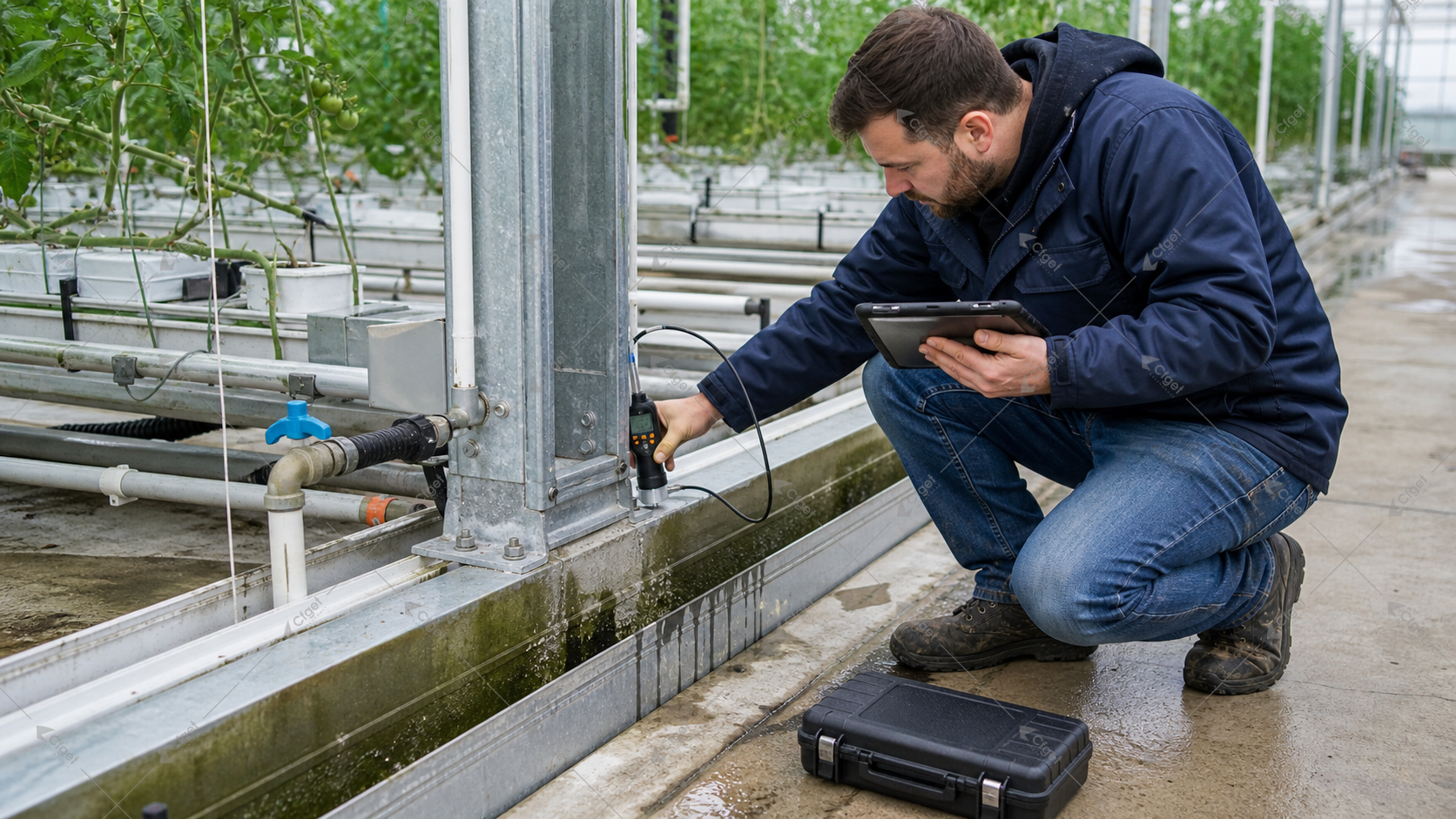
Maintenance access is also part of production capacity. Operators need safe access to gutters, vents, screens, fans, pads, heaters, sensors, filters and tanks. Ask which components wear, how they are isolated, and which spares should be stored on site.
Normalize commercial quotations before comparing price
Separate structure, covering, climate equipment, growing system, civil work, utilities, freight, duties, installation, permits, commissioning and training. Record every exclusion. A low quote may shift foundation, wiring, piping, controls or local labor to the buyer.
Build the business case from usable crop area, crop cycles, local selling prices, grade-out, labor, energy, water, consumables, replacements and downtime. Use base and downside cases. The supplier can provide installed capacities and maintenance inputs, but should not promise a universal profit or payback period.
Commission crop-zone performance and failures
Commissioning should verify vents, fans, heating stages, screens, irrigation uniformity, drain collection, sensor calibration, alarms and backup power. Test agreed failure scenarios, including a pump, sensor, controller, network and normal power loss. Record the expected safe state, recovery time and person responsible.
Handover should include approved drawings, equipment schedules, setpoint ranges, calibration records, software backups, manuals, spare parts and training. These records allow the grower to maintain the intended operation and compare later changes against a known baseline.
RFQ inputs for a California tomato greenhouse
- Coordinates, elevation, site survey, soil, drainage, access and expansion plan.
- Hourly weather file plus local wind, seismic, fire and permitting criteria.
- Market window, tomato type, pack specification and product-flow plan.
- Crop method, planting density, row direction, crop-wire height and suspended loads.
- Crop-zone temperature, humidity, light and extreme-event boundaries.
- Water analysis, source capacity, storage, treatment, drainage and discharge limits.
- Electrical capacity, fuel, utility tariffs, communications and backup power.
- Covering, vents, screens, cooling, heating, circulation and control expectations.
- Packing, hygiene, staff, chemical, waste and maintenance spaces.
- Installation, commissioning, acceptance tests, spares, training and service scope.
Related CFGET resources
Use the greenhouse installation guide to assign project stages, the climate-control scope to define equipment interfaces, and the irrigation and fertigation scope for the water brief. The light-management overview helps coordinate screens and supplemental fixtures.
Technical references
- University of California IPM: Irrigation of Processing Tomatoes
- University of California Agriculture and Natural Resources: Fresh-Market Tomato Production in California
- California Irrigation Management Information System
Send CFGET the site, weather, crop layout, utilities, water analysis and responsibility matrix. A useful proposal should show the calculation basis, equipment schedule, drawings, exclusions and acceptance tests.