North America requires more than one design answer
A house designed for a humid southeastern summer will not carry the same equipment as one designed for a cold Canadian winter or a dry western valley. Give bidders coordinates, elevation, obstructions and an hourly weather file. State the intended planting and harvest months. The design team should identify the weather points that control heating, ventilation, evaporative cooling, mechanical cooling, humidity management and structural loads.
Do not use an annual average to size equipment. Winter lows, summer dry-bulb and wet-bulb conditions, wind, snow, solar radiation and shoulder-season humidity can each govern a different part of the design. Ask the supplier to state which weather file and design percentiles were used, and how the greenhouse behaves outside those points.
Define the cucumber crop system before the bay layout
Commercial cucumber facilities may use shorter umbrella training or high-wire systems. Alabama Cooperative Extension notes that northern high-wire systems can exceed 12 feet, while systems in the southeastern United States are often shorter. The cultivar, training method and crop-wire height change the structure, hanging loads, work platform, row spacing, labor and air-distribution plan.
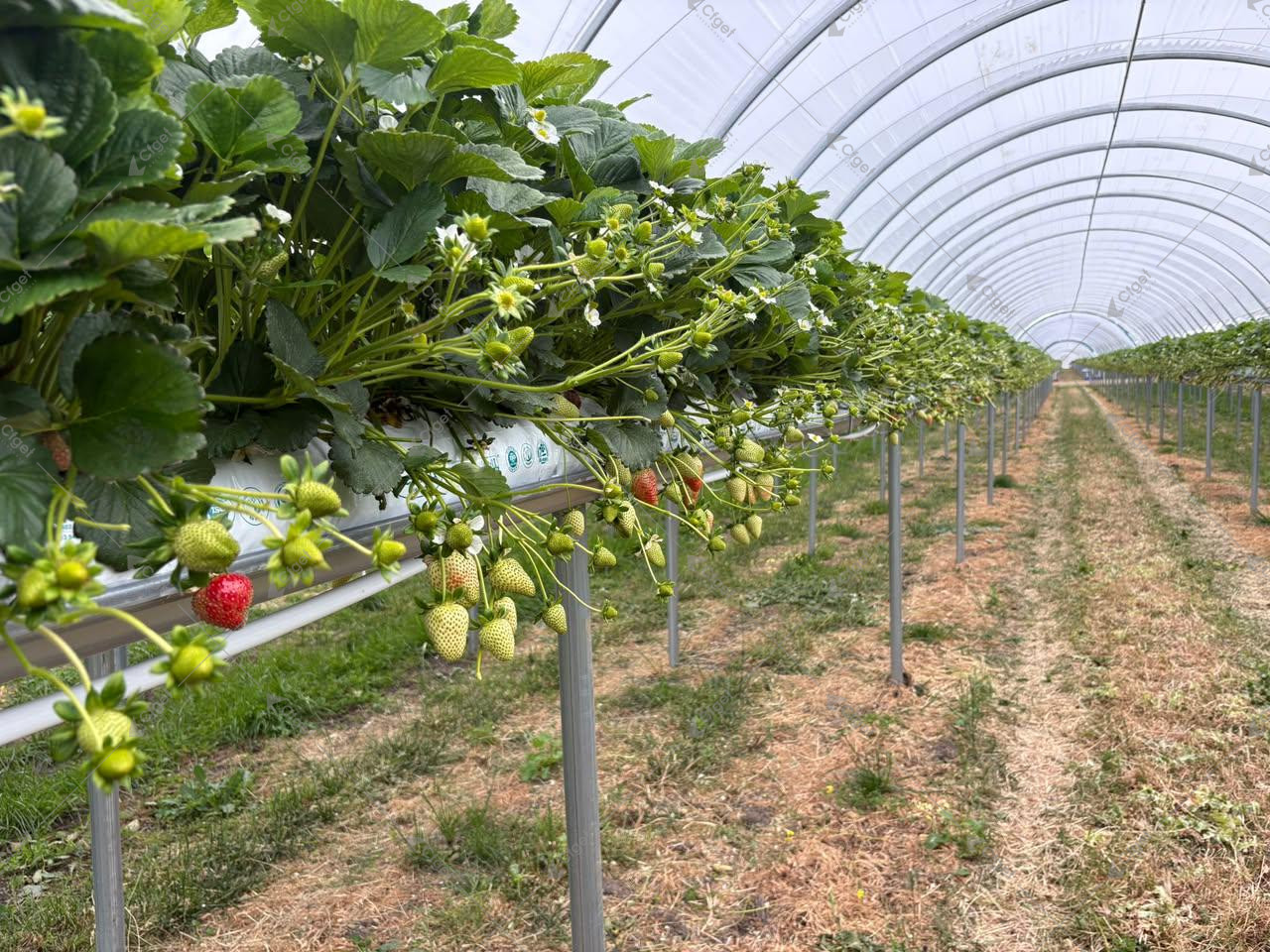
State whether the project will use substrate bags, pots, troughs or another validated root-zone system. Include plant density, row direction, crop cycles, propagation area and harvest frequency. Gross floor area is not the same as productive canopy area. The layout also needs mixing, filtration, storage, hygiene, packing, waste, staff and maintenance space.
Compare the envelope against heating and light needs
| Option | Potential fit | Evidence the buyer still needs |
|---|---|---|
| Glass multi-span | Projects needing a durable, integrated envelope and extensive overhead systems | Installed light and heat-loss data, seals, vents, condensation path and cleaning access |
| Rigid-panel multi-span | Projects balancing insulation, impact resistance and capital cost | Panel build-up, aging data, joints, fire classification, replacement and thermal-bridge details |
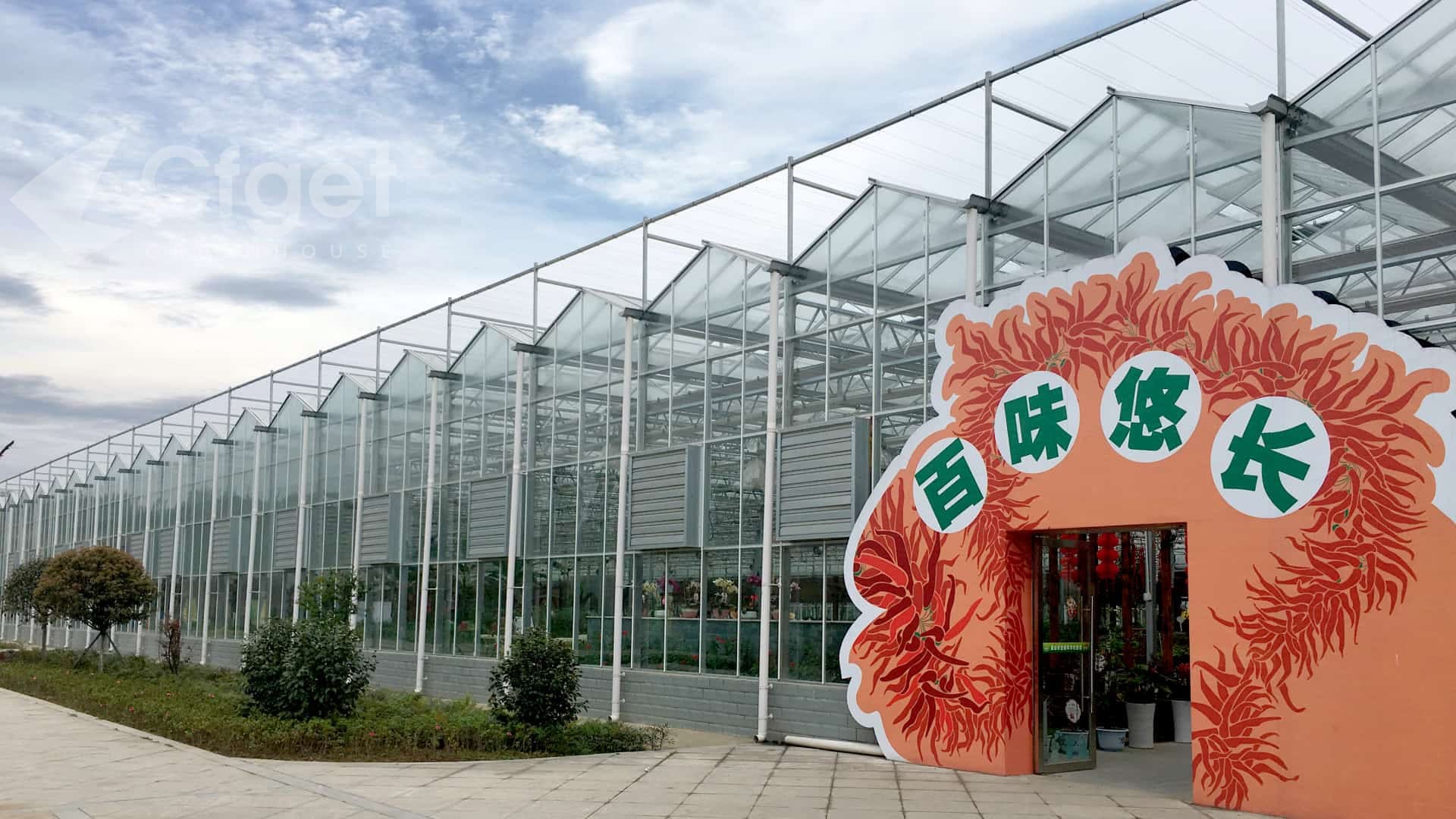
| Inflated-film multi-span | Projects accepting periodic film replacement for lower envelope cost | Film specification, inflation backup, fastening, leakage, replacement labor and disposal plan |
None of these options guarantees a crop result. More light can help only when temperature, water and carbon supply remain within the operating plan. Better insulation can reduce heat loss but does not replace air sealing or humidity control. Request performance for the installed assembly, including vents, gutters, doors and screens.
Size climate equipment for the crop zone
Cucumbers have a large leaf area and rapid water use. Alabama Extension and UF/IFAS both describe warm production conditions, but their guidance also shows why a single temperature number cannot define a continental design. Crop response, cultivar, light, humidity and production season change the operating target. Use local crop advisers to set boundaries, then have the mechanical designer size equipment for the site.
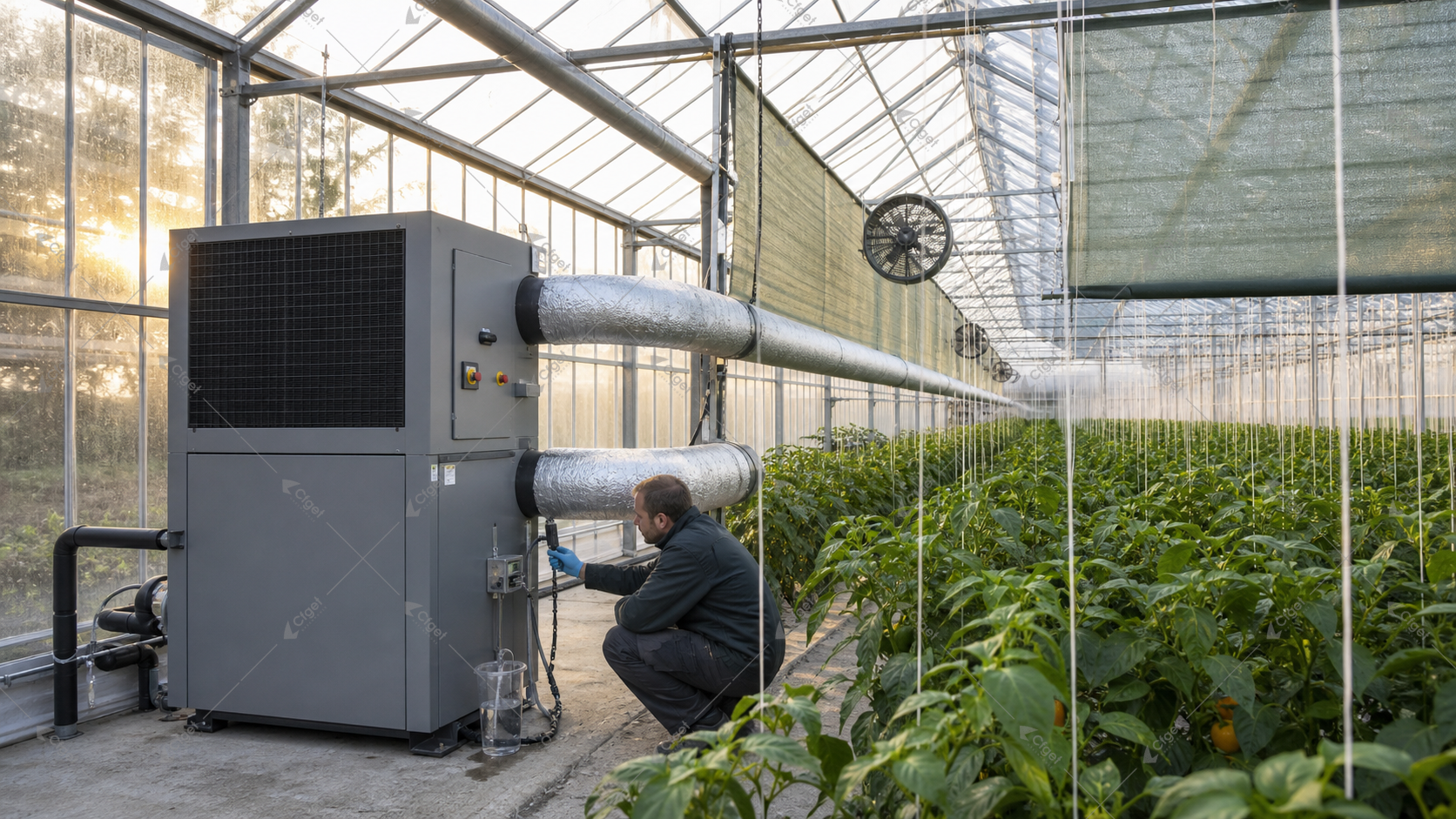
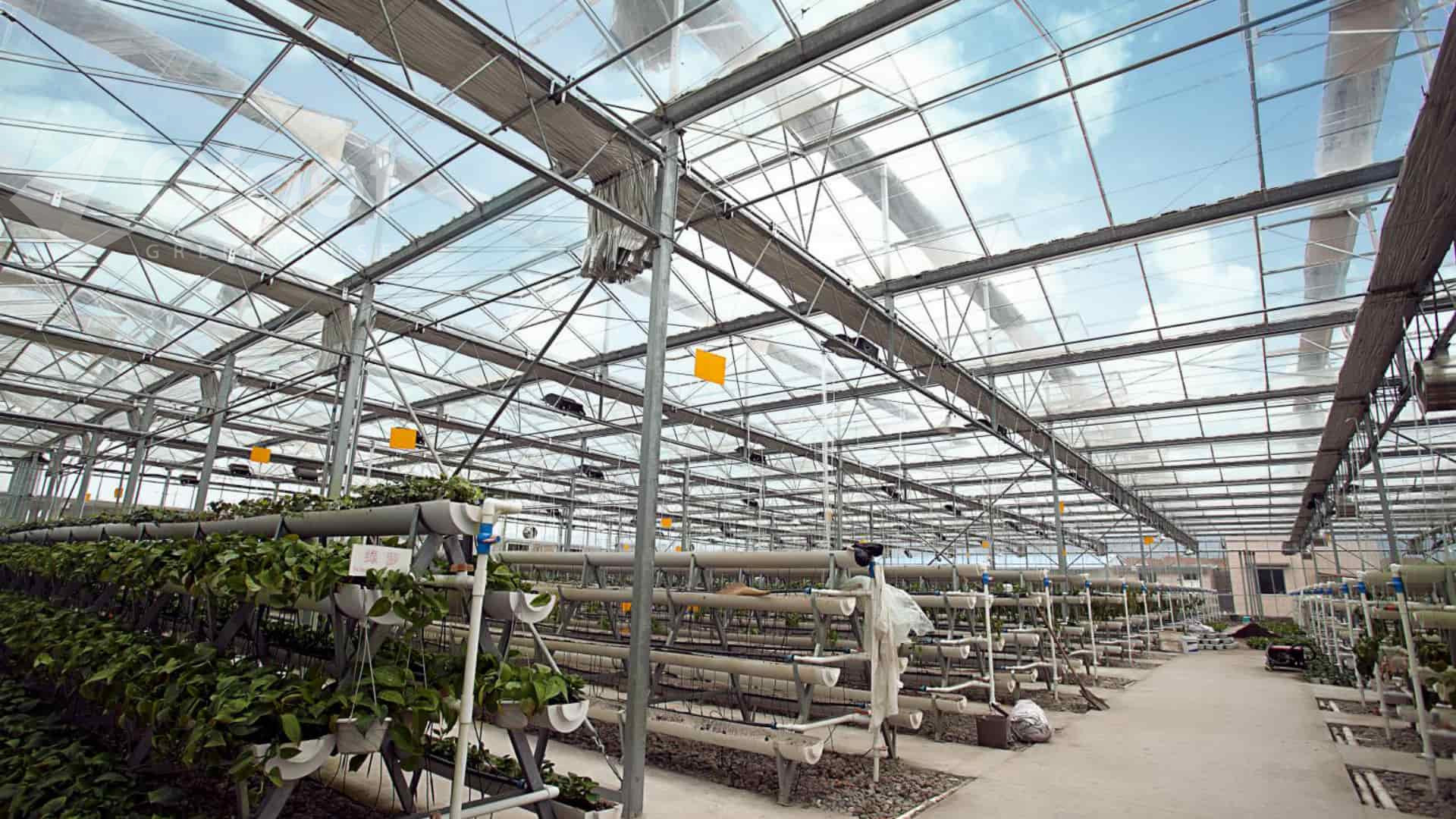
Natural ventilation calculations should use net opening after insect screens. Mechanical fans should be selected at installed resistance, not free-air capacity. Evaporative cooling should be checked against the site’s dry-bulb and wet-bulb conditions and water quality. Heating calculations should include envelope losses, leakage, ventilation and any root-zone or pipe distribution. Ask for part-load control as well as peak duty.
Manage humidity without creating a cold wet canopy
Humidity problems often appear when outdoor conditions are cool enough that cooling is unnecessary. The control sequence may need a combination of heat, ventilation and air circulation. Ask where sensors are placed and how readings near doors, gutters and dense crop rows will be compared. Condensation on the cover, structure or crop can indicate local surface and airflow problems that one central sensor misses.
The controls narrative should state how vents, screens, heat and fans coordinate. It should also define failed-sensor actions, high-humidity alarms, operator response and data retention. Equipment should not fight itself because two independent controllers use different thresholds.
Use water analysis to design fertigation and cooling
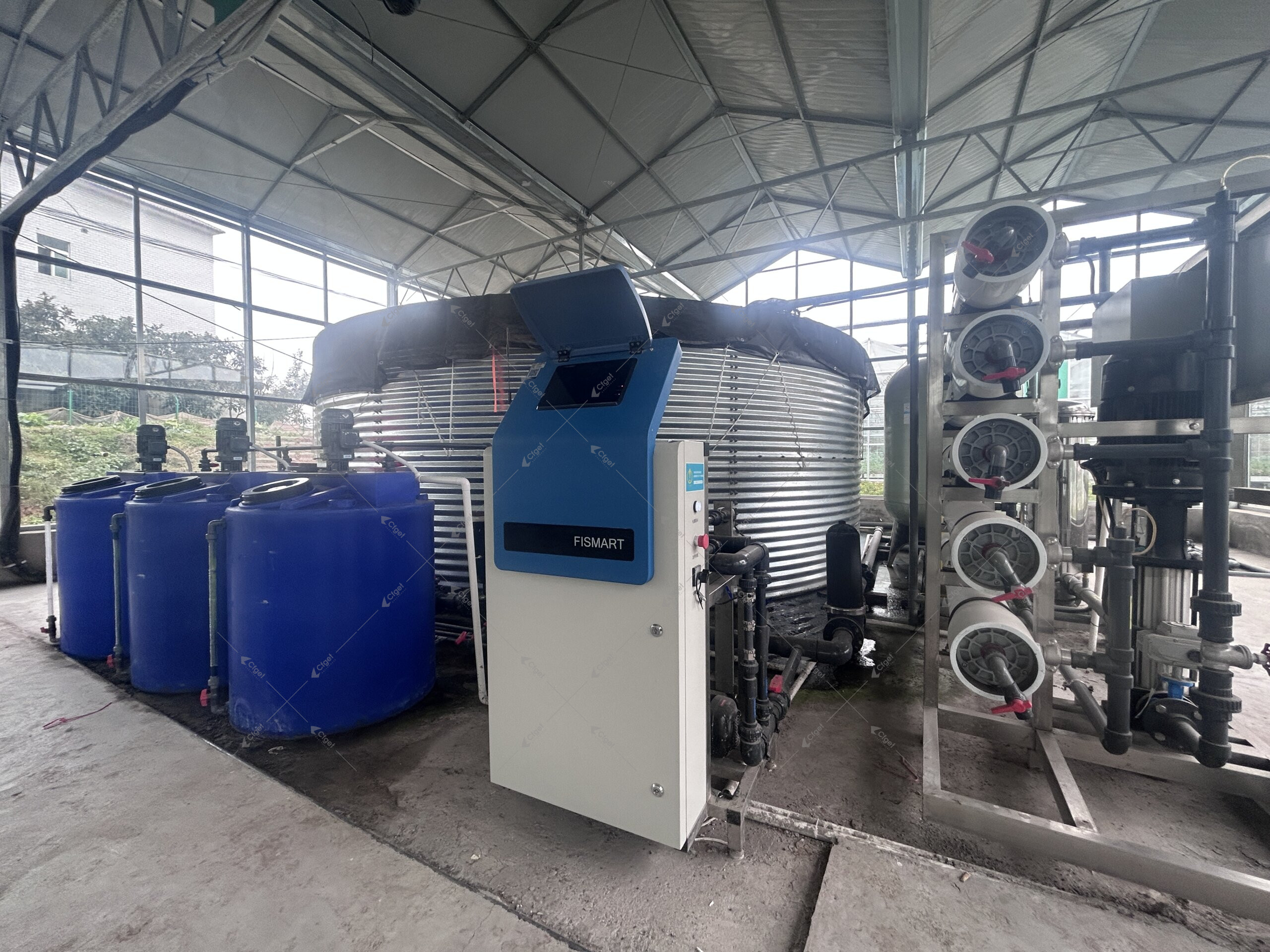
Send a recent laboratory report with pH, electrical conductivity, alkalinity, sodium, chloride, bicarbonate, calcium, magnesium, iron and source-specific microbiological indicators. The results affect filtration, acid dosing, fertilizer compatibility, emitter selection, disinfection and discharge. State source capacity by hour and day, seasonal variation, storage and backup supply.
UF/IFAS describes substrate and soilless systems used for greenhouse cucumber production. The RFQ should go beyond naming a substrate. It should define container or slab volume, emitter count, zone flow, drain collection, sampling points, cleaning access and the operating method used to adjust irrigation with crop stage and weather.
If evaporative cooling and irrigation share a source, show the coincident peak demand. The hydraulic balance should include treatment reject water, pad bleed, sanitation and domestic uses. A project can have adequate annual water and still fail during a hot-hour peak.
Design crop handling and biosecurity into the plan
Cucumber vines require regular training, pruning and harvest. Aisles, carts, work platforms and packing routes should be sized before the greenhouse grid is fixed. Show how workers enter clean crop zones, where tools are stored and cleaned, and how diseased plants leave without passing through harvested product.
Pollinator exclusion, pest screens and disease management depend on cultivar and local pressure. Fine screens can reduce airflow, so the supplier should state their pressure effect in ventilation calculations. The operating team should approve screen access, cleaning and replacement because clogged screens change performance over time.
Compare energy choices with local tariffs
Heating fuel, electrical demand charges and backup-power requirements vary widely across the continent. List each motor, heater, pump, light, controller and service load. Separate continuous, staged and emergency loads. The quotation should identify incoming utility requirements and which crop functions need backup.
Do not accept a universal return calculation. Build the financial model from local utility tariffs, usable crop area, crop cycles, labor, saleable grade, packing, replacements and downtime. Compare base and downside cases. The supplier can provide equipment duties and maintenance inputs, while the buyer owns market, price and production assumptions.
Commission the greenhouse as one operating system
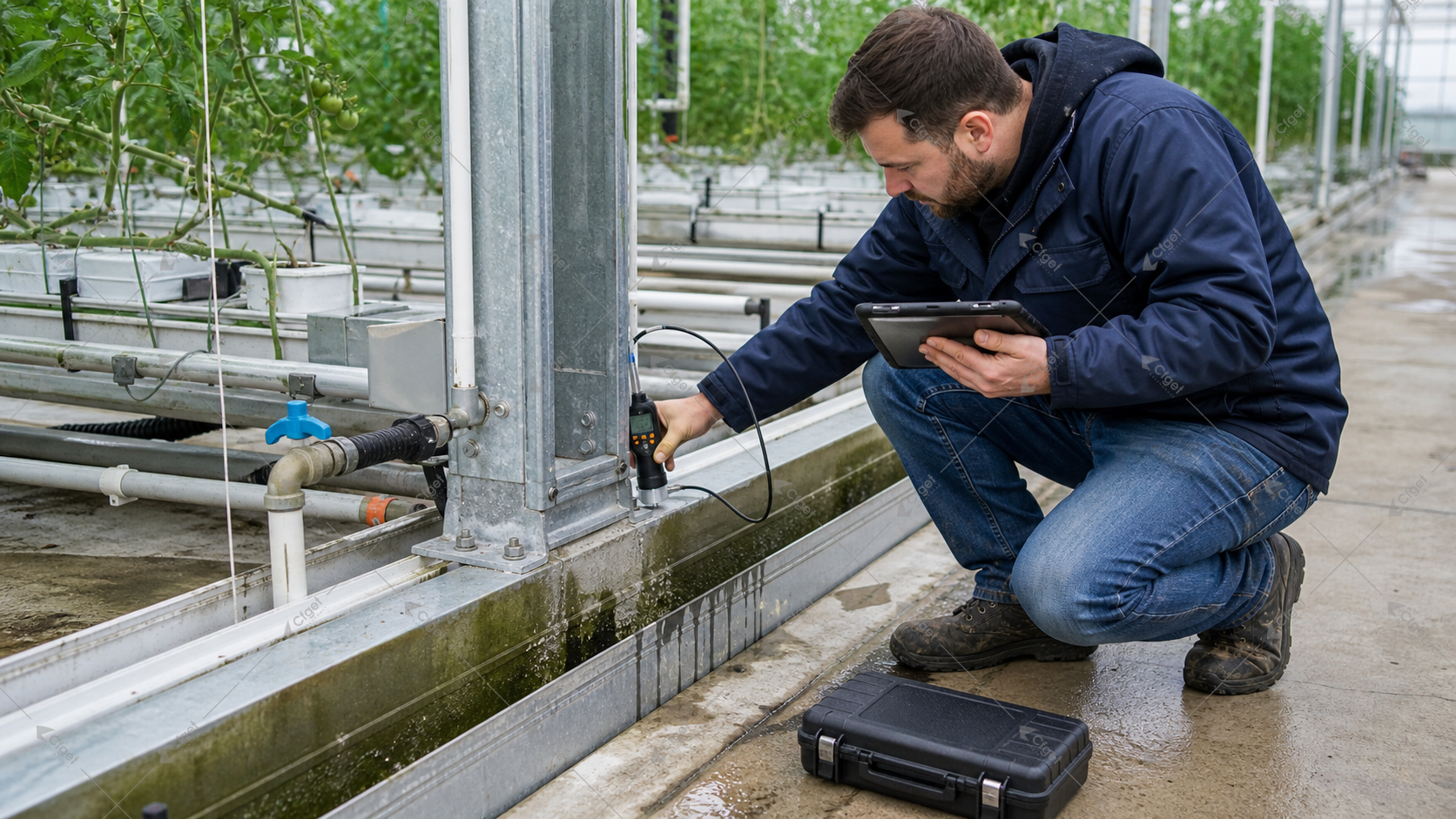
Commissioning should verify vent travel, fan rotation and pressure, heating stages, irrigation uniformity, drain collection, sensor calibration, alarms, backup power and control recovery. Test agreed weather and failure scenarios. A passed device start-up does not prove that all systems coordinate at the crop zone.
Request drawings, equipment schedules, setpoint ranges, software backups, spare parts, manuals and operator training. Record acceptance criteria and open items. These documents give the grower a controlled starting point and make later troubleshooting possible.
RFQ inputs for a North American cucumber greenhouse
- Coordinates, elevation, site survey, soil, drainage, road access and expansion area.
- Hourly weather file plus local wind, snow, seismic and permitting criteria.
- Production months, cultivar type, training system, crop-wire height and row plan.
- Crop-zone temperature, humidity, light and extreme-event boundaries.
- Water analysis, source capacity, storage, treatment, drain and discharge plan.
- Electrical service, fuel, utility tariffs, network and backup-power limits.
- Covering, vents, screens, shade, cooling, heating and circulation requirements.
- Fertigation, filtration, dosing, disinfection, sanitation and sampling points.
- Packing, hygiene, storage, waste, staff and maintenance-space requirements.
- Installation scope, commissioning tests, spares, training and service boundary.
Related CFGET resources
Use the greenhouse installation guide to assign project stages, the climate-control scope to define system interfaces, and the irrigation and fertigation scope to prepare the water brief. The pest-barrier overview helps place screening and hygiene questions in the RFQ.
Technical references
- Alabama Cooperative Extension: Greenhouse Cucumber Production
- UF/IFAS Extension: Greenhouse Cucumber Production
- Environment and Climate Change Canada: historical climate data
Send CFGET the site, weather, crop-wire plan, utilities, water analysis and responsibility matrix. A comparable proposal should show the calculation basis, included equipment, interfaces, exclusions and acceptance tests.