A commercial tomato greenhouse in Almería should be specified from the site, production season, crop system, water analysis, ventilation duty, pest plan, labor flow, and buyer quality requirements. A supplier cannot responsibly promise a yield, Brix value, or marketable rate from the structure alone. The useful deliverable is a design basis and RFQ that lets several bidders price the same operating problem.
Almería has a large protected agriculture sector, but the regional label does not create one standard greenhouse. Existing parral houses, multi-tunnel projects, soil crops, substrate systems, autumn to spring production, and more controlled year-round facilities need different structures and services. The first decision is the production brief, not a universal claim that one roof shape is best.
Start with the Almería site and production season
Record the exact location, elevation, exposure, surrounding buildings, access roads, drainage routes, available water, electrical service, and any existing greenhouse blocks. Add the intended transplant and harvest dates, tomato type, crop height, support load, growing medium, labor plan, packhouse route, and future expansion. These inputs determine what the greenhouse must do and what the owner will provide.
NASA Earth Observatory documents the scale and landscape context of protected agriculture around Almería. That regional observation is useful background, but it is not a design load or crop recipe. Project-specific weather records, local structural requirements, current water information, and the buyer’s sales program still control the specification.
| Brief item | Buyer input | Required design output |
|---|---|---|
| Site | Map pin, plot limits, elevation, exposure, drainage and access | Layout, orientation basis, finished levels, service and emergency routes |
| Production | Tomato type, crop cycle, growing method, target market and pack format | Bay layout, clear height, crop support, zones and handling flow |
| Climate | Weather file, intended season, acceptable risk and existing observations | Ventilation, shade, screen, circulation, heating or cooling design duties |
| Utilities | Water test, daily supply, storage, power, outage history and drainage | Treatment, pumps, tanks, connected load, backup and discharge plan |
Compare structure options against the operating brief
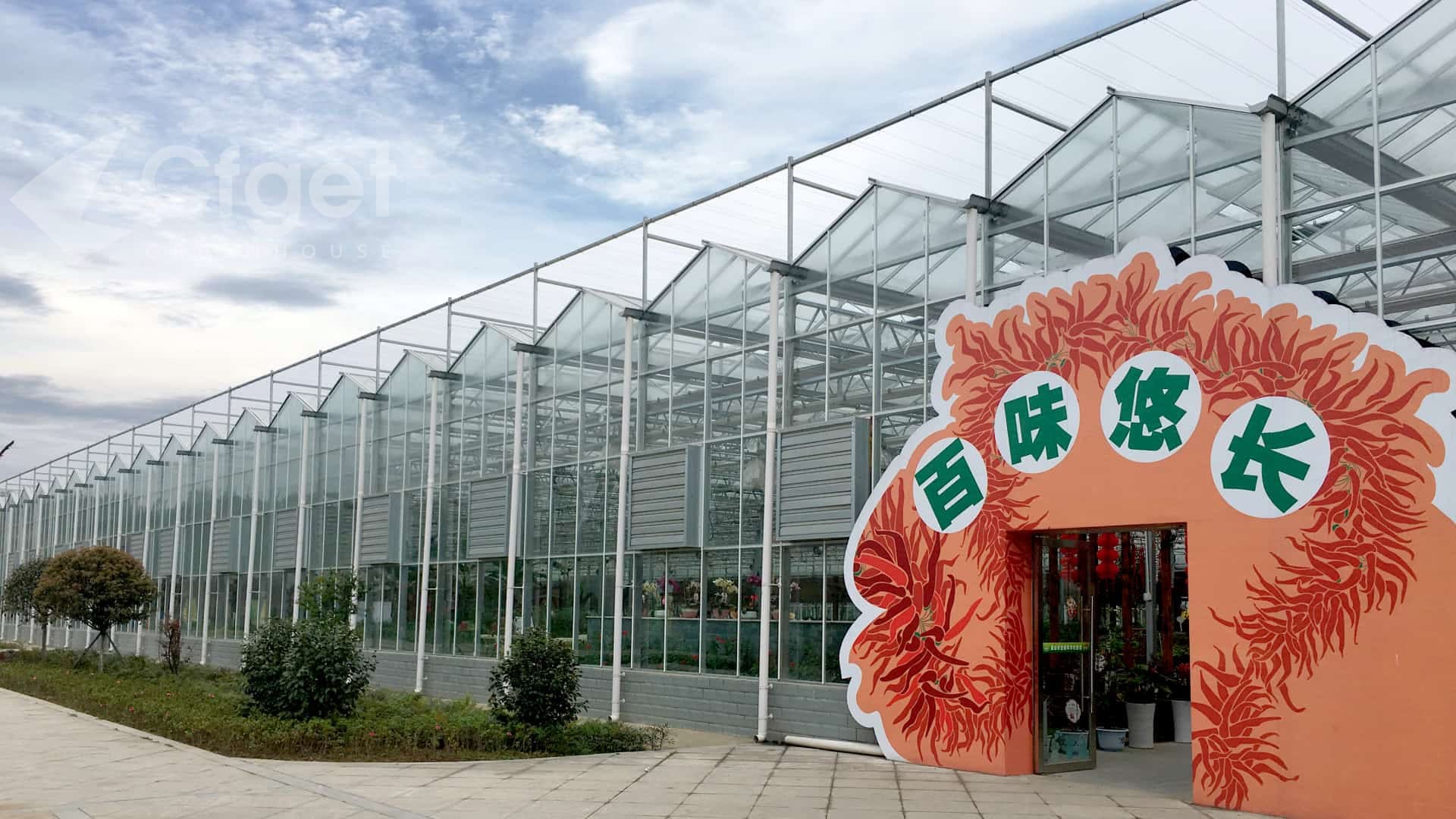
Structure selection must account for local loads, greenhouse width, gutter height, crop support, covering, vents, screens, equipment, maintenance access, and connection details. A low-cost house can be appropriate for a defined season. A more controlled structure may be justified when the market requires a longer window or tighter environmental control. Neither route is automatically more profitable.
A published Universidad Politécnica de Madrid design project for a tomato greenhouse in Campohermoso records site, area, production cycle, irrigation, fertigation, water storage, and power as connected decisions. It is a useful example of the level of documentation buyers should request. Its dimensions and crop plan must not be copied into another site without a new design.
| Decision | Questions for the supplier | Evidence before award |
|---|---|---|
| Frame and foundation | Which loads, codes, soil assumptions and corrosion conditions were used? | Design basis, member schedule, connection details and foundation responsibility |
| Covering | Which film or panel grade, optical properties, fixing system and warranty apply? | Current product data, fastening detail, replacement method and exclusions |
| Ventilation | How were vent area, insect net resistance, wind condition and crop resistance handled? | Opening schedule, actuator duty, airflow analysis and fail position |
| Screens and shade | What crop and seasonal assumptions set the screen duty? | Material data, layout, drive sequence, loads and maintenance access |
Do not accept a drawing that lists vents without showing their clear opening or controls. Insect net, dense tomato canopies, screens, and adjacent blocks can change air movement. The quotation should state how these resistances were treated. If the project relies on natural ventilation, the design also needs a low-wind operating plan.
Specify climate measurements before choosing equipment
Air temperature and relative humidity are not enough to describe the crop environment. Add measurements that help the operator understand canopy conditions and water demand. Michigan State University Extension explains vapor pressure deficit as a relationship between temperature, humidity, and plant water loss. The article is a management reference, not a fixed setpoint for every tomato crop.
Sensor location matters. Record representative crop zones, hotter edges, shaded areas, irrigation blocks, vent influence, and any screen compartments. Ask how sensors are shielded, calibrated, compared, and replaced. One convenient sensor beside a service aisle can miss the conditions at the crop top or a distant bay.
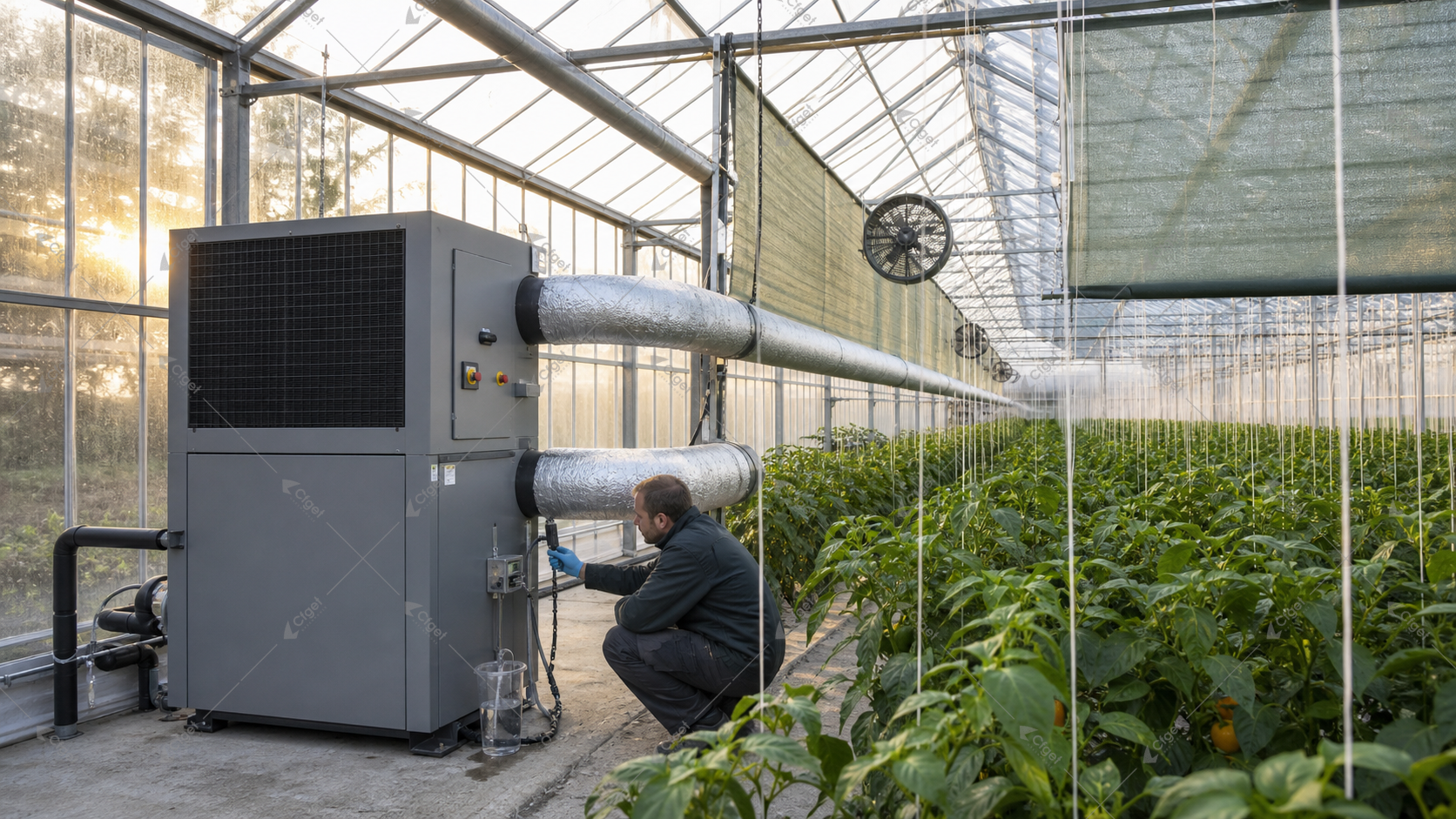
If fan and pad cooling is proposed, require a water-quality basis, pad dimensions, fan curves, inlet and outlet layout, control sequence, drainage, bleed strategy, and seasonal limits. University of Florida IFAS guidance describes the principles and operating checks for evaporative cooling. Actual performance depends on outside air conditions and the complete installed system.
Write the fail states into the controls description
The sequence should say what happens during high wind, rain, a power failure, a failed sensor, a stuck vent, an empty water tank, a pump fault, and loss of communications. Alarms need destinations, delays, priorities, and acknowledgement records. Manual operation should be possible without defeating safety interlocks.
Turn fertigation into a verifiable system scope
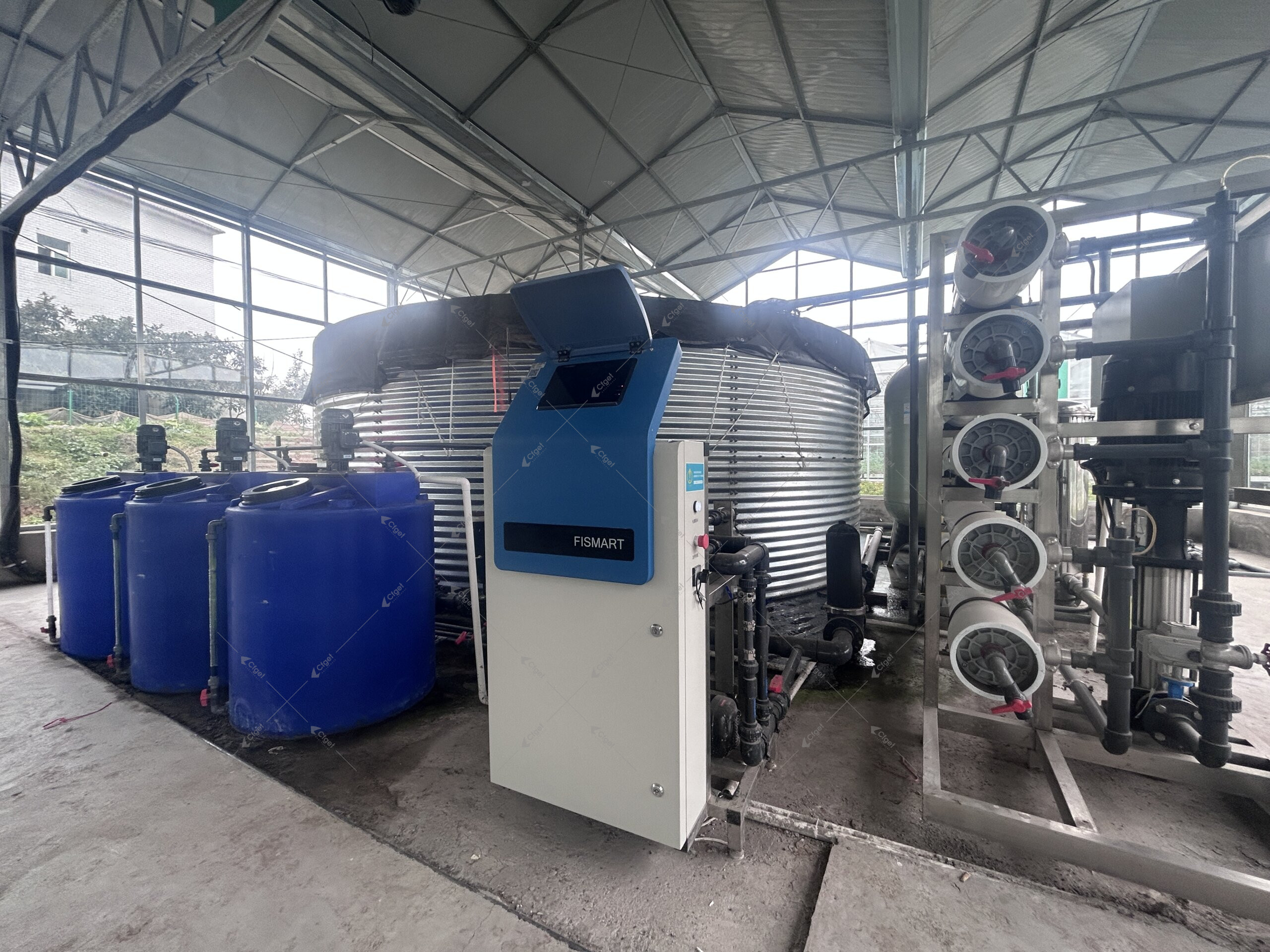
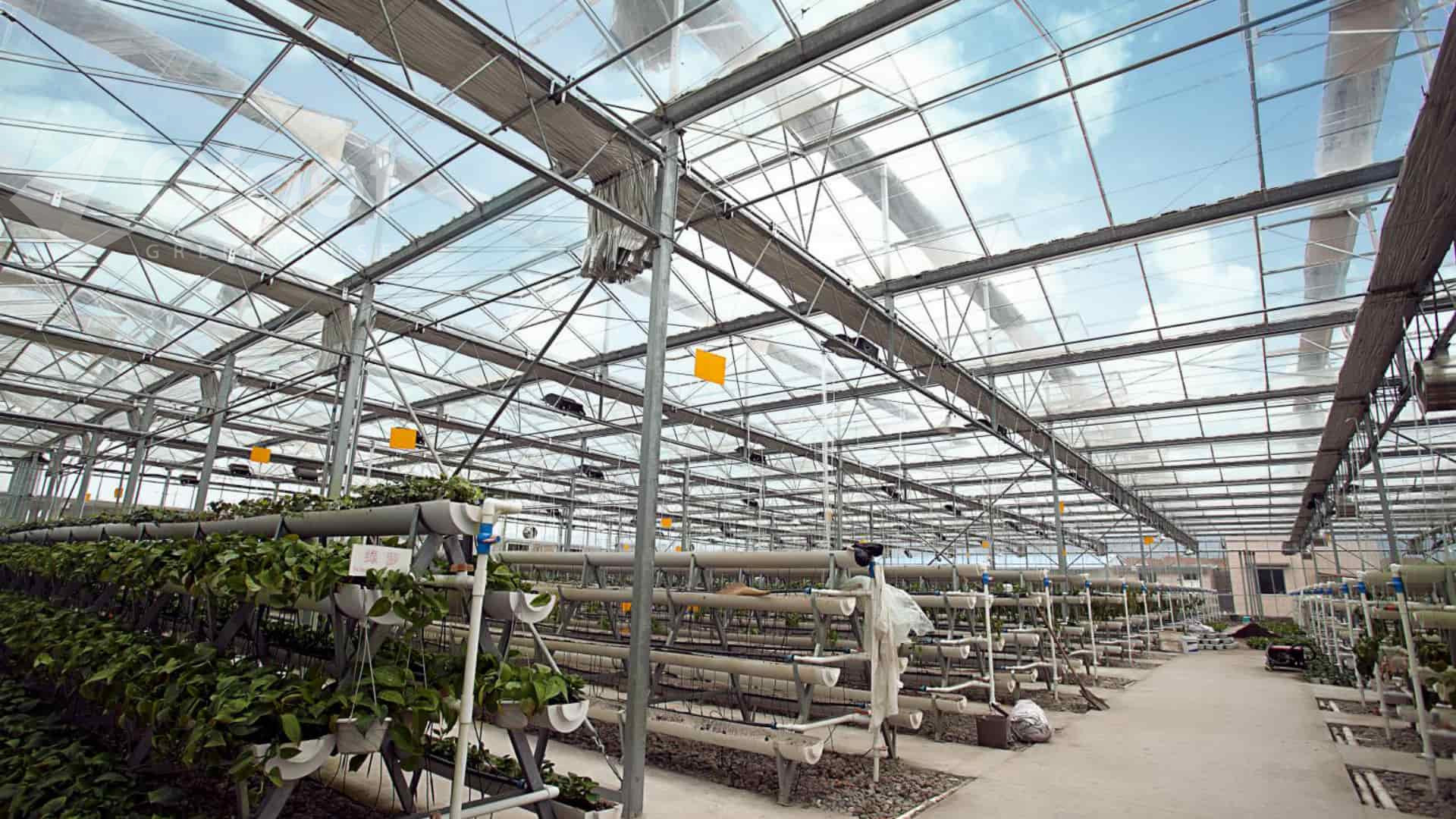
Begin with a current laboratory analysis of the source water and the required peak daily volume. Define storage, treatment, filtration, dosing channels, mixing, zone flow, pressure, measurement, drainage, sanitation, and backup. The supplier should provide pump duties and instrument ranges, not only equipment model names.
Separate the greenhouse equipment responsibility from the crop consultant’s recipe. Mississippi State University Extension provides greenhouse tomato pH guidance, but a project must adapt management to the water source, substrate, cultivar, climate, fertilizers, and monitoring plan. No supplier should turn one extension value into a guaranteed result.
| System | RFQ input | Commissioning evidence |
|---|---|---|
| Water treatment | Laboratory report, source variability, required flow and recovery | Water quality after treatment, flows, pressures, alarms and consumables |
| Fertigation | Stock tanks, dosing channels, zone demand and control boundary | Dosing response, mixing check, calibration and batch records |
| Irrigation zones | Hydraulic lengths, emitters, crop blocks and elevation | Pressure map, distribution uniformity and drain observations |
| Drainage | Collection route, reuse decision, sanitation and discharge rules | Flow test, separation, cleaning access and disposal responsibility |
The irrigation and fertilization overview shows the equipment families. The smart control page covers controller integration. Use the commercial greenhouse overview to compare structure families, while this article keeps ownership of the Almería tomato project brief.
Commission the greenhouse before crop risk rises
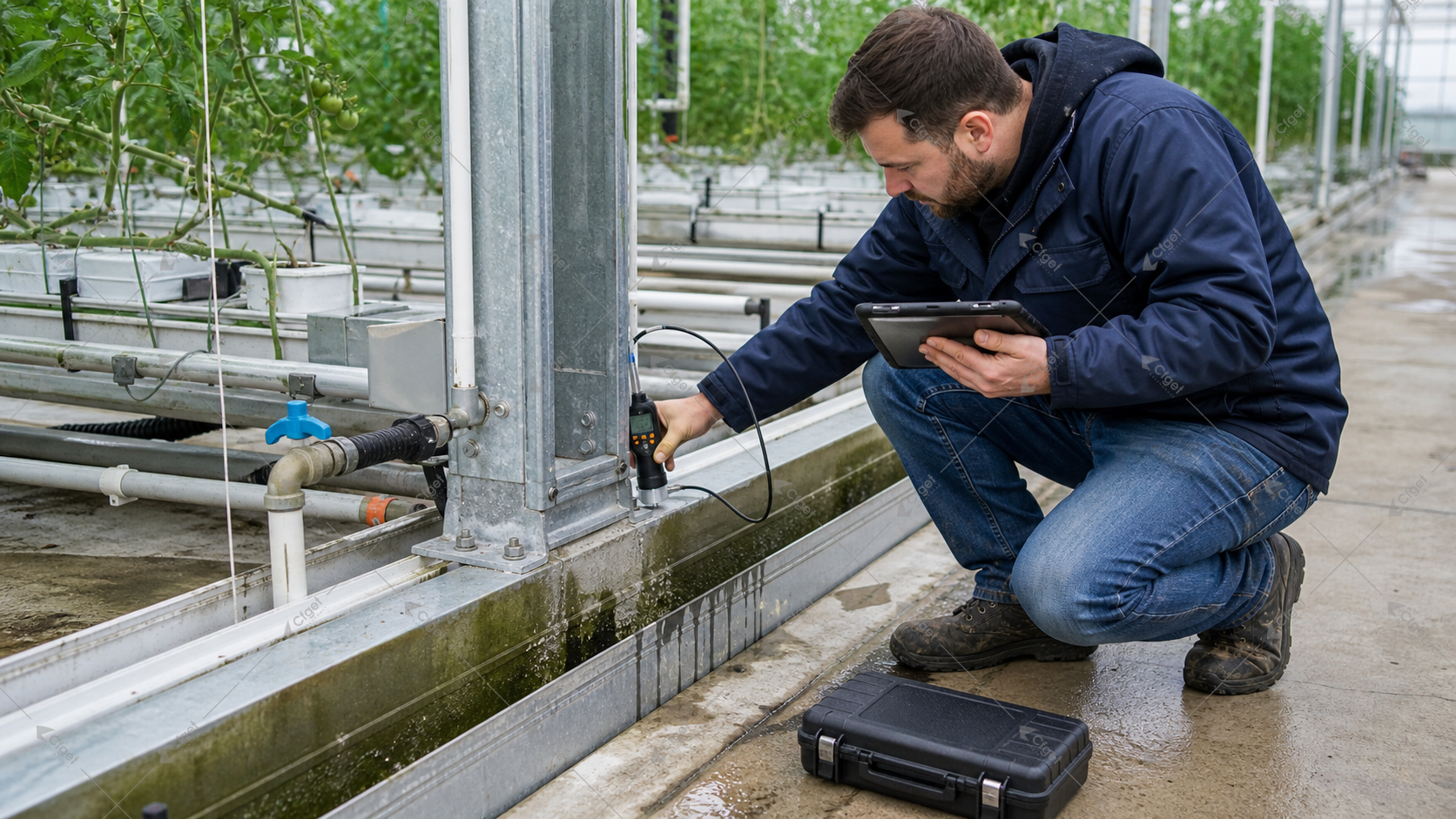
Handover should include structural records, covering inspection, vent travel tests, fan rotation, screen limits, pump curves, filter pressure, irrigation distribution, sensor calibration, alarm tests, control sequences, electrical checks, manuals, spares, and operator training. Agree the acceptance criteria before the equipment is shipped.
Record open items and retest dates. A system that starts once is not necessarily commissioned. The operator needs trend screens, alarm history, maintenance intervals, backup procedures, and a clear route for reporting defects. Crop outcomes should be measured by the grower, not promised in the construction contract.
RFQ inputs for an Almería tomato greenhouse
- Company, project location, plot plan, elevation, access and surrounding obstructions
- Tomato type, market channel, crop cycle, growing medium and crop-support load
- Required growing area, bay layout, service rooms, pack flow and expansion plan
- Weather source, production season, wind exposure, drainage and acceptable downtime
- Water analysis, daily availability, treatment, storage, drainage and reuse decision
- Power, voltage, outage history, backup, connected load and energy constraints
- Covering, vents, insect net, screens, circulation, heating and cooling requirements
- Irrigation, fertigation, sensors, controls, alarms, network and data requirements
- Owner work, supplier work, local installation, permits, delivery term and schedule
- Drawings, calculations, product data, tests, training, spares and warranty response
Technical references
- NASA Earth Observatory: Almería’s Sea of Greenhouses
- Novagric: hydroponic tomato greenhouse project in Almería
- Michigan State University Extension: vapor pressure deficit in greenhouses
- University of Florida IFAS: fan and pad greenhouse cooling
Send the completed project brief through the CFGET contact page. Request a design-basis sheet and responsibility matrix beside every quotation.