Diffuse greenhouse glass scatters part of the incoming direct sunlight so more light can reach leaves deeper in the crop. That can help some crops, but it is not an automatic yield upgrade. Transmission, haze, coating, crop density, screen use, roof design, cleaning, and replacement cost have to be judged together.
*By Coraline Liao, CEO, CFGET | Updated: July 16, 2026*
*Reviewed by CFGET Project Planning Team*
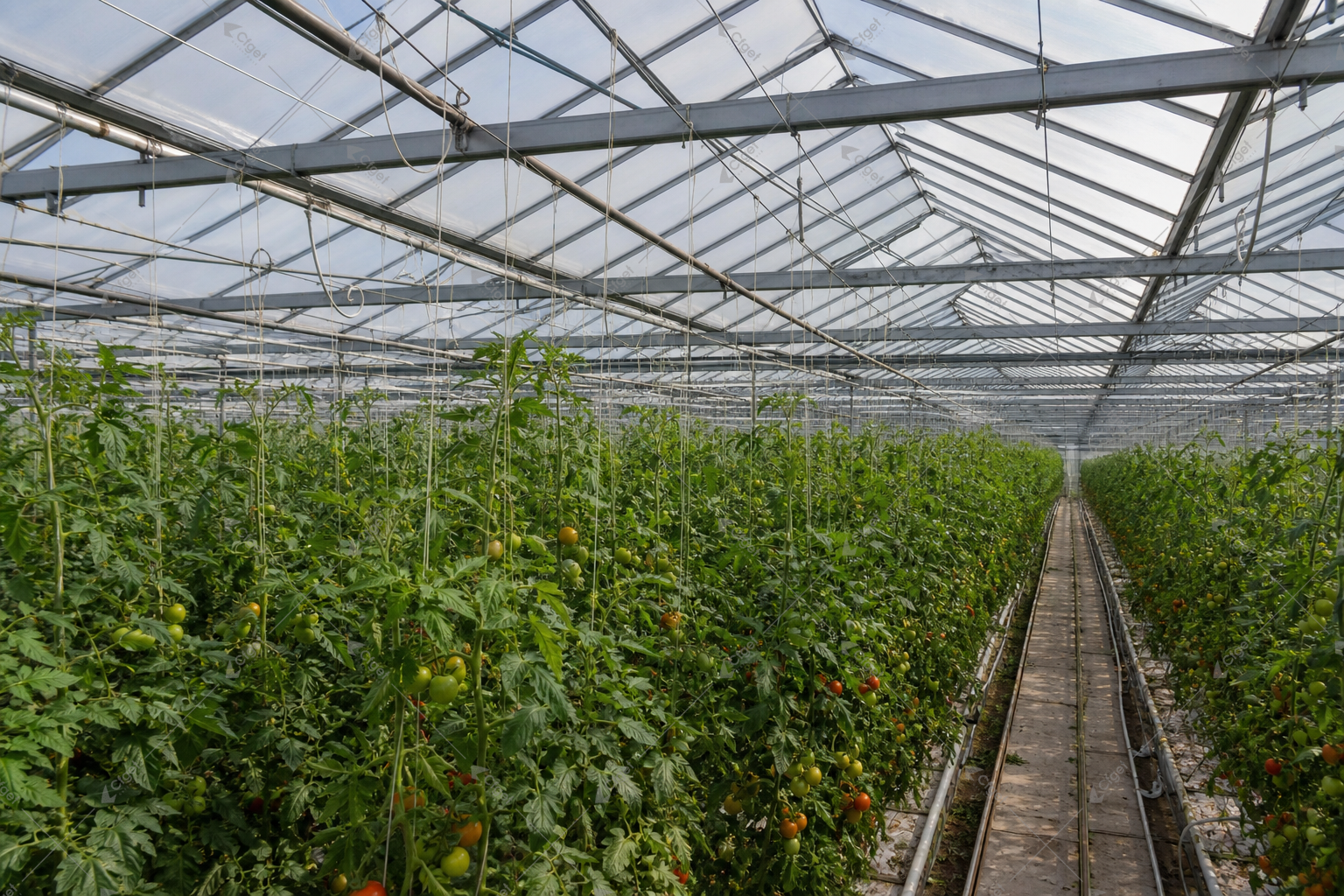
The sales version of this decision is easy: diffuse light reduces hard shadows, so the crop uses sunlight better. The engineering version is less comfortable. A glass sample can have useful diffusion and still be the wrong choice once transmission loss, crop architecture, screens, cleaning, structure, and replacement are included.
Start with two numbers: transmission and haze
Haze describes how much transmitted light is scattered. Hemispherical light transmission describes how much light passes through the glass from many incoming angles. Buyers need both values.
A high haze number is not automatically better. Some products gain diffusion while losing transmission. Anti-reflection coatings can change that trade-off, but the coating specification, measured transmission, warranty, and cleaning limits must be part of the offer.
| Value to request | Why a single brochure word is not enough |
| Hemispherical light transmission | This is closer to the light received under changing solar angles than one normal-incidence value. Ask whether the figure is for new glass and what test method was used. |
| Haze or diffusion factor | The number indicates scattering, but it should be read beside transmission. Ask how the supplier defines and tests it. |
| Anti-reflection coating | Confirm whether coating is on one or both surfaces, how it affects transmission, and which cleaning chemicals or brushes are allowed. |
| Pane identity | Thickness, dimensions, tempering, edge treatment, and batch traceability affect handling, structure, and replacement. |
If a quotation says only “high diffuse glass,” I would stop there and ask for the test sheet.
The crop canopy decides whether diffusion is useful
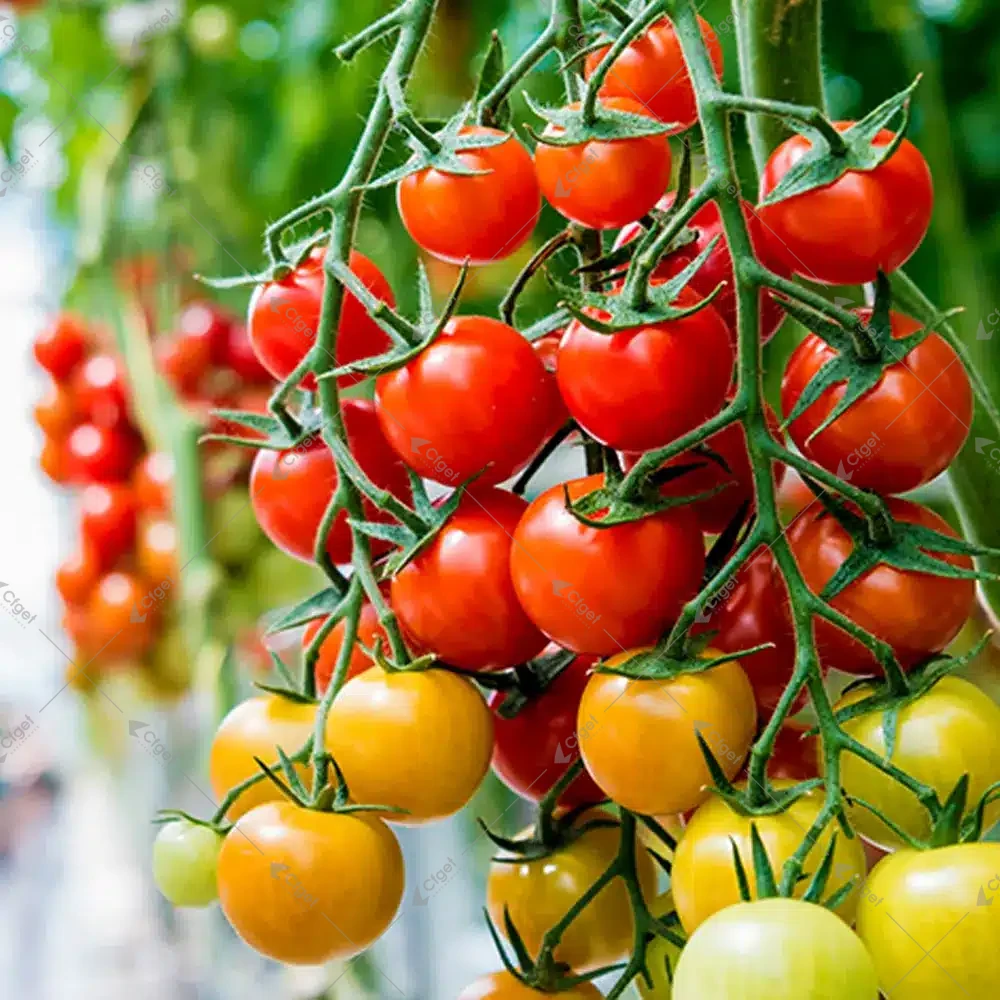
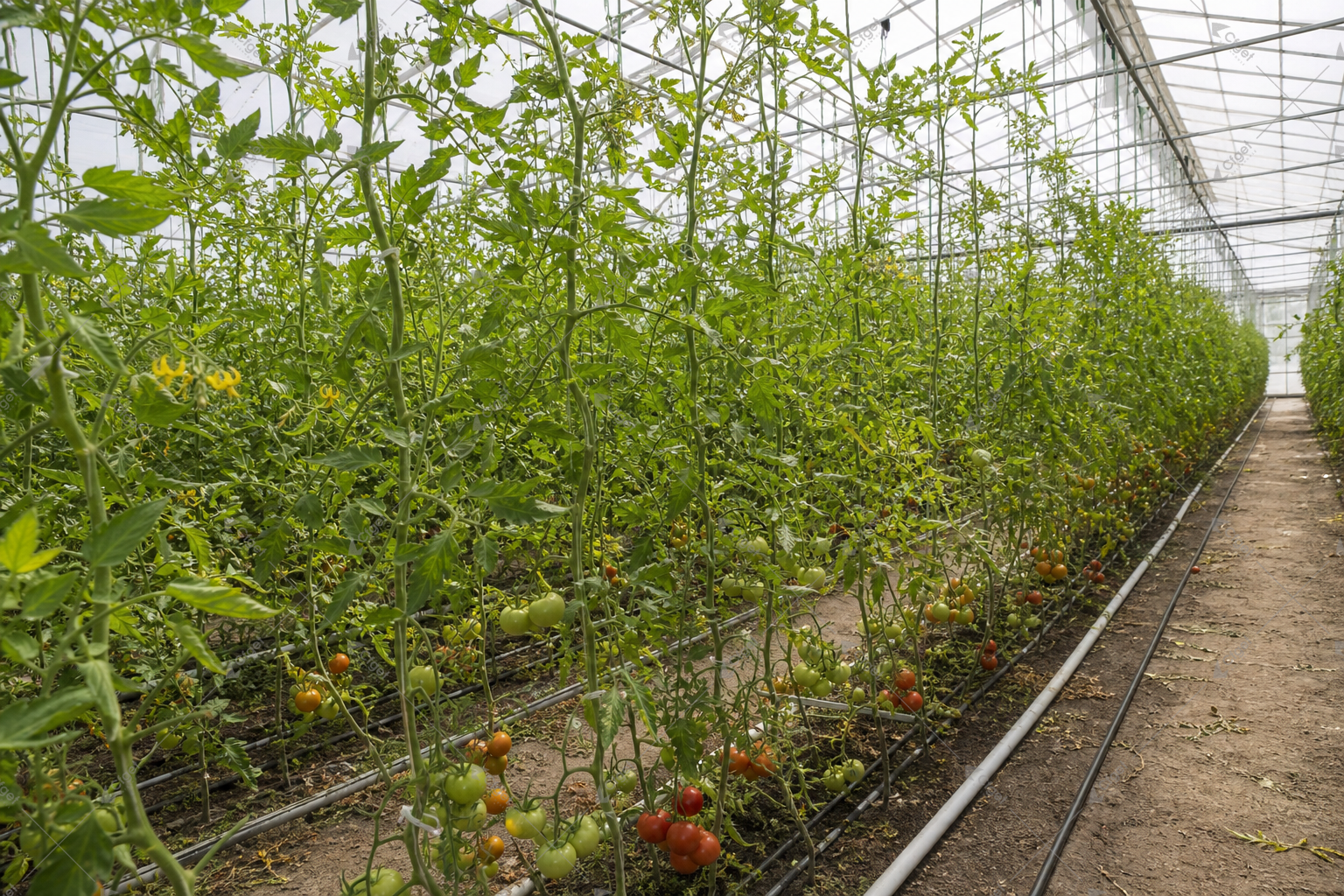
The best evidence is crop-specific. A 2020 study of low-haze diffuse glass with a double anti-reflection coating found a significant tomato production increase of 7.5 percent during the second half of the season, but only at the lower stem density tested. The same study found no significant production increase for bell pepper. The authors tied the result to crop type, canopy density, row position, and screen use.
That is exactly why a supplier should not turn one tomato result into a universal yield promise.
For an actual project, I would ask:
- Is the crop tall and dense enough for lower-canopy light distribution to matter?
- Will a thermal or shade screen already alter the light before it reaches the crop?
- Does the site have enough direct solar radiation for diffusion to offer a useful change?
- Will stem density, pruning, row orientation, or variety change after the glass is ordered?
These are grower and agronomist questions as much as greenhouse questions.
A roof section can erase a good glass specification
Optical values belong to the pane. Greenhouse performance belongs to the installed roof.
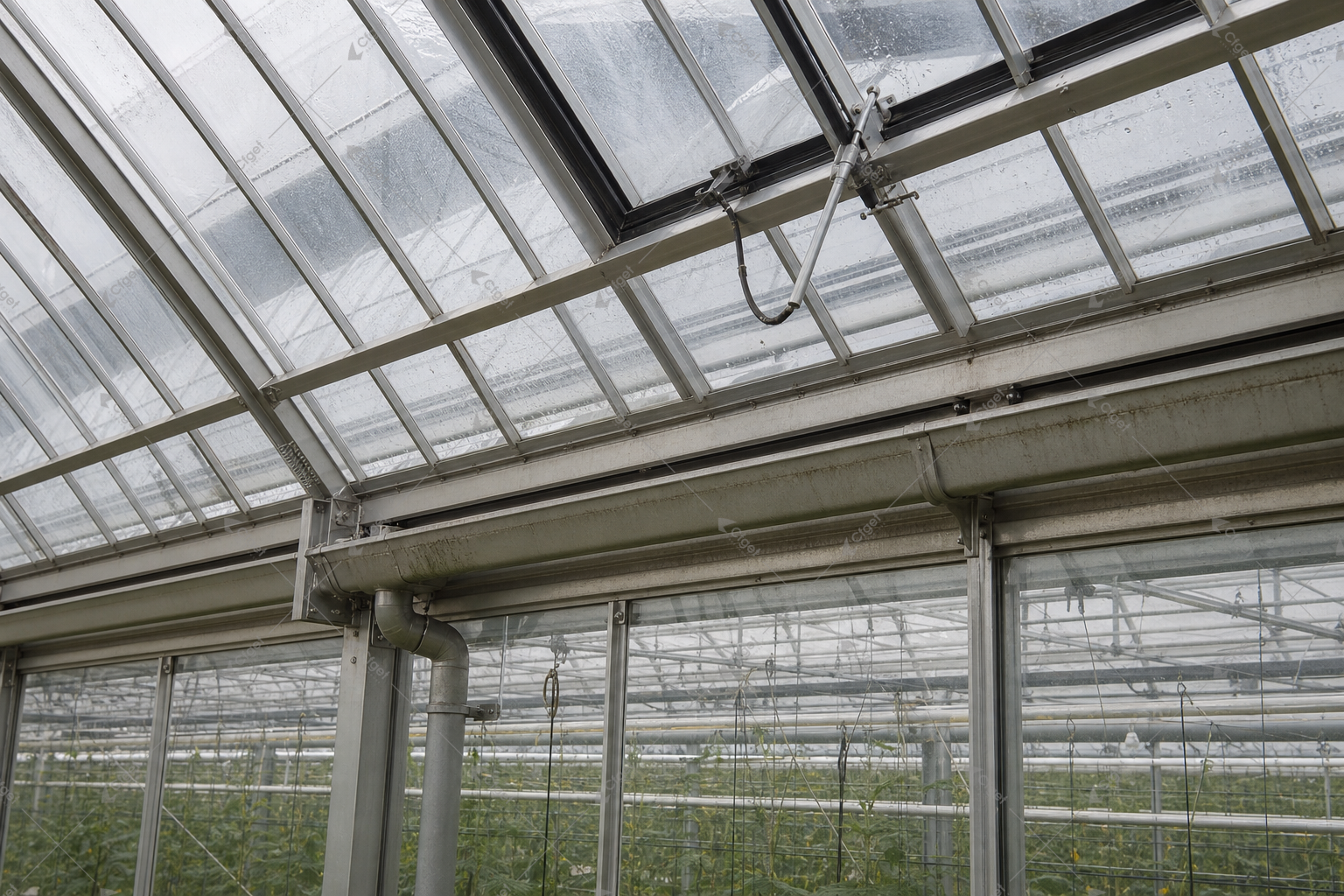
One roof-to-gutter drawing should show the pane size, glazing bars, gaskets, supports, vent edges, gutter, condensation route, thermal movement, and access for replacing one damaged pane. The structural calculation should include glass dead load and local wind and snow loads.
This detail also affects light. Wide members, dirt traps, condensation drops, screens, and poorly arranged equipment can reduce the benefit of an expensive covering. I would rather review one complete installed section than ten pages of general glass claims.
Cleaning and replacement belong in the purchase decision
The glass is not finished when it leaves the factory. Coating damage, mineral deposits, dust, algae at edges, and an unsafe replacement method all change life-cycle value.
Ask who supplies approved cleaning guidance and whether local water will leave deposits. Check which brushes, detergents, acids, or pressure settings can damage the coating. Then ask how a single roof pane can be isolated and replaced above a working crop.
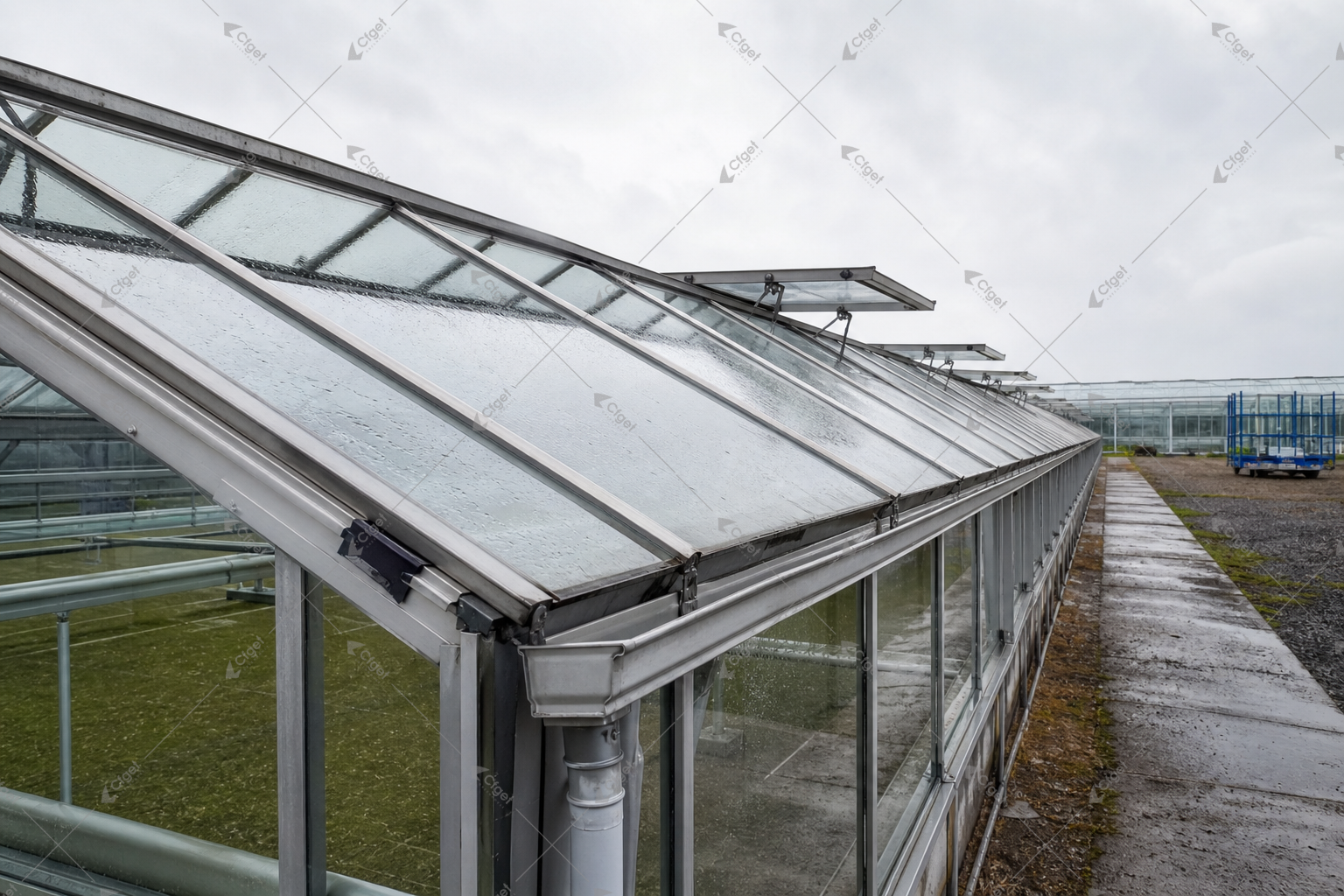
The replacement question is easy to postpone because it may be years away. It becomes urgent after hail, impact, seal failure, or a discontinued pane size. Spare panes, profiles, gaskets, lifting access, and a local safety method should be discussed before shipment.
Evidence pack: what the research does and does not prove
- The Effect of Low-Haze Diffuse Glass on Greenhouse Tomato and Bell Pepper Production and Light Distribution Properties reports different crop responses and shows why stem density and screen use matter.
- Influence of Diffuse Glass on the Growth and Production of Tomato examined several haze factors under Dutch conditions and reported deeper light penetration and higher tomato production in that experiment.
- Michigan State University Extension note on diffused glass is a useful neutral reference to keep beside supplier data.
- UConn commercial greenhouse design resource helps connect the covering decision to the rest of the structure and climate design.
The research supports testing diffuse glass against a defined crop and climate. It does not support a universal percentage gain, a guaranteed payback period, or copying a Dutch result into a site with different radiation, screens, labor, crop density, and maintenance.
The RFQ needs optical and installed-roof values
| Request this item | The answer should include |
| Glass data sheet | Hemispherical transmission, haze, coating configuration, test methods, tolerances, pane thickness, dimensions, tempering, and edge treatment. |
| Roof section | Glazing bars, gaskets, supports, vent edge, gutter, condensation drainage, movement allowance, and fastener details. |
| Structural basis | Glass dead load, pane size, local wind and snow assumptions, support spacing, and replacement load or access limits. |
| Care and warranty | Approved cleaning method, chemical restrictions, coating exclusions, breakage terms, spare quantity, packaging, and claim procedure. |
| Replacement plan | Future pane availability, profiles and gaskets, safe access, lifting method, crop protection, and who supervises the work. |
At CFGET, the useful early review is not “glass or no glass.” It is crop, radiation, target season, roof form, ventilation, screens, structural loads, cleaning water, installation method, and replacement access. A local grower or crop adviser should review the crop assumptions.
A decision I would be willing to sign off for review
Diffuse glass is easier to justify when the crop has a dense canopy, the site receives substantial direct sunlight, the selected product keeps strong transmission, the crop plan can use the redistributed light, and the roof can be cleaned and repaired safely.
I would be cautious when the recommendation relies on a yield percentage copied from another crop, when screens already dominate the light environment, or when nobody can show a roof section and replacement method. In those cases, the price premium is being justified by a material name rather than a project.
About Coraline and CFGET
Coraline Liao is CEO of CFGET. Her public LinkedIn profile describes her as a Greenhouse Technical Director with more than 15 years in the greenhouse industry, focused on customized climate-control and greenhouse solutions. Her public technical posts cover greenhouse structure, light conditions, hydroponics, and fertigation.
For a diffuse-glass decision, her role here is to connect the optical specification with the roof, screens, crop canopy, cleaning access, and replacement plan. Final crop strategy, local structural approval, permits, and economic return still need local professional review.
Email: [email protected]
Company background: About CFGET
Company profile: CFGET GreenWay on LinkedIn
Related greenhouse pages
- Venlo Glass Greenhouses
- Greenhouse Climate Control
- Greenhouse Humidity Control
- Commercial Greenhouse Buying Guide
- Contact CFGET
CFGET video: glass greenhouse reference
This CFGET video gives a glass greenhouse reference to read beside span, load, ventilation, and crop value assumptions.