Skip to content
Select greenhouse substrate together with container geometry, crop duration, water quality, emitter layout, irrigation strategy, drainage target, and reuse plan. Compare air-filled porosity, available water, hydraulic behaviour, pH, EC, buffering, stability, consistency, sanitation, and disposal.
*By Coraline Liao, CEO, CFGET | Updated: September 14, 2026*
*Reviewed by CFGET Project Planning Team*
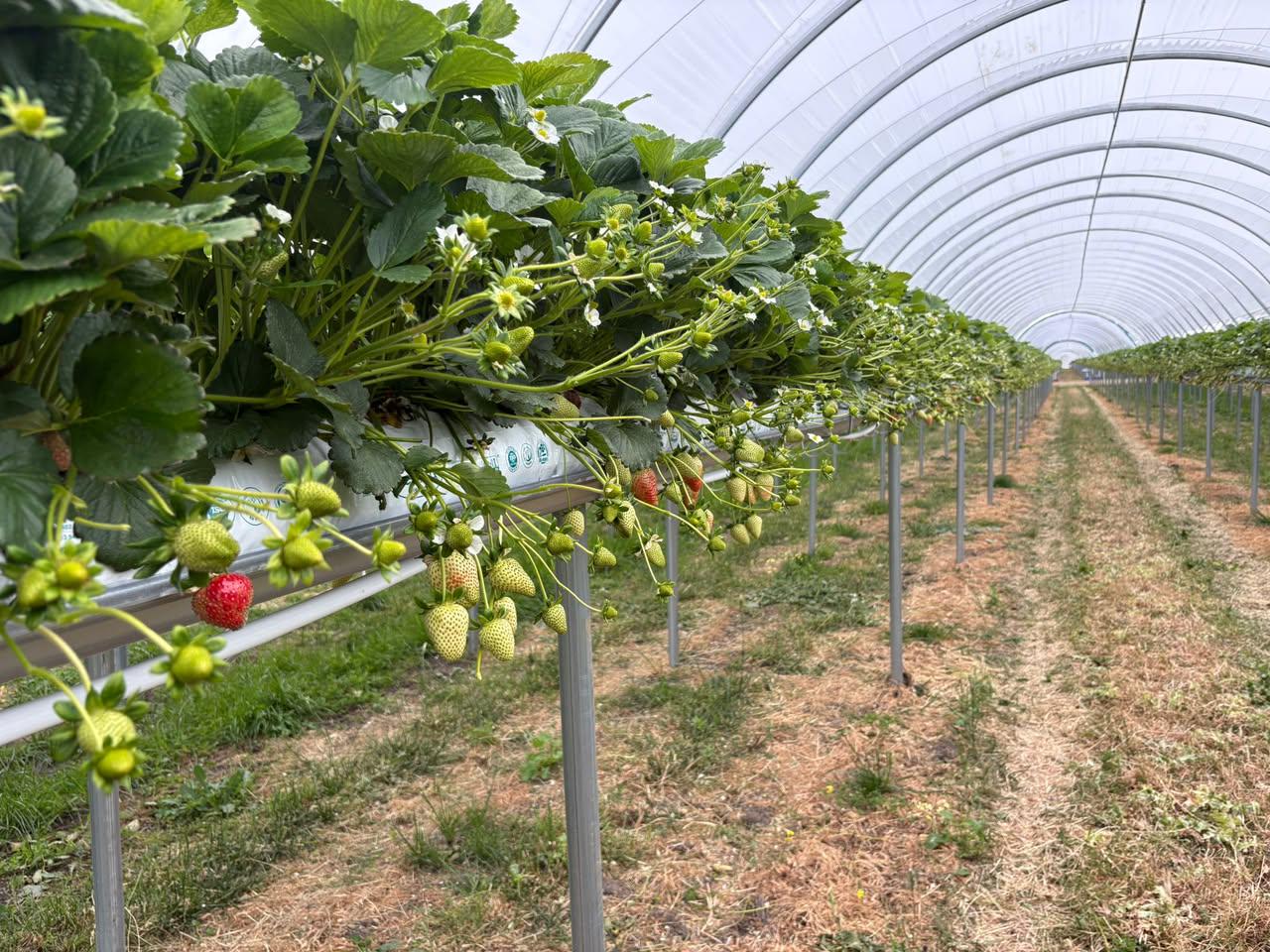
The substrate and irrigation programme form one root-zone system. A material that performs well in a tall container can behave differently in a shallow slab, and the same water-holding capacity can produce very different oxygen, EC, and steering when particle size or compaction changes.
Use this with our Commercial Greenhouse Buying Guide topic cluster. For a full project, keep it beside Commercial Greenhouse Solutions so the structure, systems, and crop plan do not drift apart.
Where should the decision start?
- Compare physical properties at the intended container height and packing density; container geometry changes the air-water balance.
- Use batch data for particle distribution, bulk density, pH, EC, water retention, air content, and stability rather than relying on material name.
- Design emitter number, pulse size, start and stop times, drain target, leaching, and monitoring around the chosen substrate and water alkalinity.
- Trial the complete root-zone system before large purchase, then set receiving tolerances, storage, hydration, filling, sampling, and corrective actions.
Key facts worth checking
| Root-zone input | What to establish | Evidence |
| Physical | Container-height air, water, density, distribution, and shrinkage | Batch method and trial measurements |
| Chemical | Initial pH and EC, buffering, salts, and water interaction | Representative analysis |
| Operation | Emitter layout, pulses, drainage, monitoring, crop duration, and reuse | Root-zone operating plan |
My project review method
I would compare substrates only inside the proposed container and irrigation programme, then test water and air behaviour, pH and EC response, supply variation, sanitation, operator skill, crop duration, and the recovery margin after an irrigation fault.
What I would inspect in the drawings
- I would ask how the sample was packed and measured because loose laboratory material may not represent a compressed slab or machine-filled pot.
- A forgiving substrate can buy the operator time after a missed irrigation; a very responsive substrate may offer steering but demand better sensors, hydraulics, and scheduling discipline.
- Supply consistency and local disposal can outweigh a small theoretical advantage when a multi-year project cannot obtain the same grade or manage spent material responsibly.
What the buyer needs to fix in writing
| Buyer question | What to decide before requesting a price | Why it protects the project |
| Design basis | Physical: Container-height air, water, density, distribution, and shrinkage | Batch method and trial measurements |
| Difficult operating case | Chemical: Initial pH and EC, buffering, salts, and water interaction | Representative analysis |
| Acceptance evidence | Operation: Emitter layout, pulses, drainage, monitoring, crop duration, and reuse | Root-zone operating plan |
Evidence pack
Use the following evidence to challenge the design basis. A checklist item is useful only when the supplier attaches a value, drawing, calculation, test, or named responsibility.
Climate and project assumptions to confirm
- Confirm the project-specific container: Slab or pot dimensions and filled density. State who verifies it and when.
- Confirm the project-specific water and crop: Analysis, crop duration, root volume, and steering goal. State who verifies it and when.
- Confirm the project-specific irrigation: Emitter layout, pulse range, and drain target. State who verifies it and when.
Sources worth checking
- Commercial Greenhouse and Nursery Production
- Production Systems – Substrate Systems
- Liming Requirements of Greenhouse Peat- based Substrates Amended with Pine Wood Chips as a Perlite Alternative
Neutral source to keep beside the quote
CFGET project planning note
CFGET’s review would begin by reconciling container-height air, water, density, distribution, and shrinkage with batch method and trial measurements, then marking every unresolved interface on the drawings and responsibility matrix.
Buyer risk signal
Pause the comparison when the material name is treated as the specification; the existing irrigation recipe is copied unchanged; or every delivered batch is accepted by appearance.
Ask the supplier for these exact specs
Require a completed response for Container, Water and crop, Irrigation, Acceptance, supported by the relevant drawings, calculations, settings, or test records. Do not accept “standard” or “as required” where a project value can be stated.
Project video: greenhouse irrigation and growing equipment
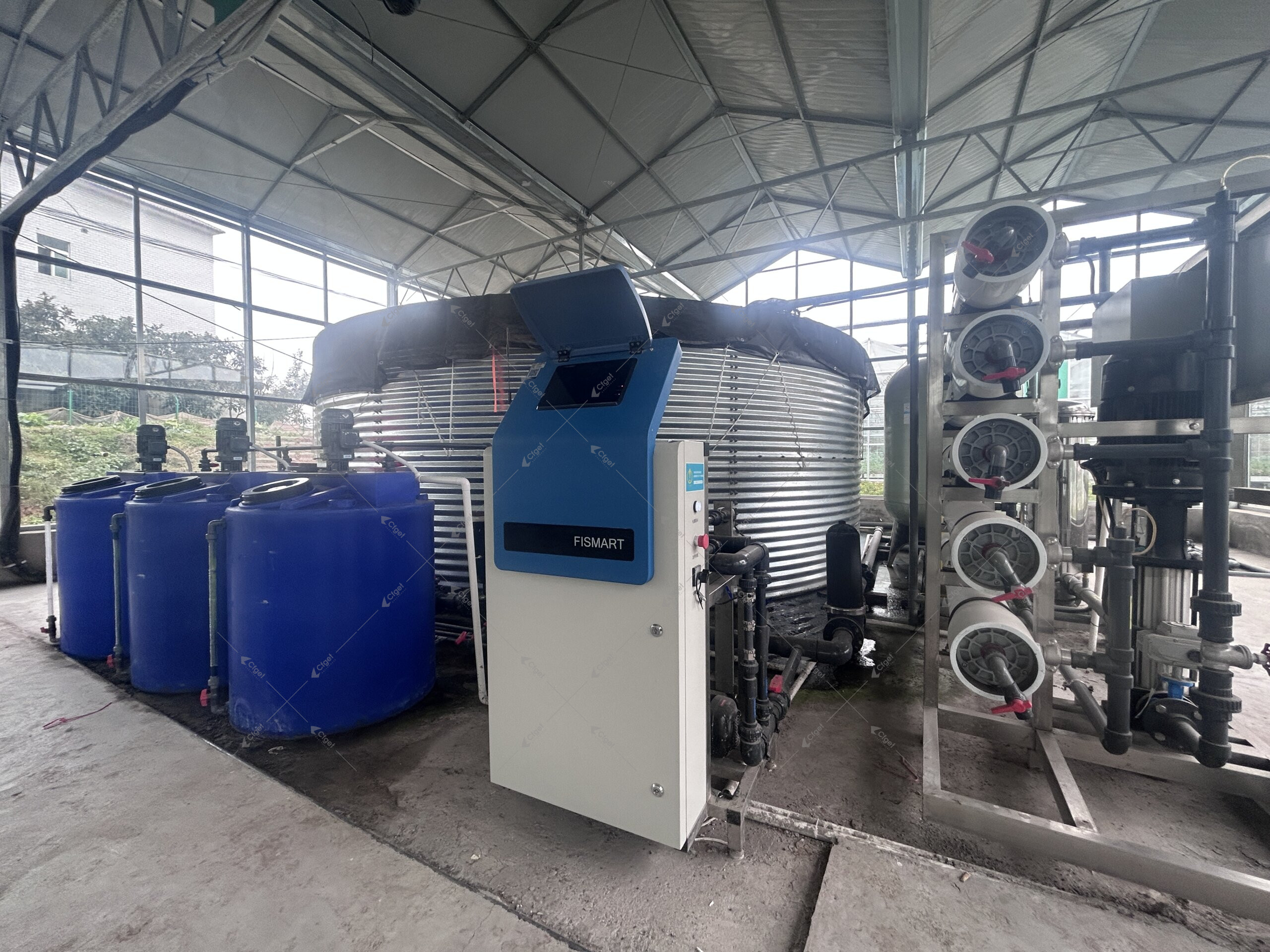
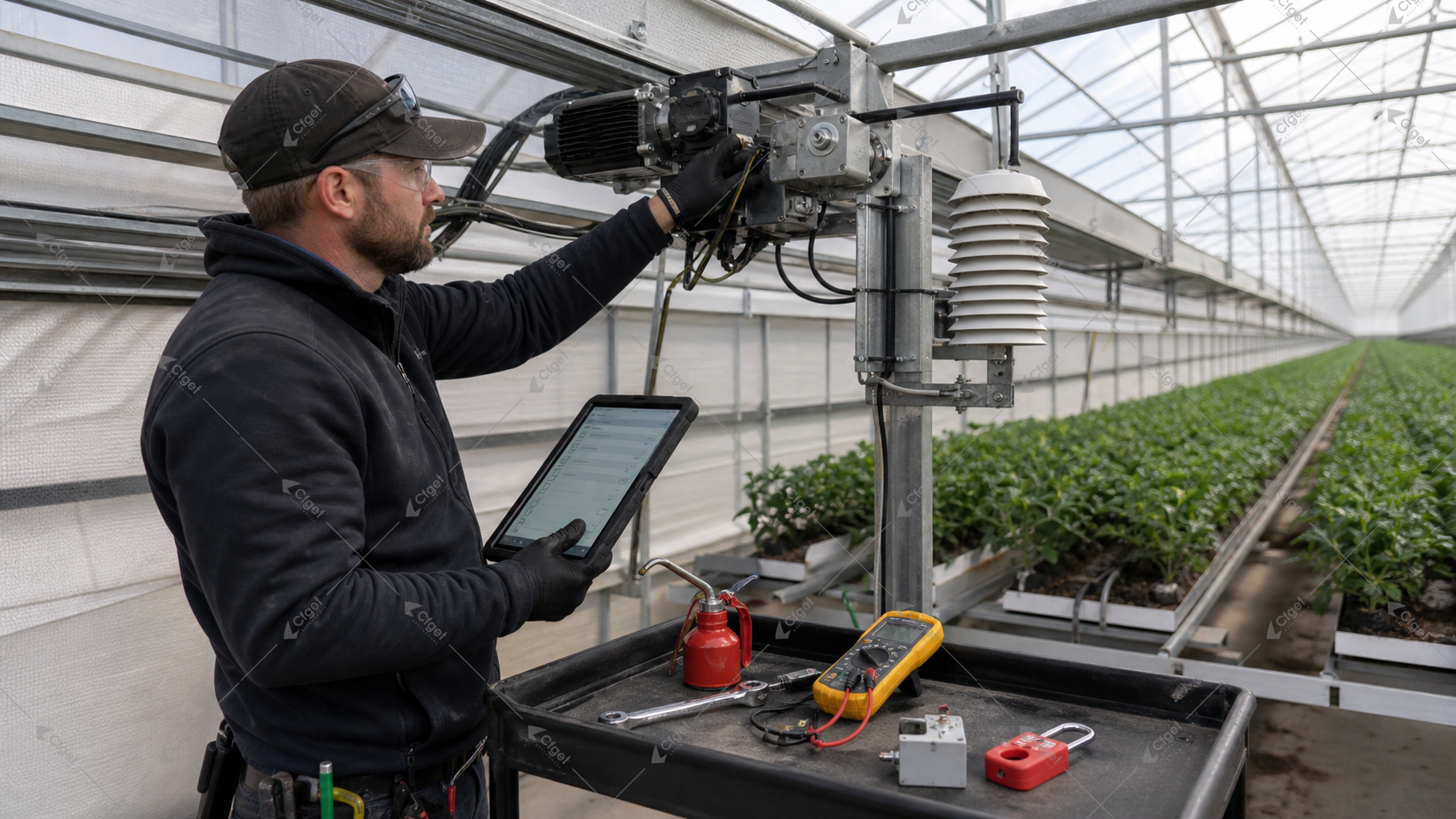
This field video shows greenhouse production equipment in use, which helps buyers connect the quote with daily operation.
Which substrate properties control water and root-zone oxygen?
Material names such as coco, peat, rockwool, perlite, bark, or a blend do not define performance. Grade, particle distribution, fiber content, compression, wetting method, aging, and container height determine how much water remains and how much air is available after drainage.
Request the measurement method and variability, not only an average. Useful properties include bulk density, total porosity, air content, water-retention curve or defined available-water fractions, shrinkage, rewetting, pH, EC, and relevant nutrient or salt content.
Technical reference for this decision: Greenhouse Substrates and Fertilization.
How should container shape, water quality, and irrigation change the choice?
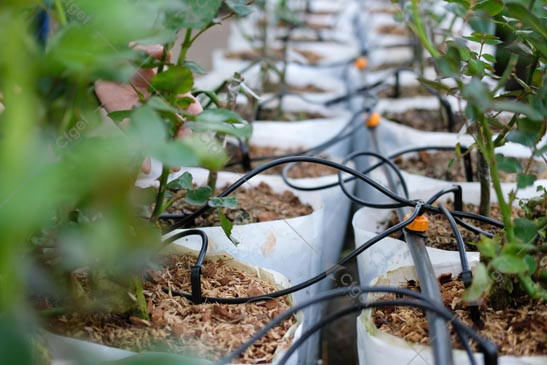
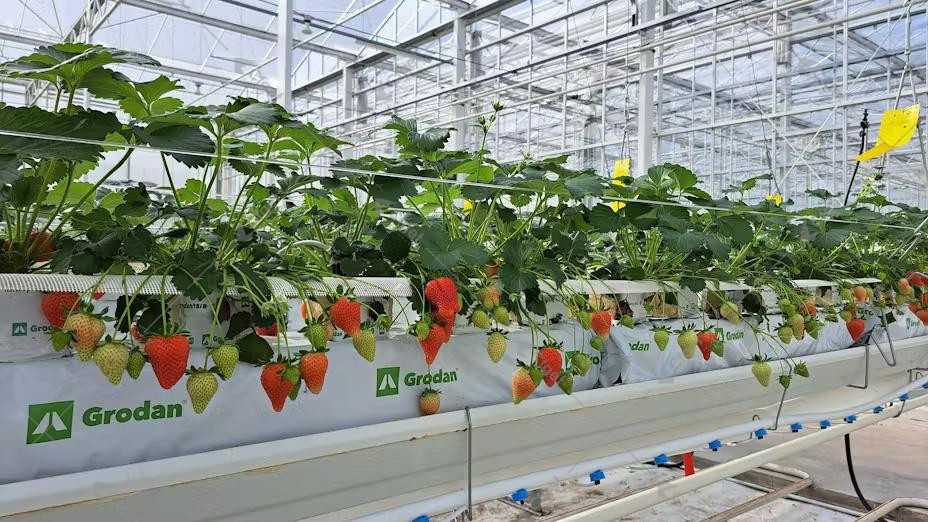
Container shape creates a perched-water profile, so a shallow bag and tall pot filled with the same substrate do not offer the same root-zone air. Match root volume, number and placement of emitters, drainage holes, support, and crop duration.
Water alkalinity, sodium, chloride, bicarbonate, calcium, magnesium, and treatment affect pH and salt strategy. Irrigation pulse volume and frequency should keep water and oxygen within the intended range while providing enough drain or leaching for the water and fertilizer programme.
Technical reference for this decision: Commercial Greenhouse and Nursery Production.
| Check | Good sign | Risk sign |
| Data | Methods, container height, and batch variation are stated | The material name is treated as the specification |
| System fit | Water, emitters, pulses, and drainage are designed together | The existing irrigation recipe is copied unchanged |
| Supply | Receiving limits and traceability are agreed | Every delivered batch is accepted by appearance |
What to request from a supplier
Ask for composition and grade, particle distribution, packing method, physical-property methods, pH and EC, buffering and salts, batch variation, container-height data, hydration and filling procedure, emitter and irrigation assumptions, drainage target, sanitation status, storage life, traceability, trial quantity, disposal or reuse route, and receiving limits.
What trial and receiving checks reduce substrate variation?
Run a crop-relevant trial with the intended container, water, emitter, drainage collection, and climate. Measure wet-up uniformity, weight or moisture response, drain timing, drain EC and pH, root distribution, channeling, shrinkage, and recovery after an irrigation delay.
At delivery, sample lots before mixing them into production. Define package weight or volume, moisture, physical and chemical tolerances, contamination, storage, hydration procedure, filling density, batch traceability, and the action when results fall outside limits.
Technical reference for this decision: Production Systems – Substrate Systems.
| RFQ field | Example | Why it matters |
| Container | Slab or pot dimensions and filled density | Sets the air-water profile |
| Water and crop | Analysis, crop duration, root volume, and steering goal | Sets chemical and hydraulic fit |
| Irrigation | Emitter layout, pulse range, and drain target | Makes the substrate operable |
| Acceptance | Batch physical and chemical tolerances | Controls delivery variation |
Practical next step
Prepare one page covering Container, Water and crop, Irrigation, Acceptance. Add the project city, crop, greenhouse area, available utilities, relevant drawings, and the party responsible for local work. Send that evidence to [email protected] for a first technical-scope review.
Before you use this recommendation
- Treat the article as a decision and RFQ guide, not a final engineering design.
- Replace every example with project-specific climate, crop, utility, code, and operating data.
- Require calculations, drawings, test records, or named assumptions for every important supplier claim.
Research and review method
This guide combines the current search evidence listed above with a greenhouse project planning checklist: define the failure case, trace the interfaces, identify measurements, and turn unresolved assumptions into RFQ fields. CFGET observations are labeled as project-review judgment; local engineering and operating data remain the final authority.
Coraline Liao is CEO of CFGET. Her public LinkedIn profile describes her as a Greenhouse Technical Director with more than 15 years in the greenhouse industry, focused on customized climate-control and greenhouse solutions. Her published technical topics include greenhouse structures, climate control, light management, hydroponics, and fertigation. Her article reviews begin with the crop, climate, site, project scope, installation boundaries, and operating constraints. Technical recommendations should be adapted to local climate data, crop plans, budgets, and professional engineering review before implementation.
Professional profile: Coraline Liao on LinkedIn
Company details
CFGET: Founded in 1996, CFGET designs, manufactures, and delivers greenhouse systems and smart farming solutions from its own factory in Sichuan, China.
Address: NO 108, South Area Chengdu Modern Industrial Park, Sichuan, China
Email: [email protected]
About the company: https://cfgreenway.com/about/
Company profile: GreenWay on LinkedIn
Technical videos: Greenhouse project channel on YouTube
Where this fits in the greenhouse buying cluster
Start with the hub, then open the system or crop pages that match your decision.