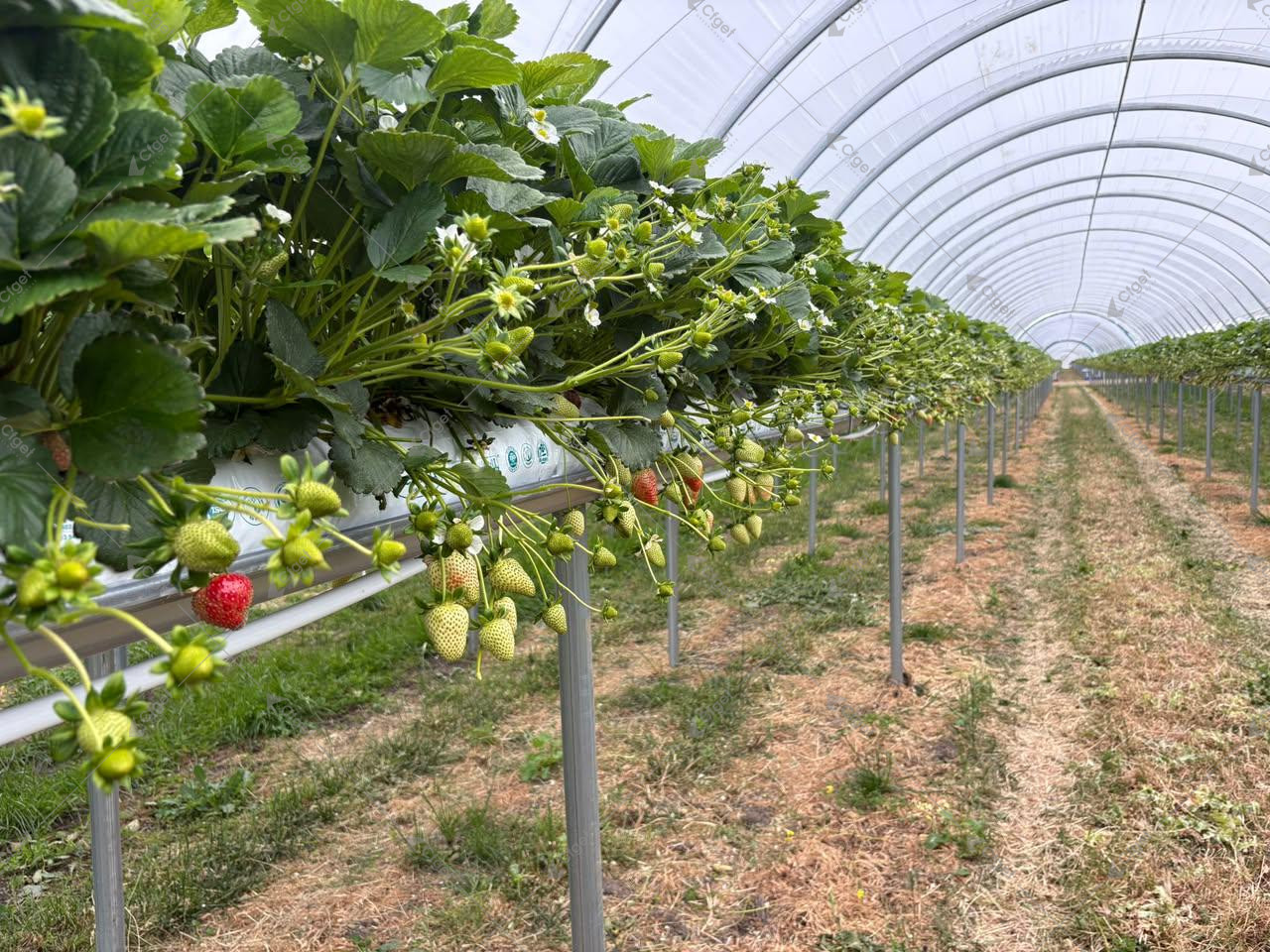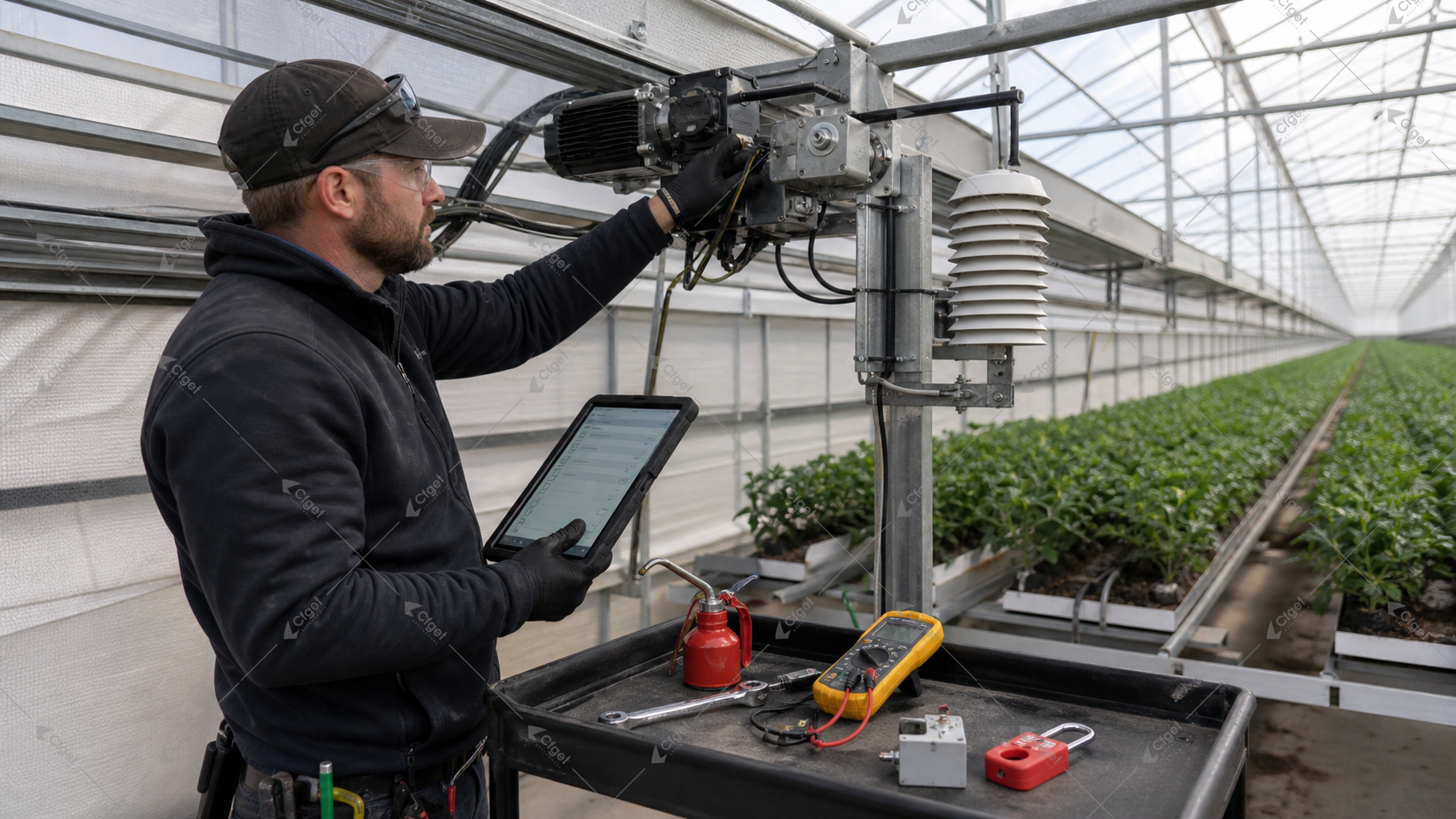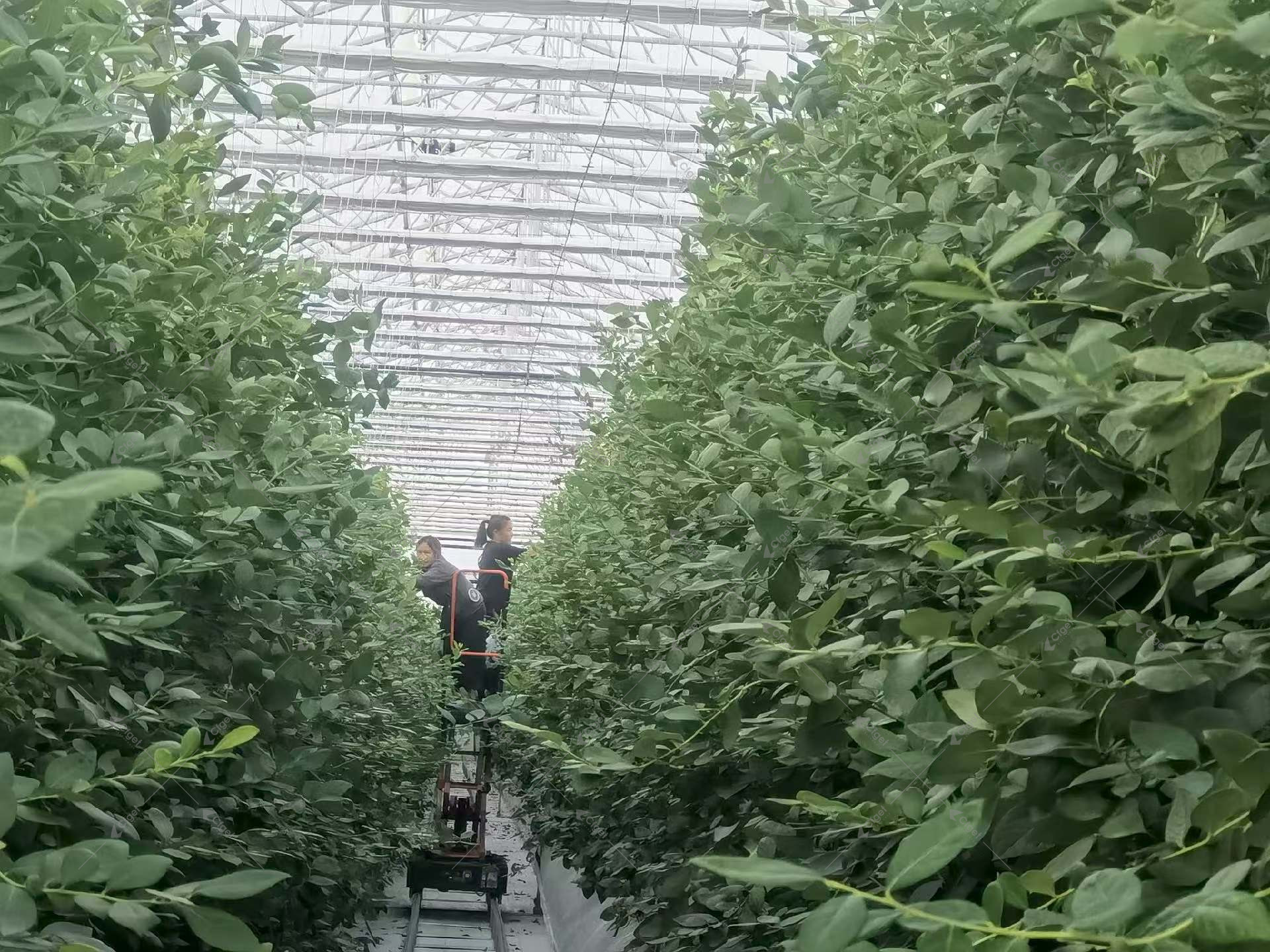
Before leaving a greenhouse on automatic watering, test whether water actually reaches representative plants and whether someone can respond when it does not. A timer switching on, an app showing a successful command or a pump drawing power does not prove that every irrigation zone received its intended water.
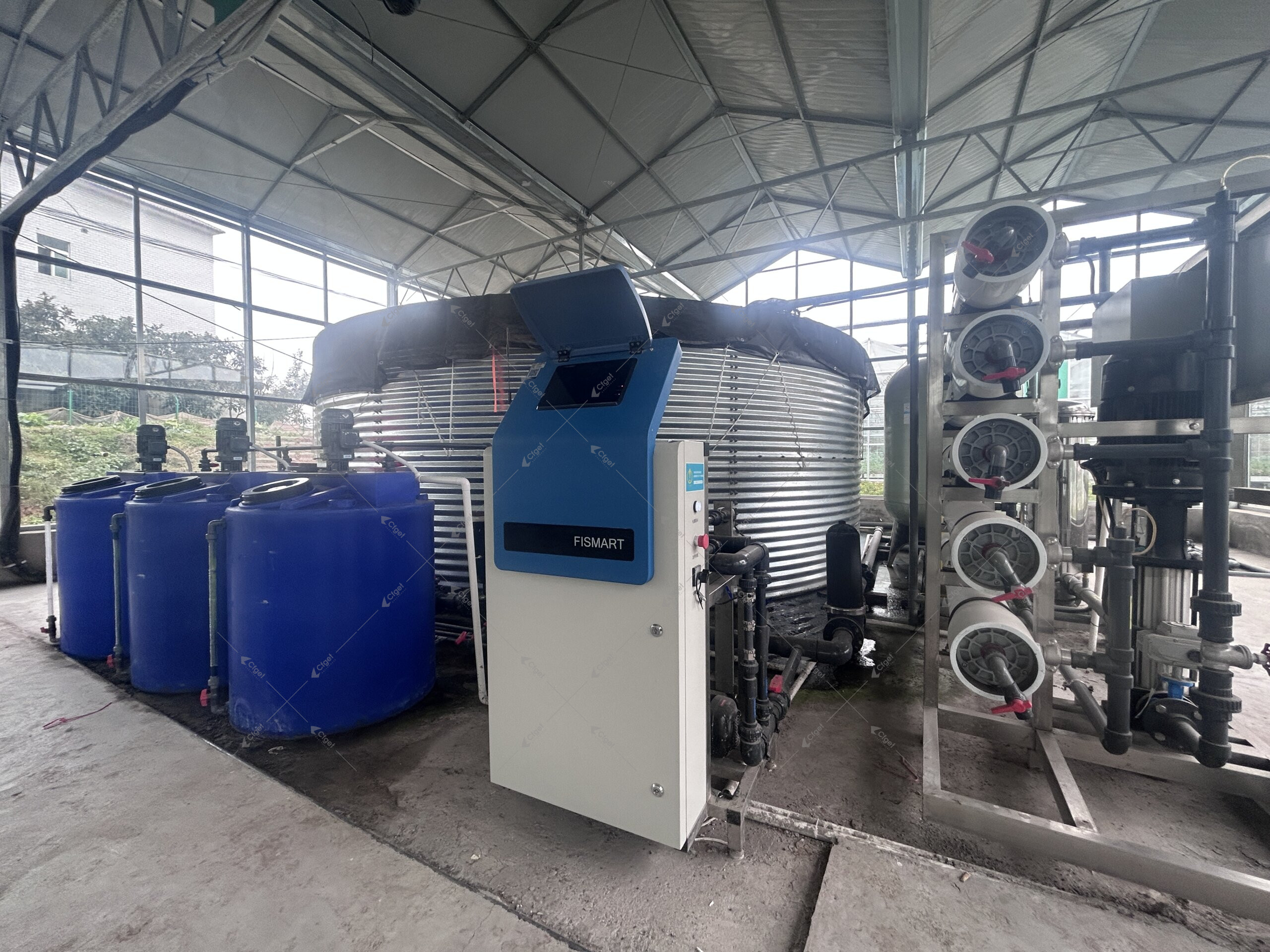
Build the plan around the crop’s water needs and a realistic period without your usual supervision. Small pots, mature plants, changing weather and different growing media make a single “minutes per day” recommendation unreliable.
Start with a zone and plant map
List the zones, water source, pump, valves, filters and end points. Mark plants or containers that need different treatment. A newly rooted tray and a large fruiting tomato should not be assumed to need the same watering schedule simply because they share a greenhouse.
Choose representative check points near the start, middle and end of each distinct irrigation arrangement. Include a known difficult location, such as an elevated bench or an end-of-line plant that has previously dried out. Make these locations easy for a caretaker to identify.
Inspect connections and repair existing leaks before changing the schedule. The UMass water-system maintenance guide provides a useful equipment checklist. Use the actual component manuals for filter servicing, pressure limits and flushing procedures.
Measure delivery instead of trusting the timer
Run a normal watering event while you are present. Where the system allows safe collection, catch emitter output for the same measured interval at selected points. Record volume, duration, zone and operating conditions. Put emitters back correctly afterwards and confirm the plants receive their water.
For an illustrative calculation, 250 millilitres collected in 10 minutes corresponds to 1.5 litres per hour at that point: 0.25 × 60 ÷ 10 = 1.5 L/h. This is a conversion example, not a recommended emitter rate or an observed CFGET result. Compare measured delivery with the installed product’s specification and the crop’s actual requirements.
The UMass drip-tape guide explains why operating pressure and system arrangement matter. Similar-looking outlets need not deliver equally when the installation has a blockage, pressure problem or incorrect component.
If a check point receives much less water than its peers, investigate before increasing the entire zone’s runtime. A longer event can overwater the functioning outlets while leaving the restricted one short.
Check the root zone after the event
Observe the growing medium or soil where the crop uses the water. Check representative container weight or use an appropriate moisture measurement for the medium. Inspect drainage and look for wet floors caused by missed pots or displaced emitters.
A tank level falling confirms that water left the tank; it does not establish where it went. Similarly, a wet surface does not prove that the relevant root zone was adequately wetted. Keep the delivery observations and crop observations together when setting the schedule.
Run the proposed absence routine for several normal operating cycles before departure, including the conditions you can reasonably test. If unusually hot weather is forecast, decide who will adjust the plan or attend the greenhouse rather than assuming a successful mild-day trial covers that event.
Test what the alerts can actually detect
Create a simple failure table using the equipment’s documented test modes or safe simulations agreed with the installer. Do not disconnect powered wiring, run a pump dry or leave the crop without water to demonstrate a fault.
| Possible failure | Useful evidence or alert | Person’s response |
|---|---|---|
| Water supply becomes unavailable | Suitable tank-level or supply indication | Confirm supply and arrange the agreed backup |
| A valve or line fails to deliver | Flow, pressure or direct delivery check appropriate to that zone | Inspect the affected zone and water it using the agreed method |
| Controller loses power or connectivity | Offline or power-loss indication, if supported | Check the actual equipment and local operating state |
| A line leaks | Unexpected flow or a caretaker’s visual check | Isolate the identified leak and protect the affected crop |
An alert is useful only if it reaches someone who can act. Confirm the recipient, notification settings and acknowledgement process. If the system lacks a relevant sensor, mark that failure as requiring a physical check; do not label it remotely monitored.
Leave a handover that can be used without calling you
Give the caretaker the zone map, normal operating schedule, marked check points, shutoff locations and equipment contact. Explain the signs that require intervention and the approved manual-watering method. Keep account passwords out of printed public areas and share only the access the person needs.
Walk through the routine together before leaving. The caretaker should be able to find the problem zone from the alert or plant location and explain what to do next. Our greenhouse irrigation systems guide provides background on system choices; the handover should stay specific to the installation they will operate.
Finish with a dated record of the delivery test, root-zone checks, alert test and responsible contact. A dependable absence plan connects a scheduled command to measured water delivery, crop condition and a person who can respond.