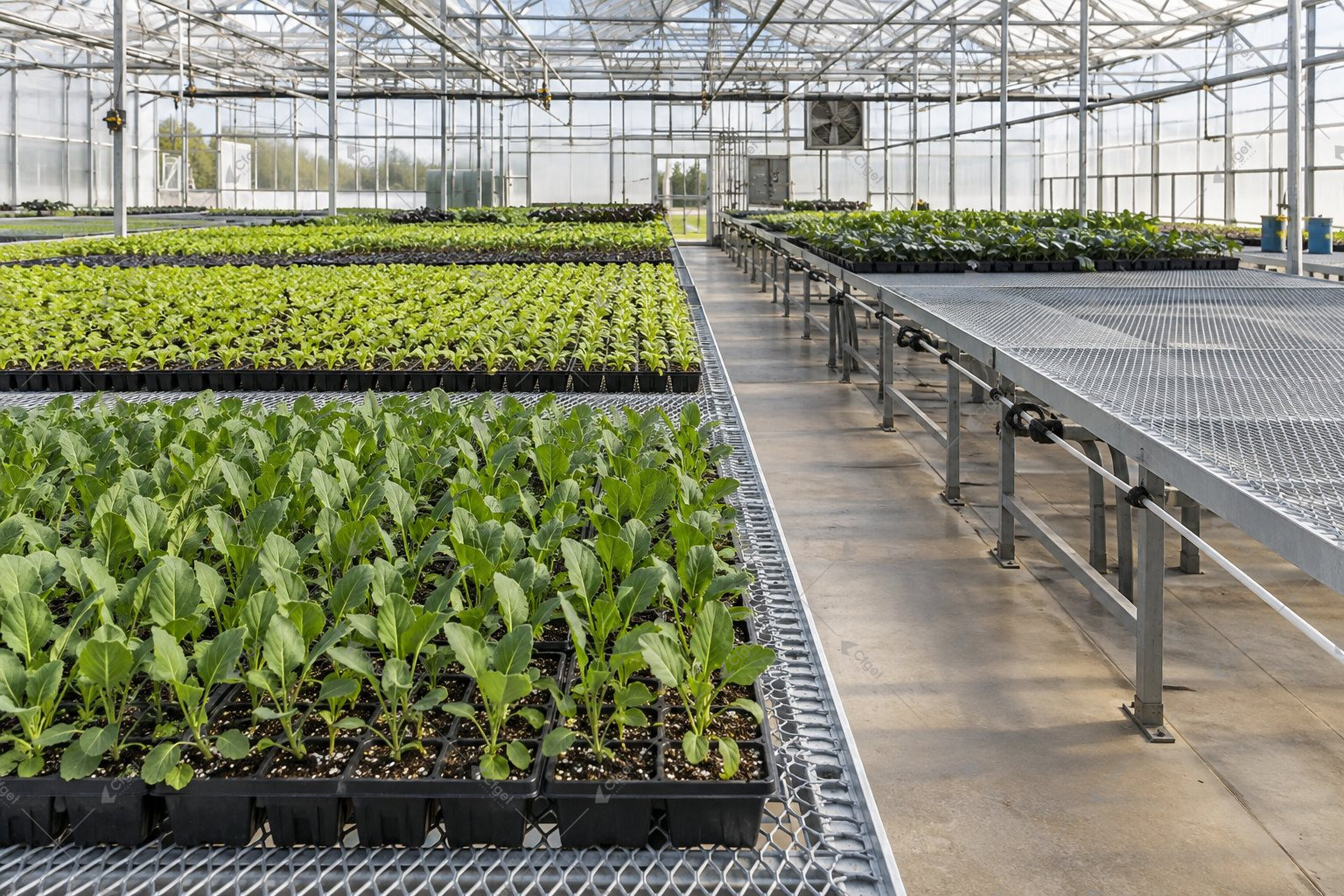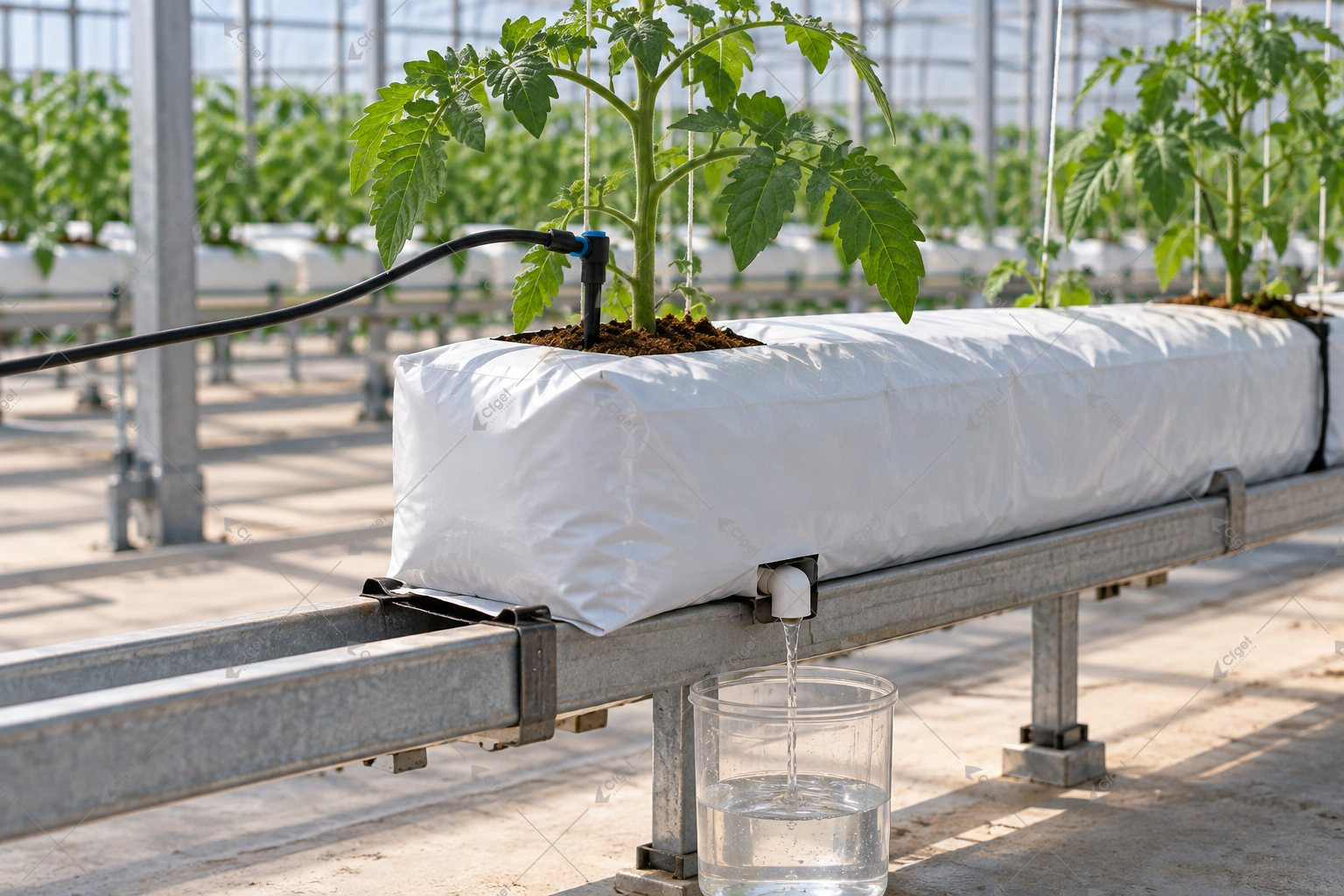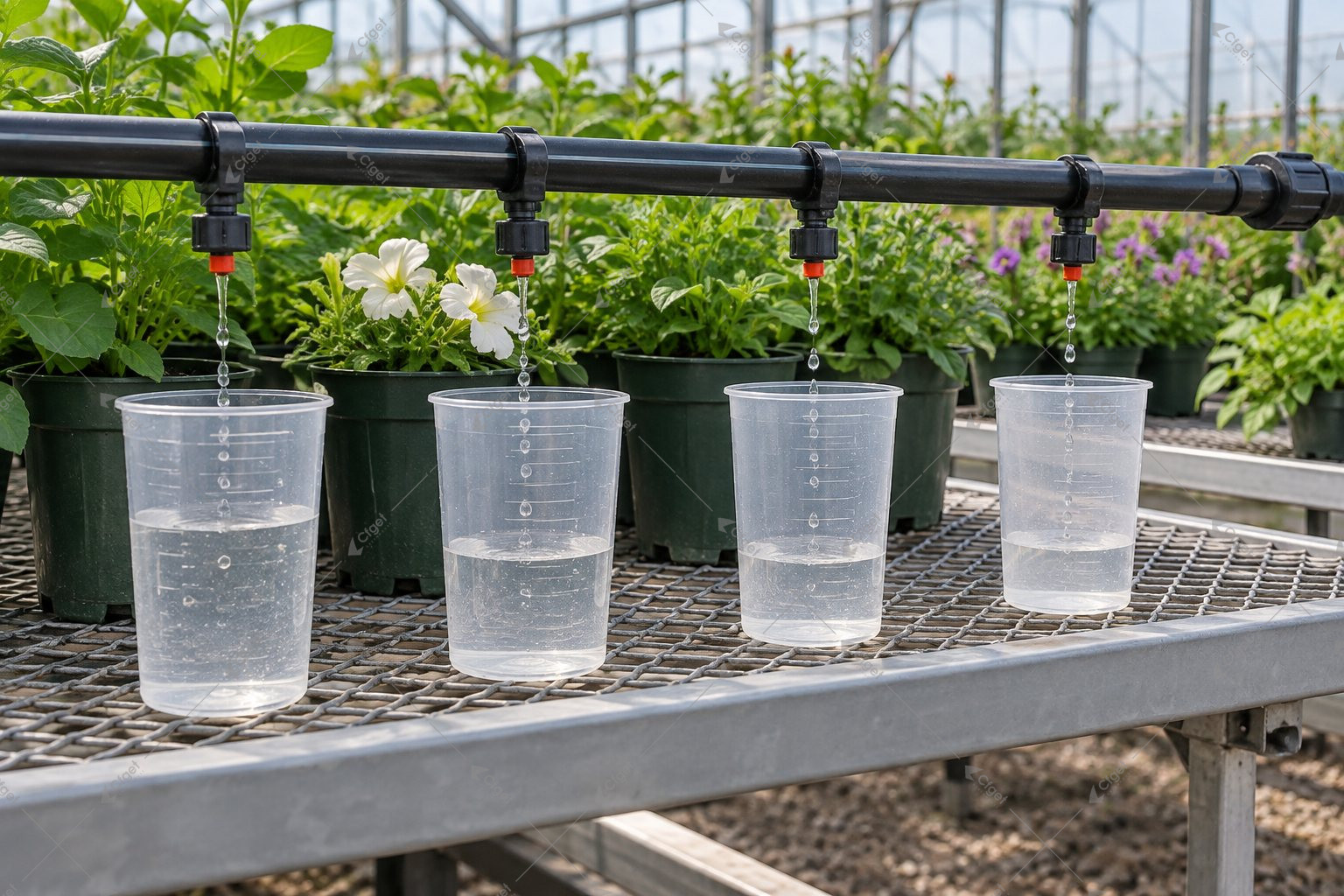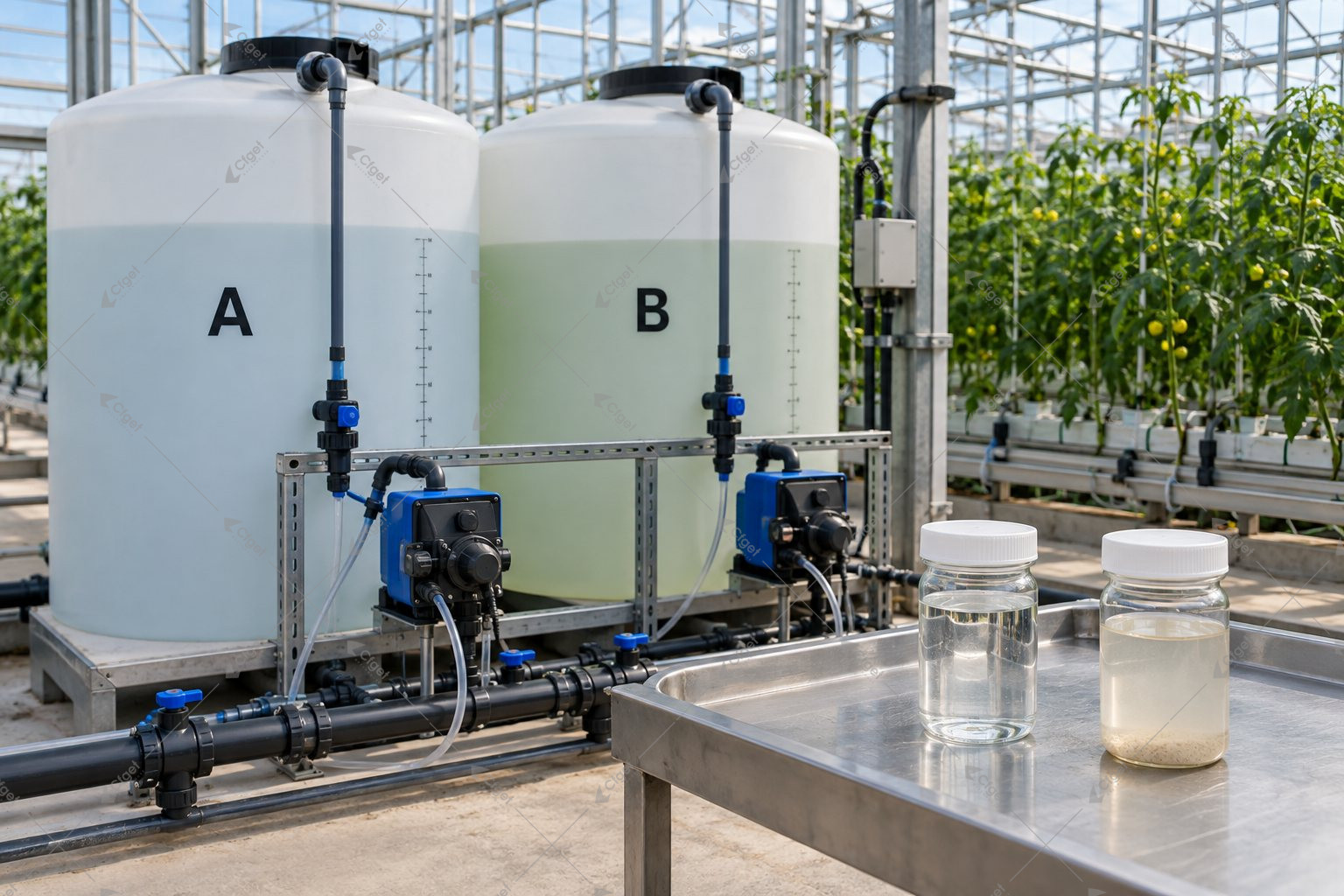
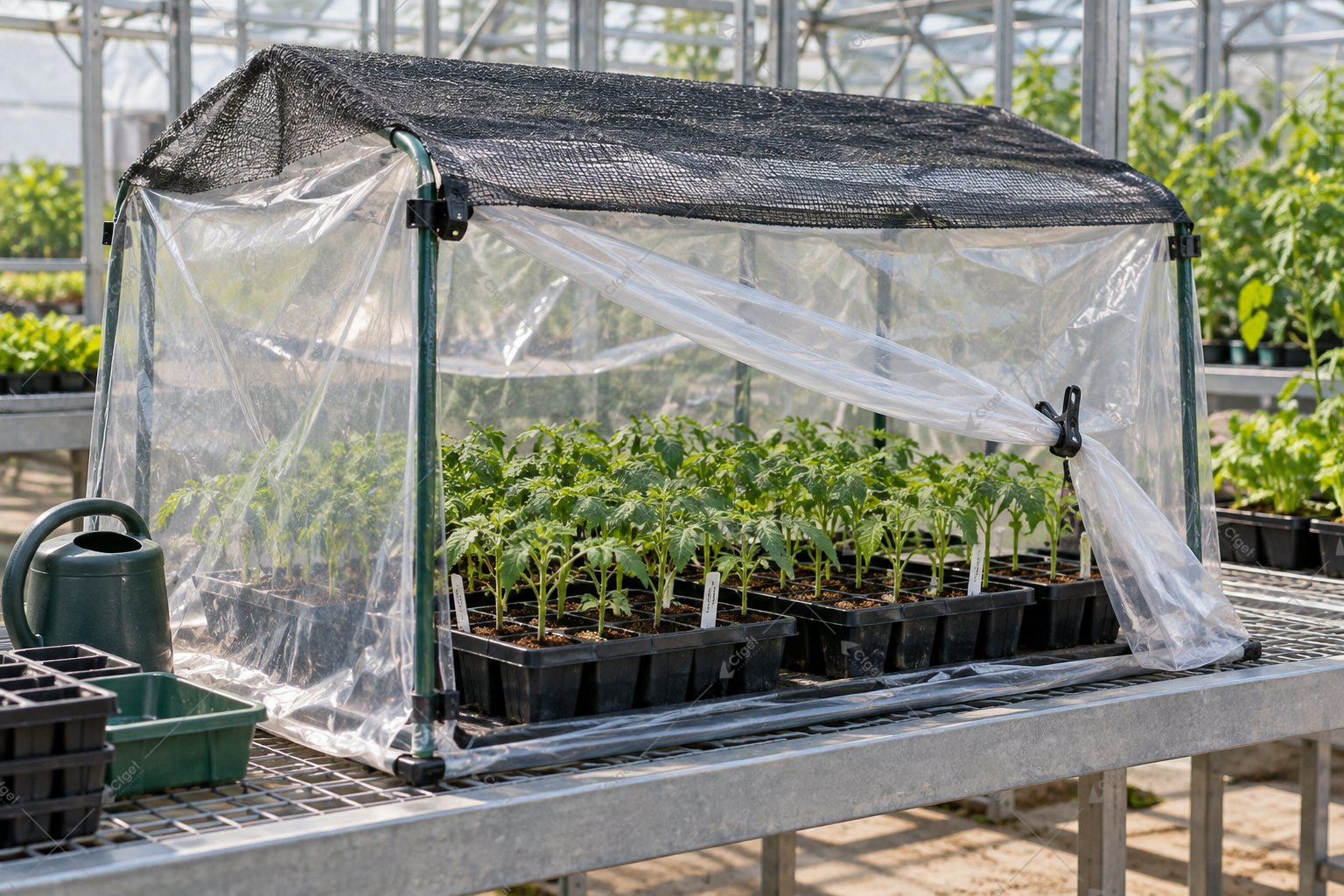
A grafted seedling may look firm under a cover and wilt as soon as the cover opens. That does not, by itself, prove that the rootstock is poor or that the tray needs more water. The newly joined stem may not yet deliver enough water to match the demand outside the chamber.
Start by separating two questions: has the graft established a working connection, and can the plant tolerate the next environment? Those questions need observations at the graft and at canopy level, not just the chamber controller’s setpoint.
What the chamber is protecting
The scion is the shoot selected for the crop; the rootstock supplies the roots. In a newly made splice graft, their water-conducting tissues need time to reconnect. Oklahoma State’s vegetable-grafting guide explains why reduced light and high humidity are used to limit water loss during healing. It also distinguishes graft methods: a procedure for a fully severed splice graft is not automatically appropriate for an approach graft that retains its own roots.
Obtain a written protocol for the crop, graft method and plant size you actually use. Record its source and version. Do not take a tomato schedule, apply it unchanged to watermelon and call the chamber validated.
Read the pattern of wilting
| Observed pattern | Check before changing settings | Reason to pause the transition |
|---|---|---|
| One plant wilts while its neighbors remain firm | Stem alignment, clip position, damage and the individual root plug | A local graft problem is unlikely to be repaired by changing the entire room |
| A whole tray wilts when the cover opens | Timing of opening, light at the leaves, humidity change and plug moisture | The transition may exceed current water uptake |
| Plants nearest an opening wilt first | Direct air movement and the local light gradient | The sensor may not represent the exposed edge |
| Stem collapse or spreading lesions appear | Separate affected material and seek plant-health diagnosis | Do not treat a possible disease problem as ordinary acclimation |
Change one exposure at a time
Increasing light, opening the enclosure and moving plants into a drier house at the same moment makes failure hard to interpret. Within the crop-specific protocol, make a controlled transition and observe a marked group before advancing the whole batch. Keep a record of the start time, duration, leaf response and recovery after the exposure ends.
A useful log has six columns: batch identity, time since grafting, measured canopy conditions, change made, number of plants showing stress and next decision. Include a comparison group that stays at the previous acceptable stage. This is a proposed nursery check, not a CFGET trial result or a substitute for a validated grafting protocol.
Place sensors where leaves are, without allowing droplets or direct radiation to distort readings. A high room humidity reading does not establish that every shelf has the same conditions. Inspect edge and central trays, and check root-plug moisture directly before adding irrigation.
Do not turn protection into indefinite enclosure
Leaving plants covered because they wilt outside postpones the decision; it does not show that they are ready. Review the graft itself, the exposure sequence and the destination nursery together. Standing water, persistent wet foliage or a chamber that cannot be cleaned are separate problems requiring correction, not evidence that still more humidity is needed.
Beginner takeaway: a firm plant inside a humid cover has passed only one observation. Readiness includes tolerating its next environment. Professional grower note: compare recovery and survival by batch and graft operator as well as by chamber position; do not combine those effects into a single room average.
Before the next batch enters
- Confirm the crop-specific healing and acclimation protocol.
- Reserve enough nursery space to move ready trays without delay.
- Assign responsibility for transition checks, including weekends.
- Define which symptoms trigger isolation and diagnostic support.
Use the nursery bench-capacity calculation to allow for overlapping healing and growing batches. For a facility discussion with CFGET, prepare the grafting method, daily tray flow and required chamber-to-nursery transition; these are more useful design inputs than a request for a generic high-humidity room.