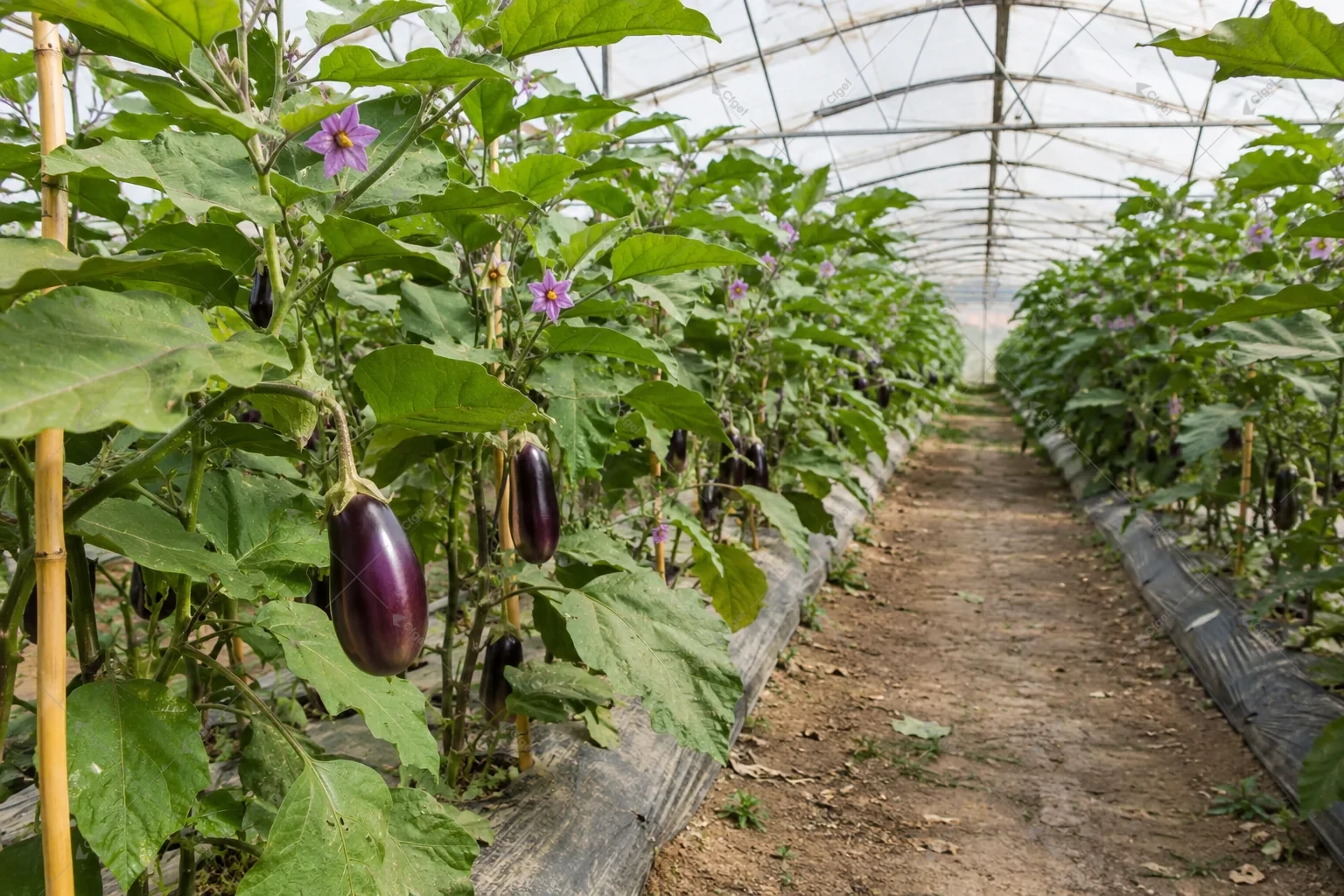
It is possible to count plenty of eggplant flowers and still misread the next harvest. The open flowers may differ in structure, and the plants carrying them may already be supporting fruit. A row that is flowering heavily and a row that is filling an earlier set are not necessarily at comparable points in production.
Look at three things during the same crop walk: the flowers themselves, the fruit already on the plant and the fruit that ultimately reach harvest. Each answers a different question. Confusing them can turn a useful observation about flowers into an unsupported decision to thin the crop, increase pollination work or revise the sales forecast.
Look at flower type before comparing totals
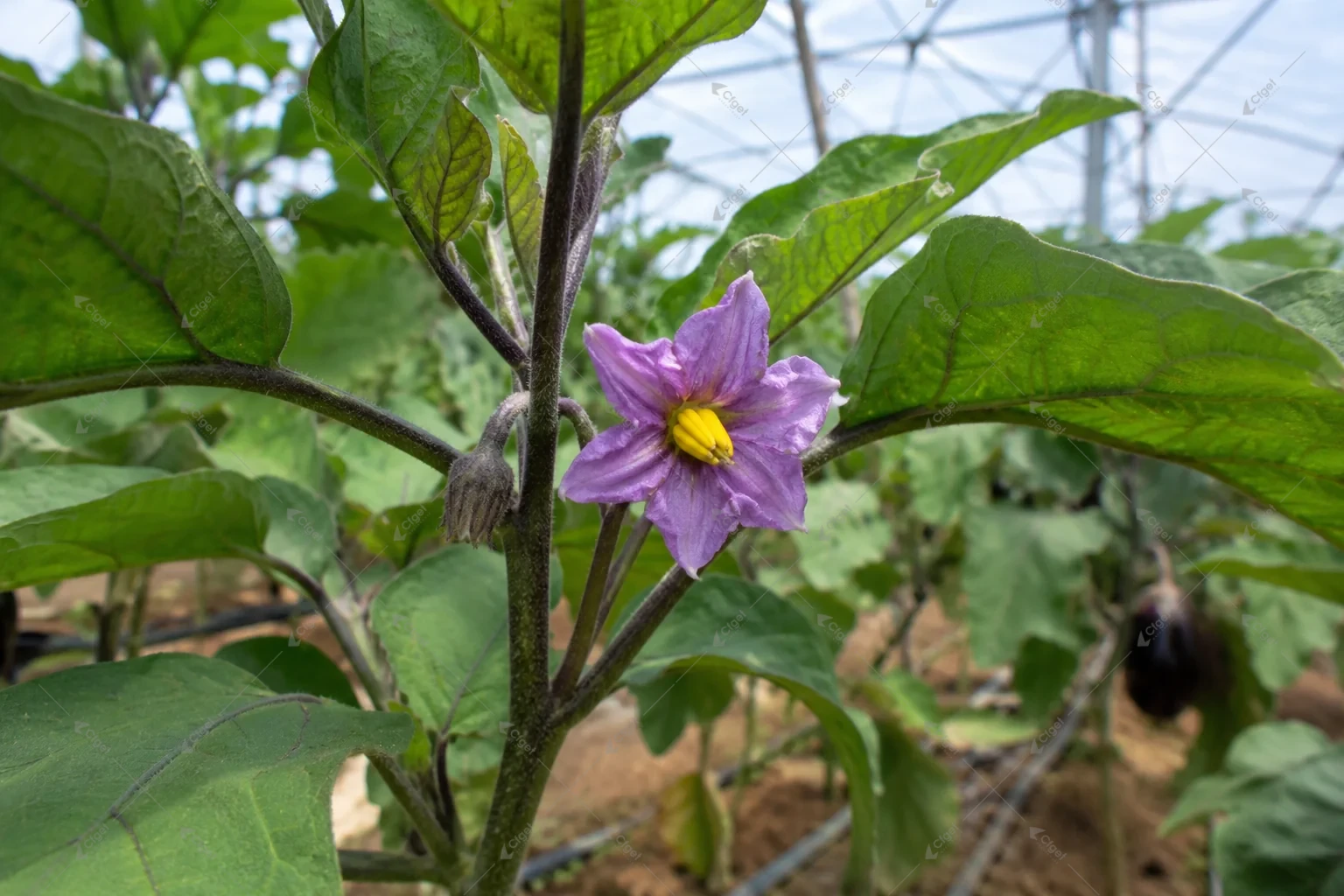
The yellow anthers of an eggplant flower form a cone. The style bears the stigma, the receptive part of the flower. Its position relative to that cone varies. In a long-styled flower the stigma projects farther; in a shorter-styled flower it sits lower. A count of purple flowers does not capture this difference.
Look at open flowers at comparable stages on the actual named cultivar. If flower type is going to inform a crop review, have the crop adviser show the team what it is looking at on a real plant. The ordinary greenhouse photographs in an article are useful for context; they are not a reference standard for separating closely related flower types.
Keep unfamiliar flowers in an uncertain category. A quick aisle count in which everyone guesses differently can create an apparent shift that belongs to the observers rather than the crop. Even a small, consistently assessed group is more useful for comparing two dates than a large total without a definition.
Record both the number of flowers examined and how they were chosen. Were they easy-to-reach flowers at the aisle edge, or did the observer follow the same set of plants through the row? That detail matters when comparing a lightly loaded area with a heavily fruiting one.
Bring developing fruit into the flower review
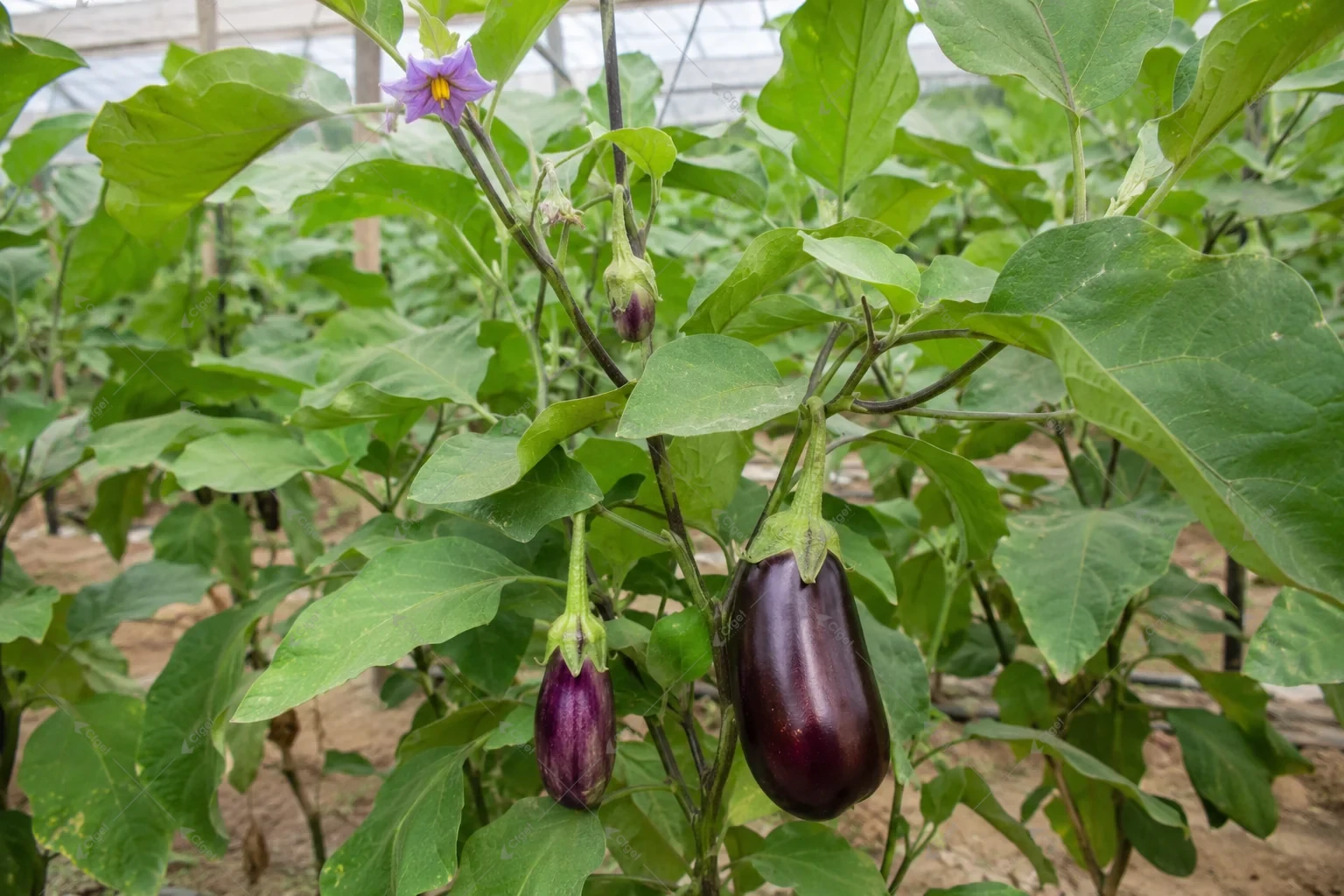
Khah, Antonopoulos and Passam studied four aubergine cultivars under glass over two years. During fruit growth they recorded fewer flowers, lower flower mass and shorter styles. The anther cone did not shorten with the style. After fruit growth ended, flowering and the flower characteristics increased again. The public abstract describes a relationship within those cultivars and conditions, not a target number of fruit for every greenhouse.
That distinction changes the crop walk. When one group appears to carry smaller or shorter-styled flowers, check whether it is also filling more or larger fruit than the comparison group. Preserve the identity of plants already picked as well as those still carrying their earlier set. A photograph of today’s flower does not reveal yesterday’s harvest.
Consider two adjacent rows of the same cultivar. The first has recently been picked; the second still carries the bulk of that harvest. Counting their open flowers on the same morning may be useful, but it is not a clean comparison of greenhouse compartments or pollination methods. The rows differ in a factor the greenhouse study found worth investigating.
Do not remove fruit solely to reproduce the study’s comparison. A research finding about flower characteristics does not establish that thinning a particular commercial crop will improve its marketable yield. The grower’s decision needs to account for fruit already committed to a buyer, not just the appearance of the newest flowers.
Separate initial set from the fruit you sell
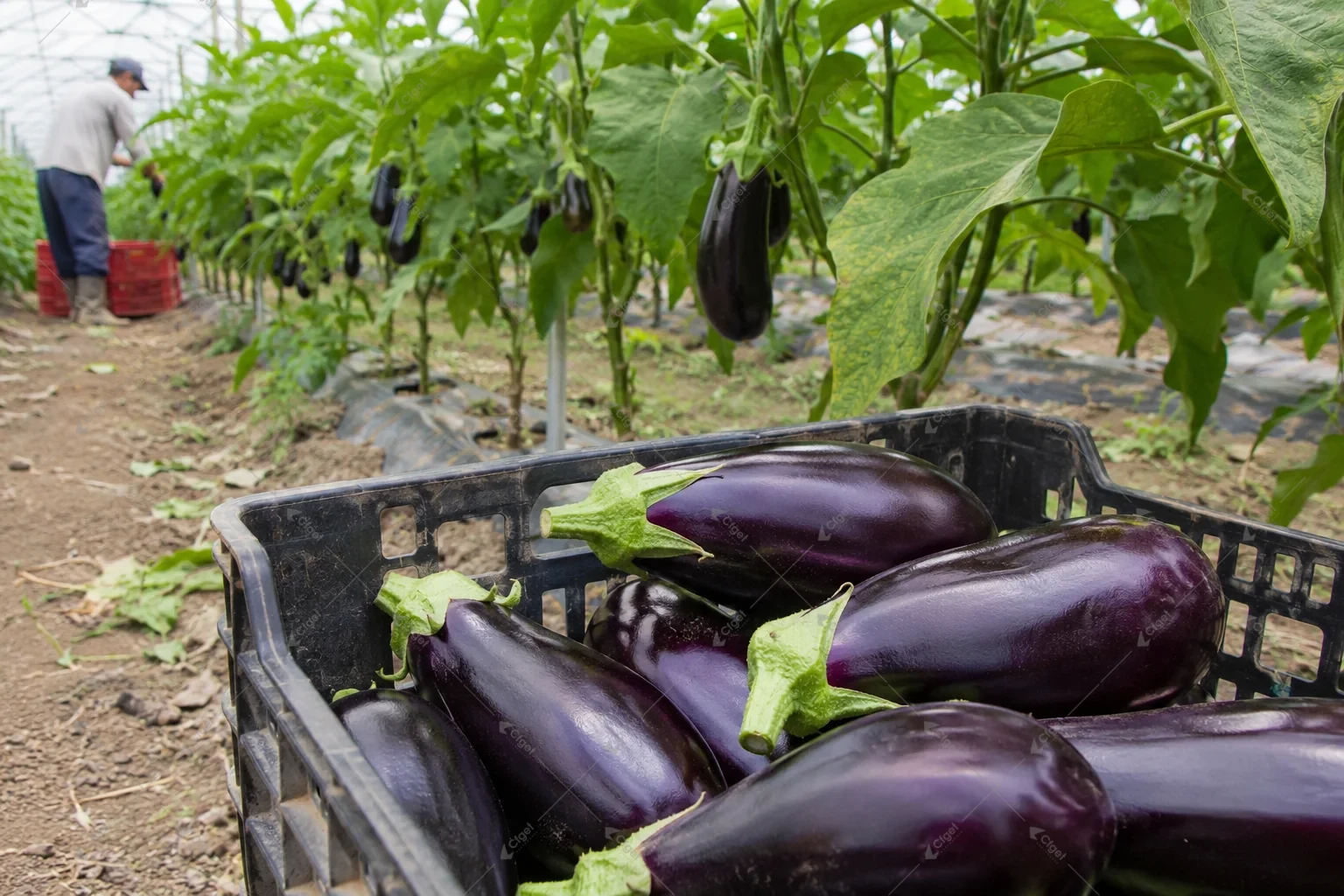
The first sign of enlargement after flowering is a useful observation. It is not the same endpoint as an accepted fruit in a harvest crate. A cultivar may set fruit initially and still differ later in retention, size or saleable grade. A flower trait should be judged against the question it can actually answer.
A 2021 study of 13 eggplant genotypes in Iran illustrates that limit. This was a field trial, although the seedlings were raised under cover. Long- and medium-styled flowers generally showed higher initial set than the short-styled group. Some pseudo-short flowers set fruit, and the researchers did not find a significant correlation between style length and final yield.
There is no contradiction in a characteristic being informative at flowering but insufficient for forecasting harvest. The field study’s result should not be turned into a greenhouse percentage, and the greenhouse research should not be read as proof that every short-styled flower is sterile.
For a practical comparison, choose the outcome first. If the team wants to know how many observed flowers enlarge into fruit, follow that group to initial set. If the sales team wants a harvest forecast, use fruit development and actual pick records as well. Keep the two counts in separate columns, with dates, so one cannot quietly replace the other.
Use the result to ask a narrower production question
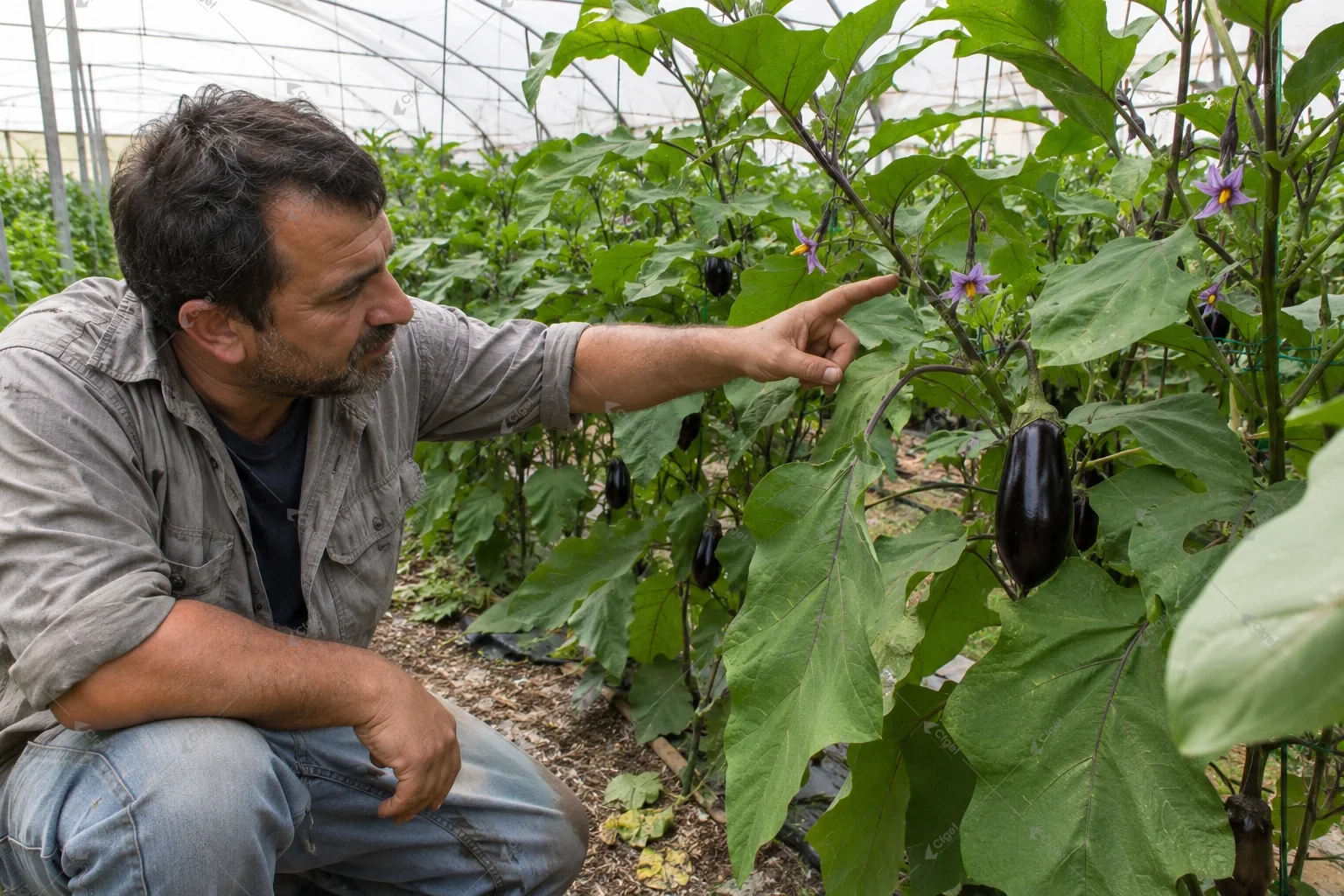
At the next review, bring the cultivar, plant group, flower observations, current fruit load and subsequent harvest information together. The question might be whether the flower-type shift appeared mainly on plants carrying an earlier crop, or whether it persisted after those fruit were picked. Both are more useful questions than “Why are the flowers bad?”
If a change also appears on lightly loaded plants, widen the investigation with the adviser. The greenhouse pollination management guide covers the broader sequence from flower condition through pollen transfer and fruit retention. Use it when the batch evidence points beyond flower type. A change in flower counts is not, on its own, a reason to add pollinators or alter the climate programme.
Keep a result that does not support the initial explanation. For example, if the apparent difference disappears when plants of the same cultivar and load are compared, say so. If differences remain but too few flowers were assessed consistently, leave the cause open. A crop record can improve the next observation without producing an immediate adjustment.
For planning purposes, report the fruit already developing, the set still being observed and the amount actually harvested as distinct parts of the crop. The greenhouse team can then decide which change is worth investigating while the sales team works from the evidence closest to a saleable eggplant.