A greenhouse for a hot climate should be designed from the site’s hourly weather, crop limits, water quality, greenhouse geometry and operating plan. Start by reducing avoidable solar load and creating a reliable air path. Then size ventilation, screens, shade and active cooling for stated design cases. No supplier can promise one indoor temperature for every hot site without those inputs.
Write the hot-weather design cases first
Provide hourly dry-bulb and wet-bulb temperature, humidity, solar radiation, wind and dust data for the intended production months. State the weather source and the percentile or return condition used for normal and extreme operation. A daily maximum temperature is not enough because wind, humidity and solar load determine whether a cooling method can work.
The crop team should approve air temperature, leaf temperature, humidity or VPD, light and duration limits by production stage. Separate normal summer operation, hot and calm weather, humid heat, dust events, water restriction, grid failure and emergency crop-survival modes. Each case needs a stated equipment sequence and permitted excursion.
| Design decision | Evidence to request | Buyer risk if omitted |
|---|---|---|
| Site and weather | Hourly source, wind exposure, humidity, solar load, dust and extremes | A cooling concept copied from a different climate |
| Envelope and shade | Cover transmission, shade data, vent geometry and screen resistance | Excess heat load or inadequate crop light |
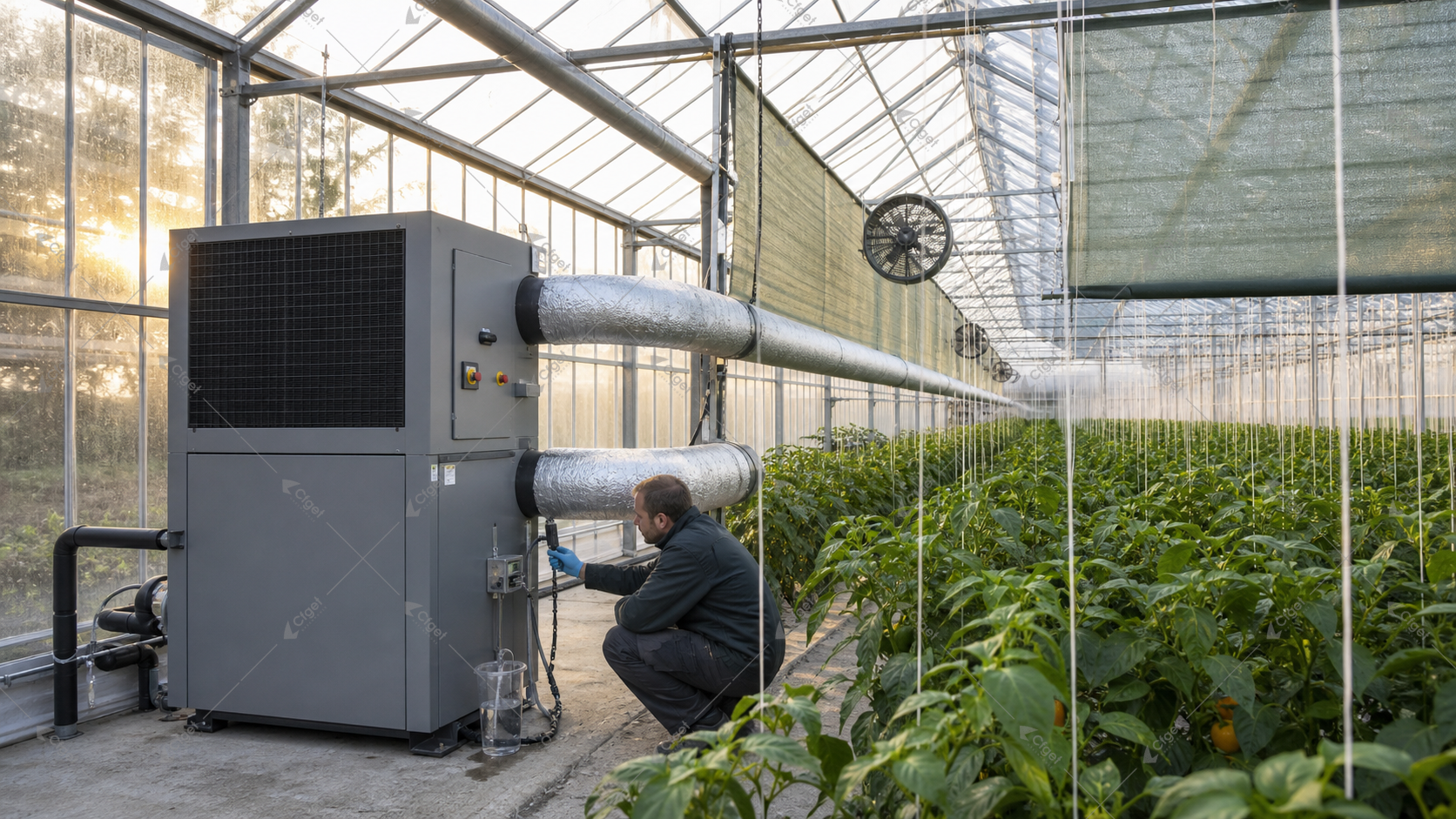
| Active cooling | Duty at design wet bulb, airflow, water quality and distribution | Nameplate equipment that cannot meet the installed case |
| Controls and resilience | Stages, interlocks, alarms, safe states and backup scope | Systems that fight each other or fail without warning |
Reduce heat load before buying cooling equipment
Orientation, roof form, bay width, gutter height, covering and external obstructions change solar gain and air movement. Compare options on the same crop-light requirement and local weather. A covering that reduces solar load can also reduce useful photosynthetically active radiation. Require spectral and durability data for the proposed material rather than a generic shade percentage.
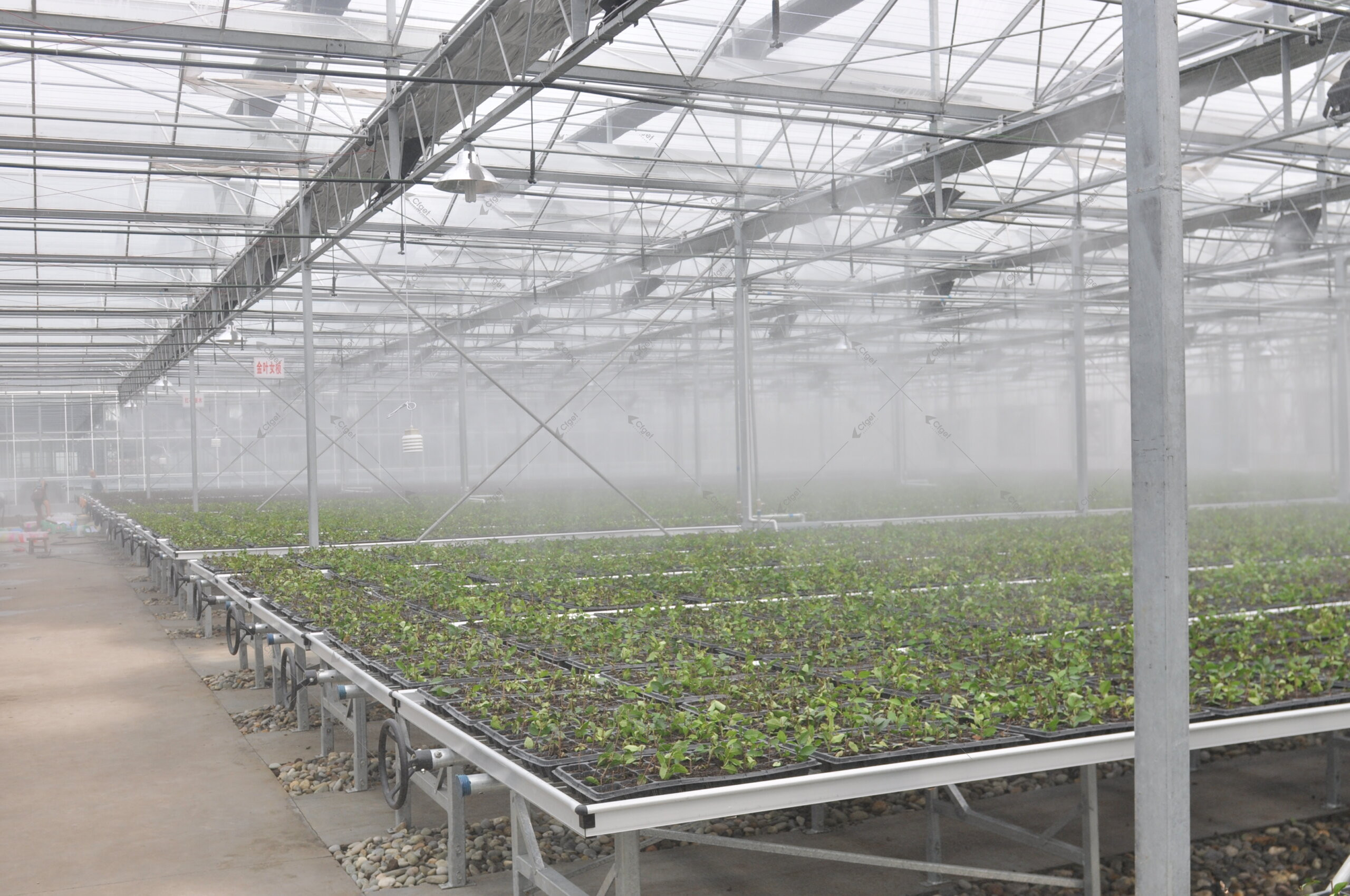
External shade stops part of the radiation before it enters the greenhouse. Internal screens may be easier to protect and automate, but heat has already crossed the covering and the screen can obstruct air movement. Ask for transmission, reflectance, porosity, fire information, drive details, structural loads, cleaning access and the control sequence. The crop adviser should approve the deployed light level.
Calculate ventilation with the selected screen
Natural ventilation depends on usable roof and side opening area, opening angle, wind and temperature difference. The rough vent opening is not the effective free area after frames, insect mesh, crop canopy and equipment are included. Require the selected screen’s clean and loaded pressure data, installed area and cleaning method.
Hot and calm weather is often the weak case for natural ventilation. Rain and wind closure can create another. The designer should show how roof vents, side openings, screens and circulation fans operate in each mode. Very wide blocks need an air-distribution review so a good average does not hide hot crop zones.
Mechanical ventilation should be selected from a fan curve at the expected static pressure. Include losses through inlets, screens, pads, shutters and louvers. Inlets must distribute air across the crop without short-circuiting to the fans. The tropical greenhouse cooling systems guide covers equipment choices. This article remains focused on the project design sequence and RFQ evidence.
Check evaporative cooling against wet bulb and water
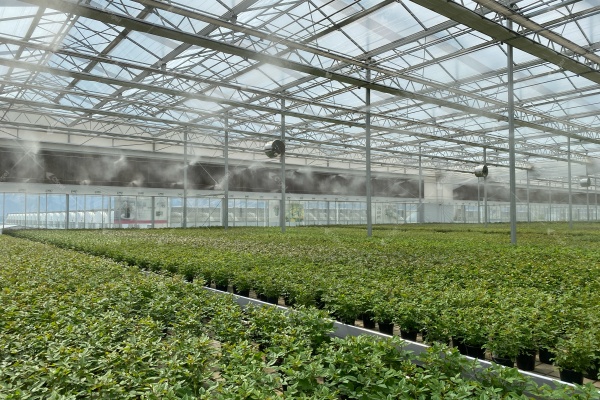
Evaporative pads and fogging can cool air toward its wet-bulb temperature. The available approach changes with outside humidity, airflow, equipment condition and control. A dry-climate result should not be transferred to a humid coastal site. Require the selected outdoor cases, assumed approach to wet bulb and the resulting supply-air condition.
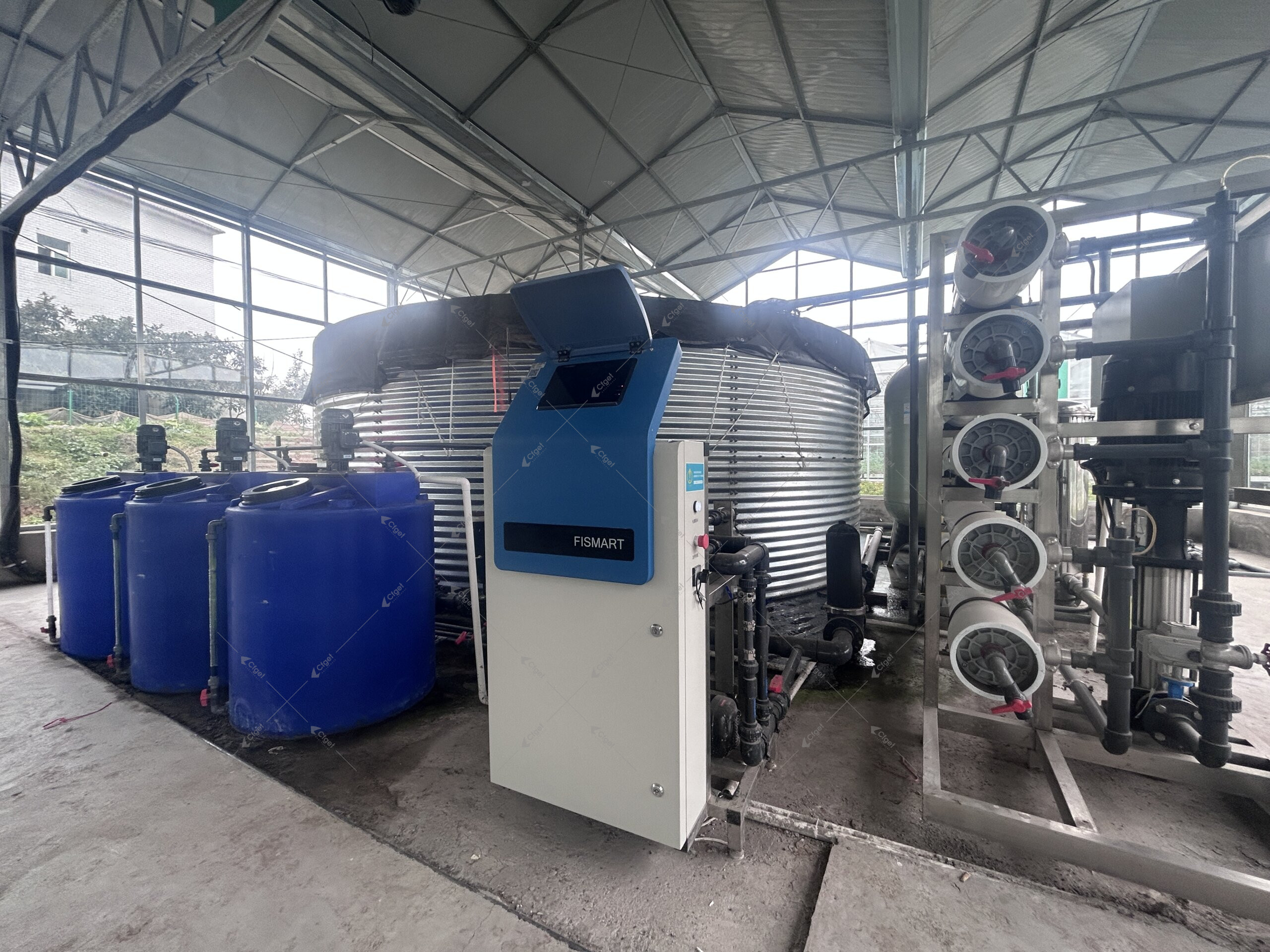
Water quality affects pad scaling, nozzle blockage, sanitation and maintenance. State source analysis, treatment, filtration, storage, recirculation, bleed, drainage and make-up demand. The air path from pad or fog zone to exhaust matters as much as total airflow. Long travel can produce temperature and humidity gradients that require zoning or a different layout.
Keep moisture and condensation in the design
Cooling decisions also change humidity. Fogging adds water, while ventilation can remove or add moisture depending on the outdoor humidity ratio. Screens and dense crop can trap humid air. State canopy moisture assumptions and check both hot-day cooling and evening recovery when solar load falls.
Place sensors where they represent the crop and known gradients. Record air temperature, RH or dew point, outside conditions and equipment status. A single controller sensor near a wall cannot prove uniform conditions. The hot and humid greenhouse dehumidification guide owns the separate moisture-removal decision.
Specify controls and failure response
Write stages for vents, screens, circulation, fans, pads or fog, and any mechanical cooling. State thresholds, deadbands, minimum run times, priorities and manual modes. Avoid a sequence that deploys shade too early, runs cooling against closed air paths or lets heating and ventilation fight each other.
Test lost weather sensor, failed fan, low water pressure, blocked filter, stuck vent, high temperature, high humidity, communication loss and power recovery. Define which equipment receives backup power and what safe state applies. Alarm delivery, acknowledgement and operator response time belong in the acceptance plan.
Compare supplier offers on one basis
Ask each supplier to return its greenhouse dimensions, vent areas, screen data, covering and shade properties, airflow at system pressure, water duty, electrical load, controls, exclusions and calculation responsibility. Separate installed scope from owner work and local contractor work. A lower equipment price may leave water treatment, drainage, wiring, foundations, commissioning or seasonal testing outside the offer.
The commercial greenhouse size and layout guide covers area and production-flow decisions. Use the commercial production greenhouse guide for system interfaces and handover. Those pages do not replace the hot-weather calculations required here.
Commission the installed system
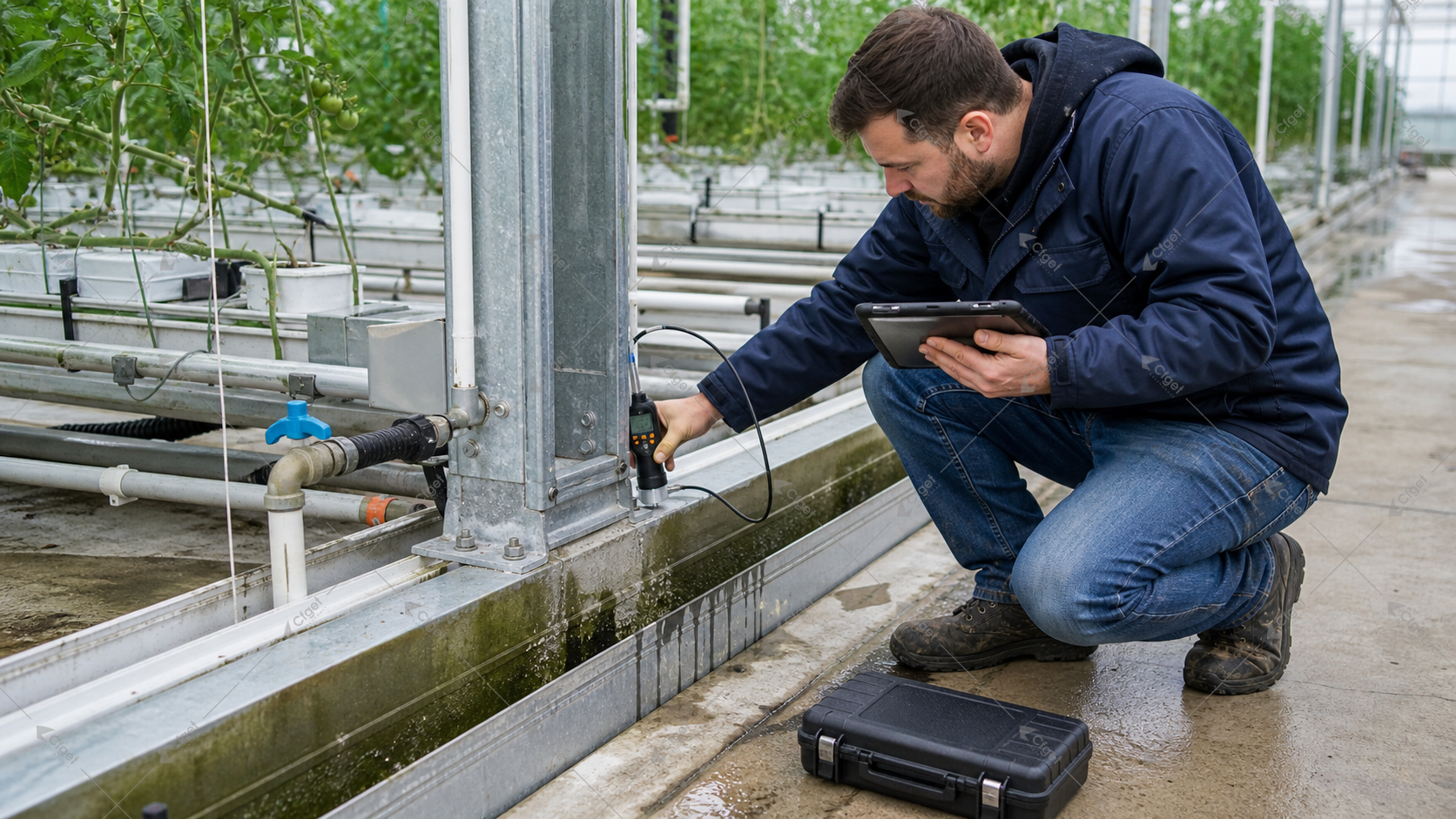
Verify vent travel, screen position, fan rotation, inlet operation, pad wetting, nozzle distribution, pressure, flow, sensor calibration, electrical current, alarms and manual modes. Trend representative crop zones through staged operation. Record the test weather, instruments, acceptance limits and corrective work.
If peak performance cannot be tested at handover, agree a seasonal verification window and responsibilities before final acceptance. Keep calculations, approved drawings, substitutions, controller sequences, setpoint authority, maintenance, spare parts and as-built records in the handover package.
RFQ inputs for a hot-climate greenhouse
- Site coordinates, elevation, terrain, dust, obstructions and expansion plan
- Hourly weather source and normal, extreme, calm, humid and outage cases
- Crop, production dates, approved air, leaf, humidity or VPD and light limits
- Greenhouse dimensions, covering, shade, vents, screens and internal obstructions
- Natural and mechanical ventilation calculations with installed resistance
- Cooling duty, design wet bulb, air path, water analysis and drainage
- Electrical demand, backup capacity, staged operation and safe states
- Sensor map, calibration, controls, trends, alarms and manual modes
- Owner, supplier and local contractor scope, permits and interfaces
- Factory data, site tests, seasonal verification, training and as-built records
Technical references
- Arizona CEAC: ventilation and screening of greenhouses
- Engineering in Agriculture, Environment and Food: greenhouse design challenges in hot and arid environments
- FAO: good agricultural practices for greenhouse vegetable crops
Send the site, weather, crop, water and utility brief through the CFGET contact page. Require the quotation to list assumptions, calculations, interfaces and tests.