Define the region and production window
China includes cold continental winters, hot humid summers, arid inland zones, and subtropical production regions. Record coordinates, elevation, hourly weather, wind, rain, snow where applicable, solar radiation, and the months when the crop must be sold. Add grid capacity, fuel, water source, labor, logistics, and local approval requirements.
State whether the crop serves a winter premium, a shoulder season, or year-round contracts. Name the cucumber type, cultivar group, sale unit, pack specification, expected crop cycles, and acceptable grade-out. Structure and systems should follow this brief. Copying a northern solar-greenhouse solution into a humid southern site can create a poor match, just as copying a high-input Venlo package into a site without the required utilities can create operating risk.
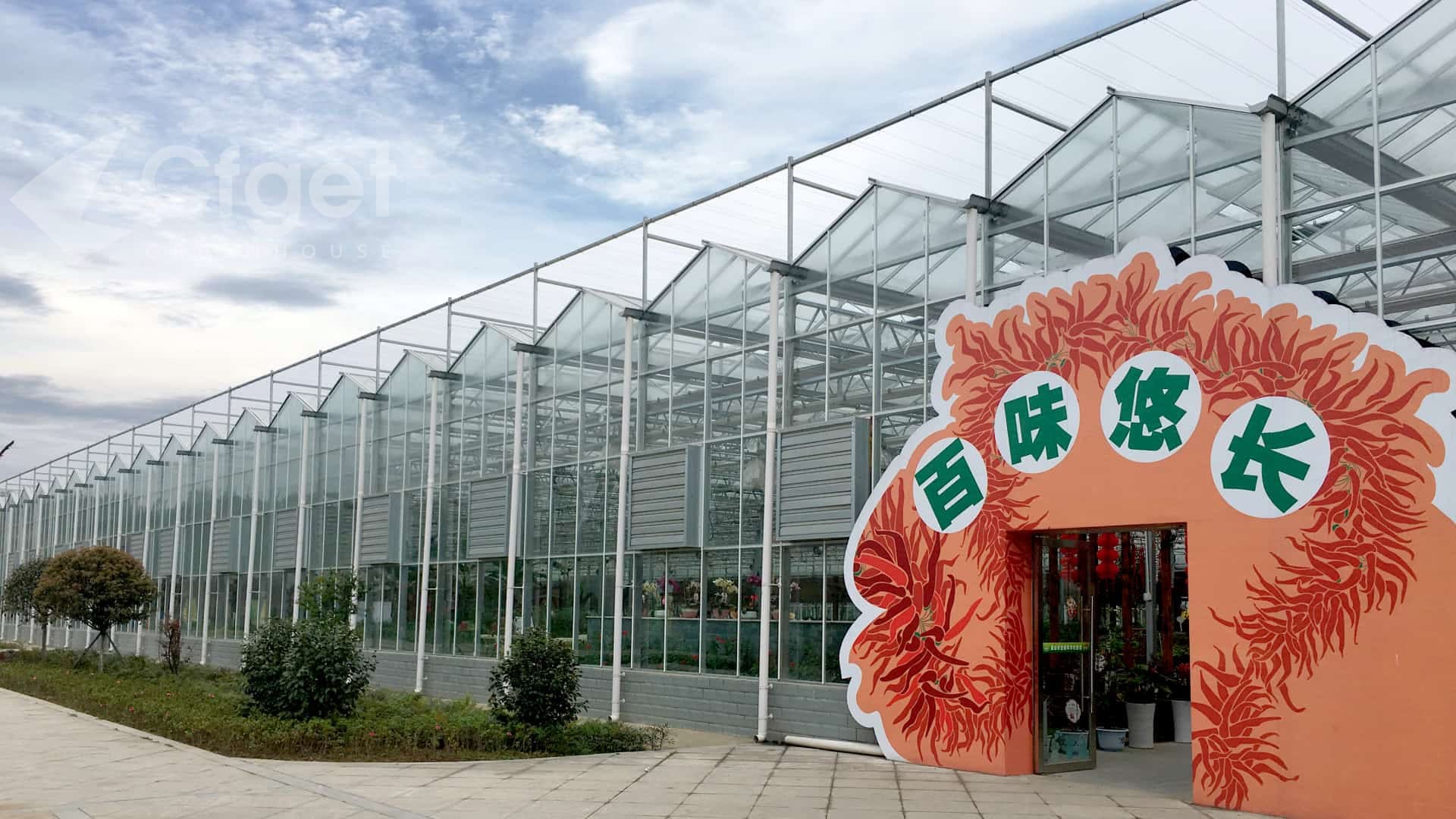
Compare structural routes on the same duty
| Route | Questions to answer | Evidence to request |
|---|---|---|
| Chinese solar greenhouse | Does orientation, winter sun, thermal mass, night insulation, and summer operation fit the site? | Shading study, heat and moisture model, wall and blanket details, ventilation path, and seasonal limits |
| Multi-span film house | Can vents, screens, shade, and staged cooling meet the crop duty in the named weather? | Net vent area, screen resistance, fan point if used, film assembly, drainage, and replacement method |
| Rigid sheet or glass range | Do useful light, service life, overhead systems, energy strategy, and capital plan justify the assembly? | Installed optical and thermal data, seals, screens, loads, climate model, cleaning, and maintenance access |
Use the same outside design points, cucumber schedule, internal boundaries, growing area, utility limits, and included equipment for all three. A comparison is not fair if one proposal includes screens, fertigation, backup power, and installation while another is a bare shell.
Model light, temperature, and humidity together
Cucumber structure, leaf area, fruit load, and crop work change the greenhouse heat and moisture balance during the season. Ask for an hourly model that states the weather file, covering, vents, screens, leakage, crop assumptions, heating, cooling, and operating sequence. Monthly averages can hide cold dawn hours, humid nights, and hot low-wind afternoons.
Recent research on Chinese solar greenhouses models light, energy, crop, soil, ventilation, and thermal-blanket behavior as one dynamic system. That approach is useful because a wall or cover label cannot predict the crop-zone climate by itself. Use the model to compare scenarios, then verify the installed greenhouse with calibrated sensors. Do not copy a reported yield into the financial case unless the site, structure, cultivar, season, and management match.
Specify ventilation after screens and crop resistance
Roof and side openings should be stated as net area after frames and insect screens. Ask how airflow changes as the cucumber canopy develops. A screen that supports pest exclusion can also reduce ventilation. The design should state its operating limits during rain, strong wind, low wind, and high outside humidity.
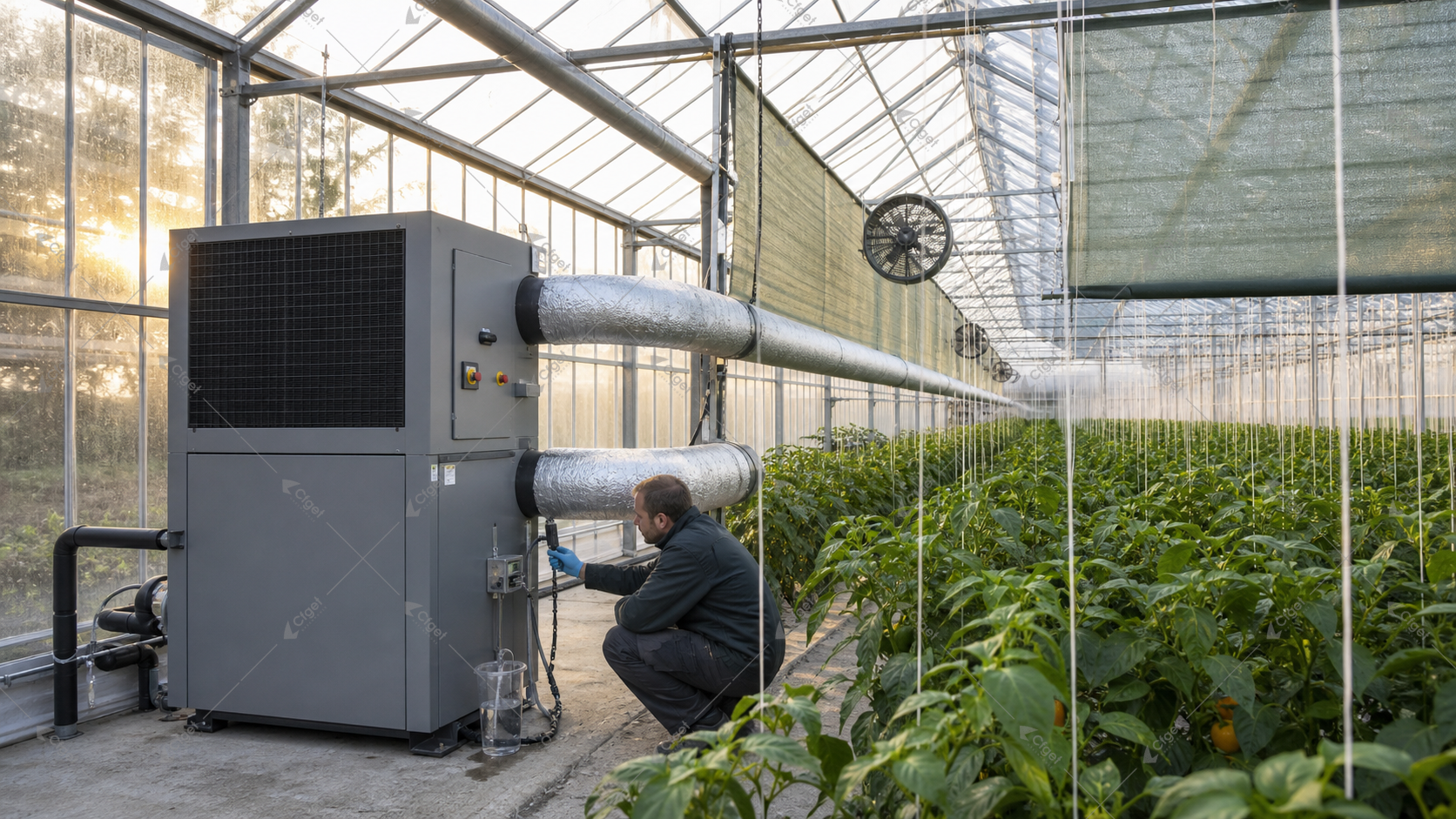
If fans, pads, fogging, or mechanical cooling are proposed, require delivered airflow, installed pressure, water quality, water demand, electrical load, and performance at named dry-bulb and wet-bulb conditions. The controls narrative should show how natural and powered stages interact so that equipment does not fight an open vent or a deployed screen.
Design irrigation from water and root-zone evidence
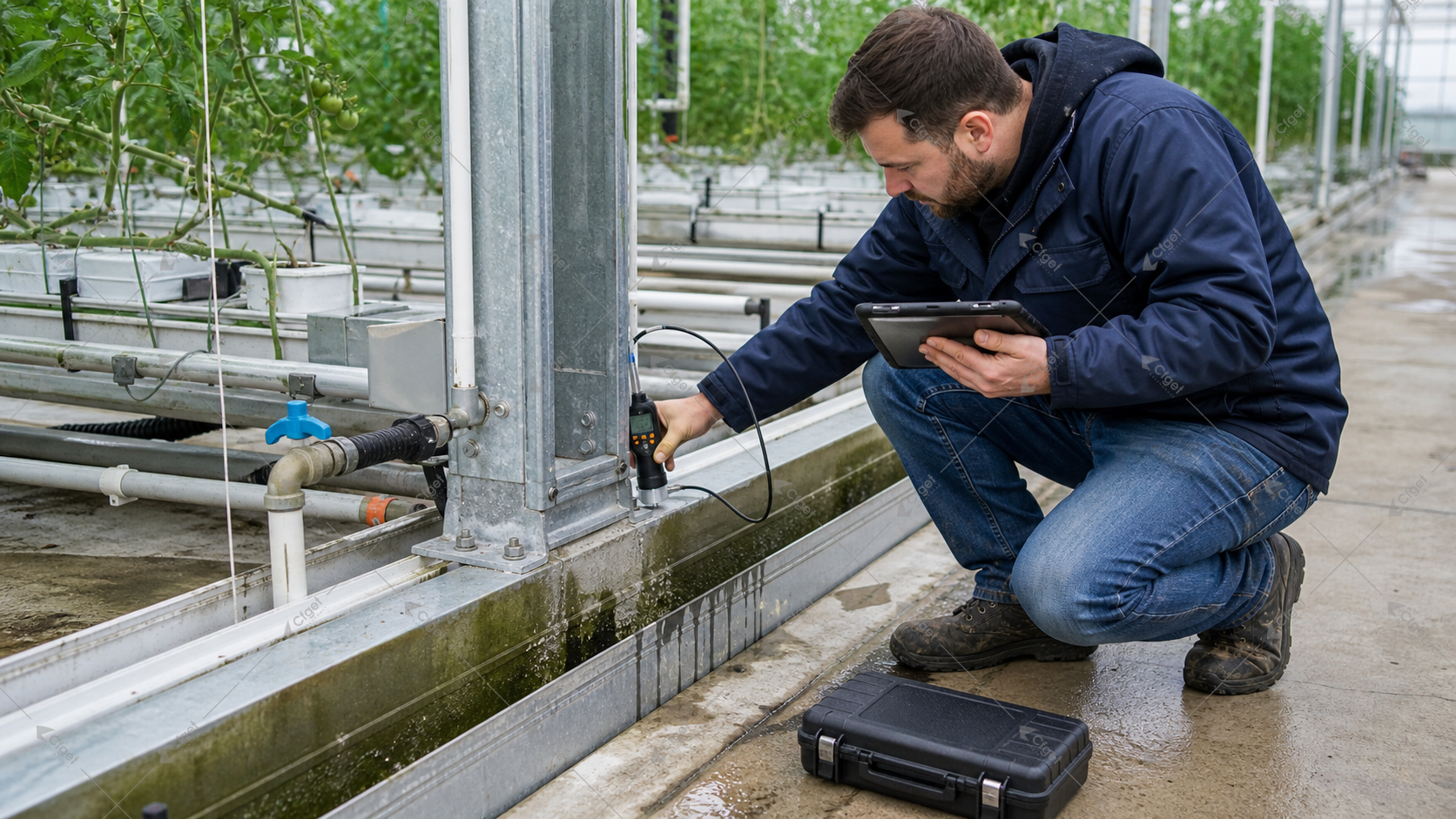
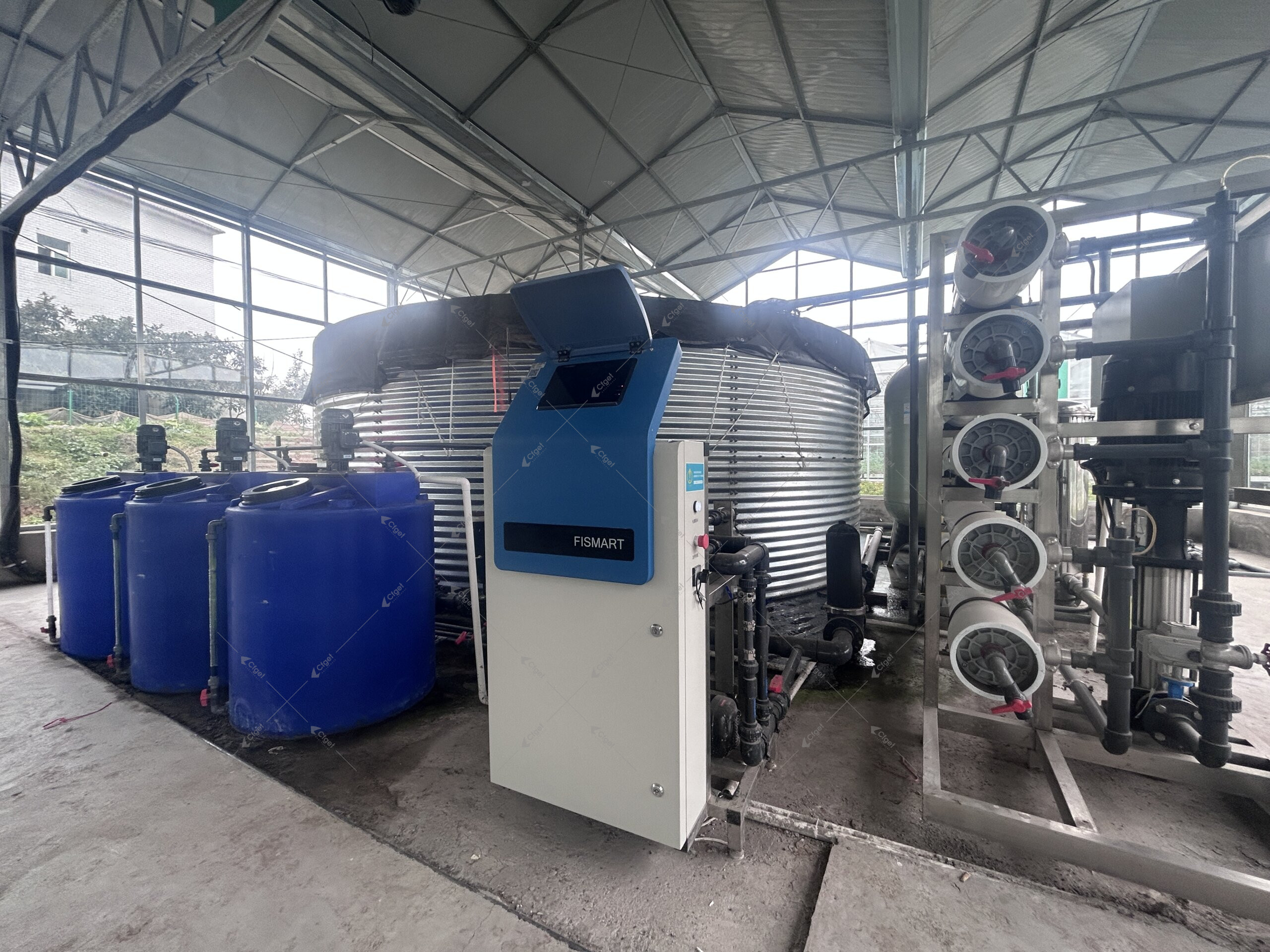
Send the bidder a laboratory water report with pH, electrical conductivity, alkalinity, sodium, chloride, bicarbonate, calcium, magnesium, iron, turbidity, and relevant microbiological indicators. State source flow, storage, treatment, dosing, irrigation zones, drain collection, reuse, and discharge responsibilities.
Chinese cucumber studies show that irrigation and nitrogen results depend on the tested greenhouse, soil, season, cultivar, and control method. Use those studies to plan local trials and monitoring. Do not convert one experiment’s water or fertilizer rate into a universal specification. The crop adviser should define the starting recipe and adjustment method, while the supplier provides uniform delivery, sampling points, calibration access, and alarms.
Coordinate crop support and labor flow
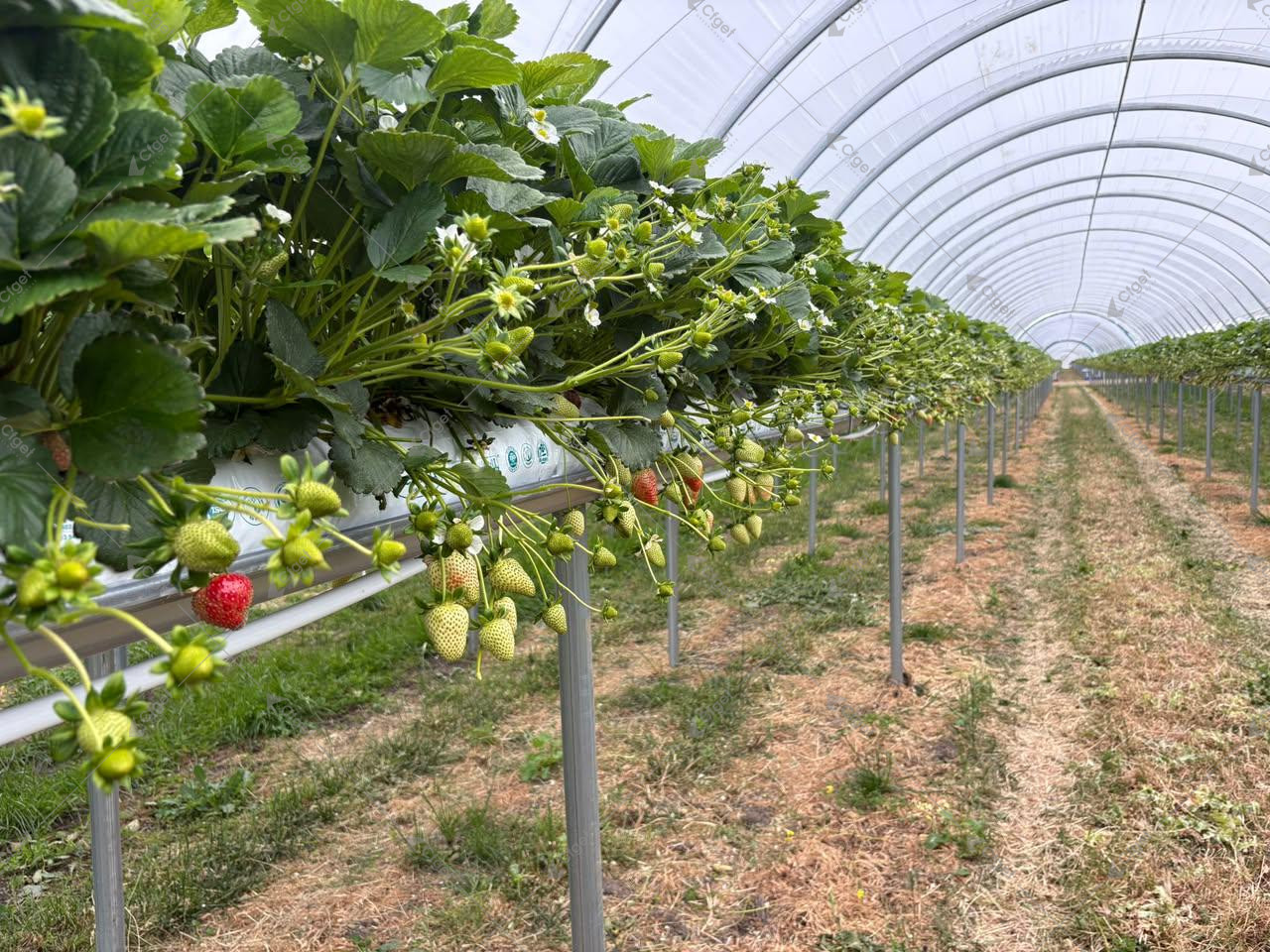
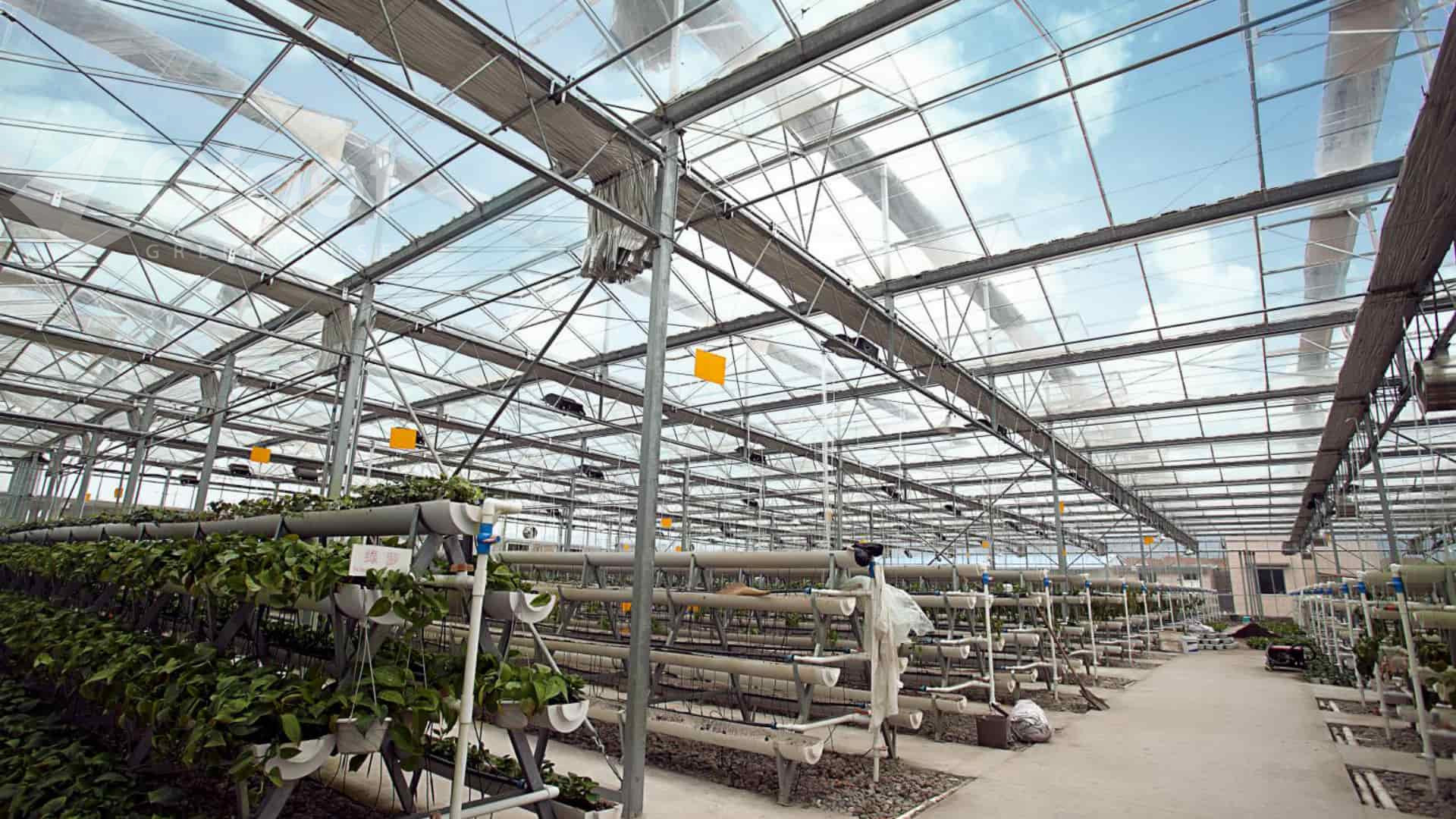
State plant density, row direction, gutter or bed system, trellis height, crop-support load, pipe-rail or trolley plan, and harvest route. Show propagation, plant receipt, crop work, picking, grading, packing, cooling, waste, and hygiene spaces. Door sizes and aisle widths should match actual carts and equipment.
Cucumber crops need frequent handling. The layout should allow access without damaging fruit or blocking irrigation and climate equipment. Put chemical storage, handwashing, tool cleaning, quarantine, and waste removal on the plan. These spaces should not be left for operators to improvise after commissioning.
Separate China intent from other cucumber pages
This page owns China site selection and greenhouse procurement. The Europe cucumber greenhouse guide covers higher-latitude light, energy, and European production conditions. The Egypt cucumber guide covers hot-arid cooling and water risk. The geography changes the design basis, so the pages should not offer the same universal structure answer.
Use the irrigation and fertigation scope for water-system responsibilities and the growing-systems overview when comparing soil, substrate, and hydroponic layouts.
Normalize commercial quotations
Separate structure, covering, walls, blanket or screens, vents, climate equipment, irrigation, growing system, crop support, controls, electrical work, civil work, drainage, freight, local installation, permits, commissioning, training, spares, and service. Mark exclusions beside each package.
Compare the same crop area and installed duty. Ask for equipment schedules, drawings, calculation basis, local-supply boundaries, energy and water assumptions, acceptance tests, and response to faults. The supplier can document capacity and scope. It cannot guarantee market price, yield, profit, or payback.
Commission normal and failed operation
Test vents, screens or blanket, heating, cooling, circulation, irrigation, dosing, crop sensors, alarms, and backup power. Include power loss, network loss, pump failure, sensor drift, and a stuck vent or screen where the agreed test can be performed safely. Record the safe state, response time, recovery method, and responsible operator.
Handover should include approved drawings, equipment schedules, controls narrative, setpoint boundaries, calibration records, software backups, spare parts, manuals, and training. Keep a Chinese-language operating set where the site team requires it. Operators need direct fault instructions, not only supplier marketing material.
RFQ inputs for a commercial cucumber greenhouse in China
- Coordinates, elevation, survey, drainage, access, local standards, and expansion plan.
- Hourly weather, wind, rain, snow where applicable, solar radiation, and production months.
- Cucumber type, cultivar group, crop calendar, sale unit, market window, and grade definition.
- Soil, substrate, or hydroponic method with plant density, crop support, and work height.
- Temperature, humidity, useful light, and extreme-event boundaries by crop stage.
- Water analysis, source capacity, storage, treatment, fertigation, drain, and discharge plan.
- Structure, covering, vents, screens, heating, cooling, and control duties at named conditions.
- Power, fuel, outages, backup autonomy, communications, and alarm ownership.
- Crop handling, packing, cooling, hygiene, waste, staff, and maintenance flow.
- Installation, approvals, commissioning, training, spares, warranties, service, and exclusions.
Technical references
- CSGtom: Open-source climate model for Chinese solar greenhouses
- Plants: Water and nitrogen study for solar-greenhouse cucumbers on the North China Plain
- Water: Cucumber microclimate and evapotranspiration in a sunken solar greenhouse
Send CFGET the China site, crop schedule, weather, water report, utilities, structure shortlist, and responsibility matrix. A useful proposal should expose its assumptions, installed duties, drawings, interfaces, exclusions, and acceptance tests.