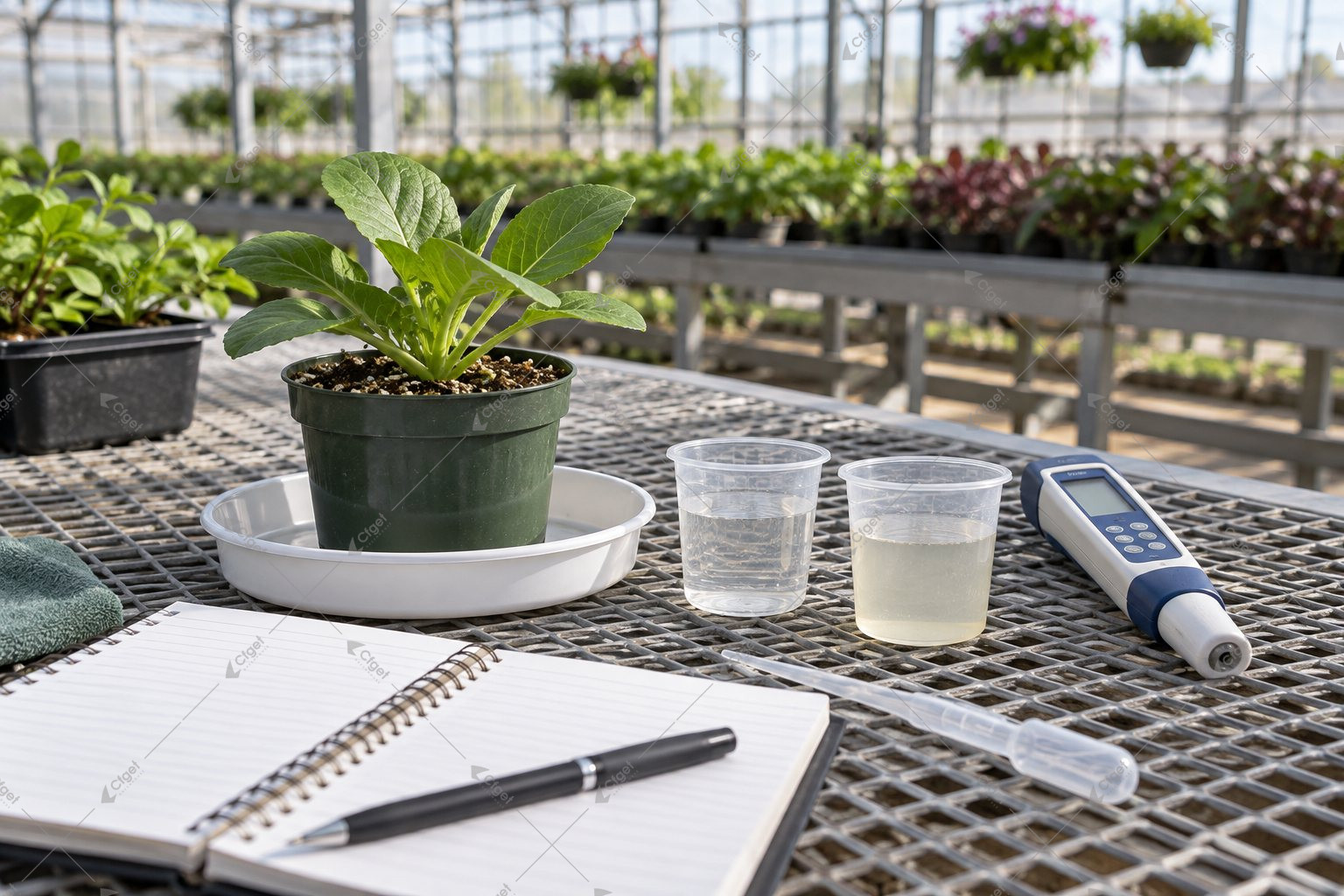
Your irrigation water can have a high pH yet cause less substrate pH drift than another source with a lower pH. The missing measurement is often alkalinity: the water’s capacity to neutralize acid. Choosing an acid injector from pH alone can leave the original problem unresolved and create unnecessary handling and control risks.
For a greenhouse crop, request water pH and alkalinity together, then interpret them with the substrate, fertilizer program, container size and length of the crop. A source-water result does not, by itself, specify a safe treatment dose.
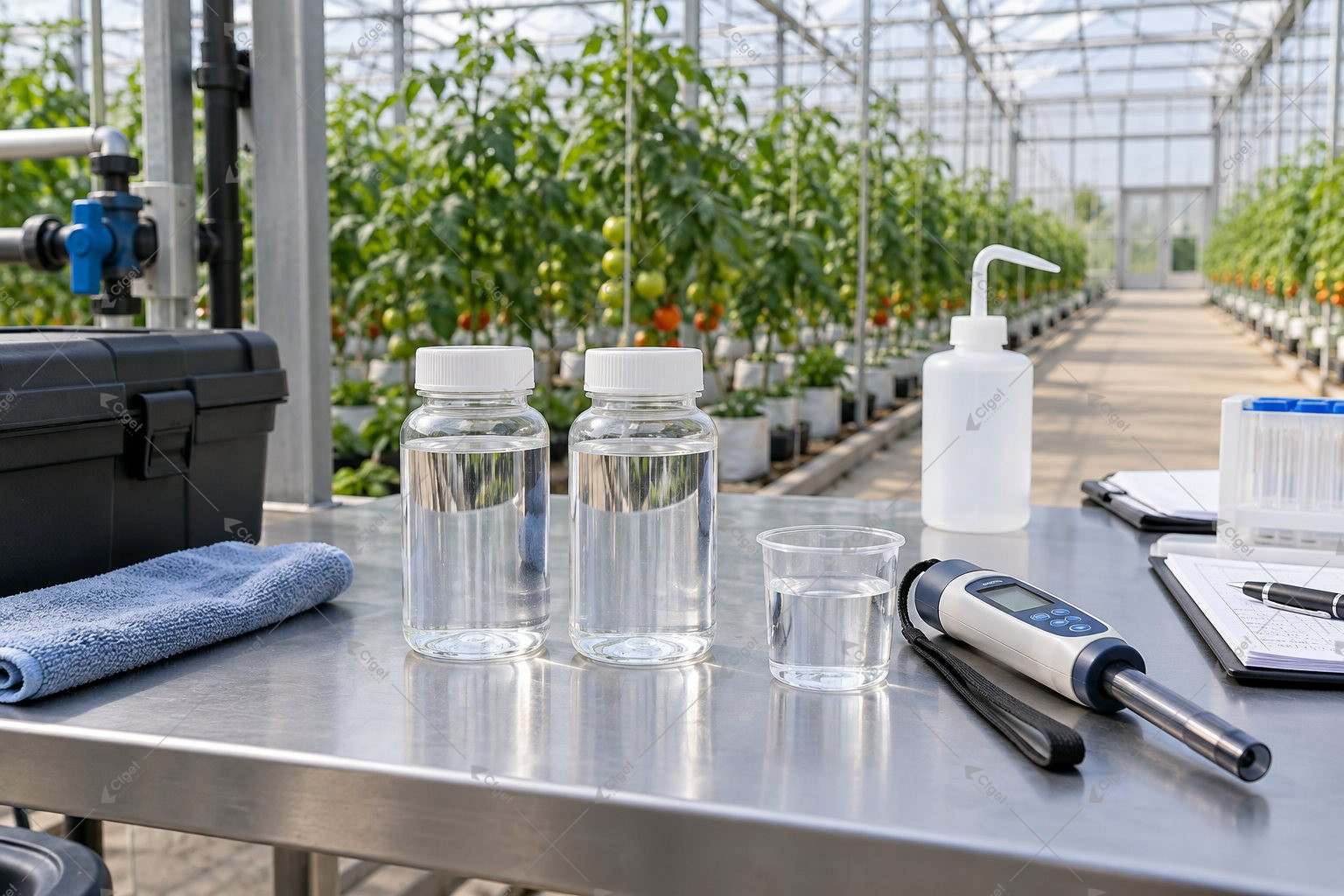
Three terms that lead to different decisions
University of Arkansas greenhouse guidance separates pH, alkalinity and hardness. pH describes acidity at measurement. Alkalinity describes acid-neutralizing capacity. Hardness mainly concerns calcium and magnesium. Hard water and high alkalinity can occur together, but one should not be substituted for the other.
| Measurement | Useful question | What it cannot establish alone |
|---|---|---|
| pH | How acidic or basic is this sample now? | How much treatment is needed to change it reliably |
| Alkalinity | How much acid-neutralizing capacity enters with irrigation? | The complete nutrient or salinity condition |
| Hardness and individual ions | Which minerals contribute to the water and nutrient balance? | A suitable crop recipe without the other water results |
Check reporting units. Alkalinity reported as mg/L calcium carbonate equivalent is not the same number as mg/L bicarbonate. Preserve the laboratory’s original units and ask for a conversion if two reports use different bases.
Follow the trend from the source to the pot
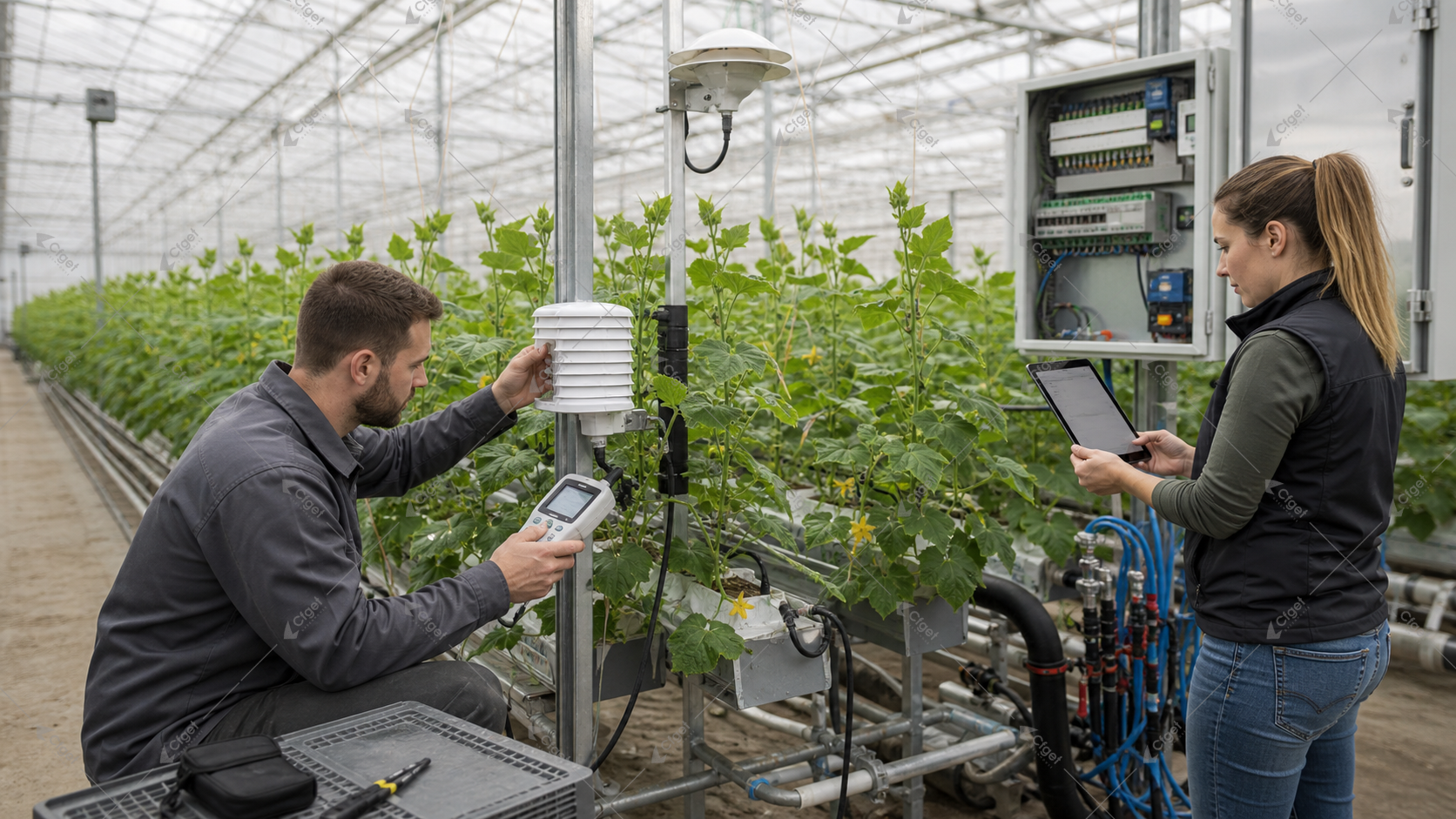
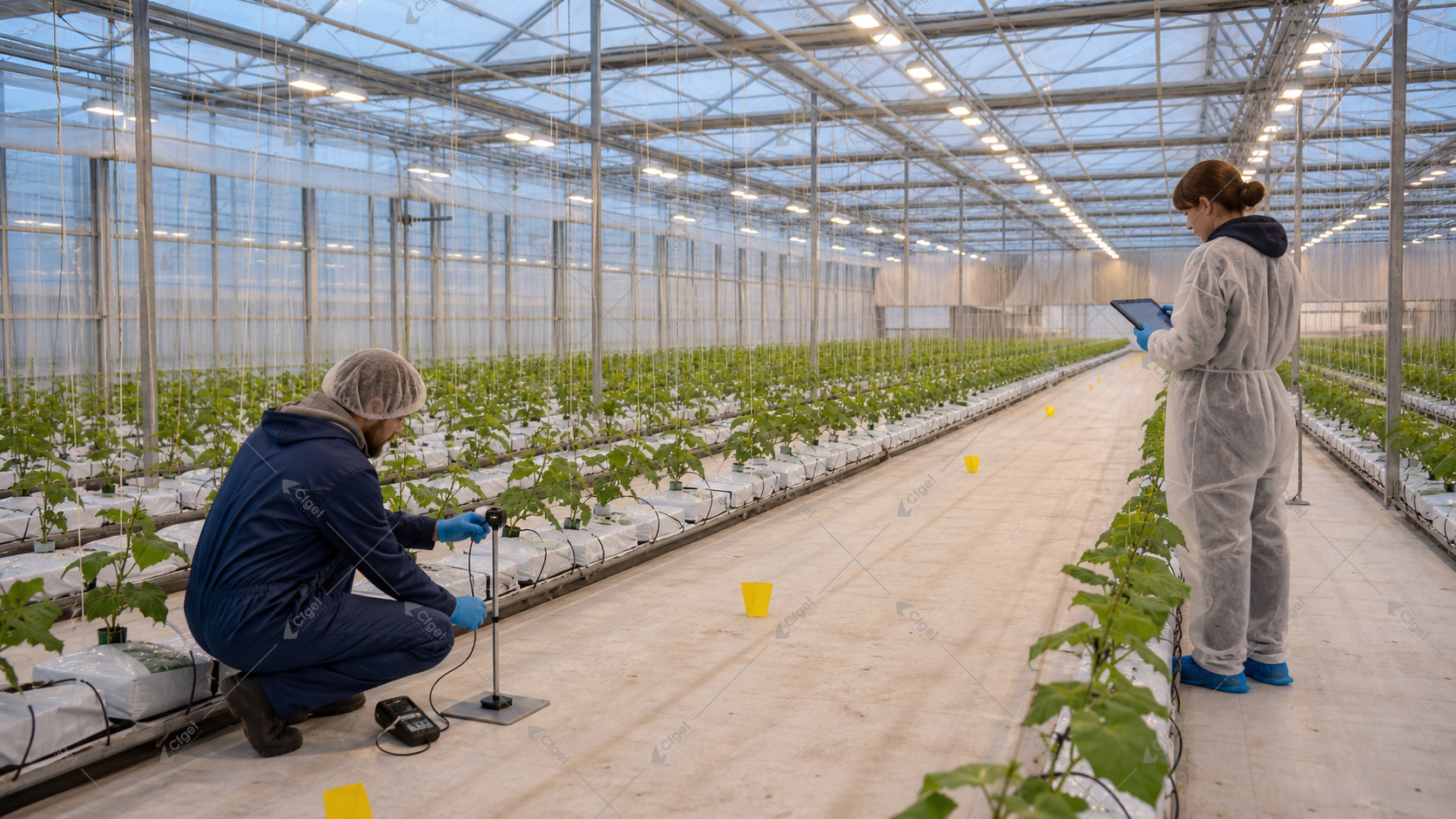
A useful investigation starts with four dated records: raw water, treated water, delivered feed and substrate results. Keep the substrate extraction method unchanged. Note when the water source was switched, when a fertilizer product changed and when the crop entered a period of heavier irrigation.
If raw-water alkalinity changes but the treatment system still runs at its previous setting, the delivered water may no longer match the agreed specification. If delivered water remains consistent while only one crop batch drifts, check substrate lot, container size, fertilizer choice and the actual irrigation volume reaching that batch.
Ask the laboratory for a panel suited to the question. Penn State’s irrigation-water testing service distinguishes a basic water-quality panel from a more complete panel that includes fertilizer nutrients. That distinction matters when investigating source water versus a mixed or recirculated solution.
Use cumulative exposure to organize the investigation
Consider a hypothetical bookkeeping example: 120 mg/L alkalinity as calcium carbonate equivalent, delivered in 100 litres, represents 12,000 mg, or 12 g, of calcium-carbonate-equivalent alkalinity in that water volume. Doubling the volume doubles that input. This is an accounting illustration, not an acid dose, a prediction of substrate pH or an actual CFGET measurement.
The example explains why the irrigation history belongs beside the water analysis. It does not account for substrate buffering, fertilizer reactions, drainage or plant uptake. A grower should not convert those 12 g directly into a chemical addition without a qualified treatment calculation and the specific chemical concentration.
Compare treatment proposals on the same basis
A treatment proposal should state the incoming water range, intended residual alkalinity, treatment flow range, monitoring point and response to a failed dose. Ask how it handles the smallest irrigation zone as well as peak flow. Also ask what the treatment contributes to the nutrient program.
Blending, fertilizer selection or a different water source may be part of the solution. Their suitability depends on crop sensitivity and available volumes. An ordinary particulate filter will not remove dissolved bicarbonate simply because it makes water look clearer.
Acid storage, injection, ventilation, personal protection, backflow prevention and emergency arrangements require competent local design and the chemical supplier’s instructions. This article intentionally provides no mixing recipe.
Use the greenhouse water-treatment guide to compare treatment functions. Keep alkalinity correction separate from particle filtration and disinfection in the specification.
What to prepare this week
Collect current and older water reports, a substrate pH trend and the recent irrigation and fertilizer history. Mark missing units or extraction methods before asking for recommendations. For a new greenhouse, share these records with CFGET and the water-treatment specialist so sampling access, tank space and control interfaces can be included in the layout. The useful output is a documented operating range and response plan, not merely a target pH on a quotation.