Bumps on pepper leaves are not automatically insect eggs, and a room humidity reading cannot rule out every physiological problem. Examine whether the marks are part of the leaf tissue, look for actual pests, and review conditions around the affected plants. Edema and intumescence are related-looking disorders with different explanations; neither should be diagnosed from one distant photograph.
This guide helps organise an inspection. It does not identify a pathogen or pest from appearance alone. Keep representative samples and seek a crop diagnostic service when symptoms spread, new growth is strongly distorted or the cause remains uncertain.
Establish what is on the leaf
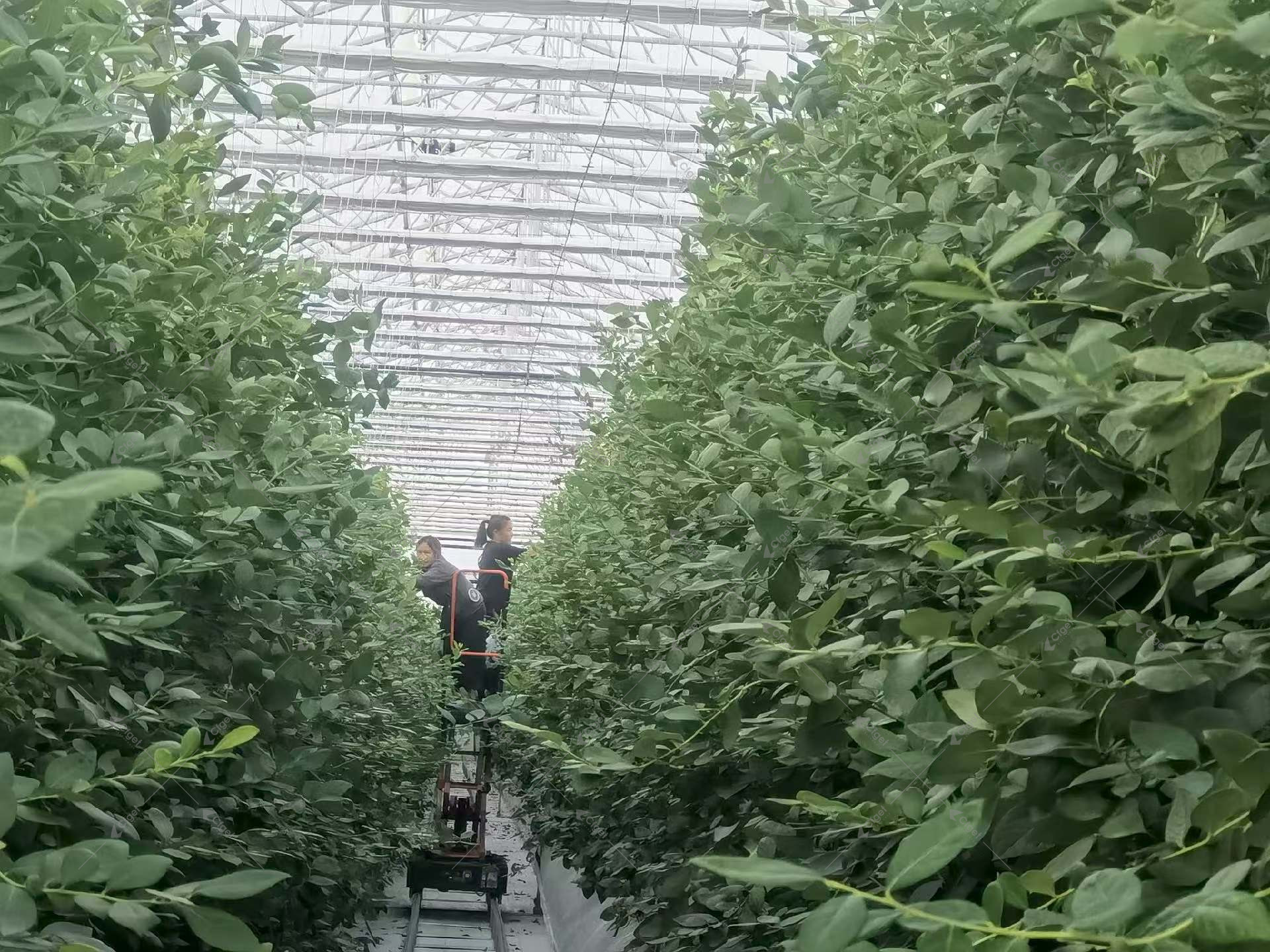
Use magnification to inspect both leaf surfaces, major veins, petioles and growing points. Record whether the bumps look embedded in the tissue or whether a distinct organism or removable deposit is present. Look for movement, webbing, feeding marks and insects elsewhere on the same plant.
Compare young and old leaves. Note whether the bumps occur on the upper face, underside or both, and whether new leaves develop similar marks. Photograph a healthy neighbouring plant of the same cultivar alongside the affected one.
UMass Extension distinguishes edema from intumescence. Both can produce raised tissue, but edema is associated with an imbalance in plant water relations, while intumescence is associated with light conditions including low UV-B. Peppers can show either disorder. The guide also warns that their appearance can resemble mite-related damage.
Finding no pest during one inspection is useful evidence, but it is not conclusive. An adviser may need fresh material, close photographs or a repeat examination to separate overlapping causes.
A fan does not describe the whole environment
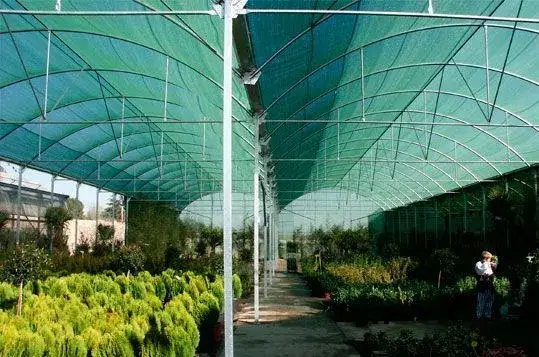
Record the position of the humidity sensor relative to the leaves and media. A reading in an aisle does not necessarily describe the canopy of a crowded bench or plants inside a small enclosure. Check what happens overnight and during cloudy periods, not only when the house is warm and ventilated.
Air movement and air exchange are different. A circulation fan can move the same air around a space without removing moisture from it. Moving a fan closer also changes the exposure of some leaves more than others. Avoid interpreting a fan’s presence as proof that every plant receives suitable conditions.
Inspect the root zone as well. Compare drainage, pot weight and moisture through the media in affected and unaffected plants. A dry surface is not a complete root-zone measurement. Conversely, keeping plants close to wilting is not a reliable way to correct an uncertain diagnosis.
The RHS explanation of oedema describes a physiological water-balance disorder and the importance of matching watering to conditions. That does not justify treating all corky bumps as excess irrigation or borrowing one watering interval for every substrate and container.
For a suspected light-related response, record the covering material, lamp type, recent changes in shading and whether plants were moved from one environment to another. Cultivar susceptibility matters. A result in an ornamental crop or one pepper variety does not establish the response of another.
Do not remove a greenhouse’s UV-protective glazing layer or add a UV lamp as an improvised remedy. The observation that light spectrum can influence a disorder is not an instruction to expose workers or crops to an uncontrolled source. Ask a qualified crop adviser to interpret the lighting and covering information first.
Use a small comparison that preserves the crop
Choose a few comparable plants from the same cultivar and stage, and document their initial condition. Where the diagnosis supports it, change one manageable factor, such as spacing or an irrigation setting, while maintaining suitable crop conditions. Keep an untreated comparison under otherwise similar conditions when that is appropriate for the production situation.
Record the change and inspect new leaves as they expand. Existing corky tissue may remain visible, so an old leaf looking unchanged is a poor measure of whether conditions improved. Use new symptom development, growth and root condition together.
If live pests are confirmed, move to a pest-specific programme. If laboratory assessment identifies another disorder, update the working explanation. Avoid repeatedly applying insecticides to a physiological response, or dismissing an active infestation because another grower called similar-looking bumps edema.
What to send with a diagnostic sample
Include cultivar, plant age, substrate, container size, watering and fertiliser history, and day/night observations. Add the date symptoms started, the first leaves affected, the fraction of the batch involved and any recent movement or covering change.
For a greenhouse design or environmental-control discussion, CFGET can use that context through the contact page. The useful outcome is a supported explanation and a measured correction, rather than a claim that one humidity number or another fan must solve every leaf symptom.