Short answer: a commercial aquaponics greenhouse is a greenhouse, recirculating aquaculture system and crop system sharing water, energy, labor and failure risk. Start the design with fish biomass and peak feed, crop area, water quality, air and water temperature limits, filtration, oxygen demand, backup power, sanitation and market requirements. Ask each bidder to show calculations, interfaces, alarms and acceptance tests. A promise of stable profit is not a design basis.
The existing article ranks for aquaponics greenhouse and commercial aquaponics greenhouse queries, but the useful queries have not produced clicks. It also speaks as if CFGET operates the system and presents profitability as a routine outcome. This version keeps the practical water-stability and layout topics, removes the invented operator voice and turns the page into a procurement and RFQ guide.
Define the production case before sizing equipment
Record the fish species, harvest size, maximum standing biomass, peak daily feed, production batches and mortality handling plan. For crops, record species, propagation method, plant area, growing channel or bed type, production calendar, harvest unit and market route. The two plans must share a consistent nutrient and water balance.
Do not size filtration from tank volume alone. Fish feed drives solids, ammonia and oxygen demand. The process designer should state peak feed, assumed waste fractions, hydraulic turnover, mechanical filtration duty, biofilter basis and cleaning frequency. Ask for the calculations and their safety factors. If one design uses a different feed rate or biomass assumption, its lower equipment price is not directly comparable.
| Design basis | Buyer input | Required supplier output |
|---|---|---|
| Fish production | Species, biomass, harvest plan, peak feed and health adviser | Tank duty, solids load, oxygen demand, filtration and mortality response |
| Crop production | Crop, area, growing method, planting and harvest calendar | Plant zones, flow distribution, nutrient boundary and sanitation method |
| Site and climate | Coordinates, hourly weather, loads, drainage and access | Structure, ventilation, shade, heating, cooling and water heat balance |
| Utilities | Water analysis, power, fuel, communications and outage history | Treatment, storage, load schedule, backup autonomy and alarm route |
Show the complete water and solids path
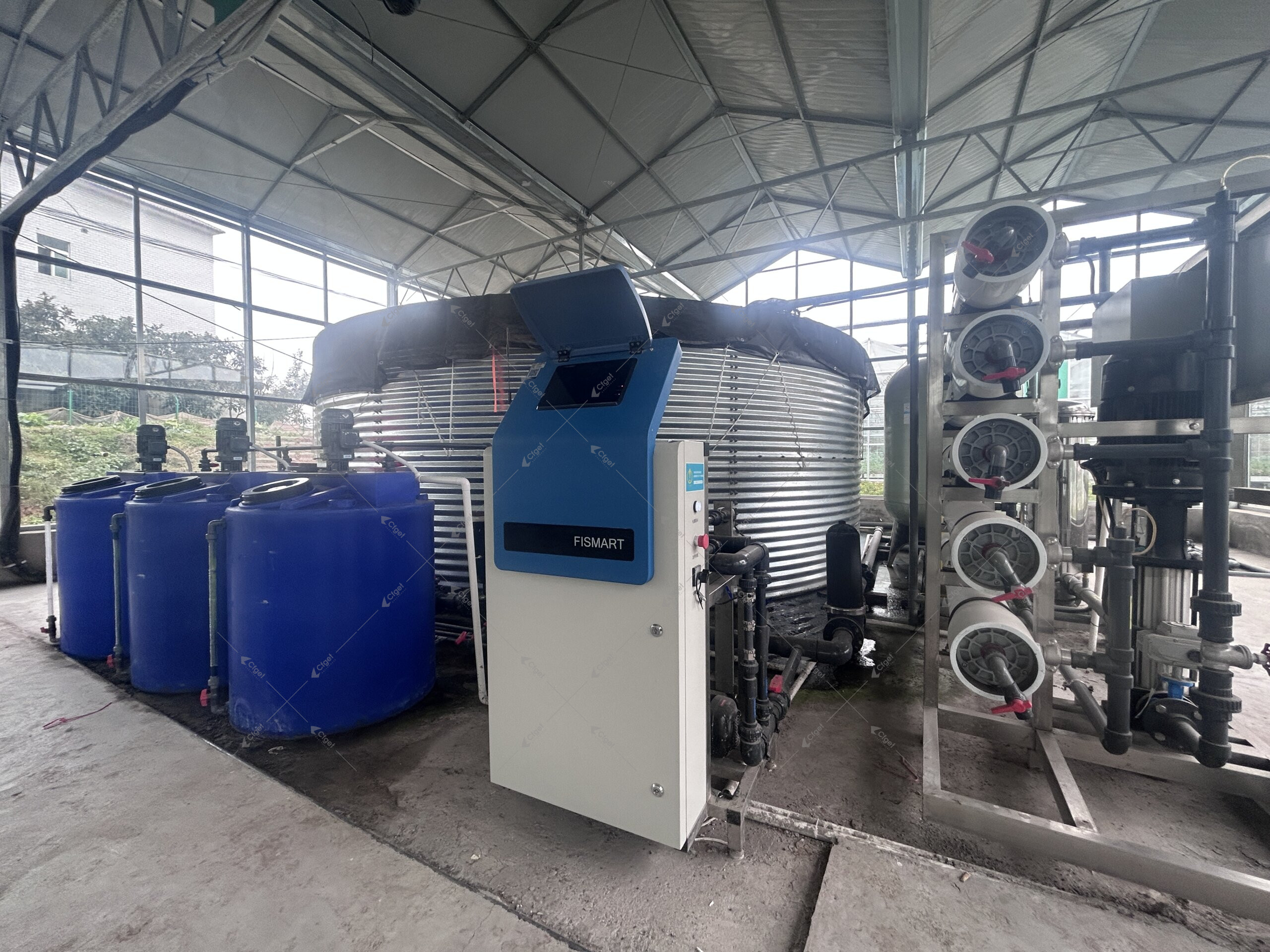
The process drawing should show tanks, water levels, pipe sizes, gravity drops, pump heads, bypasses, isolation valves, drains and overflow routes. Mark the highest and farthest operating points. Where production risk requires resilience, one tank, filter or plant zone should be serviceable without stopping the complete system.
Mechanical filtration needs a defined solids destination. Show how captured solids are removed, stored, treated or disposed of. Include drains, hose points, lifting clearance, slip-resistant access and washdown water. A filter that works hydraulically but cannot be cleaned safely will not meet its duty for long.
Biofiltration converts toxic ammonia through a biological process that depends on oxygen, temperature, pH and available surface area. The FAO aquaponics manual explains the relationship between fish, bacteria and plants and treats system balance as a managed process. Use that source to understand the mechanism, then require the project designer to state the actual loading and operating limits.
Protect oxygen and circulation as life-support systems
Fish, nitrifying bacteria and plant roots depend on oxygen. Risk rises with warm water, high biomass, feeding and biological demand. Ask for normal and emergency oxygen duties, blower or pump redundancy, distribution layout, monitoring points and the allowed response time after an alarm. Backup should protect the agreed life-support loads, not only the control panel.
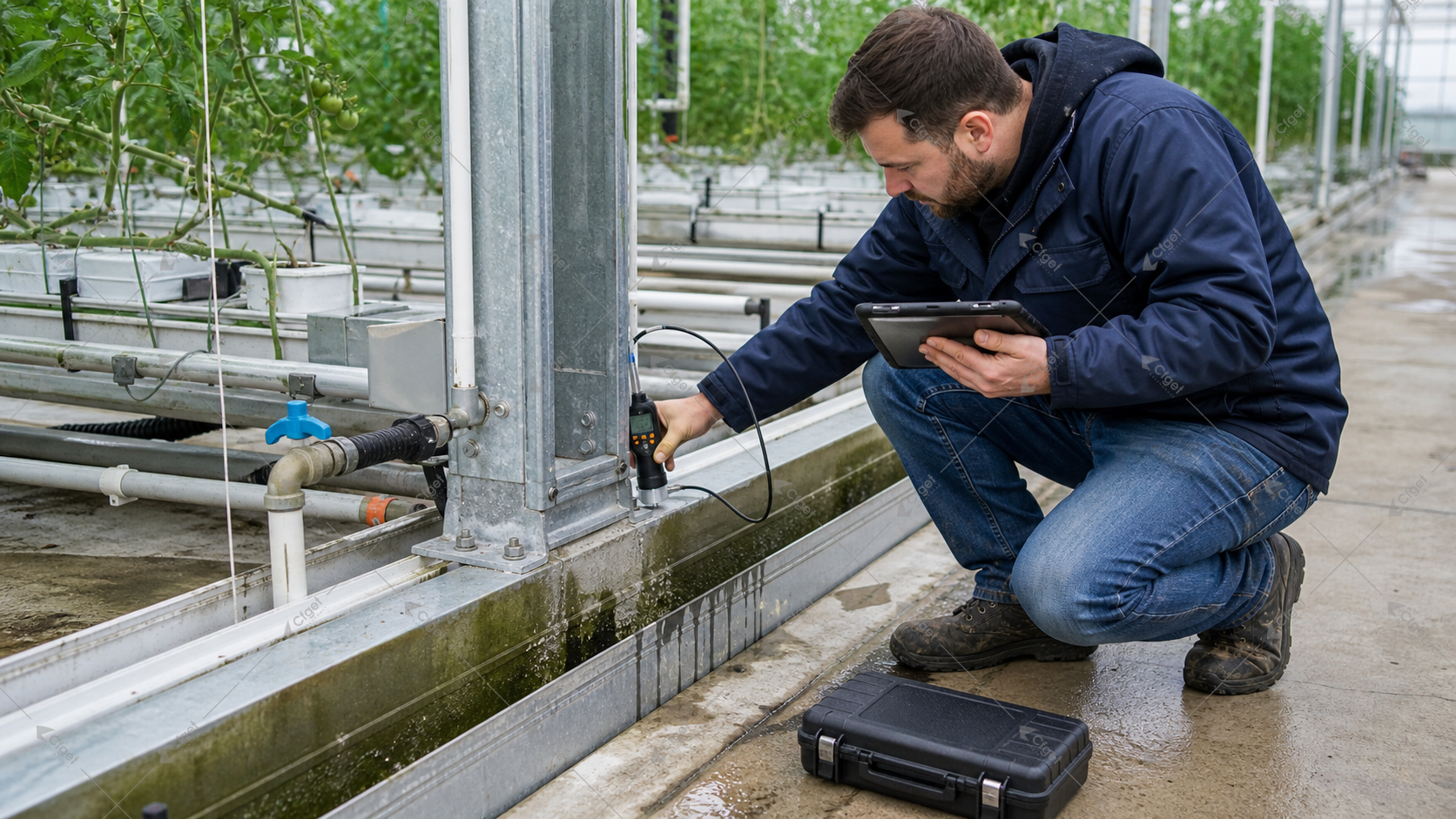
Test loss of the main blower, circulation pump, controller, sensor, network and normal power source. The alarm matrix should name recipients, escalation and the person who can physically respond. Record generator or battery capacity, automatic transfer, fuel autonomy and load priority. A phone notification does not keep fish alive if no trained operator can reach the site.
Control greenhouse air and water temperature together
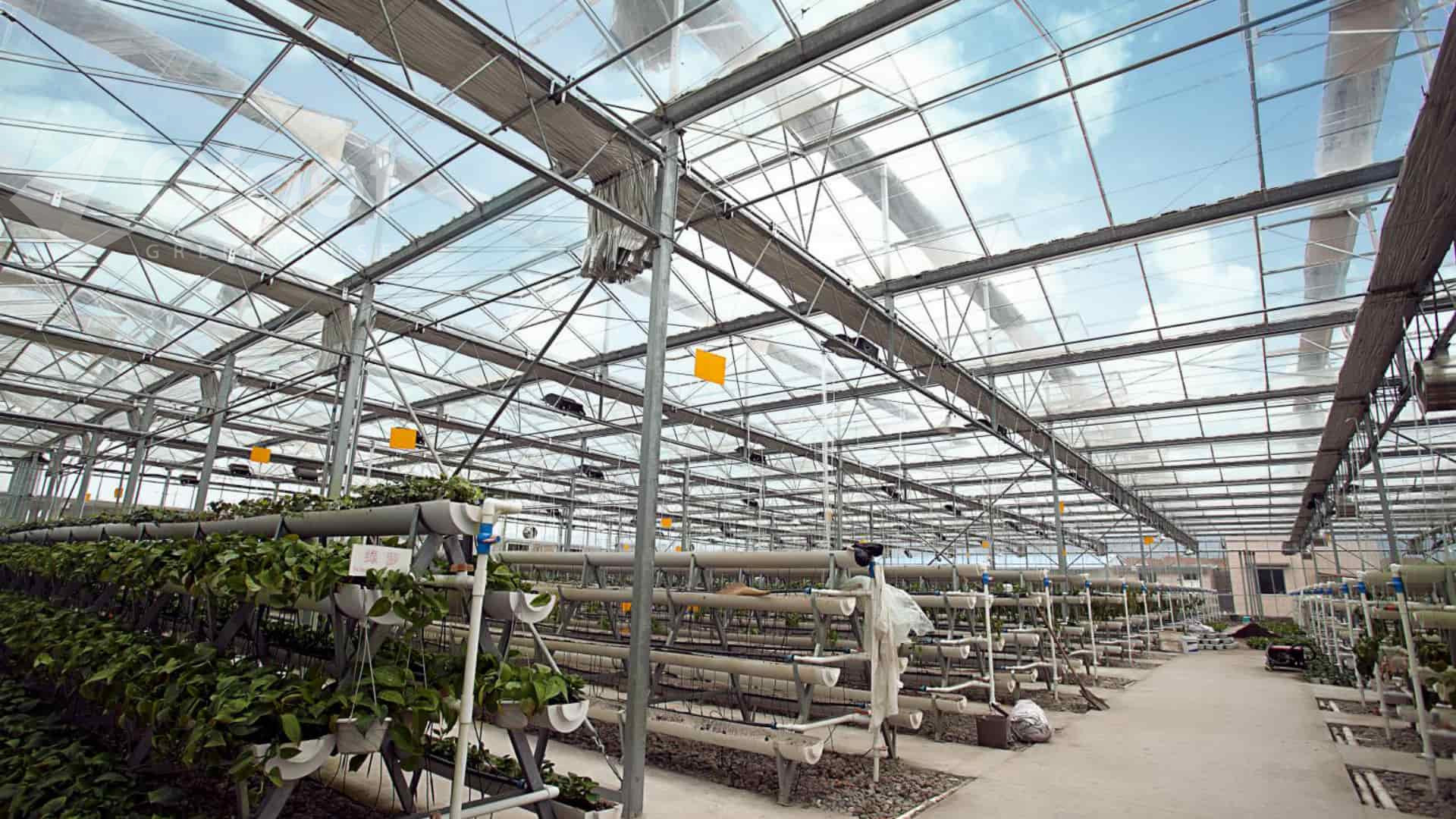
Solar gain, greenhouse air, humidity and water temperature interact. Provide the site weather file and the acceptable ranges for fish, bacteria and crops. Ask where heat enters and leaves the system and how the calculation treats tank surface, pipe runs, ventilation, shade, evaporative cooling, heating and chilling.
An air-temperature setpoint cannot describe fish-tank risk. The controls narrative should coordinate vents, shade, cooling, heating and water equipment so one system does not fight another. It should define sensor locations, deadbands, stages, high and low alarms, safe states and restart behavior after power returns.
Use the greenhouse temperature-control overview when scoping climate equipment. The commercial greenhouse overview helps compare structure families. Keep those decisions tied to the aquaponics water-temperature and life-support basis documented here.
Test water, sanitation and food-safety responsibilities
Test source water before design. Include pH, alkalinity, hardness, salinity, relevant ions, metals, turbidity and microbiological indicators. State storage, treatment and makeup capacity. Recirculation reduces water exchange, but solids purge, cleaning, mortality events and crop handling still create wastewater and waste that need an approved route.
Write the sanitation sequence before construction. Cover tanks, pipes, filters, plant channels, tools, harvest areas and rooms. Separate feed storage, chemicals, clean tools, dirty tools, harvest handling and waste. Identify what can be cleaned during production and what requires isolation or a production stop.
Food safety, fish health, crop advice, veterinary support and laboratory testing need named owners. CFGET can coordinate greenhouse structure and system interfaces, but it should not be presented as the local authority for every biological or regulatory decision. The commercial production greenhouse guide provides a responsibility-matrix and handover method for multi-discipline projects.
Build the commercial model from local evidence
Operating cost should include electricity, fuel, feed, fingerlings, seed, supplements, water treatment, testing, labor, packaging, waste, maintenance, replacements, insurance and delivery. Record equipment operating hours and efficiency. Use local tariffs and supplier maintenance intervals.
Revenue should use marketable crop and fish volume, sell-through, grade-out and actual sales channels. Test lower sales, higher feed or energy cost, mortality and downtime. Do not use a universal ROI or payback period. The same equipment can produce different financial results under different markets and operating discipline.
| Commercial check | Base evidence | Downside case |
|---|---|---|
| Fish sales | Harvest biomass, grade, mortality and buyer price | Higher mortality, slower growth or lower sell-through |
| Crop sales | Marketable units, grade, harvest timing and buyer terms | Lower packout, weaker price or delayed payment |
| Operating cost | Local feed, labor, energy, water, testing and maintenance | Tariff increase, extra labor, filter service or downtime |
| Working capital | Payment schedule, startup period and customer receivables | Delayed commissioning or a longer biological startup |
Commission before introducing fish
Dry commissioning should verify structure, electrical work, plumbing, valves, pumps, blowers, controls, power and alarms. Wet commissioning should test flow, leaks, tank levels, drainage, oxygen distribution, sensor calibration and emergency modes. Biological startup needs its own plan, acceptance criteria and responsible aquaculture adviser.
Handover should include approved drawings, hydraulic profile, equipment schedule, control narrative, setpoint boundaries, calibration records, software backups, spare parts, manuals, training and emergency contacts. Record who can change settings and how changes are logged. Keep test results with the final equipment and drawing revision.
RFQ inputs for a commercial aquaponics greenhouse
- Site, weather, survey, drainage, access, permitting and expansion plan
- Fish species, standing biomass, harvest size, peak feed and production calendar
- Crop types, growing method, plant area, harvest unit and market route
- Water analysis, source capacity, storage, treatment and discharge constraints
- Air and water temperature boundaries, humidity and extreme-weather duty
- Hydraulic profile, filtration, biofilter, aeration and sanitation responsibilities
- Electrical load, outage history, backup autonomy, alarms and response ownership
- Food safety, fish health, crop advice, waste, worker safety and laboratory interfaces
- Freight, civil work, installation, startup, commissioning, training and spares
- Acceptance tests, documents, warranties, service response and exclusions
Technical references
Coraline Liao is CEO and Greenhouse Technical Director at CFGET. Her role on this guide is to frame greenhouse scope, system interfaces and handover questions for commercial buyers. Aquaculture, crop, veterinary and food-safety decisions remain with the responsible project professionals.
Send the site, weather, fish and crop plan, peak feed, water analysis, utilities and responsibility matrix through the CFGET contact page. Ask bidders to expose calculations, equipment duty, drawings, exclusions and acceptance tests in the quotation.