Can you grow vegetables in a greenhouse year round? Yes, but only when the crop, climate, heating or cooling plan, light level, water quality, and labor routine can support the weak months as well as the easy ones.
*By Coraline Liao, CEO, CFGET | Updated: July 3, 2026*
*Reviewed by CFGET Project Planning Team*
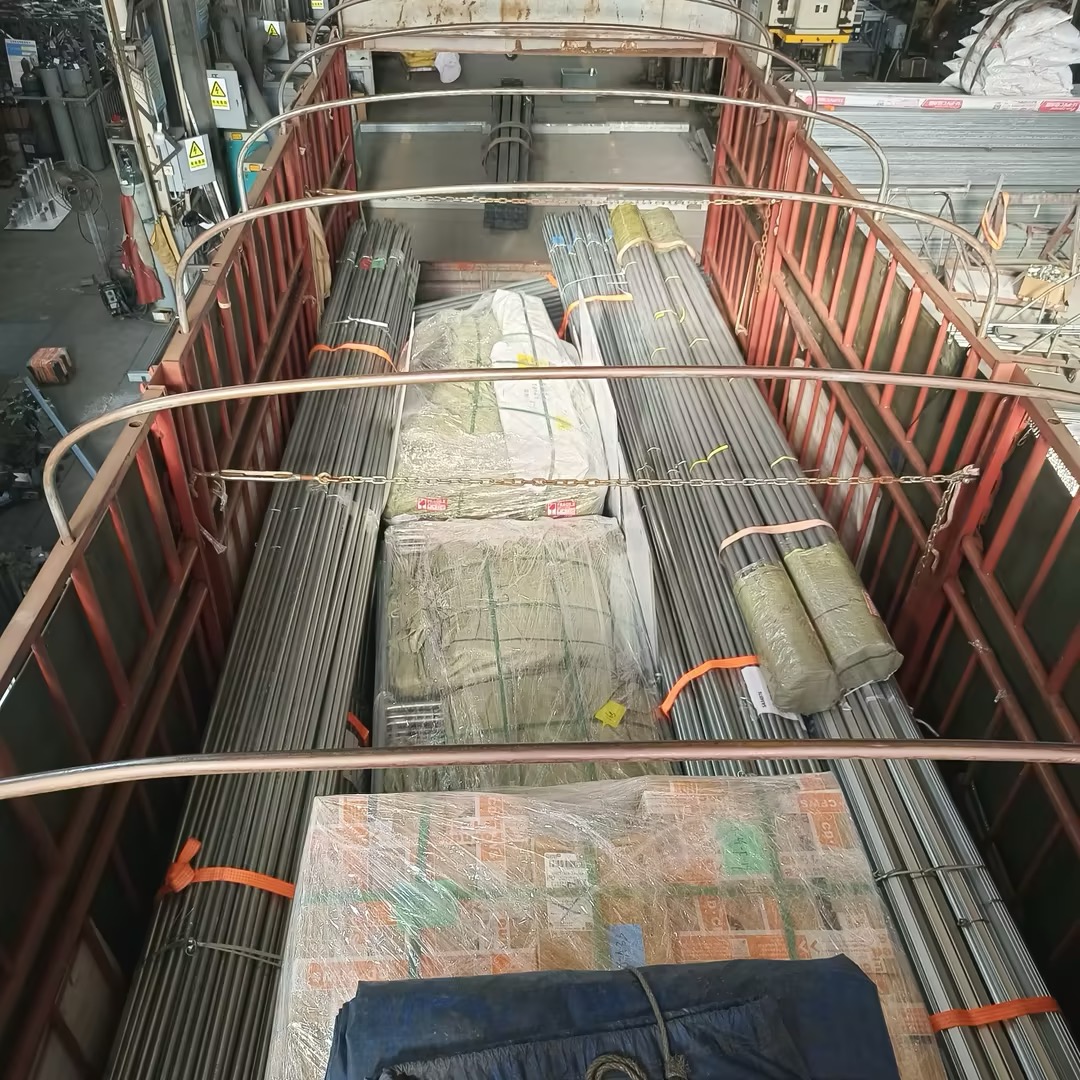
When I review a year-round vegetable greenhouse request, I do not start with the frame. I start with the crop calendar, the hardest month, the heating or cooling gap, and the operator who has to run it every day.
For wider project context, read this alongside Commercial Greenhouse Buying Guide. I also keep Commercial Greenhouse Solutions open when structure, systems, and crop planning need to stay connected.
Quick answer
- year-round greenhouse vegetable production should be selected from crop targets, water quality, power supply, climate pressure, operator skill, and maintenance capacity.
- Equipment should be sized as one system because ventilation, cooling, shading, irrigation, sensors, and controls affect each other.
- Ask for a layout, system diagram, equipment list, control logic, spare parts plan, and installation boundary before buying.
- A system is risky when the supplier cannot explain operating assumptions or replacement parts.
Key facts for buyers
| Question | Answer worth making visible |
| What changes the recommendation? | year-round greenhouse vegetable production depends on climate, crop, site services, budget, installation, and maintenance ability. |
| What should the buyer send? | Location, crop, area, target season, climate issue, required systems, timeline, and installation scope. |
| What should the supplier show? | Layout, equipment scope, assumptions, limits, spare parts, and support process. |
How would I make this decision on a real project?
On a year-round vegetable project, I first mark the months when the crop will struggle. In some sites that means winter light and heat. In others it means summer heat, humidity, and disease pressure.
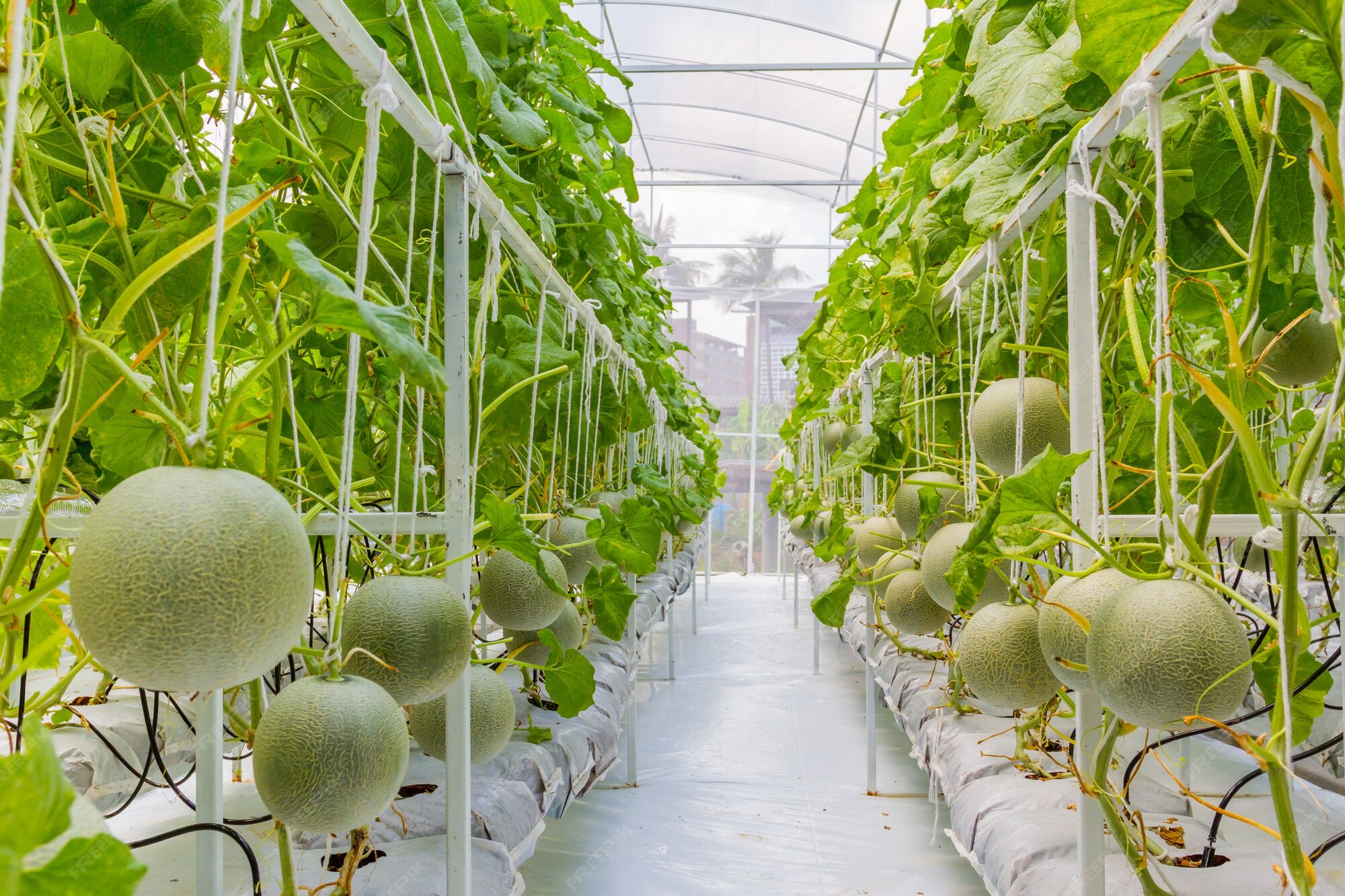
Then I match the greenhouse to the crop calendar, not the other way around. The same structure can work well for seasonal greens and poorly for year-round tomatoes if gutter height, ventilation, and irrigation are wrong.
Before ordering, confirm local climate data, power, water quality, fuel cost, labor skill, and market price. The greenhouse is only one part of the production plan.
Field notes I would check before pricing
- For year-round greenhouse vegetable production, I would check climate, crop workflow, structure drawings, system scope, installation boundary, and spare parts before trusting a supplier answer.
- The practical risk is usually a chain of small missing assumptions that only appears after shipment or installation.
- I would ask the supplier to show the exact spec behind the recommendation, instead of only saying the option is suitable.
Buyer checkpoint before pricing
| Buyer question | What to decide before requesting a price | Why it protects the project |
| Crop target | Temperature, humidity, irrigation, drainage, and harvest window. | Keeps equipment sizing tied to the growing plan. |
| Site limits | Water quality, power supply, heat, cold, wind, dust, and maintenance skill. | Prevents over-design or under-design. |
| Serviceability | Spare parts, controls, installation drawings, and operator training. | Reduces downtime after the greenhouse is built. |
Evidence pack
For year-round vegetables, the quote should be checked against the crop calendar, local climate, water quality, labor plan, and maintenance capacity.
| Project input | What to verify | Why it matters |
| Climate data | Monthly temperature, wind, snow, humidity, radiation, and extreme events. | The greenhouse has to fit the site, not the catalog. |
| Crop plan | Crop, growing method, row spacing, target season, and labor skill. | Crop requirements change height, ventilation, irrigation, and control needs. |
| Supplier scope | Drawings, bill of materials, packing list, installation support, and after sales process. | Clear scope reduces hidden cost and wrong expectations. |
Climate and project assumptions to confirm
- Use local wind and snow load assumptions before confirming structure.
- Check the hottest and coldest operating months, the annual average alone.
- Confirm water quality and power availability before selecting irrigation or climate equipment.
Suitable when
- The crop, climate, structure, systems, and budget have been defined together.
- The supplier can provide drawings, specifications, and a clear responsibility boundary.
- The buyer has a realistic plan for installation, operation, and maintenance.
Not suitable when
- The design was copied from another country without local climate review.
- The quote lists only product names and a total price.
- Yield, payback, or lifespan is promised without assumptions.
Neutral source to keep beside the quote
CFGET project planning note
For year-round greenhouse vegetable production, I would first check the local climate file, crop workflow, structure drawings, system scope, installation boundary, and spare parts plan before treating any supplier answer as complete.
Buyer risk signal
Risk signal: the supplier says vegetables can be grown all year but does not discuss the hardest month, energy cost, humidity control, pest pressure, or expected labor routine.
Ask the supplier for these exact specs
| Spec to request | Why it matters |
| Steel specification, load assumptions, bay/span size, and foundation boundary | These decide whether the structure offer is comparable. |
| Covering material, ventilation, irrigation, controls, and optional systems | Missing systems often explain why one quote looks cheaper. |
| Packing list, installation responsibility, spare parts, and warranty boundary | These details matter after payment and delivery, when fixes become expensive. |
What vegetables can you grow in a greenhouse all year long?
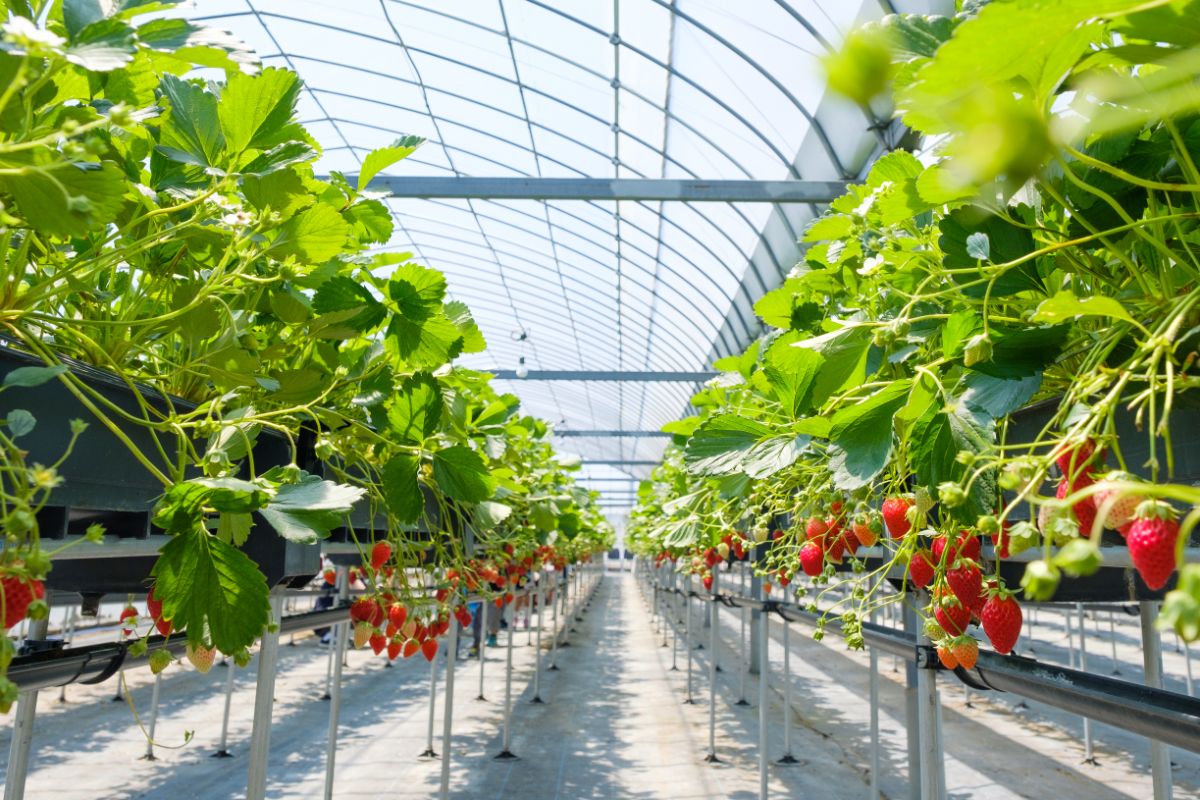
Many buyers compare greenhouse options before they define the job the structure has to do. That can make two quotes look similar when the scope is not similar at all.
Define the climate, crop, size, and operating target before selecting the structure or equipment package.
| Decision area | Why it matters | Evidence to request |
| Climate | Temperature, wind, snow, and humidity define the structure and systems. | Local climate data and load assumptions. |
| Crop | Tomato, lettuce, flowers, and berries need different layouts and controls. | Crop plan, row spacing, and production target. |
| Supplier scope | A low quote may exclude installation, controls, or spare parts. | Detailed bill of materials and delivery scope. |
How I would evaluate it
I would first check the project location, crop value, target planting season, local wind and snow expectations, available water and power, and whether the buyer needs a simple structure or a controlled production system. These details decide whether a film tunnel, polycarbonate house, glass house, fan-pad system, natural ventilation, drip irrigation, or climate computer is appropriate.
How do cooling, heating, and ventilation work together?
A greenhouse can fail commercially even when the frame is strong if the operating system does not match the crop or climate.
Compare each option by crop performance, maintenance, energy use, installation difficulty, and long term replacement cost.
| Check | Good sign | Risk sign |
| Specification | Clear steel, covering, load, and system details. | Only product names and a total price. |
| Climate fit | Design mentions heat, wind, snow, humidity, or shade. | Same design offered for every country. |
| Support | Drawings, packing list, installation guidance, and spare parts are defined. | After sales support is vague. |
What to request from a supplier
Ask for a bill of materials, structure drawing, covering material specification, system diagram, packing plan, installation responsibility, spare parts list, and quote validity period. If two quotes differ sharply, compare what each quote excludes before deciding one supplier is cheaper.
What mistakes create expensive climate problems?
Buyers often ask for a fast price before sending the information that makes the price mean anything.
Send a short RFQ with location, crop, area, climate issue, structure type, systems, timeline, and installation scope.
| RFQ field | Example | Why it matters |
| Country and city | Riyadh, Saudi Arabia | Sets climate, logistics, and design assumptions. |
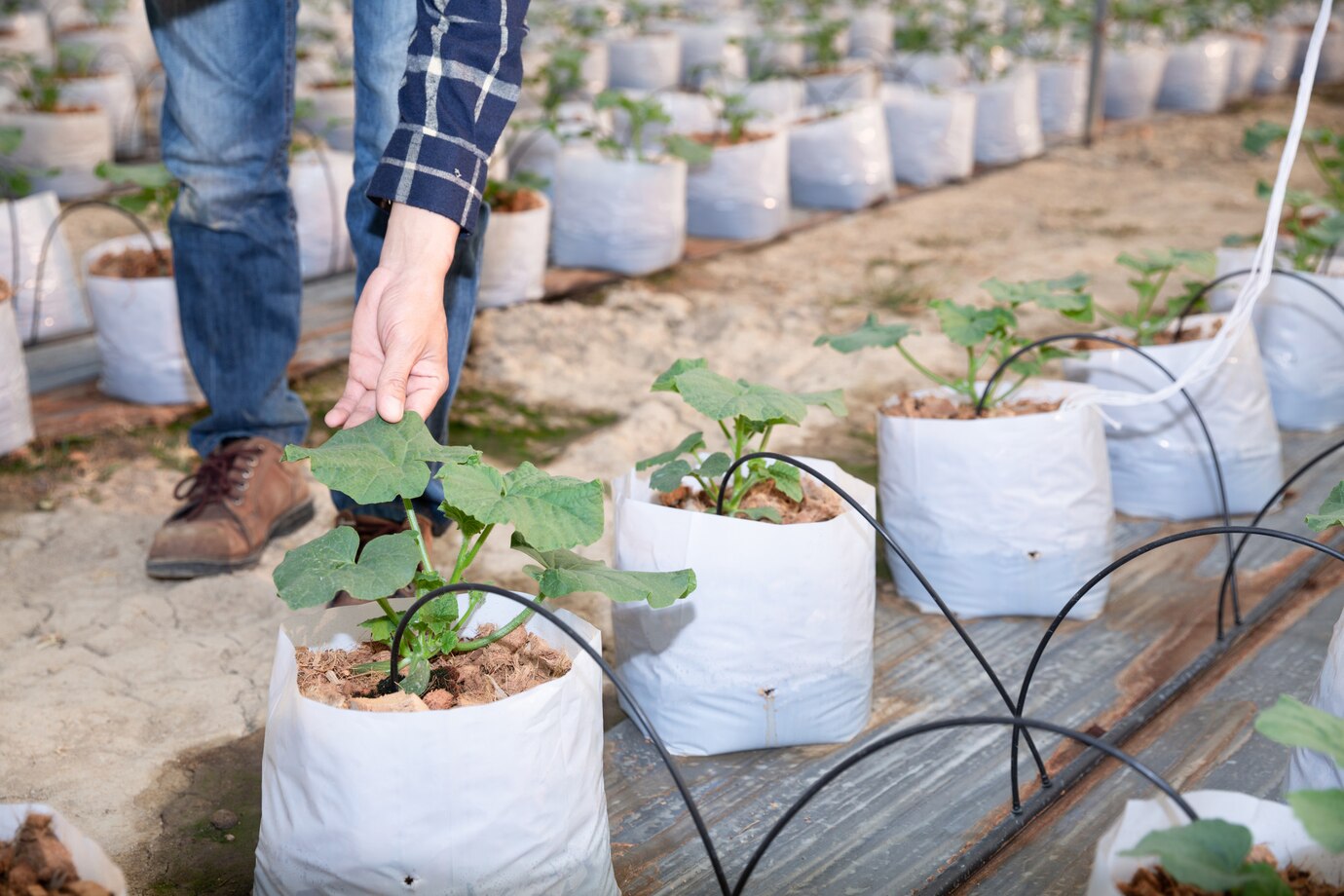
| Crop and method | Tomato in substrate bags | Defines height, irrigation, drainage, and climate targets. |
| Area | 1 hectare / 2.47 acres | Controls span layout, equipment sizing, and shipping volume. |
| Systems | Pad-fan, drip fertigation, shade screen | Prevents missing equipment in the quote. |
| Supplier scope | Materials only, supervision, or full installation support | Separates supplier responsibility from local owner work. |
Practical next step
Send country and city, crop list, target harvest months, greenhouse area, winter and summer climate issue, water source, irrigation method, and installation scope. If you already grow the crop outdoors, include the current planting calendar.
My practical take
Year-round vegetable production is possible, but the design has to respect the bad months. A useful greenhouse quote explains how the crop survives heat, cold, humidity, irrigation mistakes, and labor limits after installation.
Before you use this recommendation
- Use this as a planning guide, not as final engineering design.
- Check the local climate data, crop plan, water quality, energy cost, and building rules before ordering.
- Ask the supplier to show drawings, material specs, equipment scope, packing details, and installation responsibilities.
- Avoid quotations that promise yield, payback, or structural performance without stating the assumptions.
How I prepared this guide
I prepared this guide the same way I review an early buyer request: start with the search question, turn it into a project checklist, check the available project media, and keep neutral technical sources beside the quote when a reliable public reference is available. The point is to make assumptions, limits, and RFQ details visible before buyers compare suppliers.
Coraline Liao works on greenhouse planning from CFGET’s project side, where early decisions often come down to climate fit, crop requirements, installation limits, and long term operation. This guide reflects that practical review style. Local climate data, budgets, crop plans, and professional engineering review should still shape the final design.
Company details
CFGET: CFGET designs, manufactures, and delivers greenhouse systems and smart farming solutions from its own factory in Sichuan, China.
Address: NO 108, South Area Chengdu Modern Industrial Park, Sichuan, China
Email: [email protected]
About CFGET: https://cfgreenway.com/about/
Where this fits in the greenhouse buying cluster
Start with the hub, then use the related pages that match the system or crop decision you are making.
- Commercial Greenhouse Buying Guide
- Commercial Greenhouse Solutions
- Greenhouse Growing Systems
- Vegetable Greenhouses
- Greenhouse Climate Control
- Greenhouse Humidity Control
- Smart Greenhouse Control
- CFGET Project Cases
Related CFGET resources
Frequently asked questions
Is year-round greenhouse vegetable production enough information for a greenhouse quote?
No. A useful quote also needs country, crop, area, climate, target season, structure preference, systems, and installation scope.
What information should I send before asking for a price?
Send the project location, greenhouse size, crop, climate challenge, preferred covering, required systems, and whether you need installation guidance.
Can one greenhouse design work in every country?
No. Wind load, snow load, heat, humidity, labor skill, crop value, and local regulations can change the right design.
Should I choose the cheapest greenhouse supplier?
Not by price alone. Compare drawings, material thickness, load assumptions, equipment scope, delivery terms, and after sales support.
Why does CFGET ask for climate and crop details first?
Those details decide the structure, ventilation, covering, irrigation, and control system. Without them, a quote can look precise but still be wrong for the project.