Short answer: HPS, LED, metal halide and ceramic metal halide grow lights should be compared as complete installed systems, not by lamp name. Use the crop light target, available sunlight, greenhouse transmission, current fixture photon output and efficacy, distribution, mounting layout, electrical scope, heat interaction, controls, maintenance and delivered cost per useful photon. No technology wins every greenhouse.
The previous article offered a short hobby comparison, linked to affiliate-style and forum sources, and used four generated-looking illustrations. It did not define crop area, light target, fixture age, distribution or electrical duty. This revision keeps the established HPS and metal-halide queries while adding a commercial greenhouse comparison that can be checked in a quotation.
Define the crop light duty first
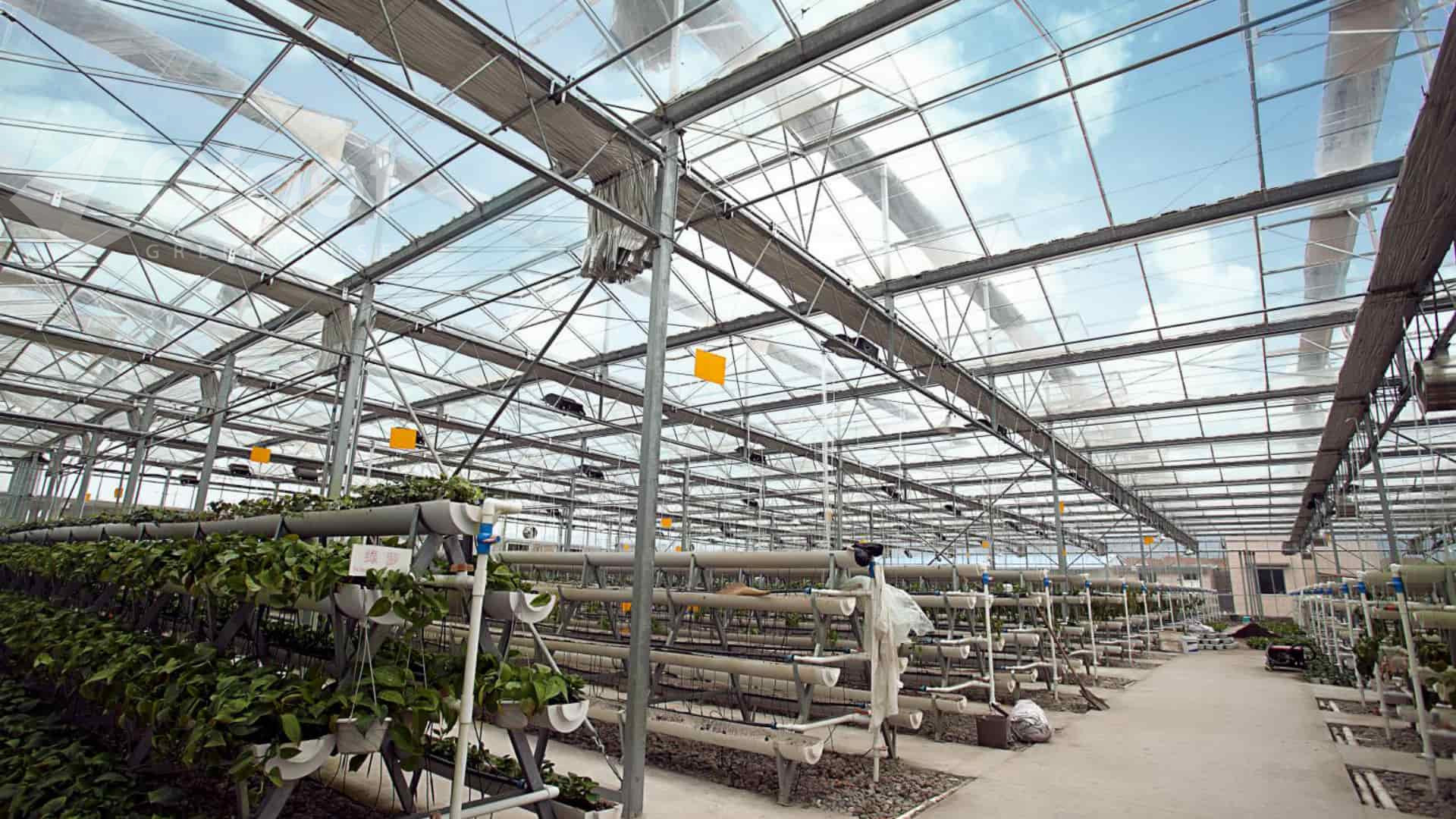
Ask the grower or crop adviser for the target daily light integral, crop-level photosynthetic photon flux density, photoperiod limits, growth stage, production months and any quality constraints. Then estimate or measure the natural light available at crop height. Outdoor solar data must be adjusted for covering transmission, structure shadows, screens, dirt, condensation and other equipment.
The required supplemental quantity can change by month and by control zone. A northern winter crop may need long operating hours. A bright-climate crop may need lights only during selected periods or not at all. State the design periods and the allowed shortfall. A fixture comparison without the crop duty can reward a powerful lamp that is unnecessary or a low-cost lamp that cannot meet the production brief.
| Input | Record | Why it changes the comparison |
|---|---|---|
| Crop duty | DLI, PPFD, photoperiod, stage and calendar | Sets photon quantity and operating time |
| Natural light | Weather source, greenhouse transmission and screen states | Defines the supplemental deficit |
| Canopy | Crop area, row geometry, height and edge treatment | Changes photon capture and uniformity |
| Facility | Bays, structure, service routes and climate equipment | Sets mounting, shadow, access and heat constraints |
Compare exact fixtures, not technology averages
HPS fixtures differ by lamp, ballast, reflector, age and condition. LED fixtures vary by diode package, spectrum, driver, thermal design, optics and operating current. Metal halide and ceramic metal halide products also have different output and distribution. Request the current model number, rated input power, photon flux, efficacy, spectrum, distribution file, allowable ambient conditions and test report.
Michigan State University’s 2024 LED update explains that light output, spectrum and fixture efficacy are separate characteristics. It also notes large variation among qualified horticultural LED products. Do not apply one LED efficacy or one HPS efficiency to every proposal. A current product report is more useful than a category claim or an old comparison table.
Measure delivered photons and uniformity
Fixture efficacy describes photons emitted per unit of electrical energy. It does not show how many reach the crop. Distribution, mounting height, spacing, greenhouse members, screens, aisles and perimeter losses affect delivered light. Compare layouts at the same crop-level target, measurement grid and uniformity rule.
Request a plan and section with fixture positions, mounting height, aiming where applicable and edge treatment. The supplier should report average, minimum and maximum values, plus the uniformity calculation. State whether the model includes background sunlight and what screen or greenhouse condition applies. Commissioning must repeat the agreed measurement condition with a calibrated meter.
Do not turn spectrum into a universal crop claim
HPS typically has a different spectral distribution from broad-spectrum or red-heavy LED products. Metal halide products add another profile. Plant response depends on species, cultivar, growth stage, total light and the share of electrical light relative to sunlight. A greenhouse already supplies a broad solar spectrum during daylight, so results from a sole-source indoor trial may not transfer directly.
Ask the crop adviser which spectral properties matter for the intended crop and stage. Keep the supplier claim tied to the cited experiment, fixture, intensity and environment. Avoid statements that one color automatically increases yield, flowering or quality. When spectrum is a project objective, define the measurement method and acceptance band in the RFQ.
Account for heat and greenhouse climate
All electrical lighting adds heat to the facility, though its location and transfer path differ. HPS lamp and reflector assemblies can create high local radiant and convective loads. LED fixtures and drivers also release heat. That heat may offset heating during some hours and add ventilation or cooling demand during others.
Give the climate designer the installed input power, fixture and driver locations, operating schedule and allowable ambient range. Check clearance from covering, screens, crop wires and irrigation. Define what happens when vents, shade, cooling and lighting requests conflict. A lighting proposal should not be accepted until the electrical and climate designs use the same operating case.
Include the complete electrical scope
List voltage, phase, circuit loading, inrush, power factor, harmonic data, drivers or ballasts, disconnects, cable routes, panel capacity and transformer impact. Add emergency or backup requirements, lightning and surge protection, moisture and dust exposure, local electrical classification and safe service access. Licensed local electrical professionals must confirm code compliance.
Different fixture counts can change panel space, cable length, mounting labor and control zones even when crop-level light is similar. Compare connected load and measured or warranted input under the intended dimming state. The grow-light electricity cost guide owns tariff, demand-charge and operating-hour calculations, while this page owns fixture-technology selection.
Compare controls and failure behavior
Define schedules, daylight sensing, dimming, zones, overrides, alarms and trend storage. State sensor type, location, calibration and what happens when a sensor or communication link fails. HPS and some other discharge fixtures have warm-up and restart behavior that must be reflected in the control sequence. LED systems may offer finer dimming, but only if the driver, protocol and controller are compatible.
Test power loss, controller loss, bad sensor values, daylight transitions and recovery. Record the expected safe state for each failure. The smart greenhouse control overview describes wider sensor and controller interfaces. It does not replace the lighting-specific sequence and acceptance test.
Use a lifecycle comparison with current prices
Compare fixture purchase, mounting, wiring, panels, controls, commissioning, utility costs, cleaning, lamp or driver replacement, spare stock, labor, crop disruption and disposal over the same analysis period. Use the site tariff, including demand and time-of-use elements where applicable. Record rebates separately because availability and eligibility can change.
Do not copy an old LED-versus-HPS payback result. Fixture performance and prices change, while energy prices, operating hours and capture efficiency differ by project. Use base and downside cases. If an existing HPS system is being replaced, include its measured input, photon output, maintenance condition, remaining value and the installation downtime of the new system.
| Commercial check | Evidence | Risk to expose |
|---|---|---|
| Capital | Fixture, mounting, wiring, controls and commissioning scope | Low fixture price with missing electrical work |
| Operation | Installed kilowatts, schedules, tariff and dimming cases | Energy estimate based only on nameplate wattage |
| Maintenance | Output depreciation, cleaning, lamp, driver and spare plan | Lifetime claim without environment or replacement labor |
| Crop result | Delivered-light map and adviser-approved crop duty | Technology claim substituted for crop evidence |
Commission the installed lighting system
Verify fixture identity, quantity, position, mounting height, circuit, input voltage, input power, dimming and control-zone mapping. Measure crop-level light on the agreed grid and background-light condition. Record average, minimum, maximum and uniformity with the greenhouse equipment in the specified state.
Test daylight response, schedules, overrides, alarms, power loss and restart. Check trends against a portable meter and utility interval data. Handover should include photometric files, as-built layouts, panel schedules, controller backups, calibration records, cleaning instructions, warranty procedures and spare parts. The commercial greenhouse overview helps define the structure and envelope inputs surrounding the lighting package.
RFQ inputs for commercial greenhouse grow lights
- Project location, greenhouse dimensions, bays, crop area and production months
- Crop, stage, target DLI, PPFD, photoperiod and quality constraints
- Outdoor light data, greenhouse transmission, screens and design periods
- Fixture model, technology, spectrum, photon flux, efficacy and test report
- Quantity, mounting height, spacing, aiming, edge treatment and uniformity rule
- Voltage, phase, input power, circuits, power factor, drivers or ballasts
- Daylight sensing, dimming, schedules, zones, alarms and failure states
- Heat release, climate interaction, ambient limits and service access
- Current tariff, operating cases, maintenance, spares and analysis period
- Photometric and electrical acceptance tests, training and warranty response
Technical references
Coraline Liao is CEO and Greenhouse Technical Director at CFGET. Her role in this review is to frame greenhouse interfaces, procurement records and handover tests. Crop-light targets, photometrics and electrical approval remain with responsible project professionals.
- Michigan State University Extension: LED lighting, a 2024 update
- University of Georgia LAMP greenhouse lighting calculators
- Michigan State University: supplemental greenhouse lighting, LED or HPS
Send the crop duty, greenhouse plan, available-light basis, electrical service and quotation boundary through the CFGET contact page. Require every bidder to use the same crop-level light target and acceptance grid.