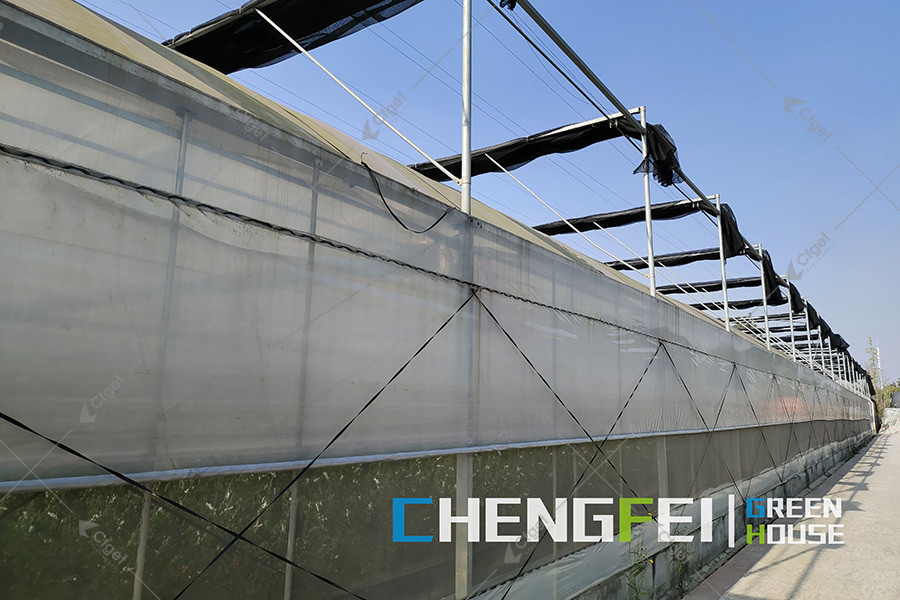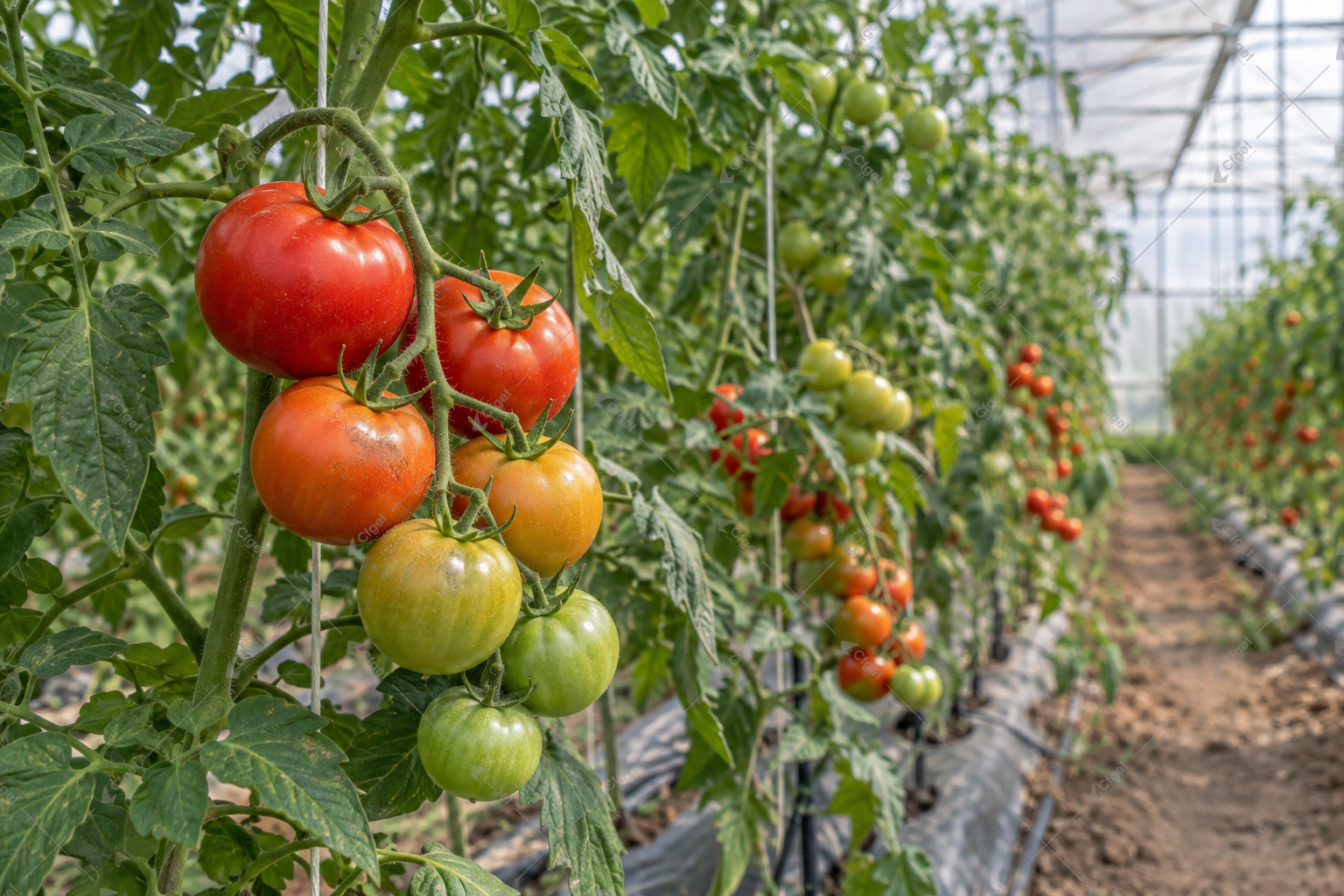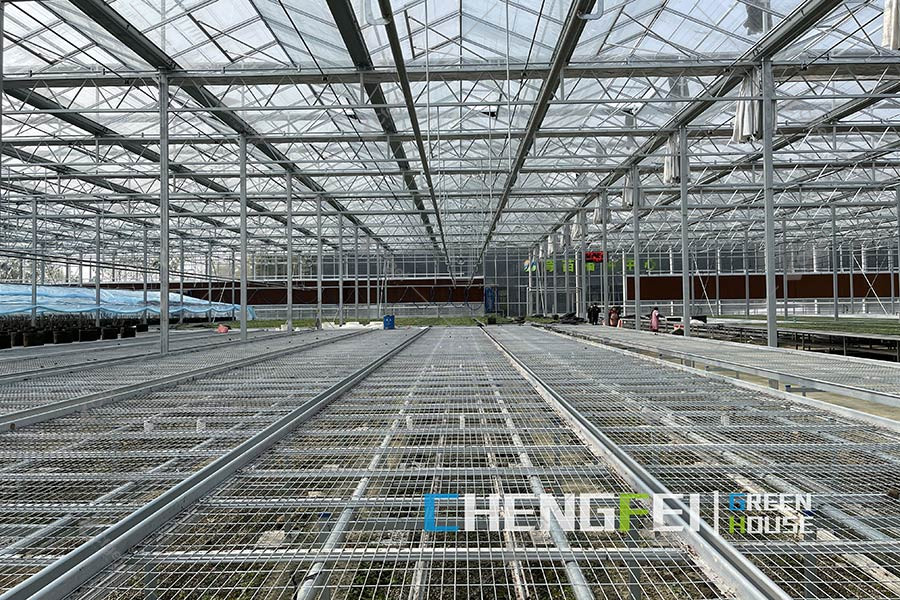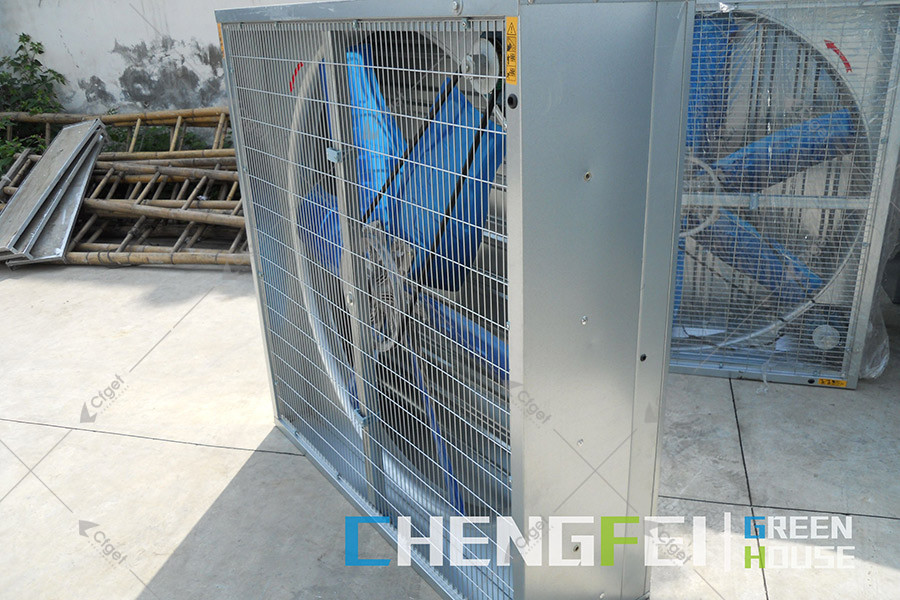
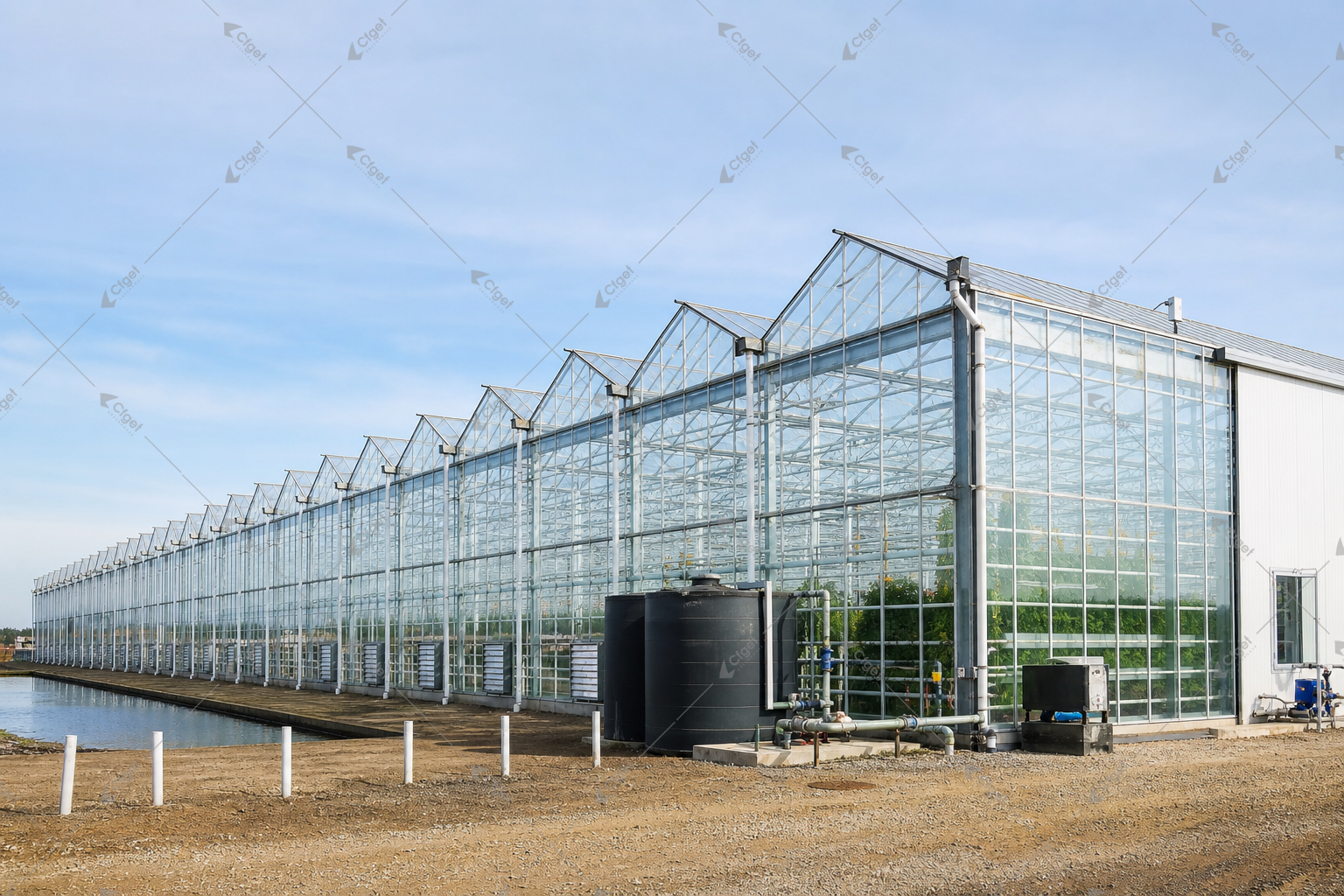
A commercial glass greenhouse makes sense when crop value, winter light, and service life justify a heavier frame, tighter foundations, careful pane handling, and planned repairs. Compare the installed roof, not glass price alone.
*By Coraline Liao, CEO, CFGET | Updated: August 11, 2026*
*Reviewed by CFGET Project Planning Team*
When a buyer asks for a greenhouse price, I first separate the project into cost buckets. A low number is not useful if it hides structure, systems, shipping, installation, or after sales scope.
Use this with our Commercial Greenhouse Buying Guide topic cluster. For a full project, keep it beside Commercial Greenhouse Solutions so the structure, systems, and crop plan do not drift apart.
Quick answer
- A Building A Glass Greenhouse price is only useful when the quote separates structure, covering, systems, shipping, foundation, installation, and spare parts.
- The same greenhouse size can produce different budgets when wind load, snow load, climate control, crop value, and local labor change.
- Ask suppliers for drawings, material specifications, included equipment, exclusions, packing details, and installation responsibility before comparing price.
- A low price is a risk signal when it hides systems, load assumptions, freight, or after sales support.
Key facts worth checking
| Question | Answer to make visible |
| What changes the cost? | Structure strength, covering, climate systems, irrigation, controls, shipping, foundation, installation, and after sales scope. |
| What should the buyer send? | Location, crop, area, target season, required systems, local climate pressure, and installation responsibility. |
| What should the supplier prove? | Drawings, bill of materials, exclusions, delivery terms, spare parts, and quote validity. |
How I would make this decision on a real project
When I review an early cost request, I do not treat one price range as a real quote. I first draw the scope boundary.
The practical check is simple: structure, covering, climate systems, irrigation, controls, shipping, foundation, installation, and after sales support must be separated before price is compared.
Before ordering, a buyer should still confirm local wind load, snow load, permit rules, energy price, water quality, and crop economics. This can narrow the decision, but the final design still needs project engineering.
Field notes to check before the quote
- If a quotation does not state steel weight, wind load, snow load, covering specification, packing list, installation boundary, and spare parts scope, I would not compare it by price yet.
- Two suppliers can quote the same area and still be selling different projects if one includes systems, packing, and supervision while the other lists only the frame.
- I would ask for drawings before negotiating price because drawings expose missing scope faster than a long sales message.
Buyer checkpoint
| Buyer question | What to decide before requesting a price | Why it protects the project |
| Real scope | Structure only, structure plus systems, or full installation support. | Prevents a low number from hiding later cost. |
| Operating assumptions | Crop, climate challenge, water quality, energy cost, and target season. | Keeps the budget connected to production reality. |
| Comparable quote | Drawings, bill of materials, packing, shipping terms, and responsibility boundary. | Makes supplier comparison fair before negotiating price. |
Evidence pack
Building A Glass Greenhouse needs project evidence before product names or a single price mean much.
| Cost assumption | What to verify | Why it matters |
| Structure scope | Span, height, bay size, steel weight, foundation boundary. | These inputs decide whether two prices are comparable. |
| Systems scope | Ventilation, cooling, heating, irrigation, fertigation, screens, controls. | Missing systems often explain large quote differences. |
| Installation boundary | Local civil work, supervision, tools, labor, and shipping terms. | A low price may exclude work the buyer still has to pay for. |
Climate and project assumptions to confirm
- Use local wind and snow load assumptions before confirming structure.
- Check the hottest and coldest operating months, the annual average alone.
- Confirm water quality and power availability before selecting irrigation or climate equipment.
Suitable when
- The crop, climate, structure, systems, and budget are defined together.
- The supplier can provide drawings, specifications, and a clear responsibility boundary.
- The buyer has a realistic plan for installation, operation, and maintenance.
Not suitable when
- The design is copied from another country without local climate review.
- The quote lists only product names and total price.
- Yield, payback, or lifespan is promised without assumptions.
What this guide adds to the basic answer
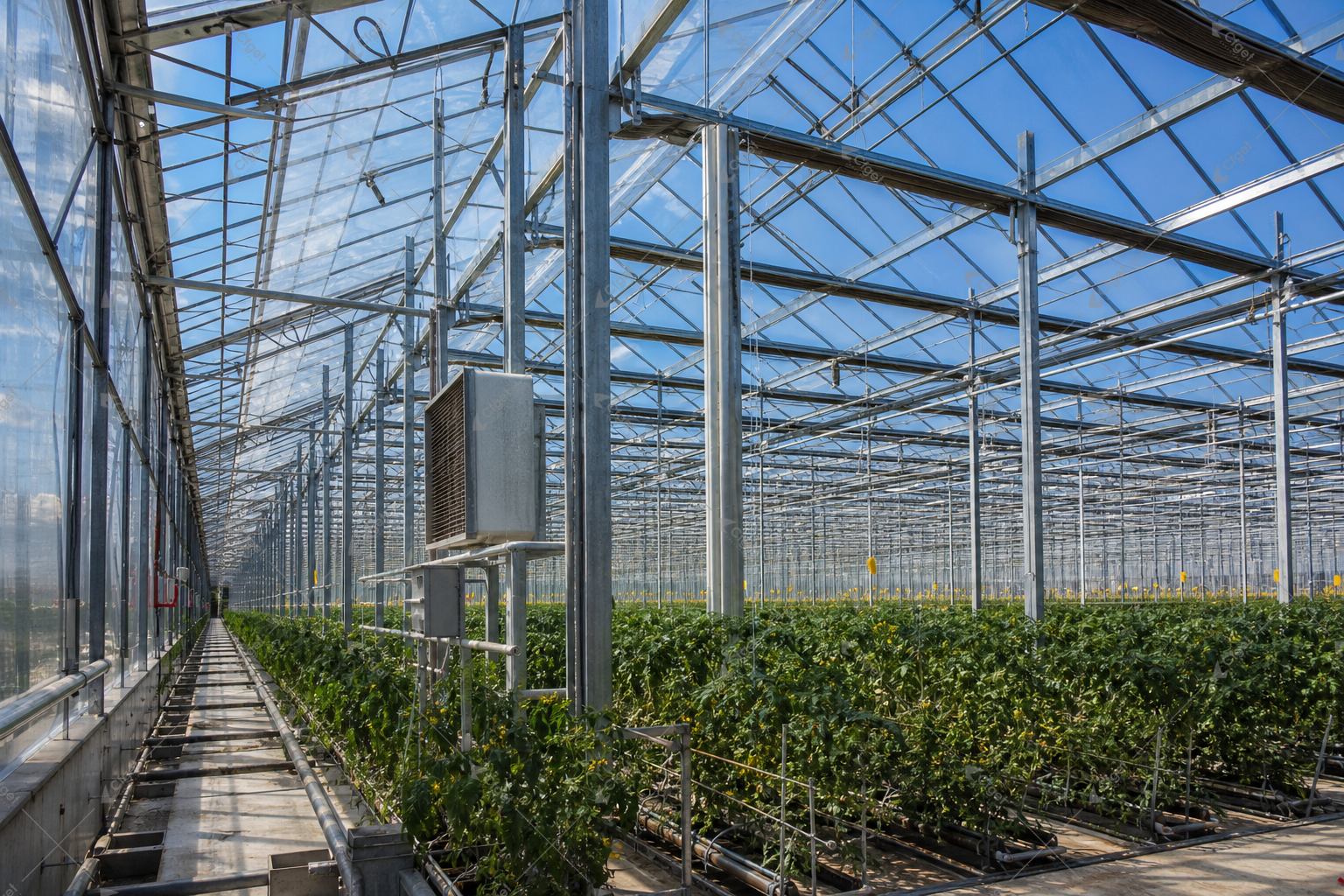
- Compare the installed envelope, including joints, fasteners, condensation routes, structural support, and replacement access.
- Put energy use and future covering replacement beside the initial material price.
Sources worth checking
Neutral source to keep beside the quote
CFGET project planning note
For a Building A Glass Greenhouse, I would first check the local climate file, crop workflow, structure drawings, system scope, installation boundary, and spare parts plan before treating any supplier answer as complete.
Buyer risk signal
Risk signal: the answer sounds confident but does not state climate assumptions, crop requirements, equipment scope, or maintenance responsibility.
Ask the supplier for these exact specs
| Spec to request | Why it matters |
| Material grade, thickness, UV layer, light transmission, diffusion or blackout rating | A product name alone does not define optical or thermal performance. |
| Fastening detail, overlaps, seals, inflation or drive system, and wind-edge detail | Most covering failures begin at joints, edges, penetrations, or moving parts. |
| Warranty exclusions, replacement method, spare material, and expected service conditions | Lifecycle cost depends on how the covering is installed, maintained, and replaced. |
Project video: glass greenhouse reference
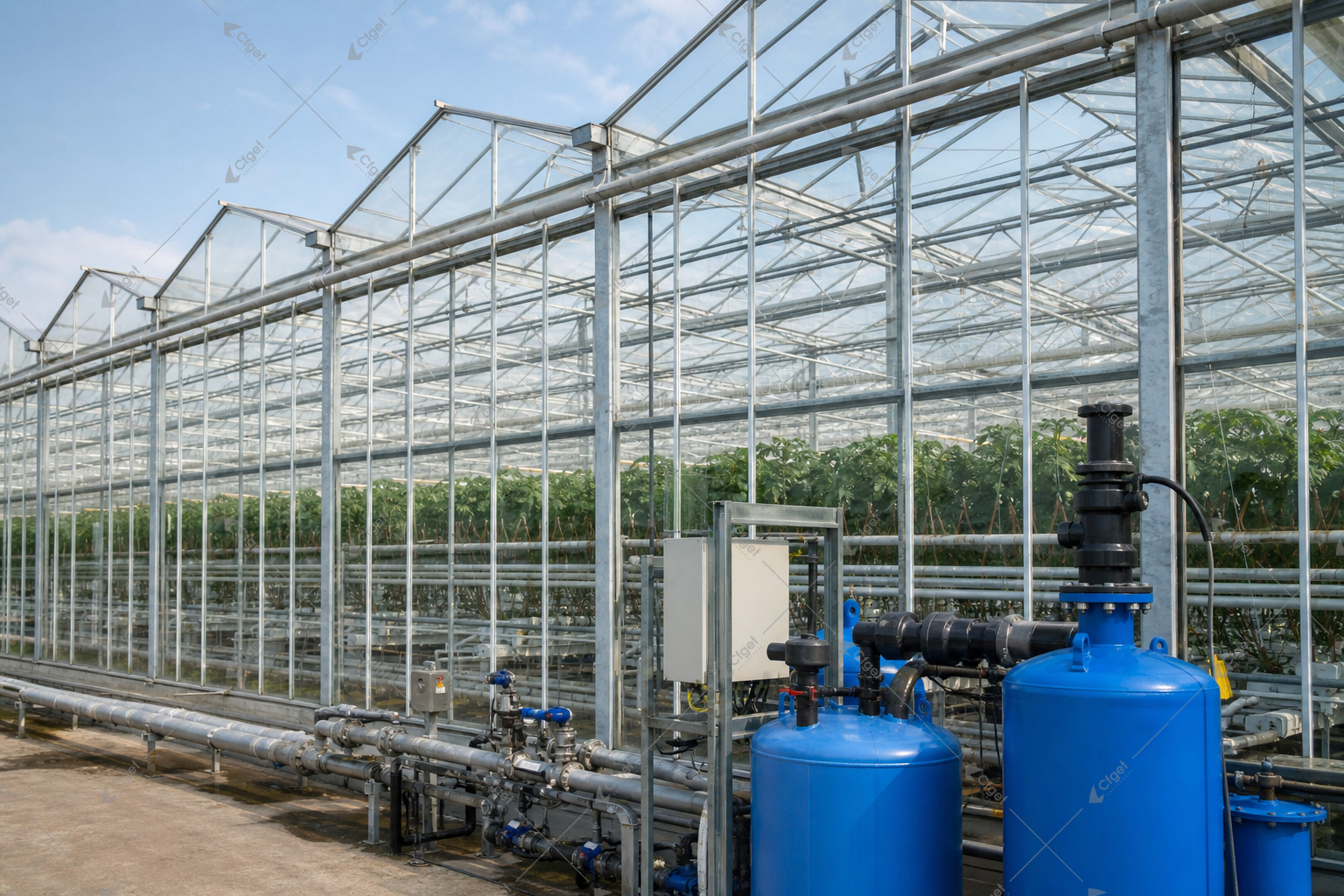
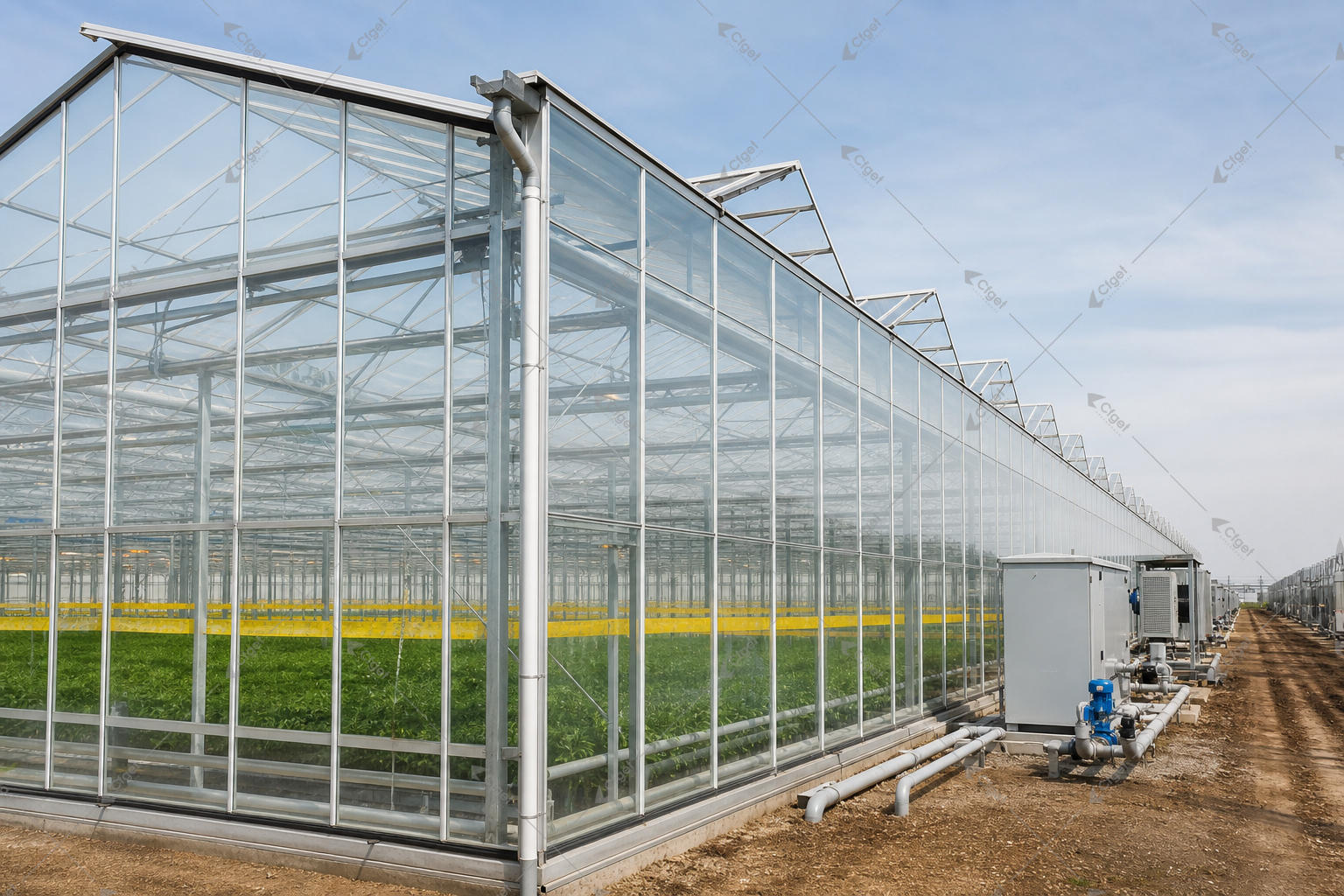
This field video gives a glass greenhouse reference to read beside span, load, ventilation, and crop value assumptions.
What should the covering do beyond keeping rain out?
The covering for a Building A Glass Greenhouse has to manage light, heat loss, solar gain, condensation, wind movement, impact, and water drainage. Thickness by itself does not answer those questions.
Ask for the full product description and test method: layer or wall structure, UV side, diffusion or haze, thermal value, warranty limits, sheet or roll dimensions, fastening method, and chemical restrictions.
| Cost factor | Why it changes price | What to ask |
| Structure type | Span, steel weight, height, and load design change material use. | Ask for drawings and steel specifications. |
| Climate system | Cooling, heating, screens, fans, and controls add different equipment layers. | Ask what is included and excluded. |
| Installation scope | Foundation, local labor, supervision, and tools may be quoted separately. | Ask for responsibility boundaries. |
How I would evaluate it
I would review one complete roof-to-gutter section, including material orientation, profiles, seals, fasteners, movement, drainage, and replacement access. That section is more informative than a general covering specification.
Which joints and structural details decide service life?
Joints decide much of the installed result. Profiles, gaskets, lock channels, edge tape, fastener spacing, thermal movement, cut-edge protection, and condensation routes deserve drawings rather than one line in a bill of materials.
The structure and covering should be checked together. Panel width affects purlin spacing; film tension affects attachment; glass weight and pane size affect the frame, handling equipment, and replacement procedure.
| Check | Good sign | Risk sign |
| Material identity | Tests, orientation, warranty and batch are traceable. | The offer states only material name and thickness. |
| Installed joint | Profiles, seals, fasteners and drainage are drawn. | Performance is quoted for the sheet rather than the roof. |
| Replacement | One damaged bay can be accessed and repaired. | Future replacement is described as the owner’s problem. |
What to request from a supplier
Ask for a traceable material data sheet, installed joint sections, fastener spacing, movement and drainage details, warranty exclusions, cleaning guidance, spare profiles or seals, and a bay-level replacement method.
How should replacement and energy cost enter the comparison?
Life-cycle cost should include heat or cooling demand, cleaning, storm repair, film recovery or panel replacement, production interruption, labor access, and the chance that a custom component becomes difficult to source.
Before ordering, ask how one damaged roof bay is made safe and replaced while crops and equipment remain below. That answer reveals more than a general lifespan claim.
| RFQ field | Example | Why it matters |
| Material identity | Thickness, layers, UV side and test values | Prevents unlike products sharing one label. |
| Installed detail | Profiles, seals, fasteners and drainage | Defines actual envelope performance. |
| Site exposure | Wind, snow, radiation and chemicals | Sets support and warranty conditions. |
| Renewal plan | Access, labor, crop protection and spares | Shows future ownership cost. |
Practical next step
For a first CFGET review of this covering envelope decision, send country and city, crop, area, target season, covering preference, cooling or heating need, irrigation method, and installation scope. Include the climate challenge, crop method, required systems, and installation scope. Photos, water data, climate files, drawings, or a site sketch also help. Email [email protected].
Final buying note
A Building A Glass Greenhouse works best when the buyer writes down the assumptions before looking at product names. A good decision combines engineering trade-offs with supplier proof and a realistic operating plan.
Before you use this recommendation
- Treat this as a planning guide, not a final engineering design.
- Check the local climate data, crop plan, water quality, energy cost, and building rules before ordering.
- Ask the supplier to show drawings, material specifications, equipment scope, packing details, and installation responsibilities.
- Avoid any quotation that promises yield, payback, or structural performance without stating the assumptions.
How this guide was prepared
I prepare these notes the same way I review an early buyer request: start with the search question, translate it into a greenhouse project planning checklist, check available project media, and keep neutral technical sources beside the quote when reliable public references are available. The point is to make assumptions, limits, and RFQ requirements visible before a buyer compares suppliers.
Coraline Liao is CEO of CFGET. Her public LinkedIn profile describes her as a Greenhouse Technical Director with more than 15 years in the greenhouse industry, focused on customized climate-control and greenhouse solutions. Her published technical topics include greenhouse structures, climate control, light management, hydroponics, and fertigation. Her article reviews begin with the crop, climate, site, project scope, installation boundaries, and operating constraints. Technical recommendations should be adapted to local climate data, crop plans, budgets, and professional engineering review before implementation.
Professional profile: Coraline Liao on LinkedIn
Company details
CFGET: Founded in 1996, CFGET designs, manufactures, and delivers greenhouse systems and smart farming solutions from its own factory in Sichuan, China.
Address: NO 108, South Area Chengdu Modern Industrial Park, Sichuan, China
Email: [email protected]
About the company: https://cfgreenway.com/about/
Company profile: GreenWay on LinkedIn
Technical videos: Greenhouse project channel on YouTube
Where this fits in the greenhouse buying cluster
Start with the hub, then open the system or crop pages that match your decision.
- Commercial Greenhouse Buying Guide
- Commercial Greenhouse Solutions
- Polycarbonate Greenhouses
- Multi-Span Greenhouses
- Venlo Greenhouses
- Greenhouse Project Cases