Adding exhaust fans can help when a commercial greenhouse lacks airflow. A proposal to add fans still needs to explain the outdoor cooling conditions, the resistance along the air path and the temperature required at crop level. Fan quantity alone cannot establish whether the proposed system will meet that target.

Before approving a new cooling package or an upgrade, work through the checks below. They focus on ventilated greenhouses, especially systems where exhaust fans draw outside air through wetted cooling pads. A sealed greenhouse with refrigeration needs a different assessment.
1. Accepting a temperature promise without its conditions
Evaporative cooling depends on outdoor dry-bulb temperature, the ordinary air temperature, and wet-bulb temperature, which indicates the limit of cooling by water evaporation. A small gap between them leaves little evaporative cooling potential. Air also warms as it travels from the pad through the greenhouse. A calculated pad-exit temperature therefore does not establish the temperature throughout the crop. UF/IFAS explains these limits in its fan-and-pad cooling guide.

Ask the supplier to identify what its temperature statement describes: air leaving the pad, a particular sensor or specified crop locations. Request paired hourly outdoor temperature and moisture data for the intended production season, plus the assumed crop, covering and shade position.
If the offer supplies only an outdoor maximum and an indoor target, return it for clarification. The missing conditions matter before any choice about additional fans.
2. Comparing fan counts instead of airflow at operating pressure
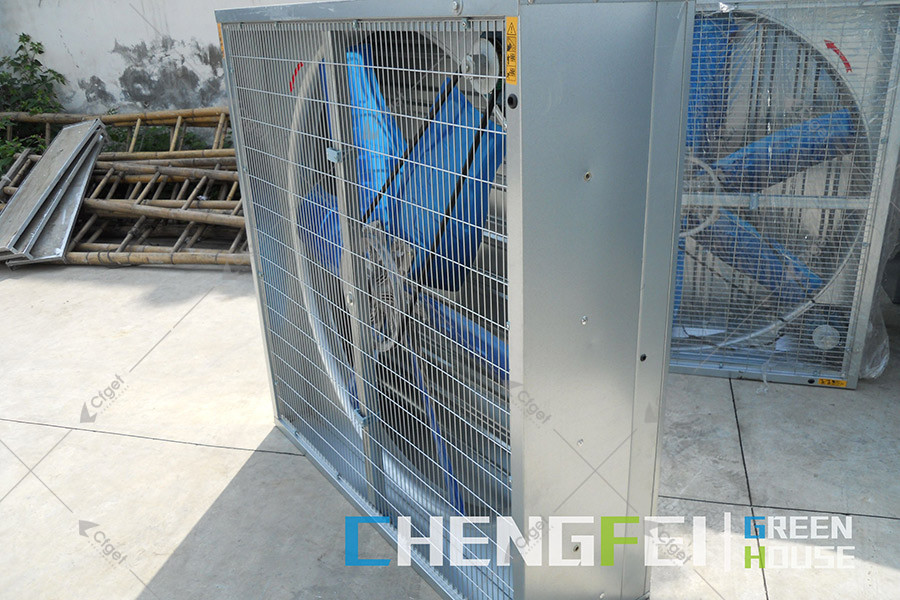
A fan must move air against resistance. Static pressure is the pressure difference associated with that resistance through the installed system. A free-air rating describes a different condition from operation with pads, shutters and other restrictions. UF/IFAS recommends checking whether fans deliver the required airflow at the required static pressure. Its maintenance guidance also identifies dirty blades, shutters and belt problems as causes of reduced performance. See the ventilation-system checks in AE024.

Request the fan model, performance curve and selected airflow/pressure point. Ask which installed restrictions the calculation includes. A larger motor or another fan should come with an explanation of the resulting airflow and the inlet capacity needed to support it.
For an existing installation, give the reviewer the equipment schedule and maintenance findings as well as the proposed addition. This helps separate a capacity change from restoration of equipment that is no longer operating as intended.
3. Leaving the intended air path undefined
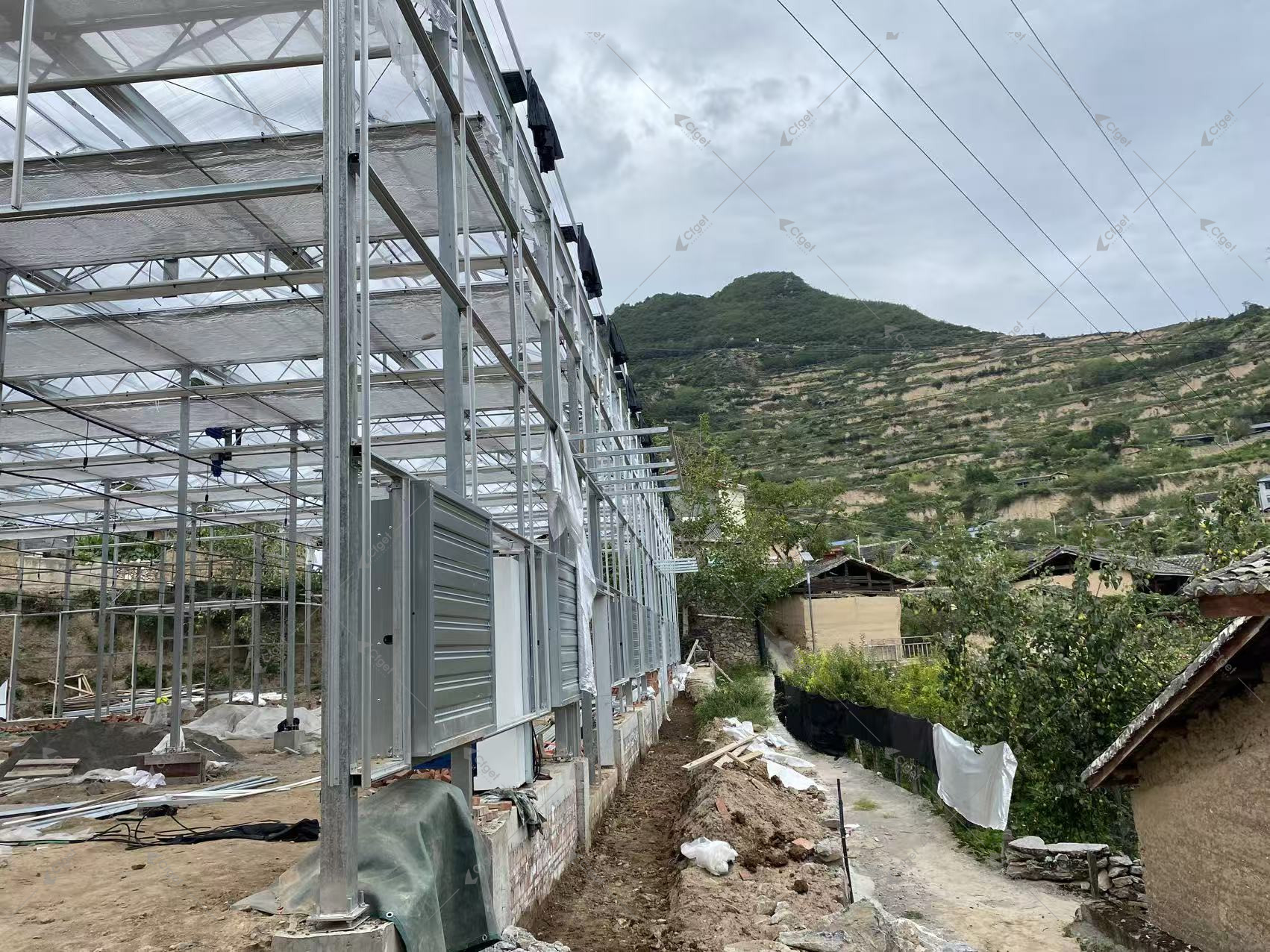
In a conventional negative-pressure fan-and-pad system, the exhaust fans draw air through the wetted inlet. Uncontrolled openings can admit air that bypasses the pad. The UConn guide advises controlling those openings and coordinating pad and fan operation. Read its fan-and-pad system guidance.

Ask for a plan showing the inlet, pads, exhausts, doors, partitions and crop rows. Have the supplier mark which openings operate in each cooling mode and how the system changes between natural ventilation and fan-and-pad operation.
Closing other openings is specific to the intended fan-and-pad mode. It is not an instruction to close a naturally ventilated greenhouse or obstruct an exit. The project needs an operating sequence that preserves safe access and explains what happens when equipment or power is unavailable.
4. Adding airflow without reviewing the heat load
Ventilation replaces inside air with outside air. More ventilation alone should not be offered as a way to maintain greenhouse air below the incoming outdoor air temperature. Shade reduces incoming solar energy, but also changes the light available to the crop. Natural ventilation depends on wind and temperature forces, while insect screens can restrict air movement. UF/IFAS discusses these limits in Greenhouse Ventilation.

Before approving an upgrade, list changes since the original design: covering, insect net, shade screen, internal layout and crop arrangement. Give that list to the designer and ask which assumptions need revisiting.
A useful response explains the trade-off. If extra shade is proposed, what crop-light requirement must still be met? If extra exhaust capacity is proposed, what inlet changes are included? Record the proposed operating condition alongside the equipment change so it can be checked later.
5. Treating the water system as a pump size
The water schedule should distinguish recirculating flow through the pads, incoming make-up water and sump volume. These describe different requirements; circulating flow is not the same as water consumption, and a tank volume is not a flow rate. UConn treats supply, sump capacity and maintenance separately in its fan-and-pad guide.

Ask for the installed pad’s water requirements, a distribution layout and the maintenance access needed to keep the system serviceable. Confirm who supplies the source-water analysis and who resolves any treatment or discharge requirements. Avoid accepting a generic pump description as the answer to all of these questions.
For an operating system with dry streaks or deposits, use the greenhouse cooling pad maintenance guide to organize the inspection. Keep product-specific cleaning and water settings with the equipment manual. Electrical checks and servicing of fans or pumps belong with appropriately qualified personnel.
6. Accepting equipment operation as proof of crop conditions
A temperature reading depends partly on sensor placement. UF/IFAS recommends representative plant-level locations, protection from direct solar radiation and air circulation around the sensing element. Its controls section explains these requirements.

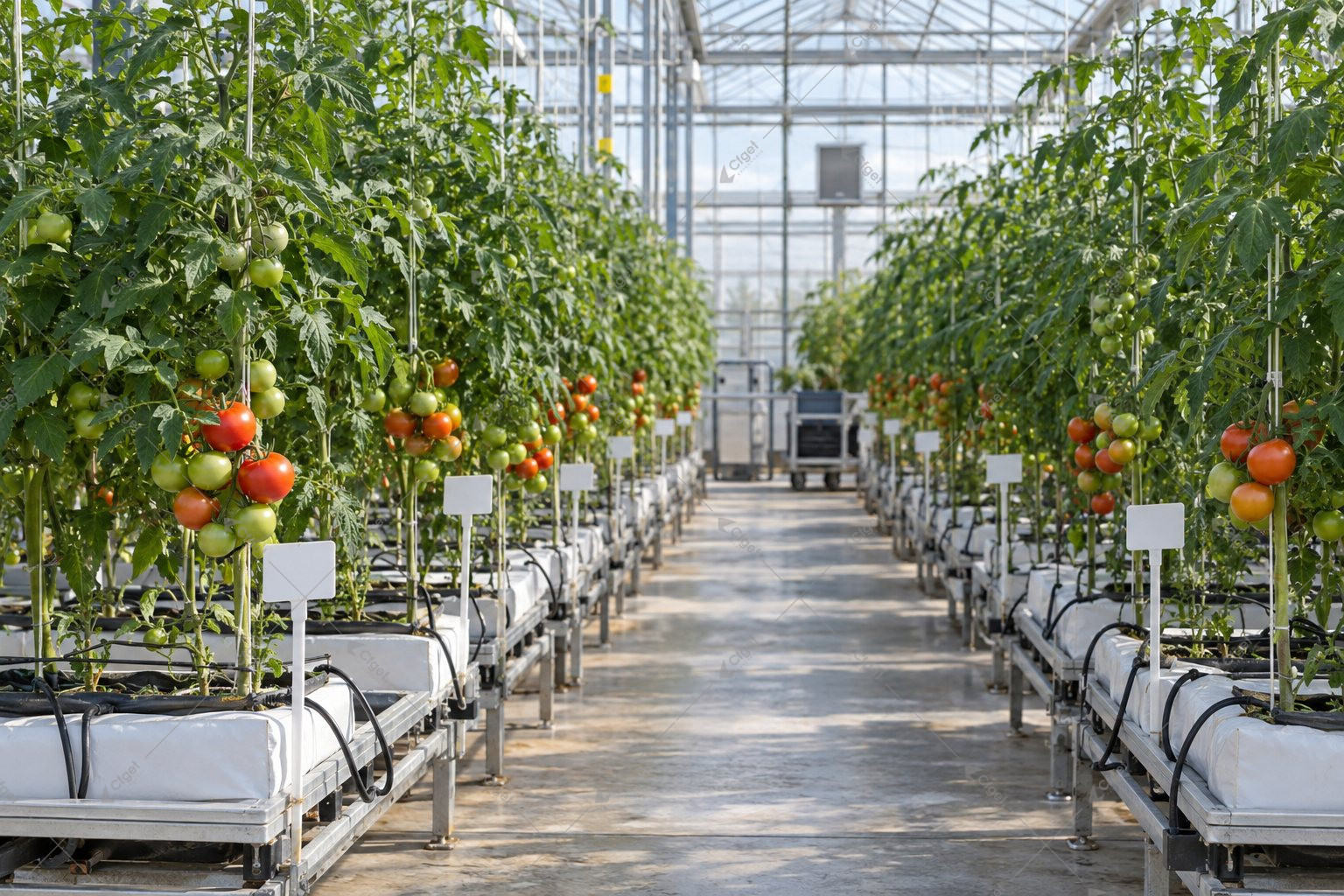
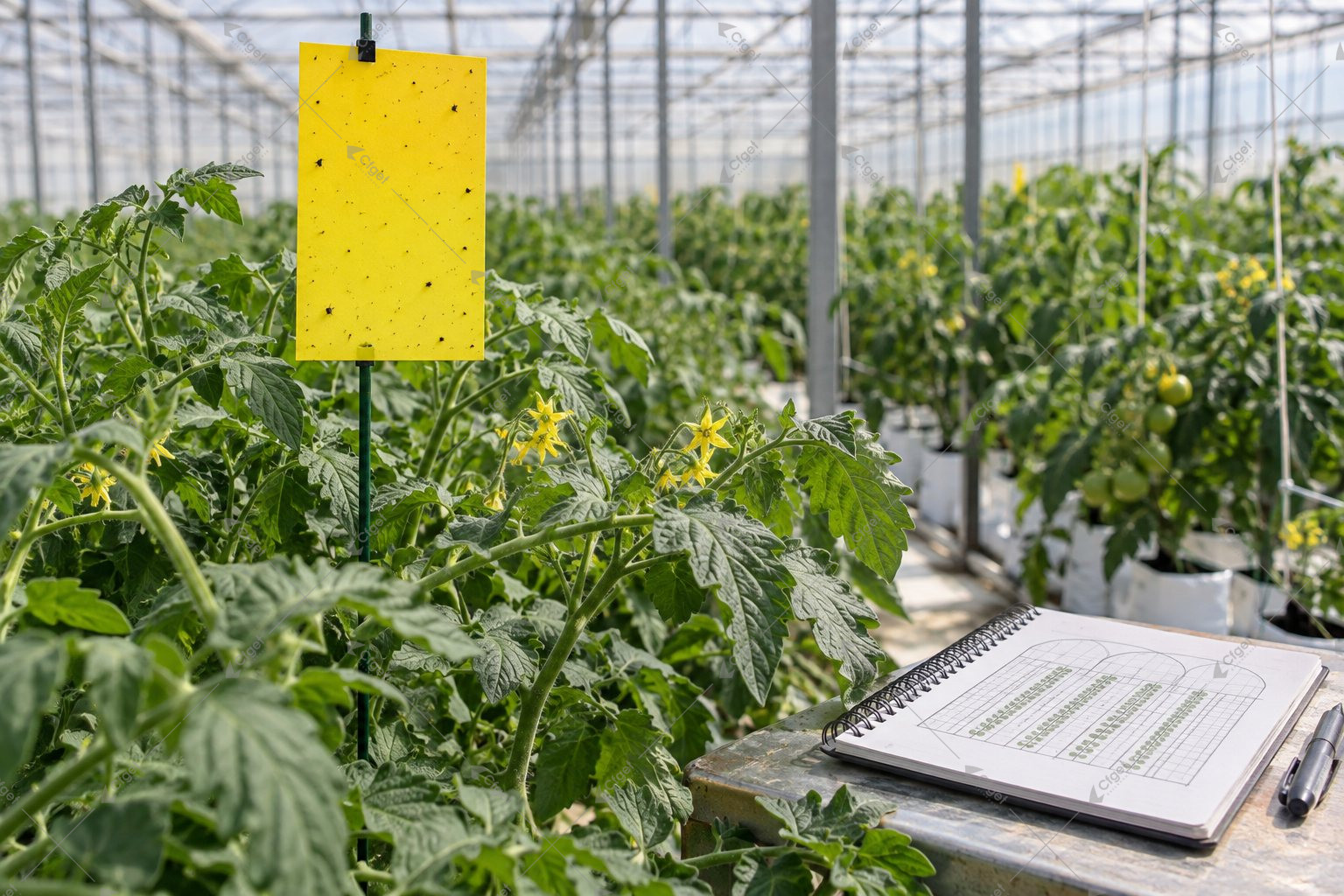
Agree on the performance-check method before ordering. For a fan-and-pad proposal, request a record of outdoor conditions, air leaving the pad and representative crop locations toward the inlet, middle and exhaust end. Include the fan stage, pump state, shade position and crop condition with the readings. This is a practical review method; the project team must agree on the actual measurement points, instruments and acceptable results.
Ask how the controller responds to temperature and humidity together, how its readings are checked and how the operator receives an alarm. Define the response to a failed sensor or an unavailable fan or pump. If handover occurs without suitable test weather, document the remaining test and who will complete it. A successful switch-on leaves those performance questions open.
Use one review sheet for the proposed change
Send the same sheet to everyone reviewing the proposal. Attach the supplier’s explanation or drawing to each row, and give unresolved items a named owner.

| Review item | Evidence to attach | Question to resolve |
|---|---|---|
| Temperature target | Stated location, weather basis and crop condition | Does the proposal describe the condition the crop actually needs? |
| Fan selection | Model, curve and selected airflow/pressure point | What supports the proposed duty after installation? |
| Air path | Layout and opening positions for each mode | Where is air intended to enter, travel and leave? |
| Heat and light | Covering, shade and crop assumptions | Which changes require the designer to revisit the calculation? |
| Water and service | Water schedule, analysis requirements and access drawing | Who supplies, verifies and maintains each part? |
| Controls and handover | Sequence, measurement plan and unresolved tests | How will the team decide whether the agreed result has been achieved? |
Use three working statuses: explained, clarification needed and recalculation needed. “Explained” means the requested evidence is present and understood; it does not certify the design. Use “clarification needed” for missing or ambiguous information. Use “recalculation needed” when the proposal relies on assumptions that differ from the project or cannot support the requested result.
For example, if a revised offer increases fan quantity but carries over the old inlet arrangement without explanation, ask the designer to confirm the combined duty and update the calculation where necessary. Do not turn the blank response into an assumed pass.
Prepare the information for a useful cooling review
The Greenhouse Climate Design Input Workbook provides a place to organize weather, crop targets and system assumptions. For this review, include the site location, production season, greenhouse dimensions, covering, crop layout, target conditions, pad and fan specifications, water information and the proposed scope of work.

For an existing house, add a layout and operating records from the period when the problem occurs. Request power demand for the proposed fan and pump stages, with operating-hour assumptions for comparing running costs. Keep electricity supply, installation responsibility, spare parts and operator training visible in the offer as well.
You can send the project information to CFGET with a clear question: which limitation does the proposed change address, and what evidence will demonstrate the result?