“Lettuce production line” can describe equipment delivering very different products. A buyer might want intact heads with the roots removed, plants sold with a root plug, or leaves harvested at a young stage and packed separately. Those requests do not necessarily lead to the same harvest and packing boundary.
Define the saleable presentation and harvest stage before selecting the growing line. Keep lettuce type, market stage and sold format as separate fields. Then ask the supplier to show exactly which operations its package performs and what leaves its final station.
Three descriptions that should not be collapsed
The first field is lettuce type and cultivar. The second is the stage at which the buyer wants it harvested. The third is the form in which it is sold. These fields can combine in more than one way.
UF/IFAS’s protected-culture lettuce overview distinguishes lettuce types and identifies full-head, mini-head and baby-leaf market stages. It notes, for example, that romaine can be grown for heads or baby leaves. Its regional cultivar examples should not be treated as universal recommendations.
“Baby leaf” therefore identifies a young harvest-stage product, not any mature head chopped into smaller pieces. “Living lettuce” normally describes the retained-root or root-ball presentation. It is a different axis from the plant’s head or leaf type.
Likewise, “cut lettuce” needs clarification. Does the buyer mean a whole head cut away from the roots, separately harvested leaves, or a further processed product? Record the intended operation and actual presentation instead of trying to settle the question from that word alone.
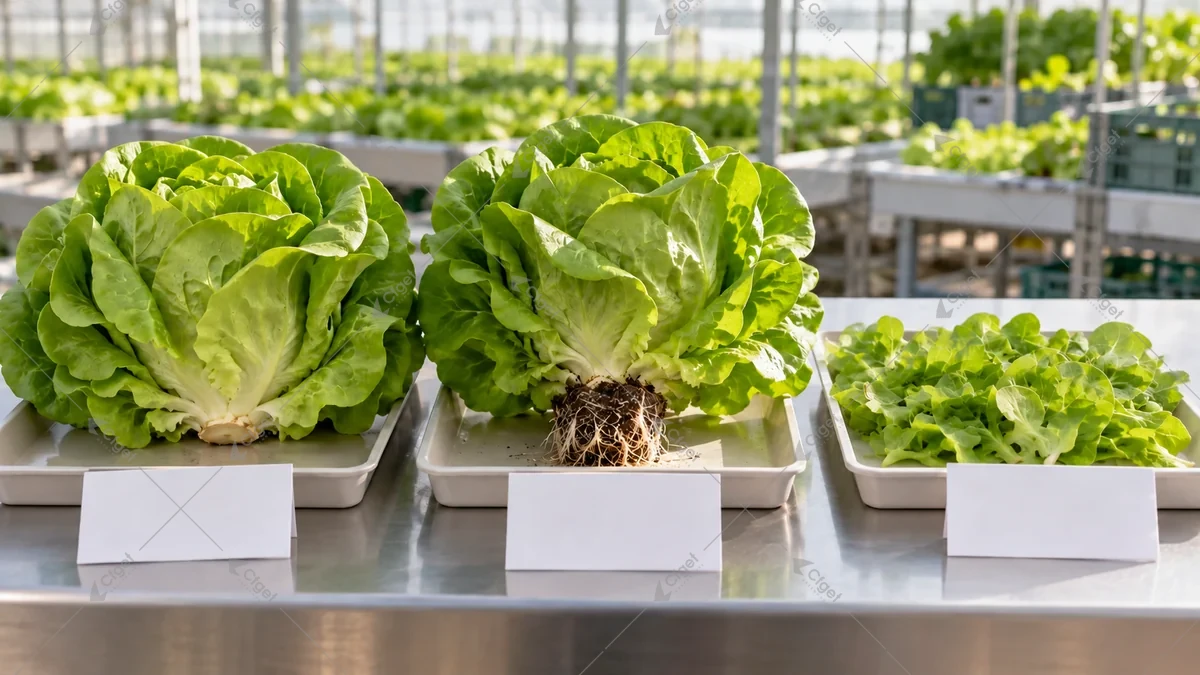
Write the product-to-process boundary
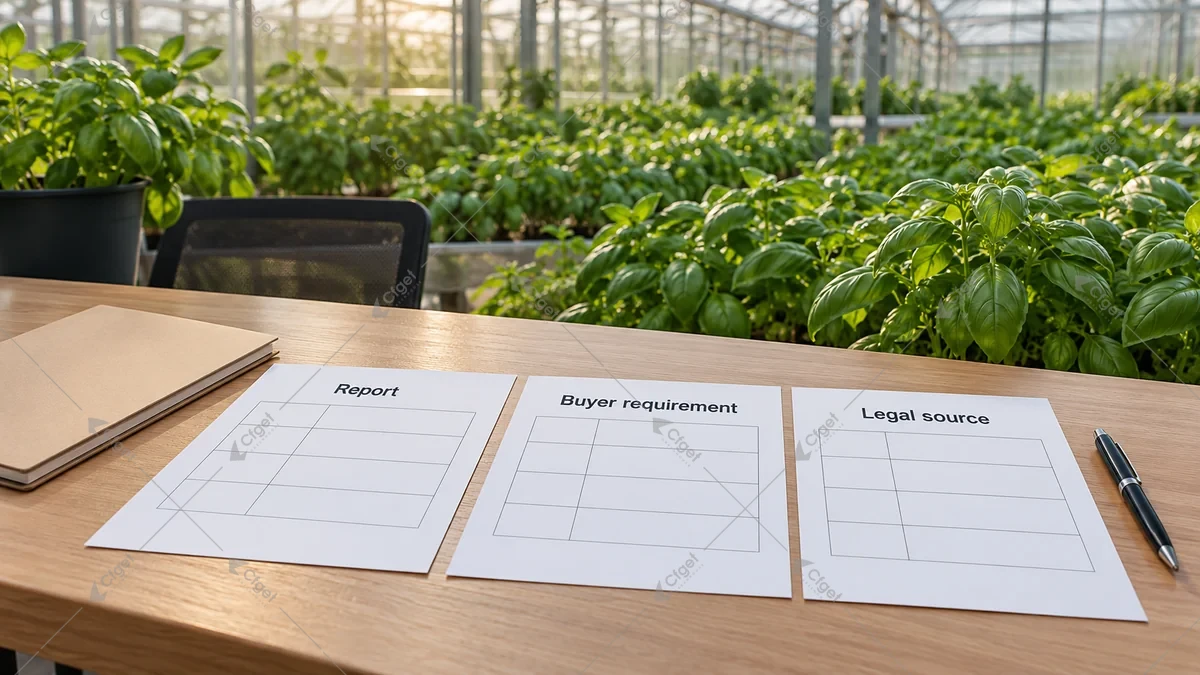
Use the product-to-process boundary sheet with the buyer-approved sample or specification. Complete one product record for each presentation that the proposed line must supply.
| Specify | Why it changes the equipment question |
|---|---|
| Type and cultivar | Identifies the crop being proposed without assuming its market stage. |
| Harvest stage | Distinguishes the agreed young leaf, mini-head, full-head or other defined requirement. |
| Sold presentation | States whether the buyer receives an intact plant or head, separated leaves or another specified form. |
| Root or growing-medium retention | Identifies whether the final product includes the agreed root plug, root ball or container. |
| Accepted sale unit | Connects the product specification to what the customer actually receives. |
| Processing and packing boundary | Identifies which party performs each operation after the growing line’s output. |
Keep ambiguous terms beside the buyer’s clarification. A photograph of a sample can help identify presentation, but it should accompany the actual specification. It cannot establish repeatable quality, safety or shelf life by itself.
Bring the agreed product record into the wider hydroponic lettuce greenhouse plan. The crop-system discussion then starts with an output the parties can describe.
Ask what the offered package delivers
Green Automation’s product page distinguishes packages for cut-leaf production from those for heads and root-ball presentations. These are examples of real supplier packages, not proof that three product names correspond to three universal machine classes.
For the actual offer, ask what material enters each included station and what leaves it. Identify any operation the grower, packhouse or another supplier must perform. A growing line that delivers harvest-ready crop is a different scope from a package that also cuts, mixes and hands product to a packing operation.
The manufacturer’s fully automated system description includes filling, sowing, growing, harvesting, gutter cleaning and buffering, with configuration-dependent features. Use the named operations to ask precise scope questions. Do not adopt its hygiene, labor or performance claims as an acceptance result for your project.
The line-operation boundary register gives each required operation a row: incoming state, outgoing state, responsible party, included or excluded scope, and the evidence still needed. This is where a promised finished product is reconciled with the quotation.
Three hypothetical orders reveal different gaps
Order A asks for an intact head with the root plug retained. The proposed package demonstrates removal of the root section. That demonstration does not show the requested finished presentation. The supplier must confirm the configuration that retains the specified root unit and how it reaches the agreed packing handover.
Order B asks for young leaves in a specified mixed presentation. An offer showing mature heads cut into pieces has not established the required harvest stage. The buyer needs evidence for the actual young-leaf product and clarity about who performs the specified mixing and packing operations.
Order C asks for intact heads with roots removed. A supplier’s picture of living lettuce may demonstrate the crop but leave the root-removal and final presentation step outside the quote. The next action is to identify that missing operation and its owner, rather than assuming it is included.
These are specification examples, not claims about particular customers or machines. In each case, the missing information is different. One broad statement that the line “grows lettuce” cannot close all three.
Do not turn a growing-line total into accepted packs
A headline number of heads cannot identify whether those heads meet the buyer’s presentation. A harvested biomass figure cannot establish the number of accepted packs without the actual product, processing and acceptance evidence.
Keep the supplier’s output unit exactly as stated. Ask which operations and material states it includes. Do not silently relabel plants, cut leaves, roots, growing medium or nominal harvested mass as the customer-approved final product.
Use a documented sample run of the relevant configuration to inspect the actual handover product against the agreed specification. Record what the run represented and what remains untested. This article does not prescribe a trial sample size, packing-weight tolerance or acceptance percentage.
Keep quality claims and the purchase boundary distinct
Retaining roots does not by itself demonstrate a particular shelf life. A low-touch process does not establish that the product is safe. Those claims need their own applicable quality and food-safety evidence and competent review.
Similarly, the word “cut” does not by itself settle the legal classification of a product in every destination. Ask the relevant specialist to assess the actual process and market requirements. Do not select washing or sanitation steps from a general equipment comparison.
The purchase decision becomes clear when the buyer-approved product, actual harvest stage and final supplied operation agree. Any remaining step should have a named owner and an explicit place in the offer before the growing line is ordered.