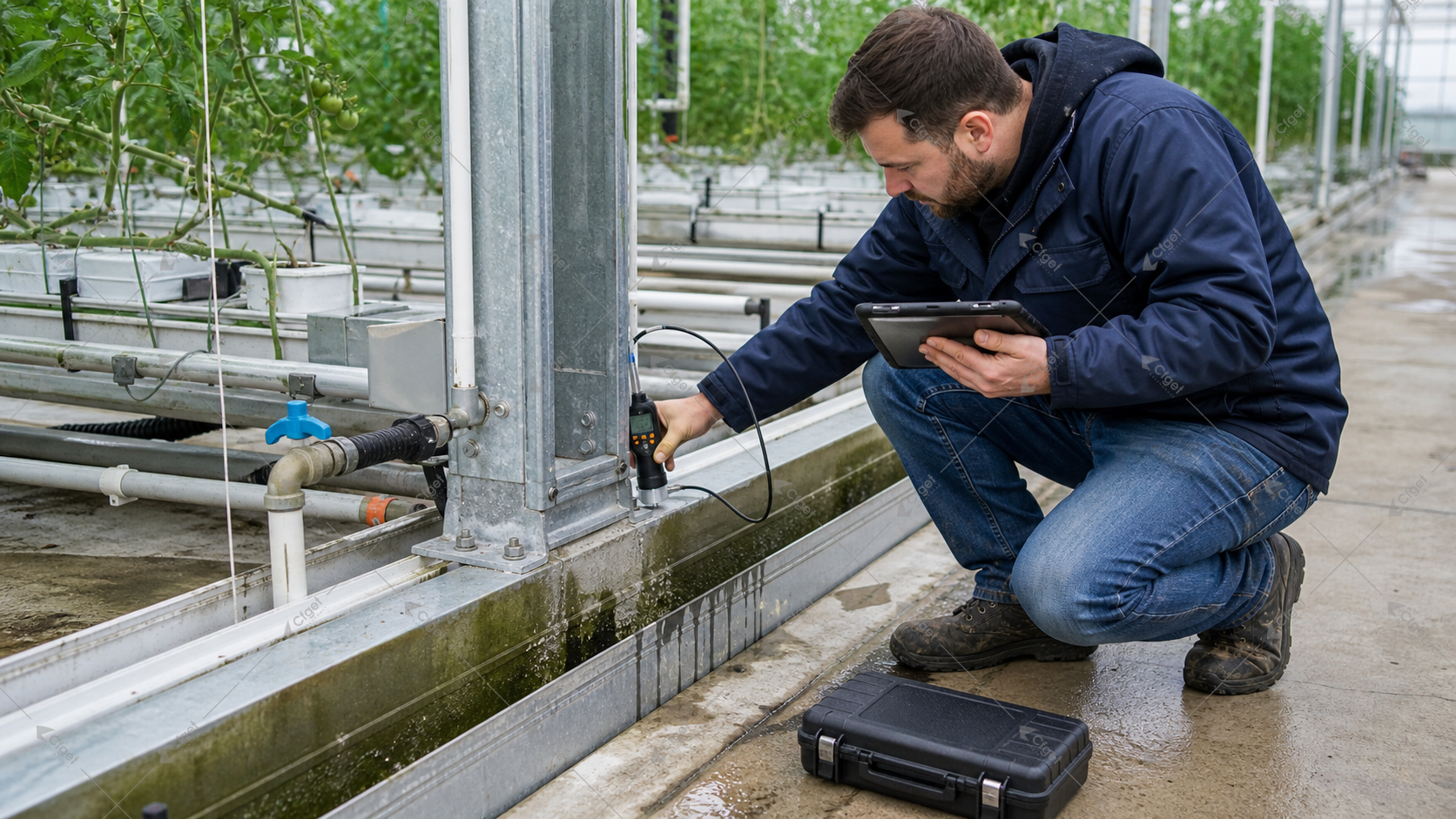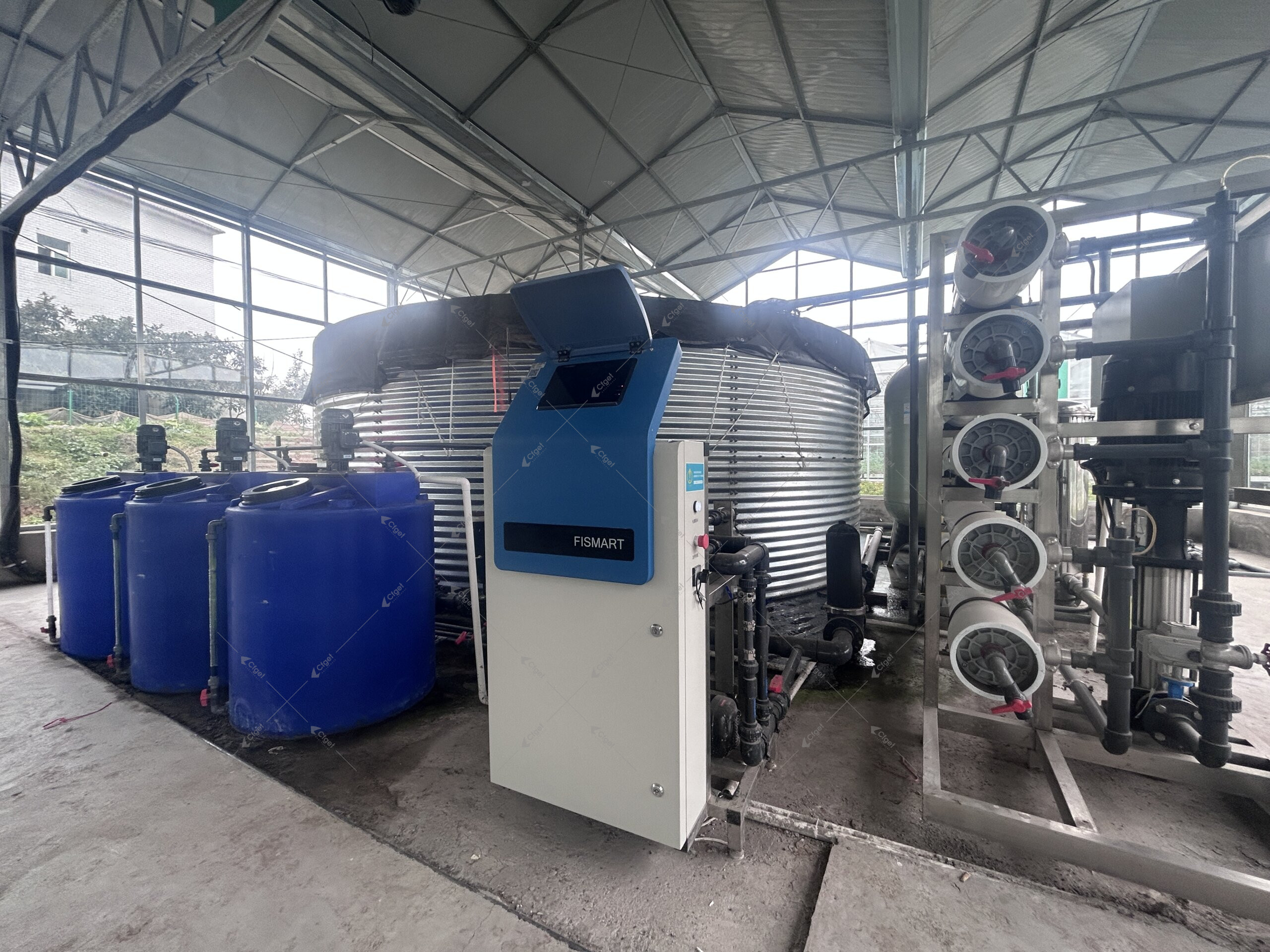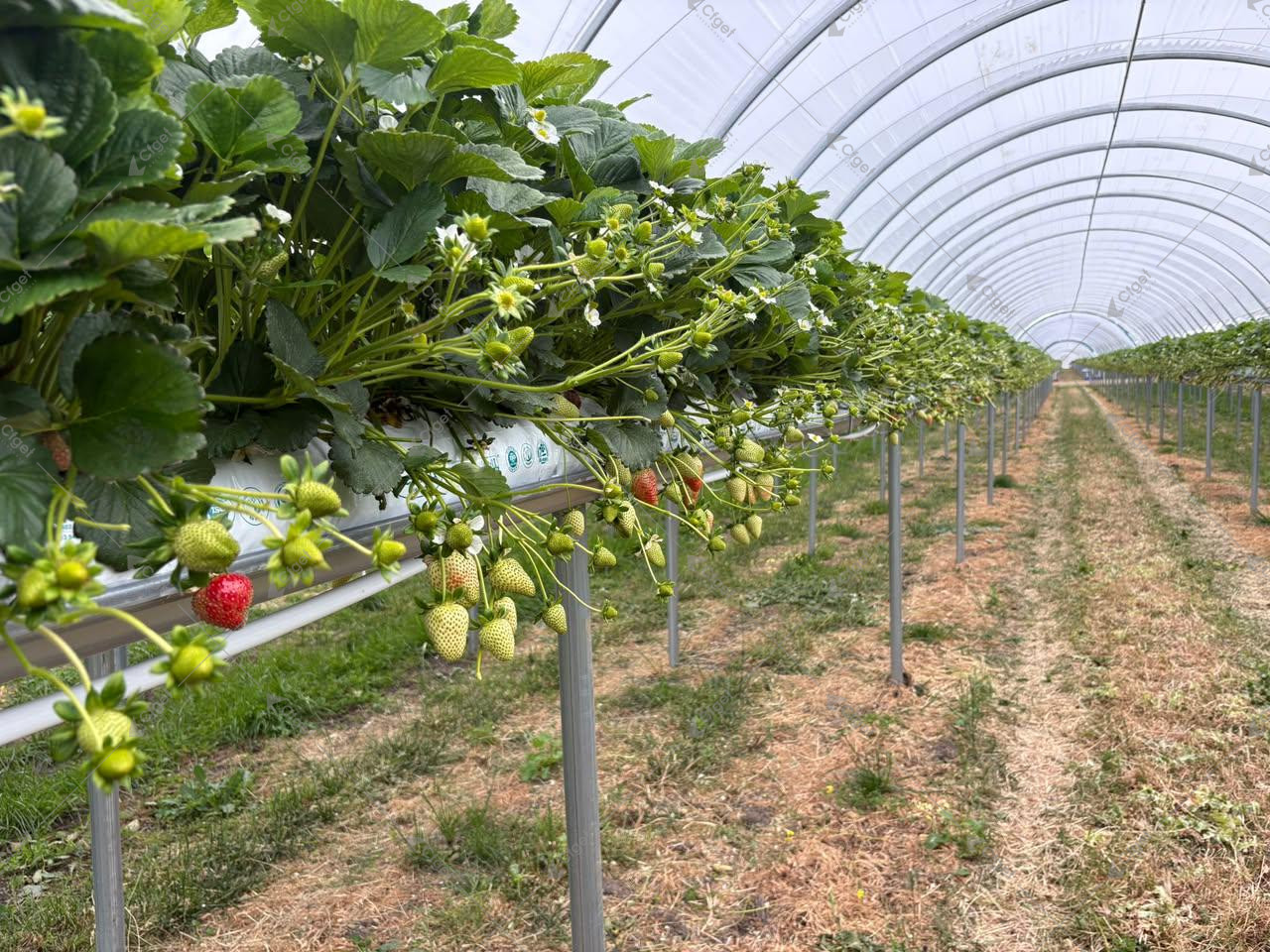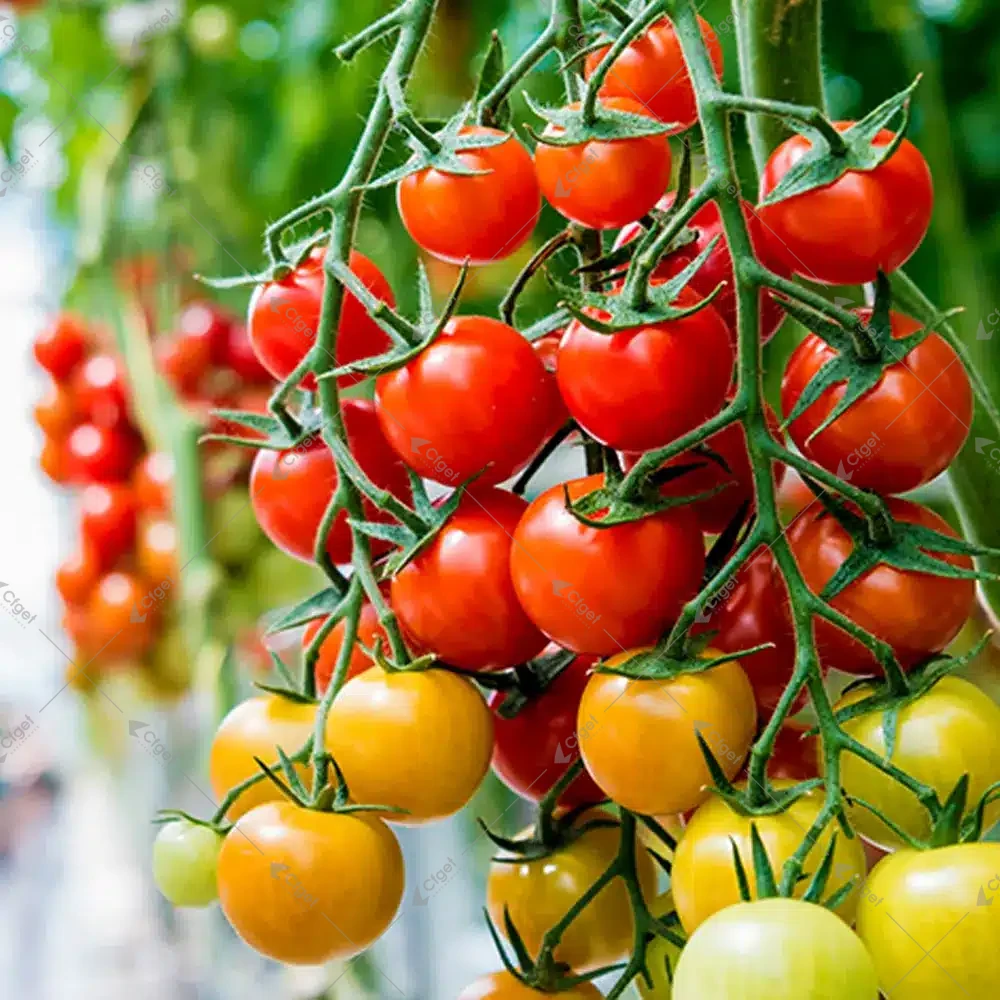
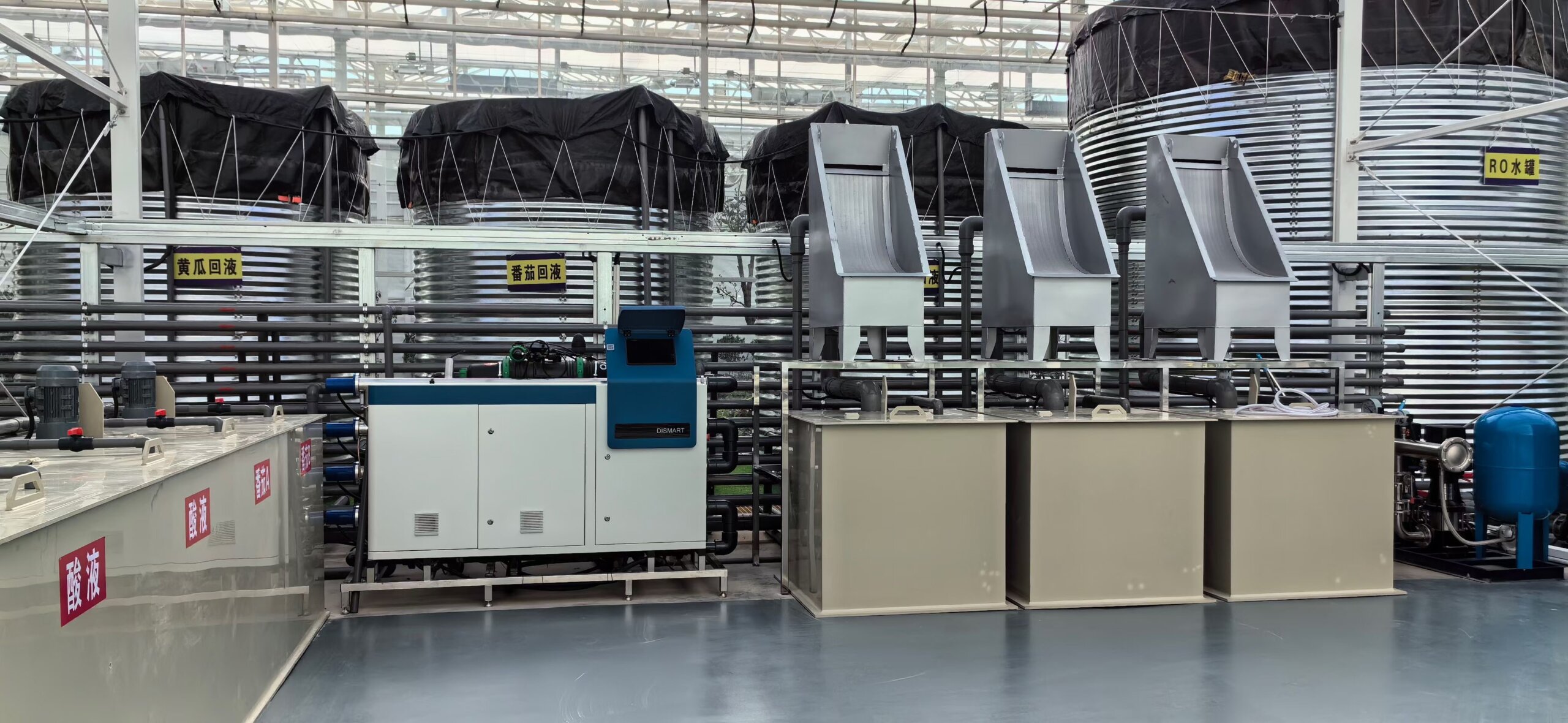
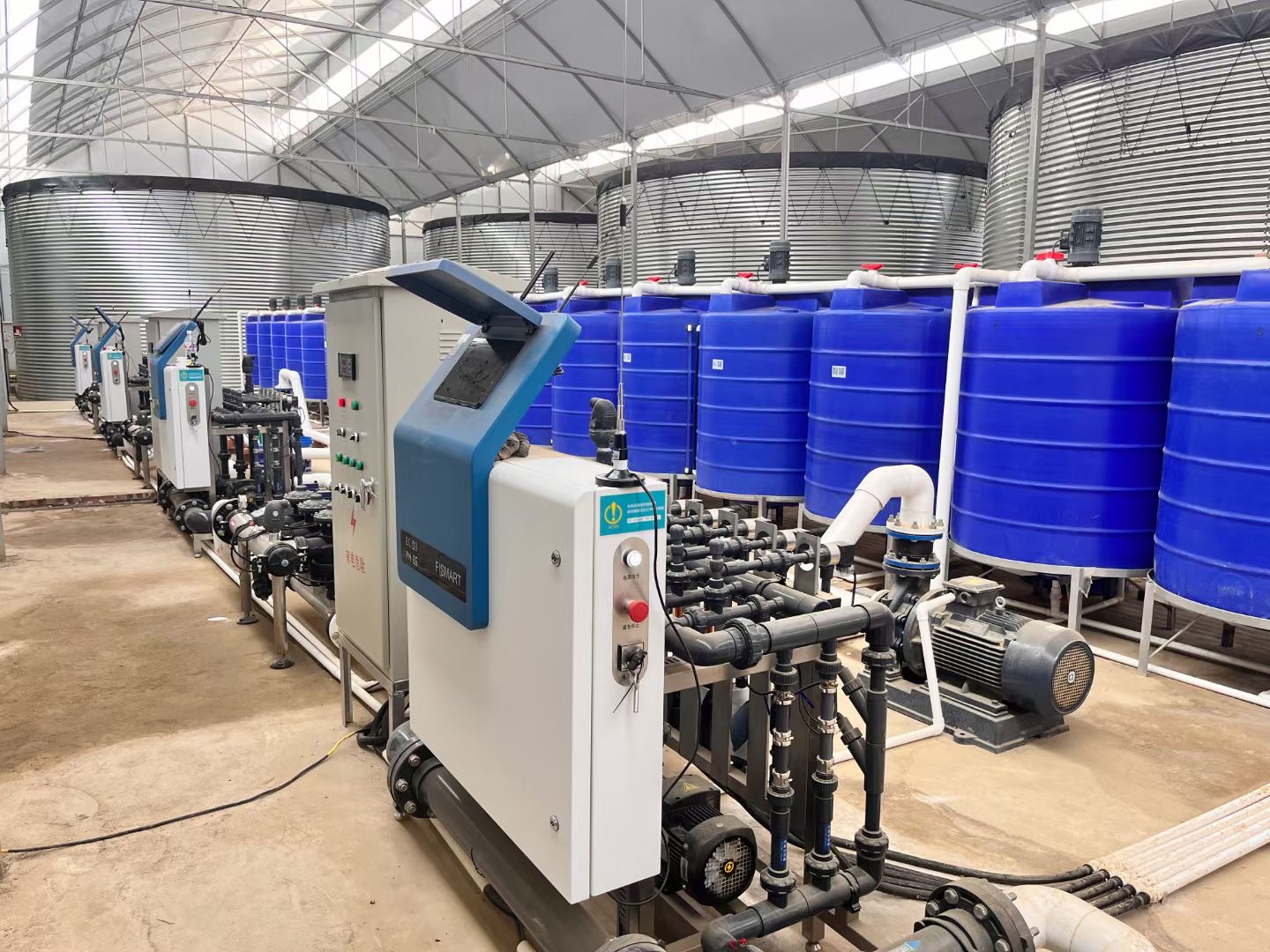
Greenhouse climate control system works only when structure, ventilation, covering, shading, heating or cooling, and crop load are planned together for the local climate.
When I compare greenhouse options, I start with the site and the crop before looking at product names. Climate, structure, covering, systems, installation scope, and operating skill all change the right answer.
How would I make this decision on a real project?
This guide is written for buyers planning a working greenhouse, not for casual gardening traffic. I use three checks before making a recommendation: the questions buyers are already asking in search, CFGET’s greenhouse project-planning checklist, and the practical information a supplier needs before designing responsibly.
The current search results around this topic often point readers toward sources such as greenhousemegastore.com, youtube.com, priva.com, rimol.com, plantagreenhouses.com, acfgreenhouses.com. I treat those sources as intent signals only; the final recommendation still has to pass a project checklist.
Before ordering, a buyer should still confirm local wind load, snow load, permit rules, energy price, water quality, and crop economics. A blog can narrow the decision; it should not replace project engineering.
l environment in a greenhouse in the UK. 8 key moments in this video Discussions and forums Current best GH control systems for small home greenhouses?
Many buyers compare greenhouse options before defining the job the structure must perform. That makes quotes look similar even when the real scope is very different.
Start by defining the climate, crop, size, and operating target before selecting the structure or equipment package.
| Decision area | Why it matters | Evidence to request |
| Climate | Temperature, wind, snow, and humidity define the structure and systems. | Local climate data and load assumptions. |
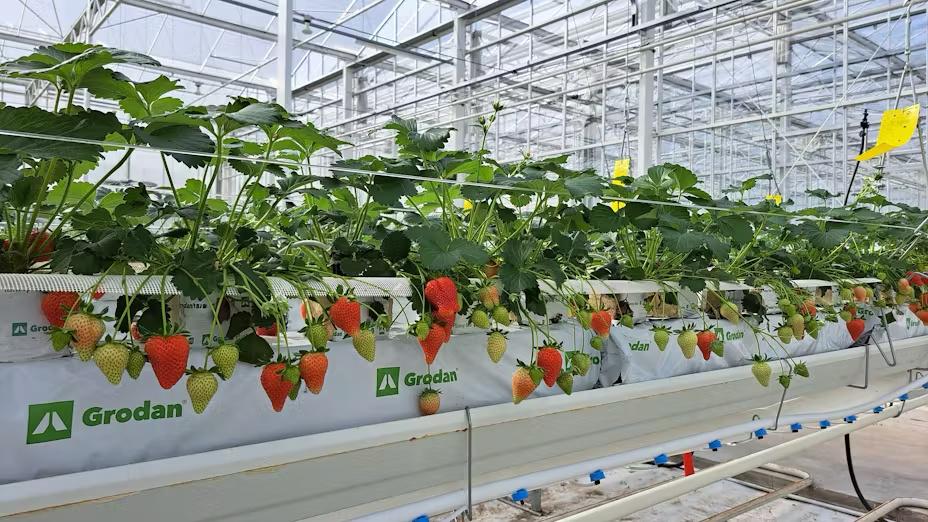
| Crop | Tomato, lettuce, flowers, and berries need different layouts and controls. | Crop plan, row spacing, and production target. |
| Supplier scope | A low quote may exclude installation, controls, or spare parts. | Detailed bill of materials and delivery scope. |
How I would evaluate it
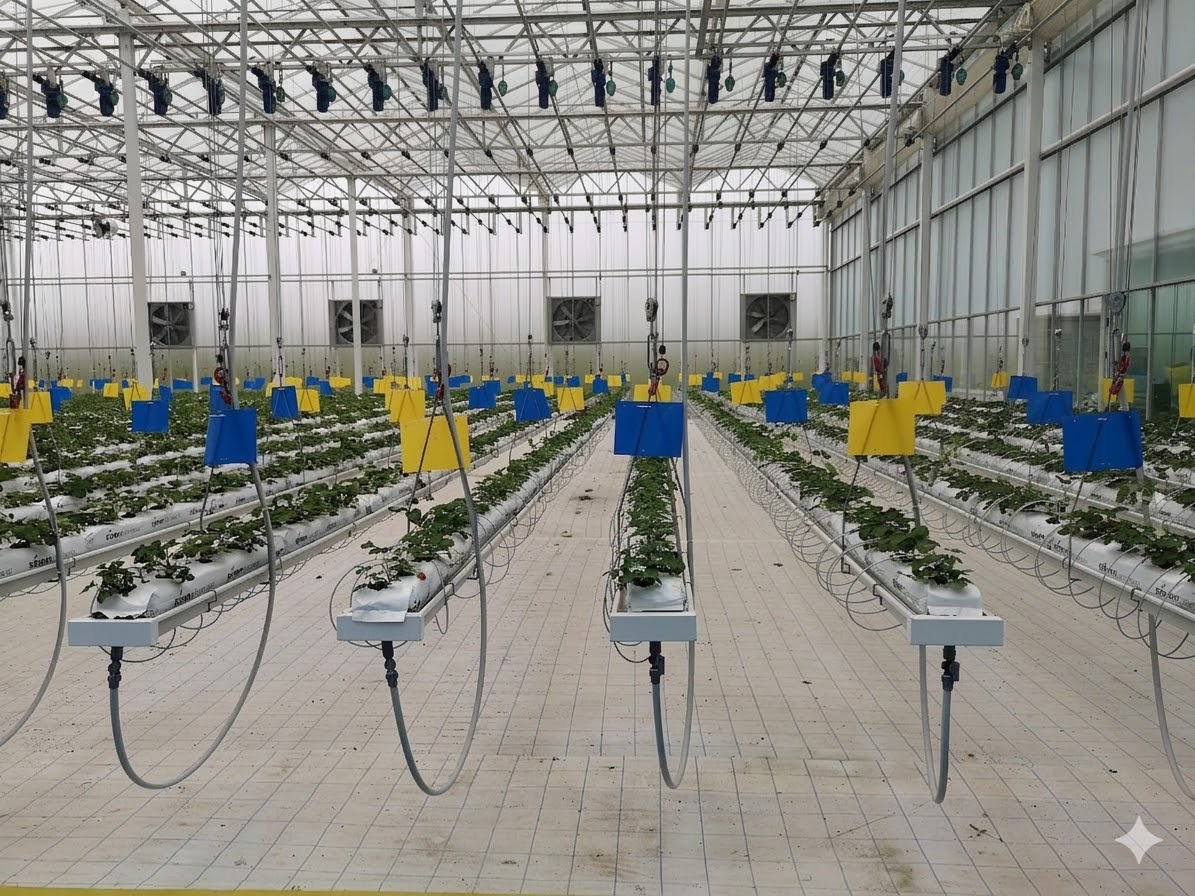
I would first check the project location, crop value, target planting season, local wind and snow expectations, available water and power, and whether the buyer needs a simple structure or a controlled production system. These details decide whether a film tunnel, polycarbonate house, glass house, fan-pad system, natural ventilation, drip irrigation, or climate computer is appropriate.
Greenhouse Environmental Control Systems | Prospiant Equipment What Are Greenhouse Environmental Control Systems?
A greenhouse can fail commercially even when the frame is strong if the operating system does not match the crop or climate.
Compare every option by crop performance, maintenance, energy use, installation difficulty, and long-term replacement cost.
| Check | Good sign | Risk sign |
| Specification | Clear steel, covering, load, and system details. | Only product names and a total price. |
| Climate fit | Design mentions heat, wind, snow, humidity, or shade. | Same design offered for every country. |
| Support | Drawings, packing list, installation guidance, and spare parts are defined. | After-sales support is vague. |
What to request from a supplier
Ask for a bill of materials, structure drawing, covering material specification, system diagram, packing plan, installation responsibility, spare parts list, and quote validity period. If two quotes differ sharply, compare what each quote excludes before deciding one supplier is cheaper.
What Are Greenhouse Environmental Control Systems?
Buyers often ask for a fast price before sending the information that makes the price meaningful.
Send a compact RFQ with location, crop, area, climate issue, structure type, systems, timeline, and installation scope.
| RFQ field | Example | Why it matters |
| Country and city | Riyadh, Saudi Arabia | Sets heat, logistics, and design assumptions. |
| Crop and method | Tomato in substrate bags | Defines height, irrigation, drainage, and climate targets. |
| Area | 1 hectare / 2.47 acres | Controls span layout, equipment sizing, and shipping volume. |
| Systems | Pad-fan, drip fertigation, shade screen | Prevents missing equipment in the quote. |
Practical next step
Prepare a one-page RFQ before requesting a quotation. CFGET can then compare structure, covering, irrigation, ventilation, and control options against the same project assumptions. That produces a more useful proposal than a fast but incomplete price.
Conclusion
Greenhouse climate control system should be treated as a project-planning question. The safest blog answer combines a direct answer, clear assumptions, engineering trade-offs, and a buyer checklist.
Project Review Notes
- Experience: the recommendation is framed around real greenhouse project decisions: climate, crop, structure, systems, installation, and operation.
- Expertise: the article explains the criteria behind the recommendation instead of only naming a product.
- Authority: the article connects search demand with CFGET’s greenhouse manufacturing and project-planning context.
- Trust: claims are limited to practical decision factors; local engineering, permits, and crop economics still need project-specific review.
Frequently Asked Questions
Is greenhouse climate control system enough information for a greenhouse quote?
No. A useful quote also needs country, crop, area, climate, target season, structure preference, systems, and installation scope.
What information should I send before asking for a price?
Send the project location, greenhouse size, crop, climate challenge, preferred covering, required systems, and whether you need installation guidance.
Can one greenhouse design work in every country?
No. Wind load, snow load, heat, humidity, labor skill, crop value, and local regulations can change the right design.
Should I choose the cheapest greenhouse supplier?
Not by price alone. Compare drawings, material thickness, load assumptions, equipment scope, delivery terms, and after-sales support.
Why does CFGET ask for climate and crop details first?
Those details decide the structure, ventilation, covering, irrigation, and control system. Without them, a quote can look precise but still be wrong for the project.