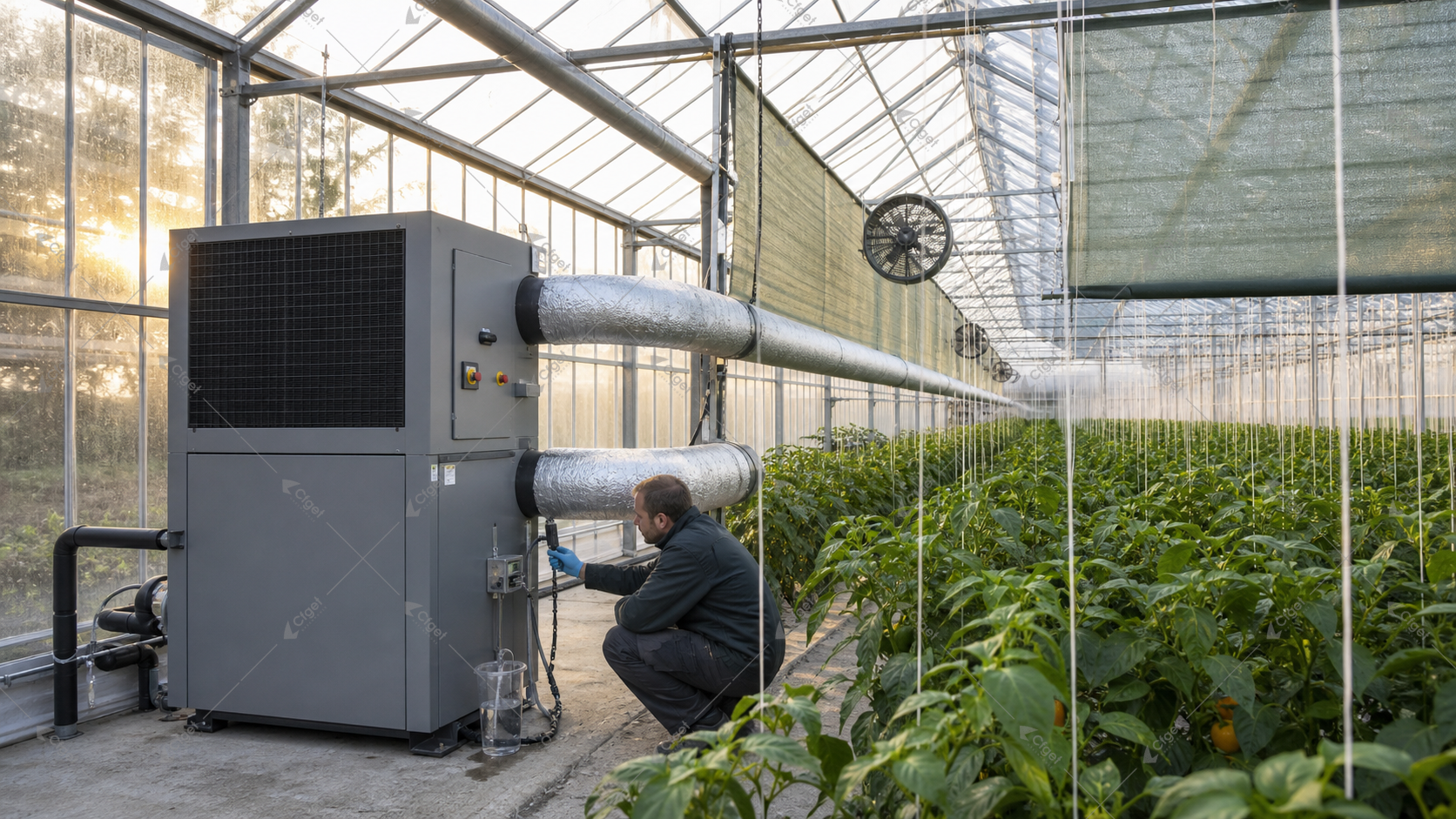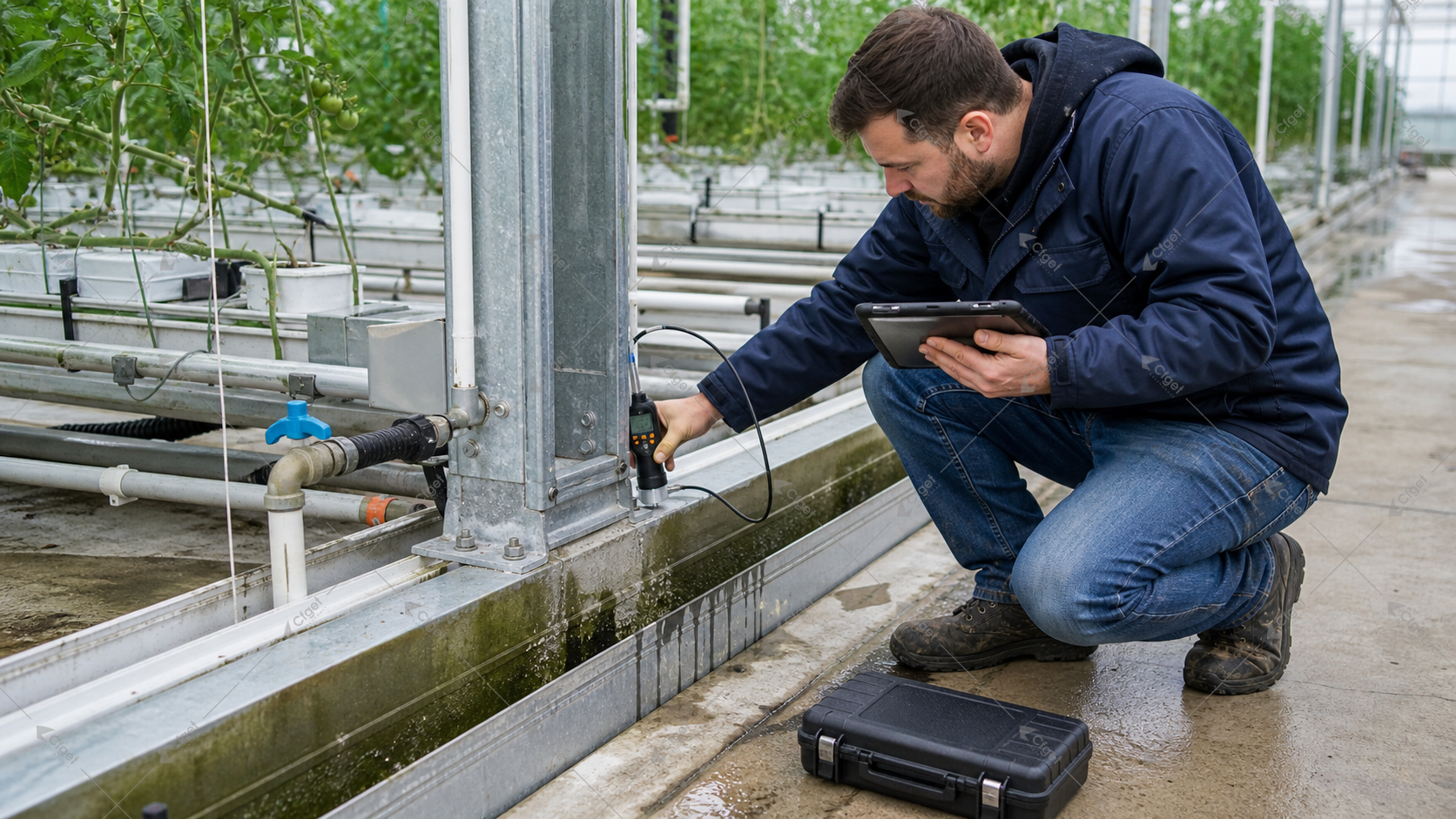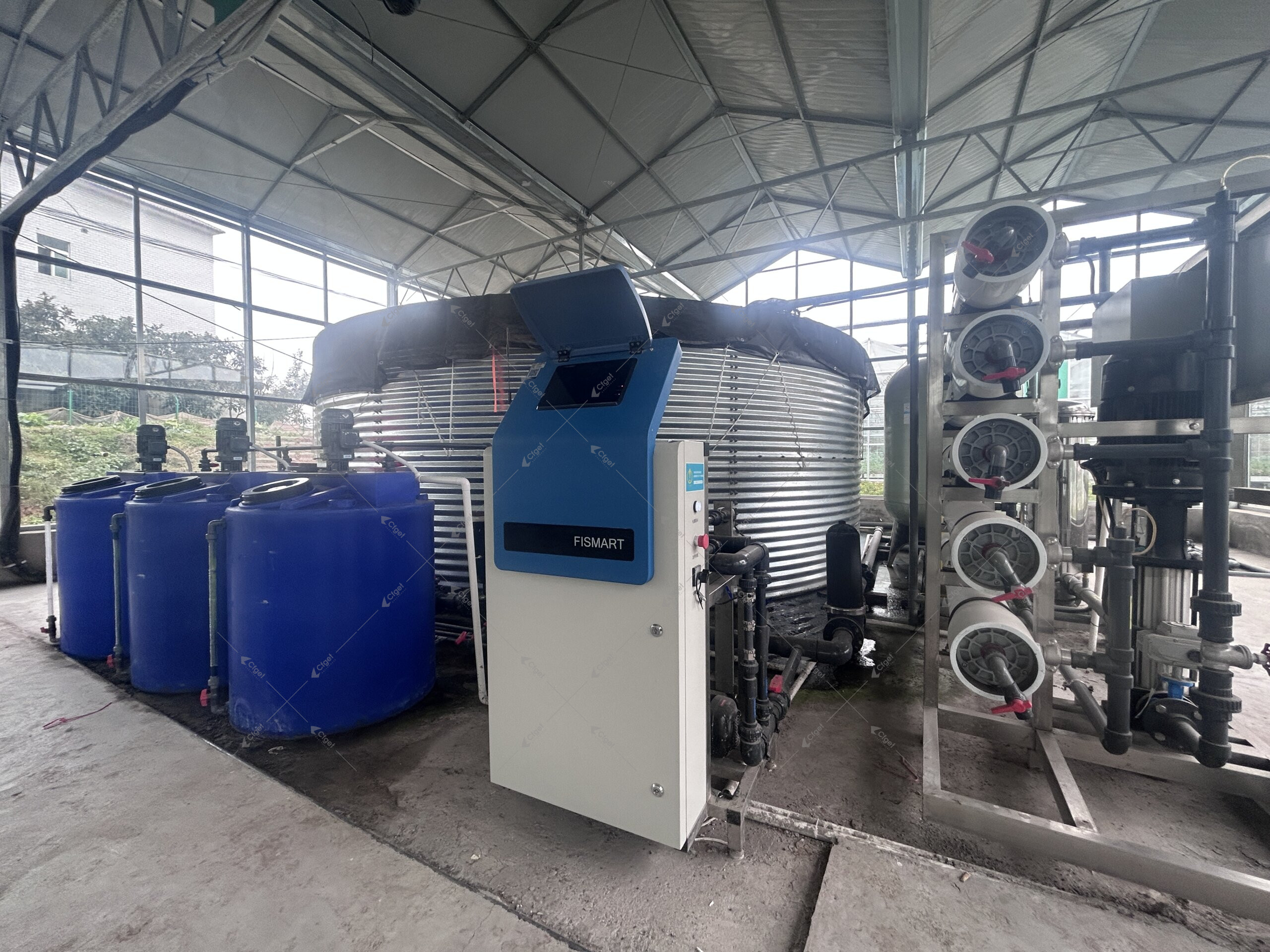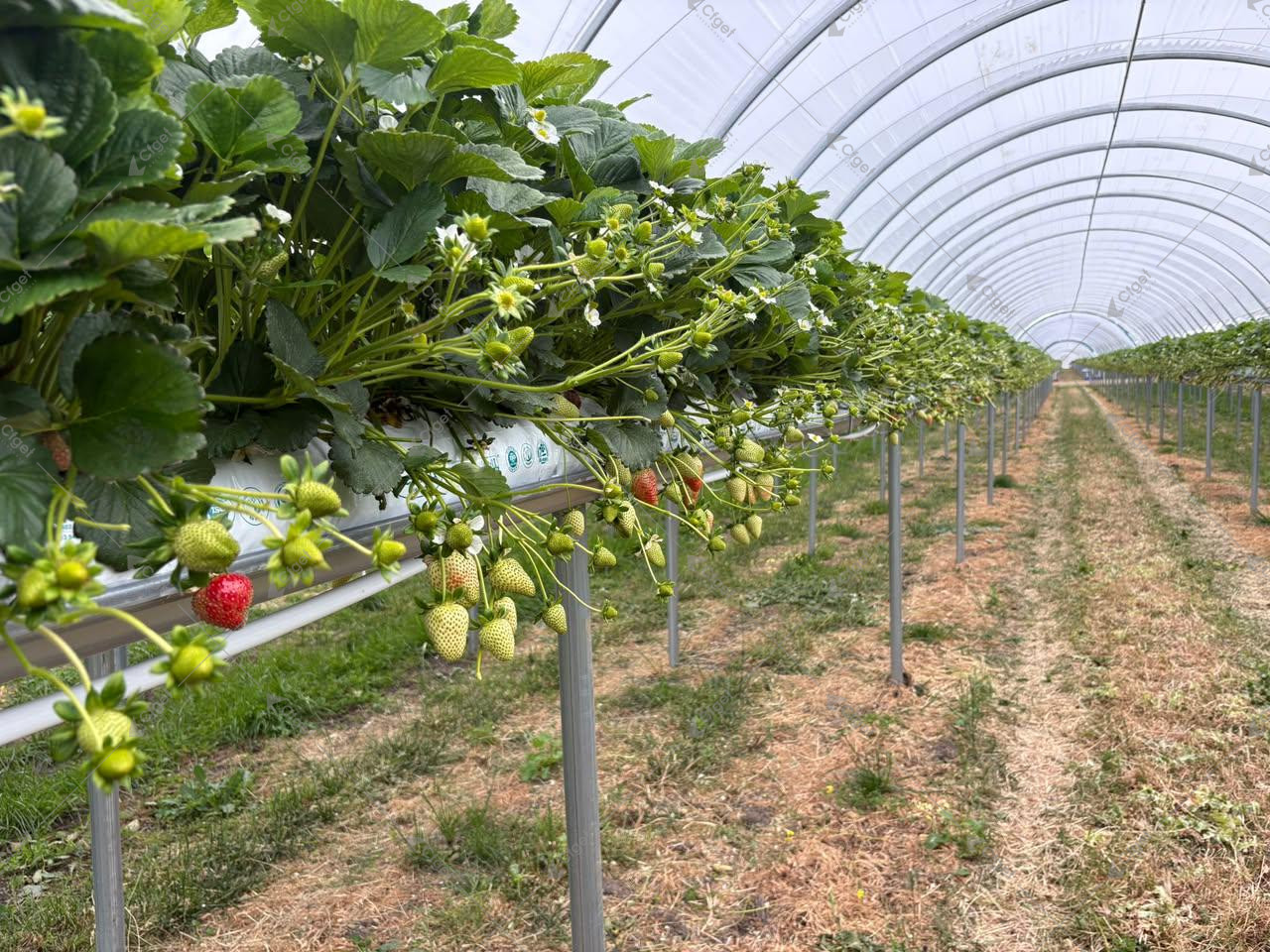
Greenhouse irrigation pump redundancy should preserve critical flow and pressure after a credible failure. Define crop outage tolerance, duty points, shared failure modes, isolation, automatic changeover, power, storage, controls, alarms, testing, and repair time before choosing duty-standby or parallel pumps.
*By Coraline Liao, CEO, CFGET | Updated: September 17, 2026*
*Reviewed by CFGET Project Planning Team*
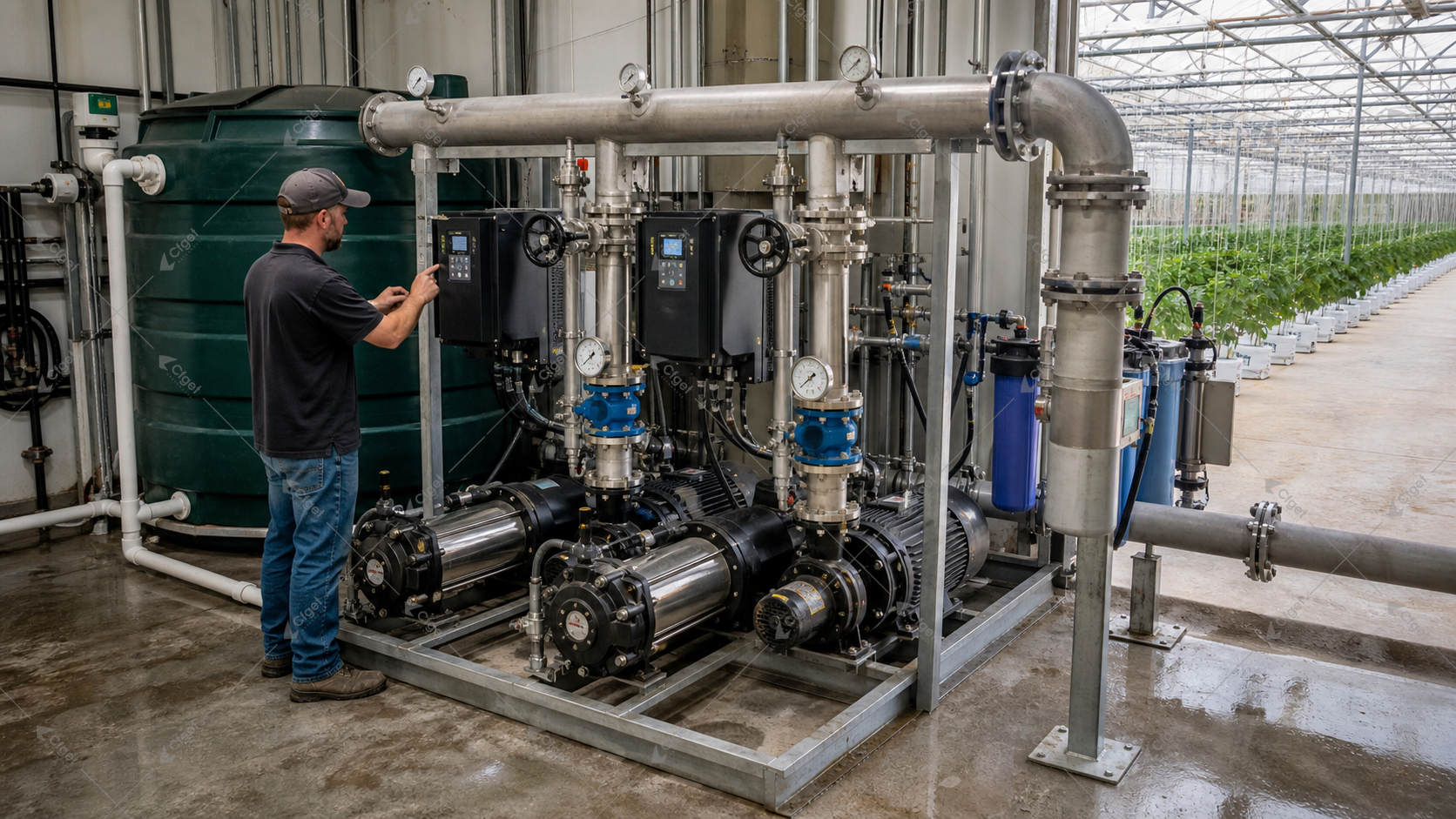
A failed greenhouse irrigation pump can damage a crop long before a replacement arrives. A standby unit is useful only if it starts, isolates the failed pump, reaches the required duty point, and keeps the critical irrigation programme running.
Use this with our Commercial Greenhouse Buying Guide topic cluster. For a full project, keep it beside Commercial Greenhouse Solutions so the structure, systems, and crop plan do not drift apart.
Where should the decision start?
- Rank irrigation zones by the time the crop can safely wait, then define minimum emergency flow and pressure.
- Check pump curves at the real system head for normal, flushing, dosing, and failover cases.
- Remove shared failures where practical: suction blockage, empty tank, closed valve, controller, sensor, power, communication, and discharge header.
- Test automatic failover during a representative irrigation cycle and record pressure recovery, alarm delivery, dosing response, and restart ownership.
Key facts worth checking
| Resilience input | What to establish | Evidence |
| Crop consequence | Outage tolerance and minimum survival schedule by zone | Critical-load register |
| Hydraulics | Duty points, suction margin, headers, valves, and failover pressure | System and pump-curve calculation |
| Shared systems | Power, controls, tank, filtration, dosing, and alarms | Failure-mode and test matrix |
My project review method
I would start from crop outage tolerance, identify the common failure points, plot every hydraulic mode, then interrupt the running pump during a witnessed cycle and confirm that pressure, dosing, alarms, and operator recovery behave as written.
What I would inspect in the drawings
- I would ask whether the crop needs full production flow or only a reduced survival schedule after one failure; the answer changes both cost and control logic.
- Check valves and isolation valves deserve deliberate access because a leaking non-return valve can spin or backflow through the stopped pump.
- A spare pump in storage is not operational redundancy when alignment, wiring, priming, tools, or trained labor are missing during a hot-day outage.
What the buyer needs to fix in writing
| Buyer question | What to decide before requesting a price | Why it protects the project |
| Design basis | Crop consequence: Outage tolerance and minimum survival schedule by zone | Critical-load register |
| Difficult operating case | Hydraulics: Duty points, suction margin, headers, valves, and failover pressure | System and pump-curve calculation |
| Acceptance evidence | Shared systems: Power, controls, tank, filtration, dosing, and alarms | Failure-mode and test matrix |
Evidence pack
Use the following evidence to challenge the design basis. A checklist item is useful only when the supplier attaches a value, drawing, calculation, test, or named responsibility.
Climate and project assumptions to confirm
- Confirm the project-specific outage tolerance: Maximum minutes without irrigation by crop zone. State who verifies it and when.
- Confirm the project-specific emergency duty: Minimum flow and pressure with one pump unavailable. State who verifies it and when.
- Confirm the project-specific shared failures: Tank, suction, power, controller, filter, and header. State who verifies it and when.
Sources worth checking
- UMass greenhouse water-supply sizing guide
- UConn commercial greenhouse design resource
- UMass greenhouse selection and building resource
Neutral source to keep beside the quote
CFGET project planning note
CFGET’s review would begin by reconciling outage tolerance and minimum survival schedule by zone with critical-load register, then marking every unresolved interface on the drawings and responsibility matrix.
Buyer risk signal
Pause the comparison when the proposal says one duty plus one standby; both pumps depend on one unmonitored failure point; or each pump is tested separately with open discharge.
Ask the supplier for these exact specs
Require a completed response for Outage tolerance, Emergency duty, Shared failures, Acceptance, supported by the relevant drawings, calculations, settings, or test records. Do not accept “standard” or “as required” where a project value can be stated.
Project video: greenhouse irrigation and growing equipment
This field video shows greenhouse production equipment in use, which helps buyers connect the quote with daily operation.
Which irrigation failures require pump redundancy?
List the failures that can stop water reaching roots: pump motor or drive, suction loss, blocked strainer, low tank, burst main, valve failure, controller, pressure sensor, dosing interlock, power, and communication. Redundancy should target the failures with unacceptable crop consequence.
Define normal and emergency irrigation schedules. A survival mode may shed noncritical zones, shorten events, or pause flushing, but root-zone EC and dosing limits still need protection. Write the allowed recovery time rather than assuming instant full flow.
Technical reference for this decision: UMass guide to keeping greenhouse water systems operating smoothly.

How should duty, standby, and parallel pumps be piped and controlled?
Plot each pump on the system curve for single-pump, parallel, dirty-filter, flushing, and emergency states. Confirm suction conditions, minimum flow, VFD range, motor cooling, check-valve behaviour, and isolation without draining the complete station.
Control logic should rotate duty, prove flow and pressure, detect failed start, isolate or stop an unhealthy unit, start the alternate pump, manage dosing, prevent unstable hunting, and notify an operator. Manual local operation remains important during controller or network failure.
Technical reference for this decision: UMass greenhouse water-supply sizing guide.
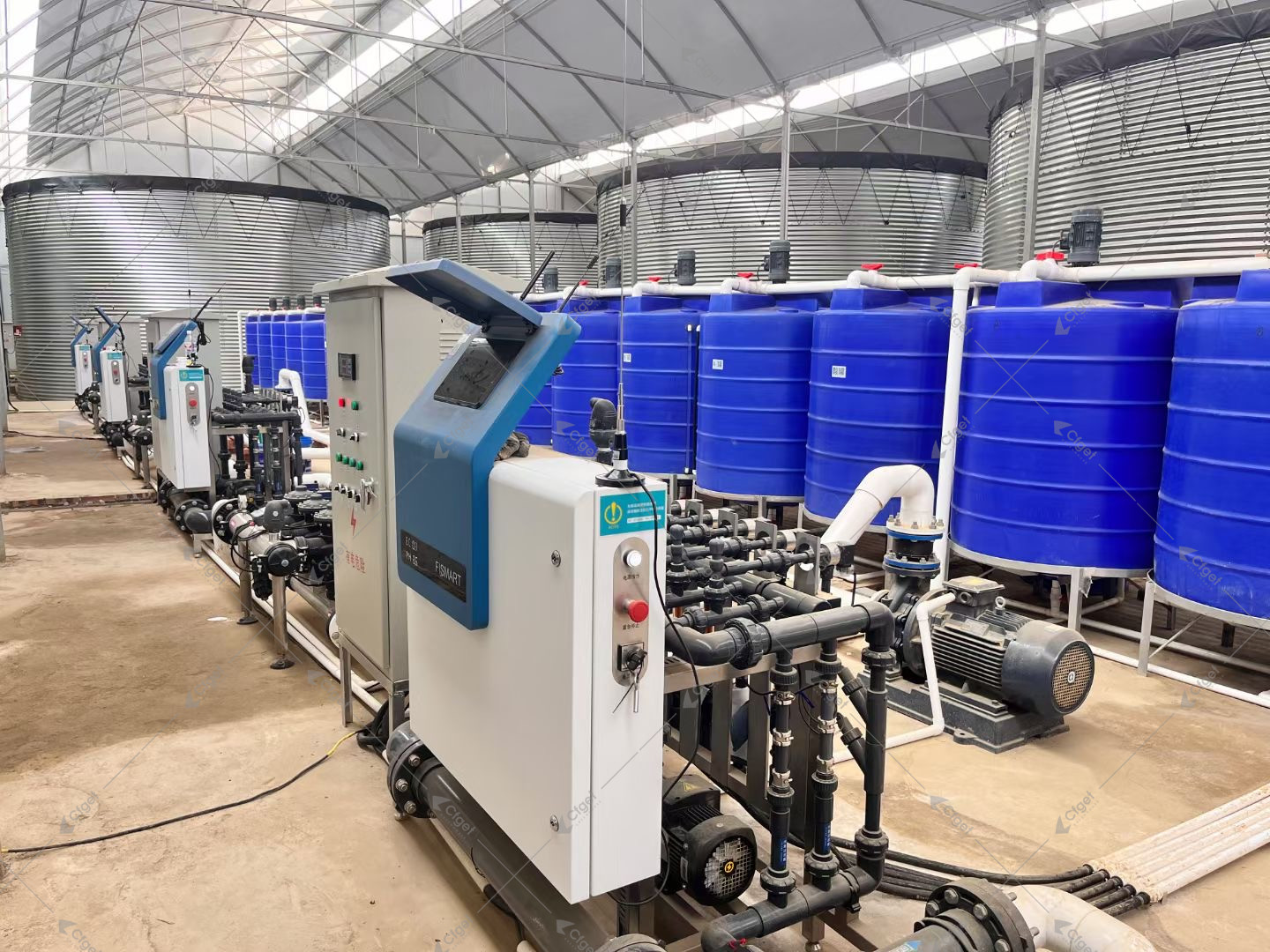
| Check | Good sign | Risk sign |
| Requirement | Emergency flow and recovery time are defined | The proposal says one duty plus one standby |
| Common cause | Suction, power, controls, and water storage are reviewed | Both pumps depend on one unmonitored failure point |
| Proof | Failover is tested under representative demand | Each pump is tested separately with open discharge |
What to request from a supplier
Ask for the critical-zone schedule, normal and emergency duty points, pump and system curves, suction calculation, piping and valve diagram, power and control architecture, rotation and failover sequence, dosing interlocks, alarms, storage autonomy, manual operation, test procedure, maintenance plan, and repair spares.
What failover test proves the crop remains protected?
Create a witnessed test that fails the running pump during the most important planned cycle. Record pressure decay and recovery, flow, active zones, dosing stop or continuation, valve response, alarm path, standby start, and the safe return to normal duty.
Also test low tank, blocked suction indication, failed pressure sensor, power restoration, and a pump that runs without delivering water. Keep baseline vibration, current, pressure, seals, spares, and changeover-test records with the maintenance plan.
Technical reference for this decision: UConn commercial greenhouse design resource.
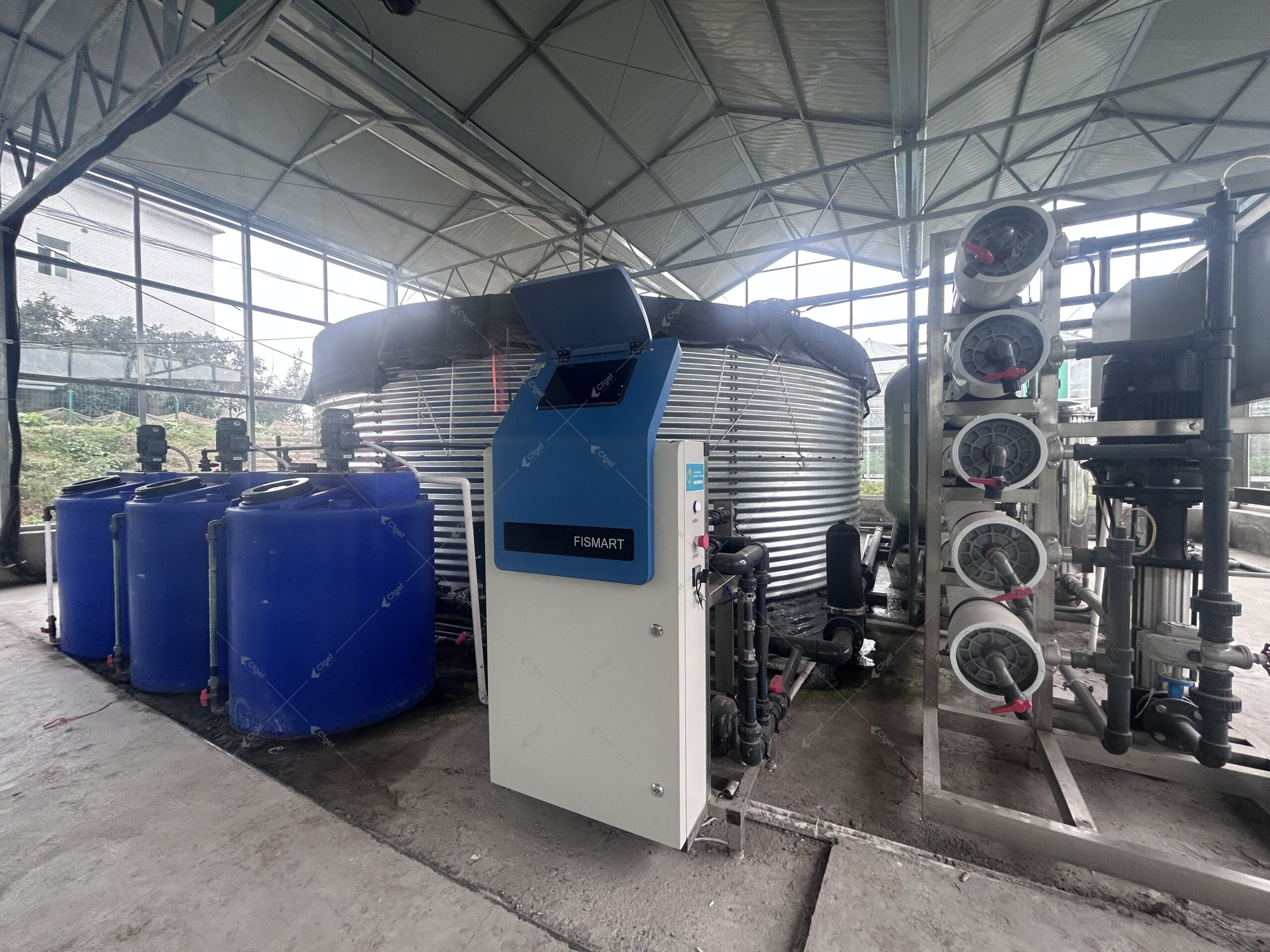
| RFQ field | Example | Why it matters |
| Outage tolerance | Maximum minutes without irrigation by crop zone | Defines resilience need |
| Emergency duty | Minimum flow and pressure with one pump unavailable | Sets pump and pipe selection |
| Shared failures | Tank, suction, power, controller, filter, and header | Exposes false redundancy |
| Acceptance | Running-pump trip during peak critical demand | Proves automatic recovery |
Practical next step
Prepare one page covering Outage tolerance, Emergency duty, Shared failures, Acceptance. Add the project city, crop, greenhouse area, available utilities, relevant drawings, and the party responsible for local work. Send that evidence to [email protected] for a first technical-scope review.
Before you use this recommendation
- Treat the article as a decision and RFQ guide, not a final engineering design.
- Replace every example with project-specific climate, crop, utility, code, and operating data.
- Require calculations, drawings, test records, or named assumptions for every important supplier claim.
Research and review method
This guide combines the current search evidence listed above with a greenhouse project planning checklist: define the failure case, trace the interfaces, identify measurements, and turn unresolved assumptions into RFQ fields. CFGET observations are labeled as project-review judgment; local engineering and operating data remain the final authority.
Coraline Liao is CEO of CFGET. Her public LinkedIn profile describes her as a Greenhouse Technical Director with more than 15 years in the greenhouse industry, focused on customized climate-control and greenhouse solutions. Her published technical topics include greenhouse structures, climate control, light management, hydroponics, and fertigation. Her article reviews begin with the crop, climate, site, project scope, installation boundaries, and operating constraints. Technical recommendations should be adapted to local climate data, crop plans, budgets, and professional engineering review before implementation.
Professional profile: Coraline Liao on LinkedIn
Company details
CFGET: Founded in 1996, CFGET designs, manufactures, and delivers greenhouse systems and smart farming solutions from its own factory in Sichuan, China.
Address: NO 108, South Area Chengdu Modern Industrial Park, Sichuan, China
Email: [email protected]
About the company: https://cfgreenway.com/about/
Company profile: GreenWay on LinkedIn
Technical videos: Greenhouse project channel on YouTube
Where this fits in the greenhouse buying cluster
Start with the hub, then open the system or crop pages that match your decision.
- Commercial Greenhouse Buying Guide
- Commercial Greenhouse Solutions
- Greenhouse Irrigation and Fertilization
- Greenhouse Hydroponics
- Greenhouse Growing Systems
- Greenhouse Project Cases