An aquaculture greenhouse must be designed around water, not around a standard crop-house package. Open tanks add humidity and latent heat, while feed, fish density, water treatment, and biosecurity add operating constraints that ordinary greenhouse quotations rarely cover.
*By Coraline Liao, CEO, CFGET | Updated: July 25, 2026*
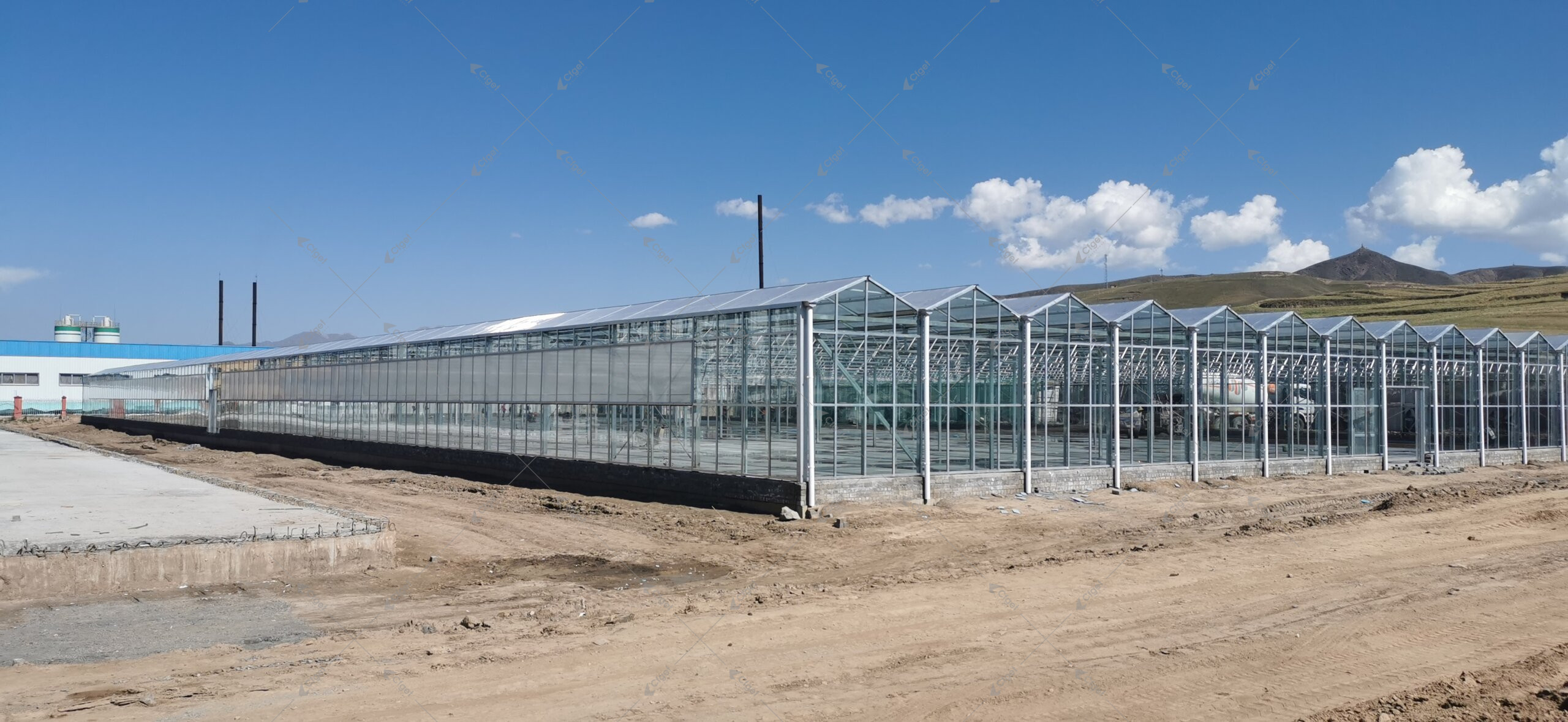
The first question I ask is whether the enclosure is protecting fish production or merely keeping rain and wind off the tanks. Those are different buildings. A warm recirculating system can release a surprising amount of moisture, and that moisture eventually reaches steel, motors, cable trays, insulation, and the underside of the roof.
Start with the water and room heat balance
List tank surface area, water temperature, room temperature, outside design conditions, cover use, pump heat, lighting heat, and the operating schedule. The designer needs these numbers to estimate evaporation and heating demand. A generic air-change rate is not a substitute for that calculation.
Covering tanks at night can change both evaporation and heat loss. It may also affect access, oxygen management, and daily labor. Treat tank covers as part of the operating plan, not as a last-minute energy accessory.
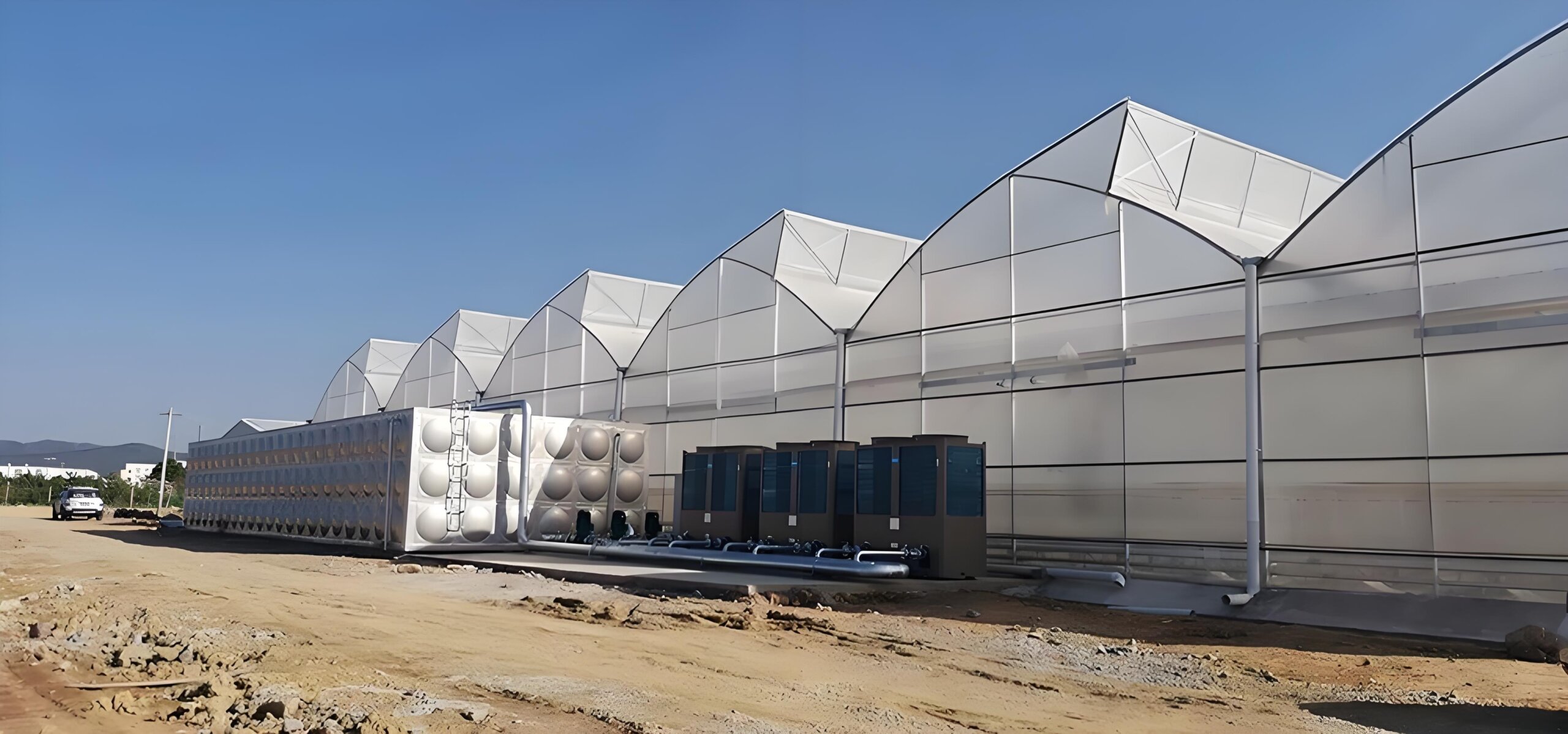
Humidity control is also corrosion control
Natural ventilation may work in mild, dry weather. It becomes less useful when the outside air is humid or very cold. In those periods, heat recovery, controlled exhaust, dehumidification, or a combined strategy may be needed to remove moisture without throwing away all the heat.
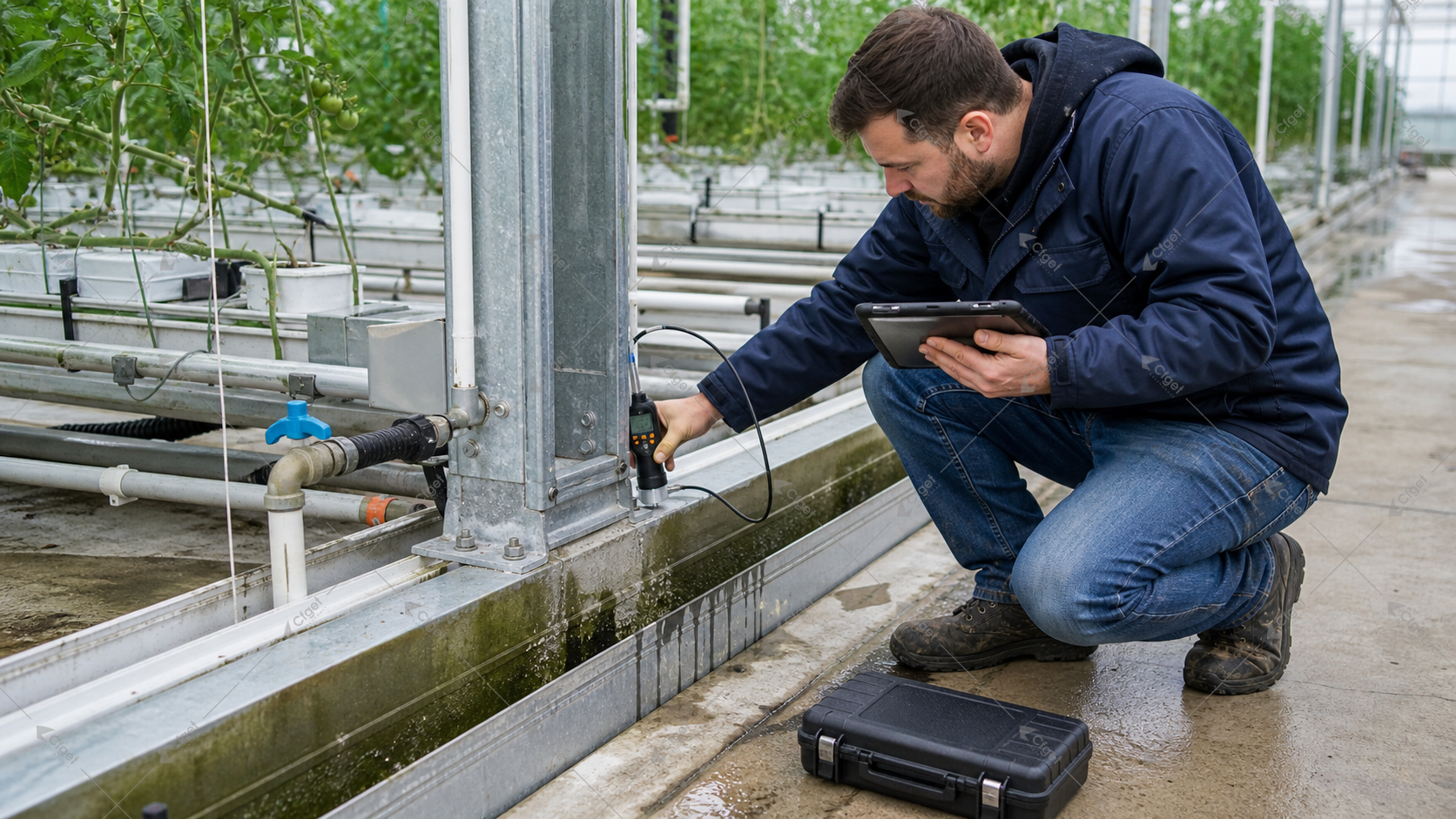
Specify coatings, fasteners, electrical enclosures, sensor housings, and fan motors for a wet environment. I would ask where condensation will drip and whether it can reach tanks or electrical equipment. Galvanized steel is not a complete corrosion plan when cut edges, chemicals, and continuous condensation are present.
| Risk area | Question for the supplier | Visible evidence |
| Roof | Where does condensate drain? | Gutter or drip-control detail |
| Steel | How are cuts and connections protected? | Coating and repair specification |
| Electrical | What wet-area rating is used? | Enclosure and cable schedule |
| Ventilation | How is moisture removed in winter? | Operating sequence, not just fan quantity |
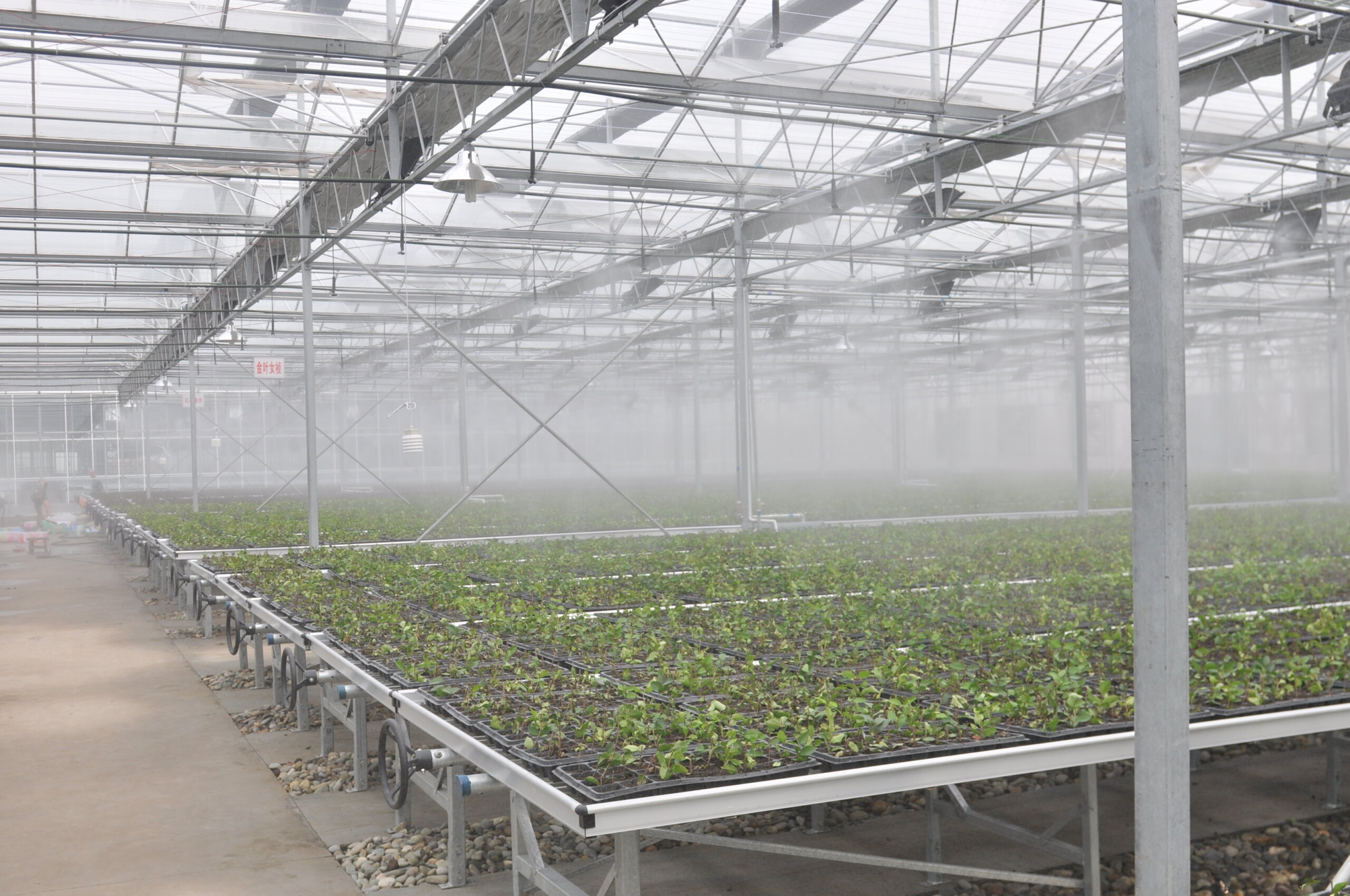
Keep the greenhouse separate from life-support redundancy
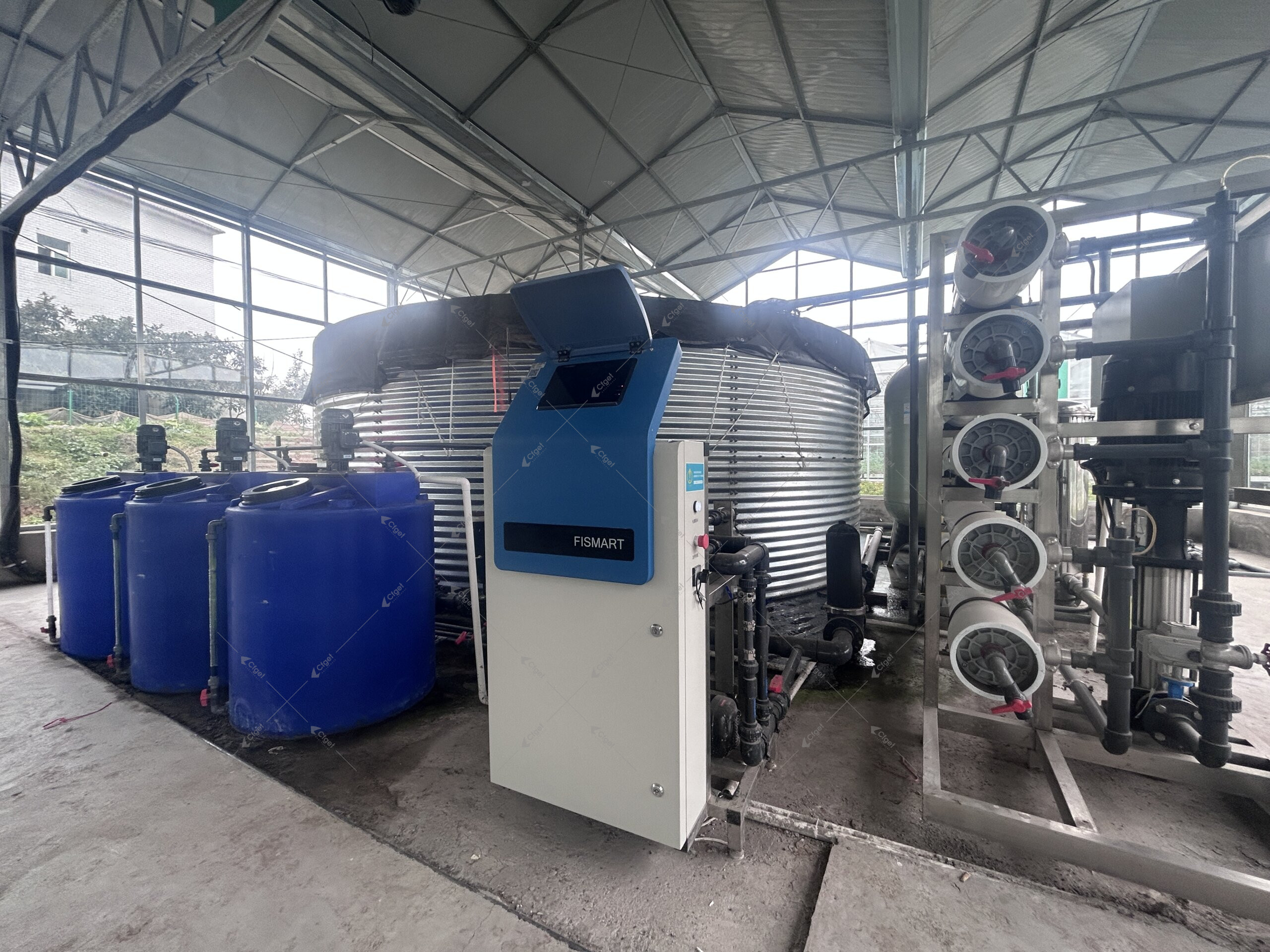
The greenhouse controller should not become a single point of failure for oxygen, circulation, or water treatment. Pumps, blowers, alarms, and backup power need their own failure plan. Fish can be lost faster than many greenhouse crops when circulation stops.
Ask what happens after a power failure, high-water alarm, pump trip, or communication loss. The answer should name the backup equipment, alarm recipients, restart sequence, and manual controls.
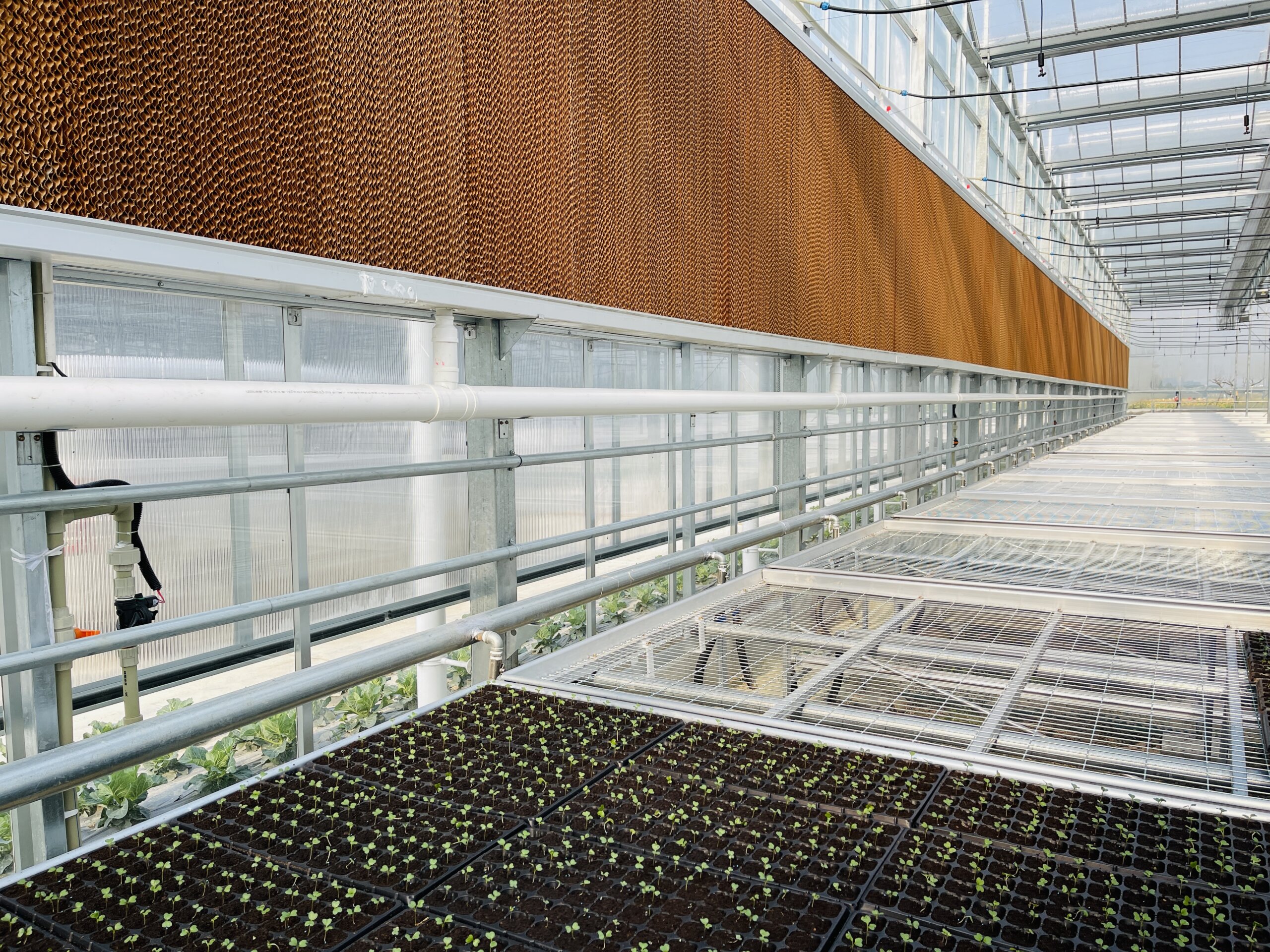
Layout decisions that save daily labor
Allow dry walking routes around tanks, space to remove pumps and filters, washable surfaces, quarantine separation, and a route for feed and harvested fish. Put service equipment where a technician can reach it without leaning over an open tank.
Before pricing, send a tank plan, process-flow diagram, water-temperature target, room-temperature range, humidity target, utility data, backup-power concept, and local discharge rules. That package produces a much more honest quote than floor area alone.
Walk the wet room before signing
- Calculate evaporation from the actual tank plan and temperatures.
- Show where roof condensation goes before choosing the covering.
- Use wet-environment electrical equipment and document the ratings.
- Keep aeration and circulation alarms independent from convenience controls.
- Leave removal space for pumps, filters, and heat exchangers.
See how the working space feels
The CFGET video below is useful for judging access, structural clearance, and the difference between a clean presentation area and a workable production aisle. Confirm tank, pipe, and service dimensions on the layout.
Watch on YouTube: Aerial View of Sawtooth Greenhouse: Natural Ventilation Meets Smart Design
<!– CFGET-YOUTUBE-EMBED {“video_id”:”Z_U_1AmznQE”,”source”:”youtube-channel-catalog”,”type”:”video”,”share_url”:”https://youtu.be/Z_U_1AmznQE”} –>
<!– wp:embed {“url”:”https://www.youtube.com/watch?v=Z_U_1AmznQE”,”type”:”video”,”providerNameSlug”:”youtube”,”responsive”:true} –>
<figure class=”wp-block-embed is-type-video is-provider-youtube wp-block-embed-youtube”><div class=”wp-block-embed__wrapper”>https://www.youtube.com/watch?v=Z_U_1AmznQE</div></figure>
<!– /wp:embed –>
Planning pages for the next conversation
Aquaculture greenhouse questions
Does an aquaculture greenhouse always need a dehumidifier?
No. The answer depends on evaporation, climate, ventilation opportunities, heat cost, and the acceptable indoor humidity.
Is galvanized steel enough near fish tanks?
It helps, but joints, cut edges, chemicals, fasteners, and constant condensation still need a corrosion specification.
Can one controller run the greenhouse and fish system?
It can coordinate them, but life-support equipment needs independent alarms, manual operation, and a backup-power plan.
What should be sent with the RFQ?
Send the tank layout, water temperatures, process flow, utilities, operating schedule, climate data, and redundancy requirements.
A note from coraline
This article reflects CFGET’s early planning conversations for humid agricultural buildings. The aquaculture process designer must own water quality and life-support calculations; the greenhouse supplier must show how the enclosure supports them.