For a cold-climate project, choose the supplier that can show the design basis, heating assumptions, condensation strategy, installation boundary, and service plan. A low price is not useful when snow load, fuel conditions, or winter commissioning are left undefined.
*By Coraline Liao, CEO, CFGET | Updated: July 26, 2026*
I would rather read three clear calculations than thirty pages of sales material. Cold-climate errors are expensive because they usually appear after the structure is closed and the heating system is running. By then, changing a gutter, pipe size, screen seal, or foundation is difficult.
Ask for the design basis before the quotation total
The design basis should identify location, code, wind, snow, minimum temperature, indoor setpoint, crop, covering, and operating season. Check that the structural drawing and heating proposal use the same values. It is surprisingly common to see one department use a different city or temperature.
If the supplier uses an internal standard, ask how it relates to the permit requirements at the project site. Local approval remains the buyer’s responsibility unless the contract says otherwise.
| Document | Minimum content | Red flag |
| Structural basis | Code, wind, snow, steel grade | Only says heavy-duty |
| Heating summary | Temperatures, leakage, covering, capacity | Lists boiler size without heat loss |
| Foundation reactions | Column forces and load cases | Generic footing sketch |
| Scope matrix | Supplier, owner, installer responsibilities | Installation described as guidance |

Check whether the supplier understands winter operation
A cold-house design is more than a strong frame. Ask how gutters are protected, how condensation is drained, where snow melt can refreeze, how warm air is circulated, and how doors are managed during loading. The operator needs a written sequence for extreme weather.
The heating package should match local fuel quality, voltage, spare-part access, and technician skill. An efficient burner that cannot be serviced locally can create more risk than a simpler unit with reliable support.
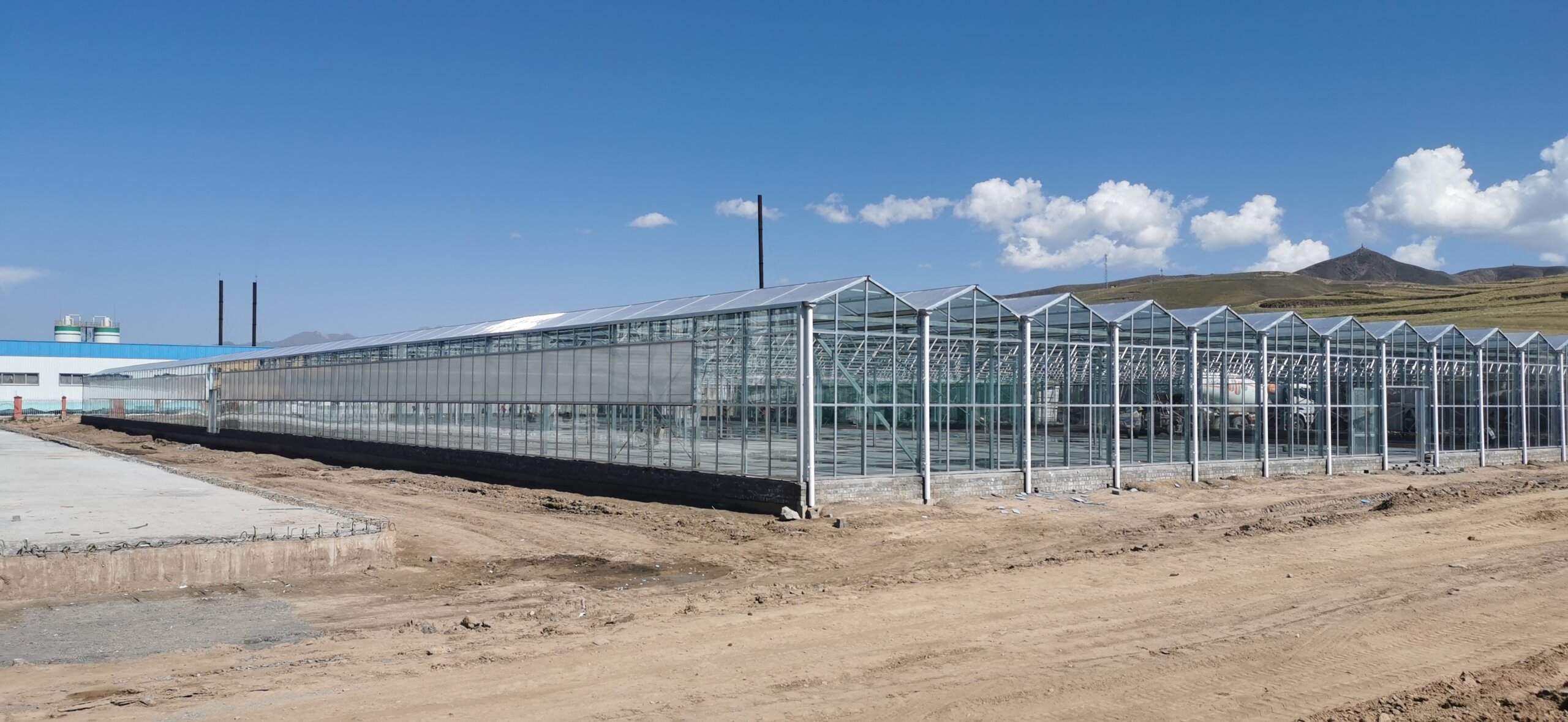
Separate factory scope from local work
Foundations, unloading, lifting equipment, temporary power, accommodation, permits, insulation at utility entries, and winter concrete work are frequent gaps. Put each item into a responsibility matrix with one named owner.
Ask the supplier to mark every field connection on the drawing. That exposes missing valves, cables, brackets, sealants, and transition pieces before containers leave the factory.
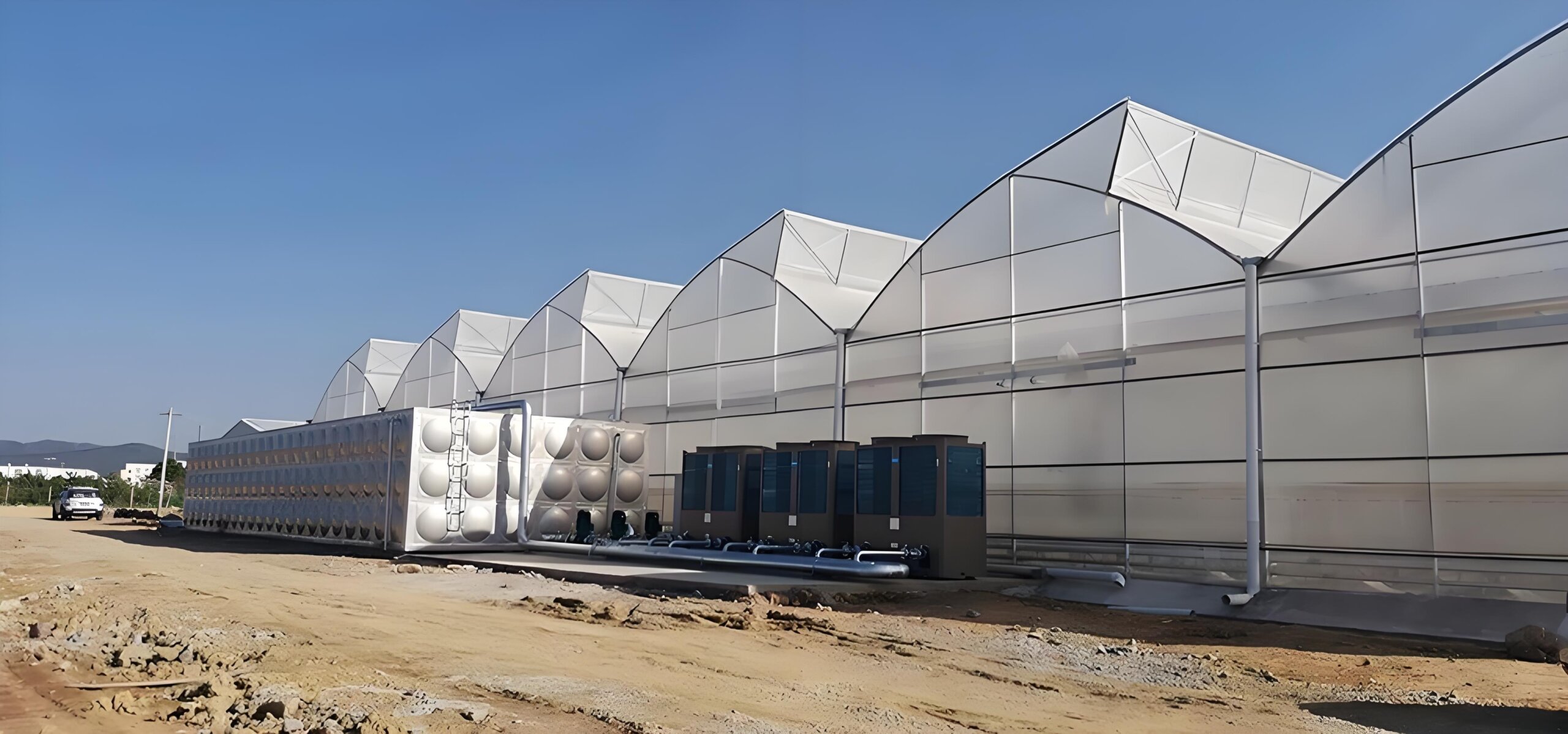
Use the reference project carefully
A reference is relevant only when its climate, crop, span, covering, and operating season resemble the new project. A photograph from a cold country proves very little if the house is used only in summer.
Request the commissioning checklist, spare parts list, response times, drawing revision process, and warranty exclusions. I also ask who answers when a fault crosses boundaries between the structure, heating controls, and local electrical work.
Five documents I would request
- Match every calculation to one agreed project location.
- Put permit responsibility in writing.
- Compare heating assumptions, not only boiler capacity.
- Assign foundations, unloading, sealing, and commissioning to named parties.
- Ask for winter operating instructions and a local spare parts route.
Use the project clip as a supplier check
Watch the CFGET clip for assembly sequence, connections, and access around the structure. Then ask the bidder to identify which details in the video are actually included in your priced scope.
Watch on YouTube: Comprehensive after sales Support from Chengfei Greenhouse
<!– CFGET-YOUTUBE-EMBED {“video_id”:”Of_5kvLtTYk”,”source”:”youtube-channel-catalog”,”type”:”video”,”share_url”:”https://youtu.be/Of_5kvLtTYk”} –>
<!– wp:embed {“url”:”https://www.youtube.com/watch?v=Of_5kvLtTYk”,”type”:”video”,”providerNameSlug”:”youtube”,”responsive”:true} –>
<figure class=”wp-block-embed is-type-video is-provider-youtube wp-block-embed-youtube”><div class=”wp-block-embed__wrapper”>https://www.youtube.com/watch?v=Of_5kvLtTYk</div></figure>
<!– /wp:embed –>
Where to continue the supplier review
Cold-region sourcing questions
Should a supplier provide stamped engineering drawings?
That depends on local law and contract scope. Confirm who will adapt and stamp the design for the project jurisdiction.
How can two cold-climate quotes differ so much?
They may use different snow loads, steel weights, coverings, heating assumptions, installation scope, or exclusions.
Is a project photo enough as a reference?
No. Ask for the location, operating months, crop, design loads, covering, and system scope behind the photo.
What should be fixed before paying a deposit?
Fix the design basis, scope matrix, drawing list, payment milestones, inspection points, and change procedure.
Review basis
Coraline Liao wrote this supplier review from CFGET’s export-project planning experience. A purchasing team should still verify local permits, design loads, utilities, installation responsibilities, and the engineer of record.