Most greenhouse drip failures begin with missing design inputs: no water test, weak filtration, incorrect zoning, uncontrolled pressure, poor flushing access, or no drainage measurement. These mistakes often stay hidden until emitters clog or crop uniformity falls.
*By Coraline Liao, CEO, CFGET | Updated: July 29, 2026*
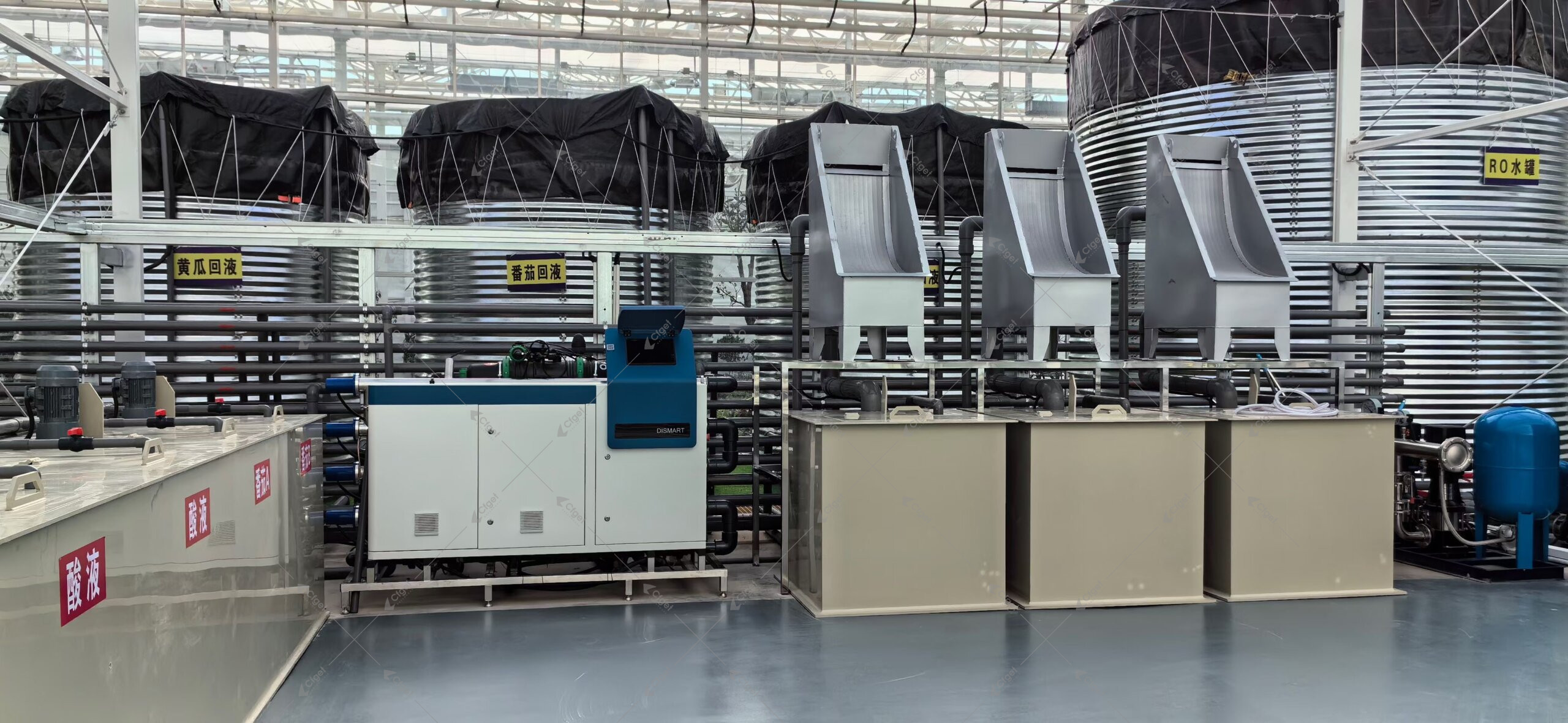
A drip layout can look tidy and still irrigate badly. I start at the water source and work toward the last emitter. If the proposal starts with the number of drippers but says nothing about suspended solids, bicarbonate, iron, pressure variation, or flushing velocity, it is not finished.
Mistake 1: Choosing filtration before testing the water
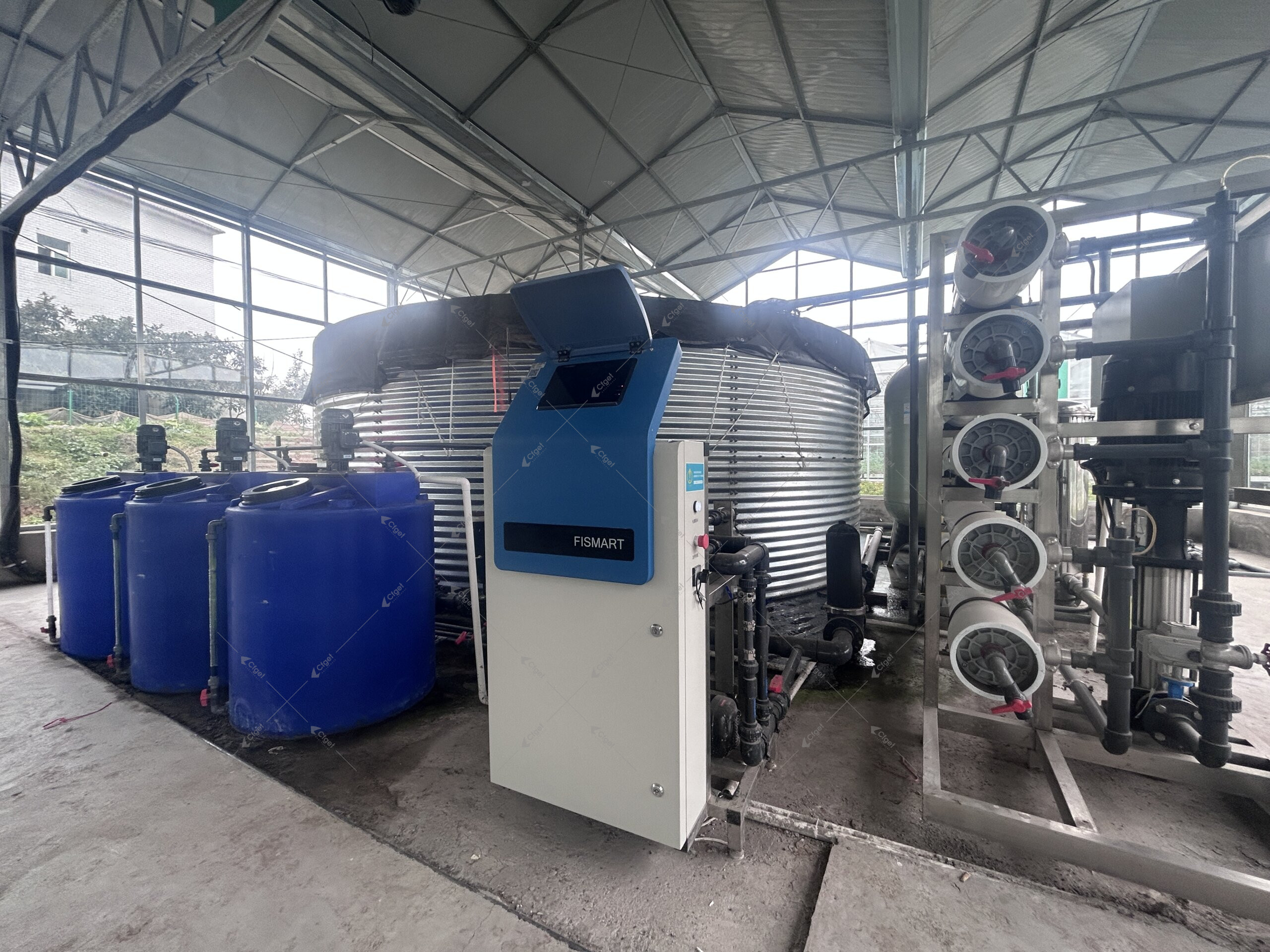
Send a current laboratory analysis and describe the source. Surface water, wells, stored rainwater, and recycled drain water create different risks. The design may need screen, disc, media filtration, oxidation, settling, or chemical treatment.
Ask for the filtration rating, clean and dirty pressure loss, backwash flow, automation method, and waste-water route. A filter that cannot backwash with the available flow will gradually become the restriction in the system.
Mistake 2: Treating the whole greenhouse as one zone
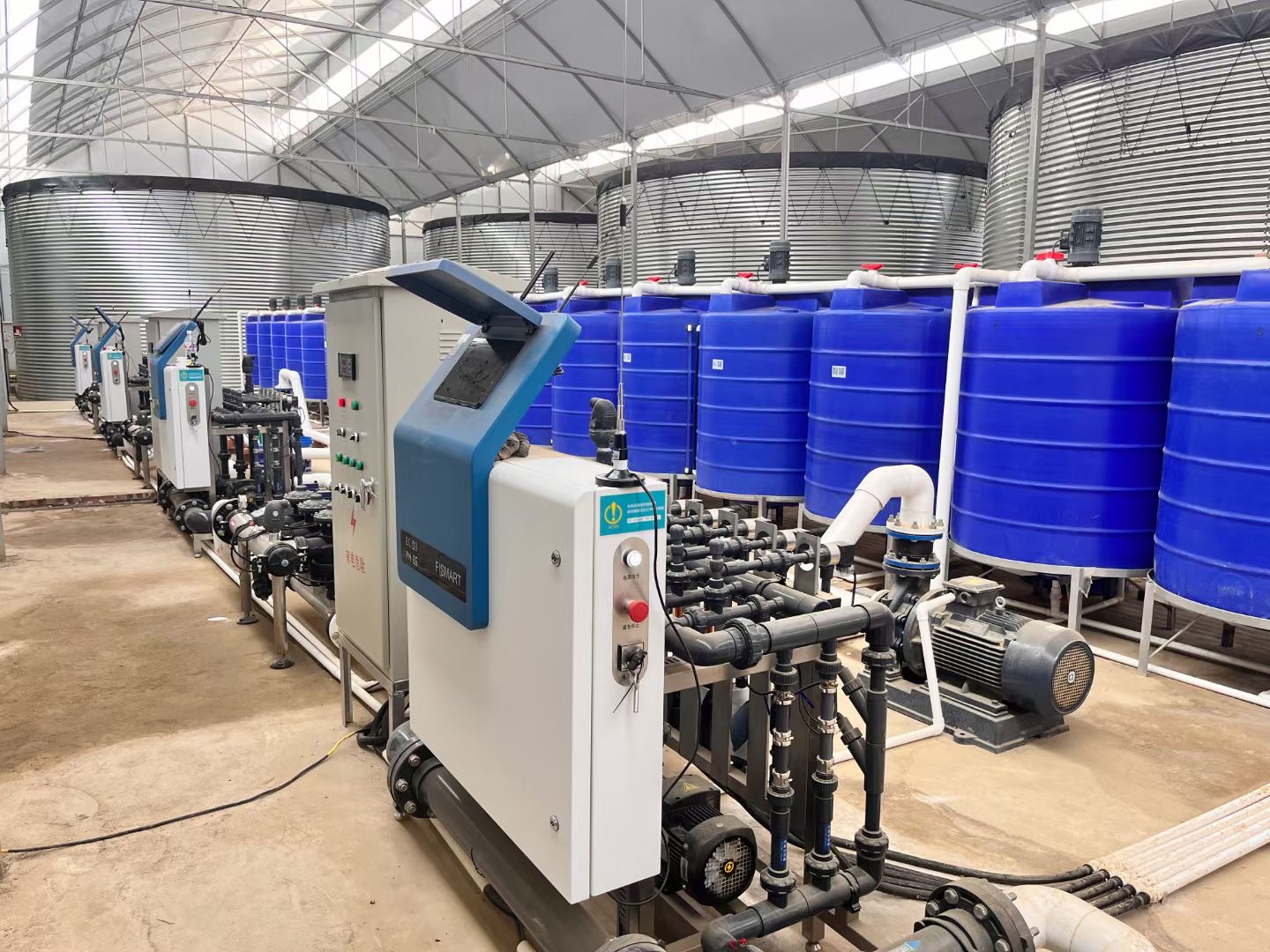
Zone size should follow pump capacity, pressure loss, crop stage, elevation, and management needs. Very large zones can create pressure differences. Too many tiny zones increase valves, wiring, and operating complexity.
Request a hydraulic calculation for the critical route, including the mainline, submain, valve, lateral, elevation, and emitter. The target is emitter uniformity, not merely pressure at the pump.
| Check | Measurement | Action |
| Filter | Pressure before and after | Backwash or inspect at the set differential |
| Zone | Pressure at first and last lateral | Adjust regulator or redesign loss |
| Emitter | Catch-can flow sample | Compare variation by zone |
| Drain | Drain volume and EC | Adjust pulse length and leaching plan |
Mistake 3: No place to flush or sample
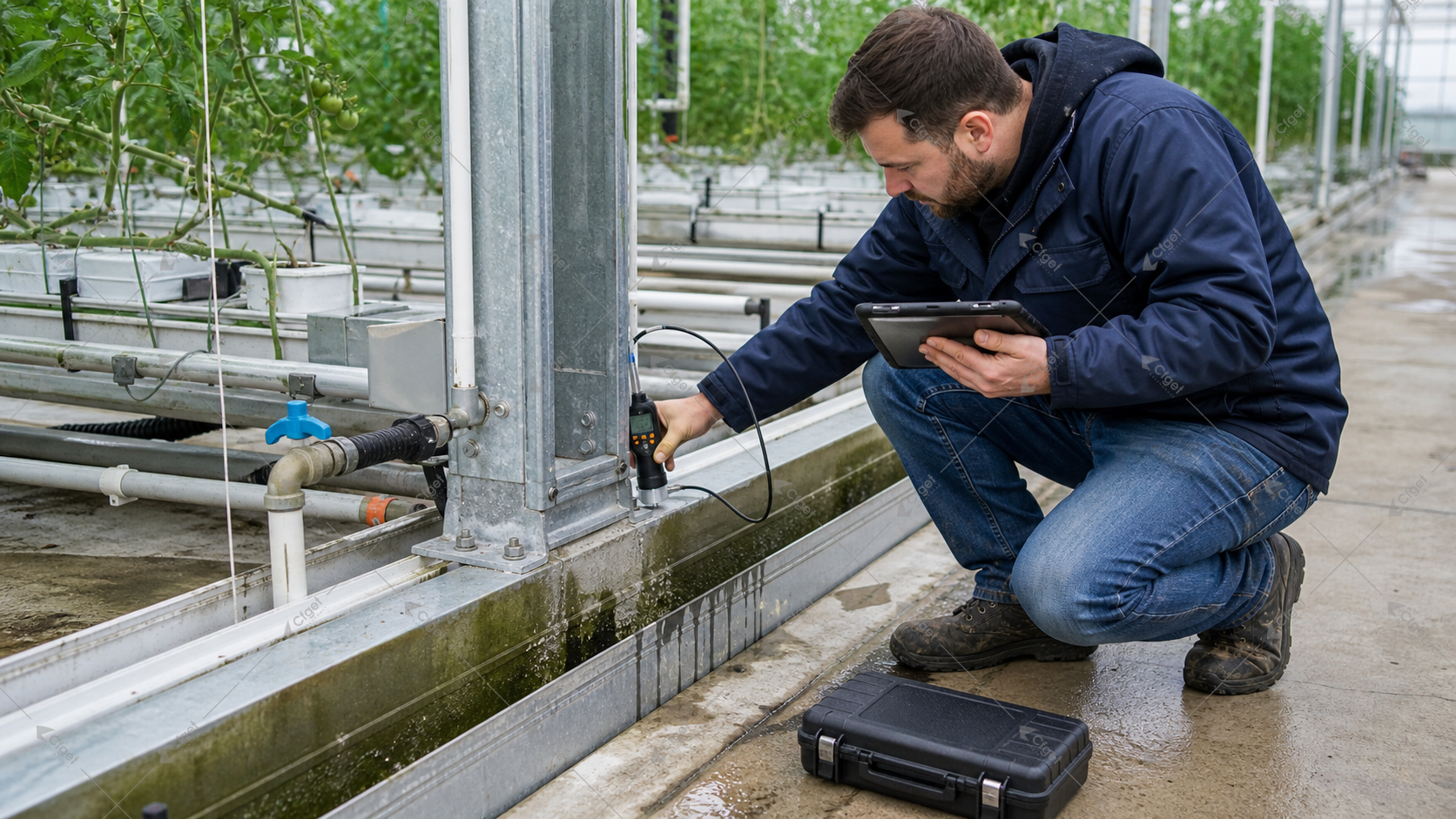
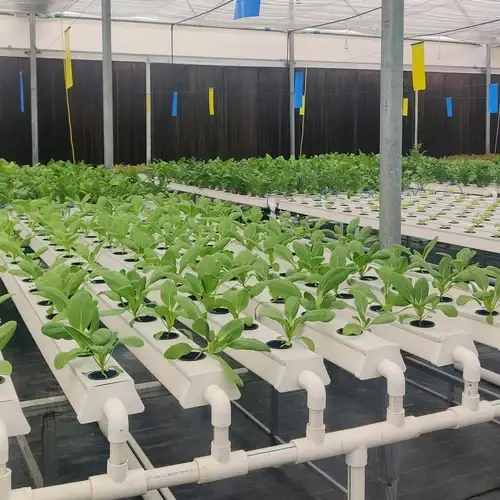
Every mainline, submain, and lateral group needs a practical flushing point. The discharge must go somewhere safe. A cap hidden behind a crop row is technically present but operationally useless.
Install pressure gauges or test ports where a manager can diagnose the system. Add sample points before and after treatment. Without measurements, staff often increase irrigation time when the real problem is pressure or clogging.
Mistake 4: Fertigation without interlocks
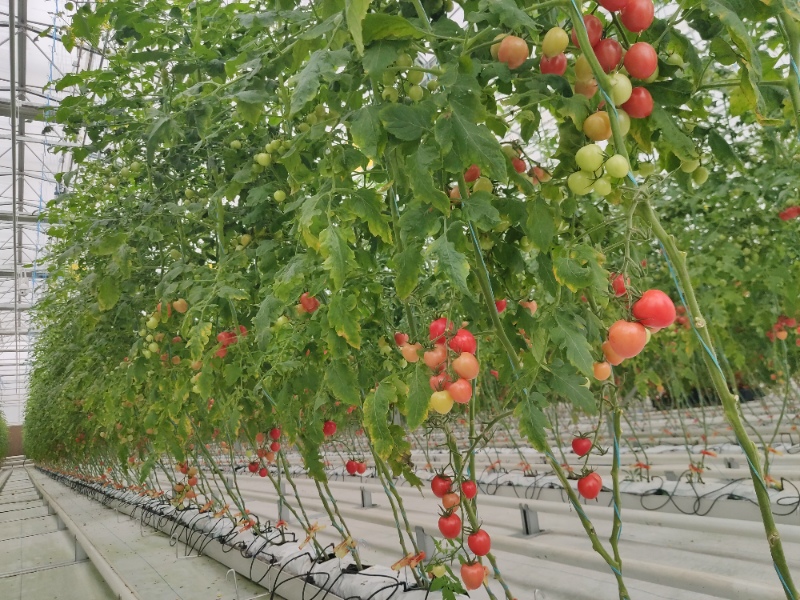
Chemical injection needs flow confirmation, low-level alarms, backflow protection, mixing logic, and a clean-water rinse. Concentrated stock solutions also need compatibility checks. Calcium and sulfate or phosphate products can precipitate when mixed incorrectly.
Write the response for pump trip, empty stock tank, high EC, low pH, valve failure, and loss of communication. The safest controller is one whose failure mode is understood by the operator.
Mistake 5: Ignoring drainage data
For substrate crops, measure drain volume, EC, and timing by representative zone. Uniform input does not guarantee uniform root-zone conditions. Solar radiation, plant size, substrate volume, and blocked emitters change the result.
The RFQ should include water analysis, greenhouse area, crop, growing method, emitter flow, row length, elevation, drain strategy, fertilizer recipes, control system, and expansion plan.
Commissioning list for the irrigation team
- Test the source water before selecting filters and emitters.
- Calculate pressure at the hydraulically worst emitter.
- Provide accessible flushing and sampling points.
- Add fertigation interlocks and a clean-water rinse.
- Measure drainage instead of assuming every plant received the same water.
Watch the greenhouse layout, then trace the water
Use this CFGET clip to think through pipe routes, valve access, row length, and places where flushing water can leave the house. The hydraulic calculation and commissioning records should confirm what the camera cannot.
Watch on YouTube: Smart Irrigation: The Technology That’s Making Farmers MILLIONAIRES
<!– CFGET-YOUTUBE-EMBED {“video_id”:”6nwvFEEQQt8″,”source”:”youtube-channel-catalog”,”type”:”video”,”share_url”:”https://youtu.be/6nwvFEEQQt8″} –>
<!– wp:embed {“url”:”https://www.youtube.com/watch?v=6nwvFEEQQt8″,”type”:”video”,”providerNameSlug”:”youtube”,”responsive”:true} –>
<figure class=”wp-block-embed is-type-video is-provider-youtube wp-block-embed-youtube”><div class=”wp-block-embed__wrapper”>https://www.youtube.com/watch?v=6nwvFEEQQt8</div></figure>
<!– /wp:embed –>
Related crop and project planning
Practical drip-system questions
What filter rating should a greenhouse use?
It depends on the emitter requirement and water contaminants. Use the emitter manufacturer’s limit together with a water analysis.
How often should drip lines be flushed?
Set the frequency from water quality, measured debris, pressure loss, and crop risk rather than using one calendar rule.
Why is pressure good at the pump but poor at the plants?
Losses through filters, valves, pipes, elevation, and long laterals can consume the available pressure.
What should be logged every day?
At minimum log zone run time, pressure, filter differential, applied volume, alarms, and representative drain data.
Field-planning note
Coraline Liao wrote this checklist around problems that can be found during greenhouse RFQ and commissioning reviews. The irrigation designer must verify source-water analysis, hydraulics, fertilizer compatibility, drainage, and crop demand.