For commercial tomatoes, film, polycarbonate, and glass should be compared through climate performance, gutter height, light, ventilation, trellis load, irrigation, drainage recovery, labor, and energy cost. The covering alone does not determine yield or return.
*By Coraline Liao, CEO, CFGET | Updated: July 30, 2026*
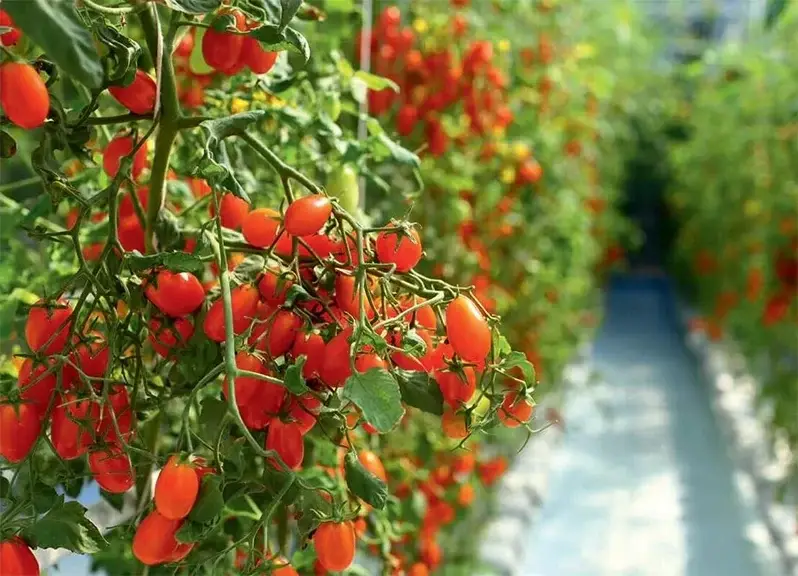
I do not choose a tomato house by asking which covering is best in general. I ask what season the grower wants to hit, how hot and humid the site becomes, how expensive heat is, and how much control the team can actually maintain. A sophisticated house operated poorly can lose to a simpler design that fits the farm.
Film houses: Flexible budget, more replacement planning
Film structures can provide strong commercial value for seasonal or warm-climate production. Large vents, insect net selection, shade, and enough gutter height matter more than a long equipment list. Double inflated film can reduce heat loss where heating is used.
Include film replacement, inflation blowers, storm repair, and production interruption in the life-cycle cost. The lowest capital price should not assume that future recovering work is free.
Polycarbonate houses: Rigid covering with joint details
Polycarbonate is useful where impact resistance, insulation, and a rigid envelope matter. For tomatoes, watch dirt at joints, condensation drainage, light loss over time, and the number of opaque profiles. Ask how individual sheets are replaced around crop-support equipment.
A polycarbonate roof does not fix weak ventilation. In a hot climate, the vent area, insect-net resistance, roof geometry, and shade strategy still control whether heat can leave the crop.
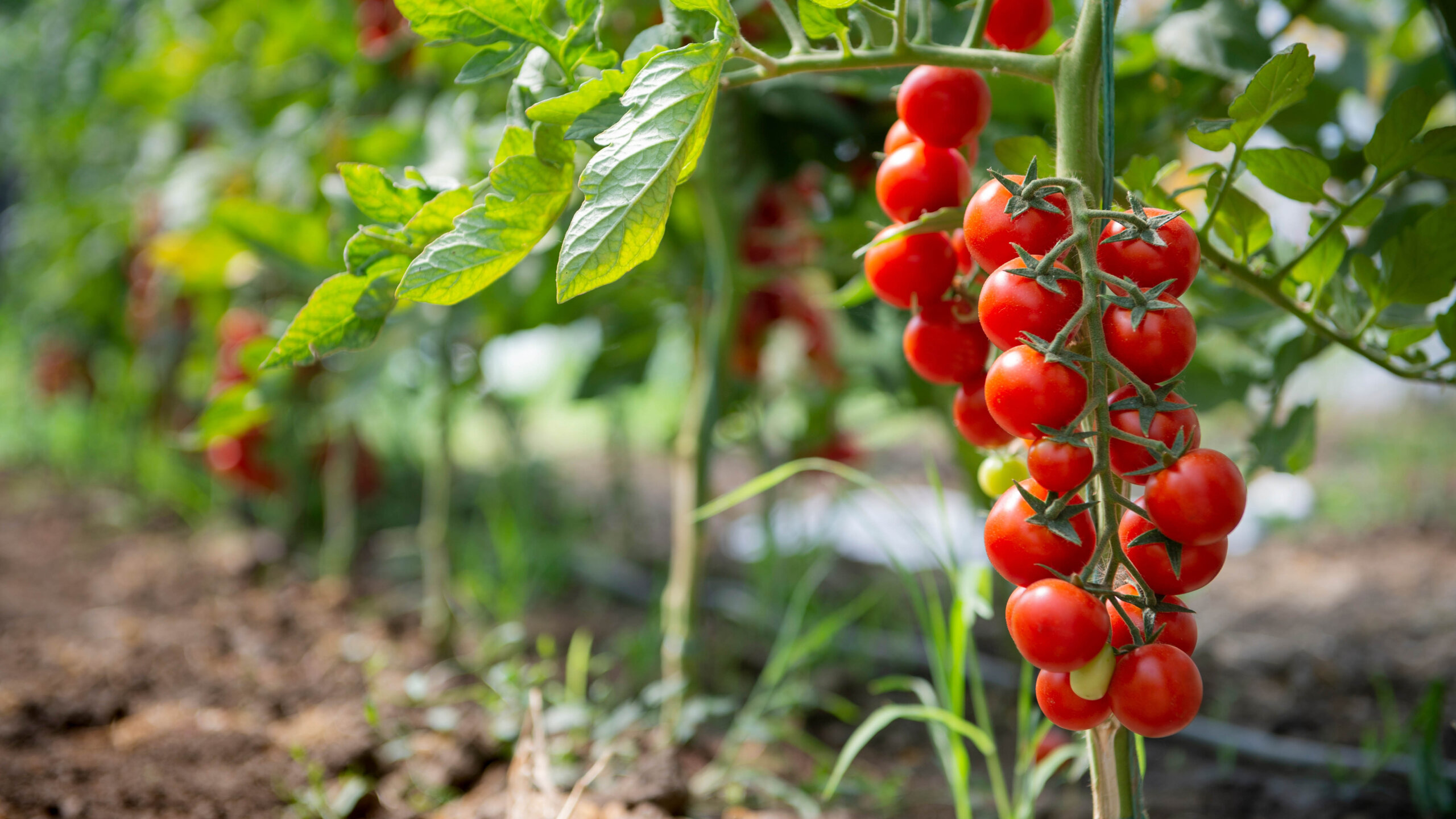
Glass houses: High control with higher management demands
Glass fits long-life, high-light projects where the structure, climate equipment, water treatment, controls, and technical team are funded as one system. It can support tall crops and advanced screening, but the capital and commissioning burden is higher.
The business case should use local energy, labor, market grade, packing losses, and realistic production ramp-up. Do not import a yield assumption from another country without matching radiation, temperature, variety, and operating skill.
| Decision | Film | Polycarbonate | Glass |
| Initial cost | Usually lowest | Middle | Usually highest |
| Cover renewal | Planned periodic work | Panel replacement | Individual pane repair |
| Insulation options | Single or inflated double layer | Multiwall sheets | Screens and insulated systems |
| Best fit | Cost-sensitive or seasonal projects | Rigid insulated envelope | High-control long-term production |
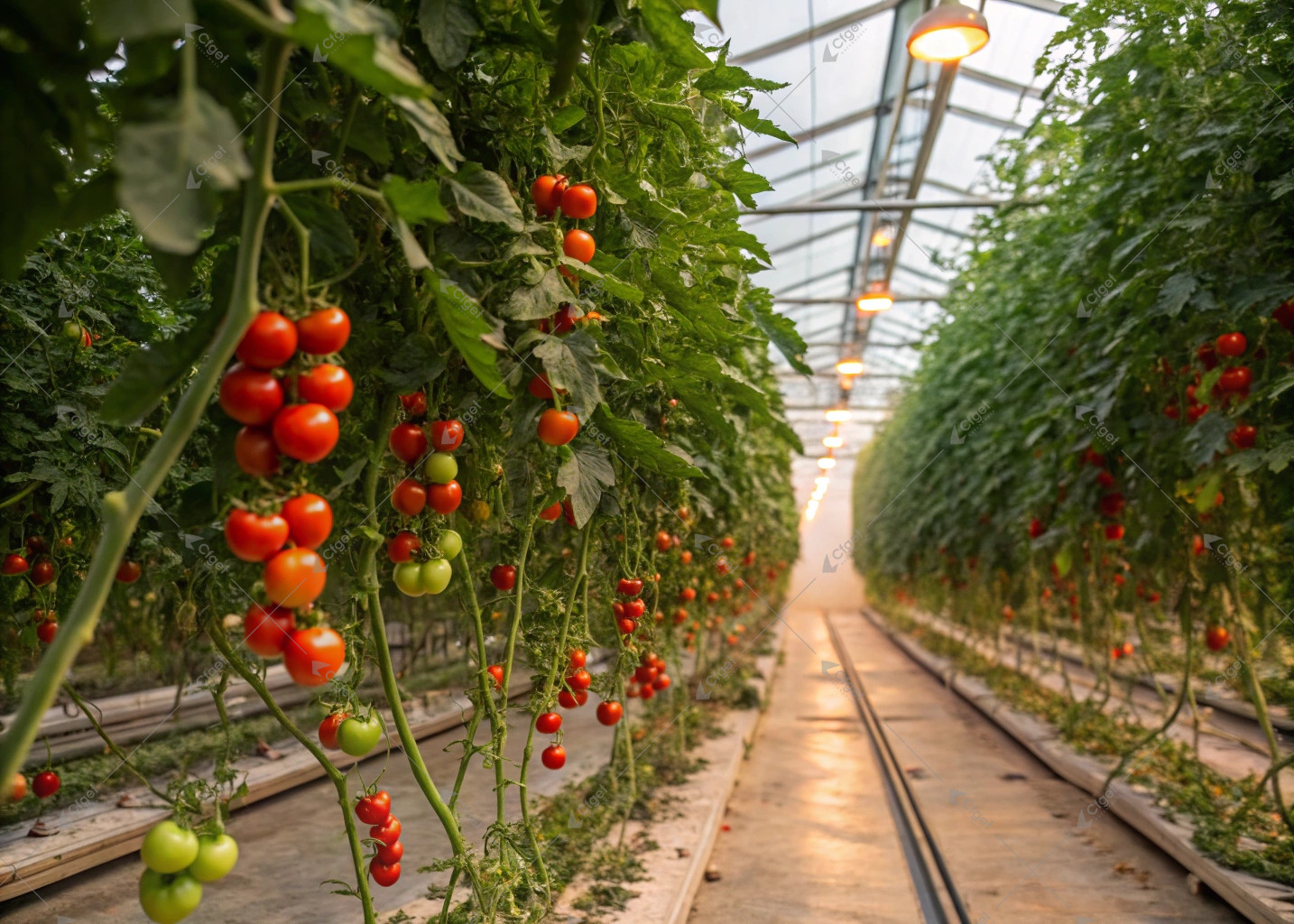
The tomato details that all three houses must solve
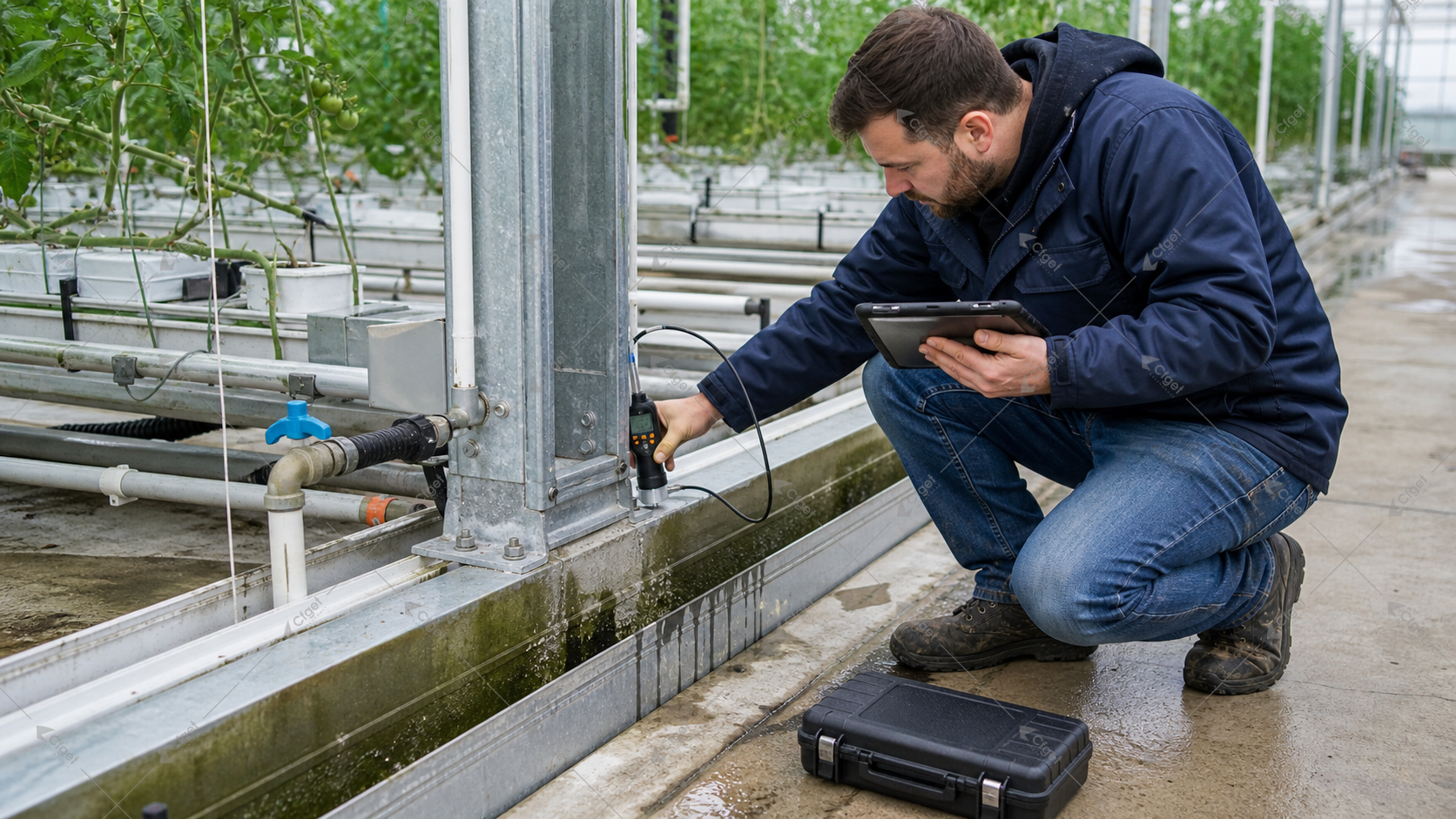
Confirm gutter height, truss clearance, crop-wire load, row spacing, work-cart routes, pollination access, irrigation pulses, drain collection, sanitation, and harvest flow. Tall tomatoes need vertical room for lowering and leaning. That requirement should appear on the section drawing.
Climate design should examine leaf temperature, humidity, condensation risk, and air movement around the canopy. VPD can guide operation, but it is not a single equipment setpoint. Sensors need representative placement and maintenance.
How I would compare the three quotations
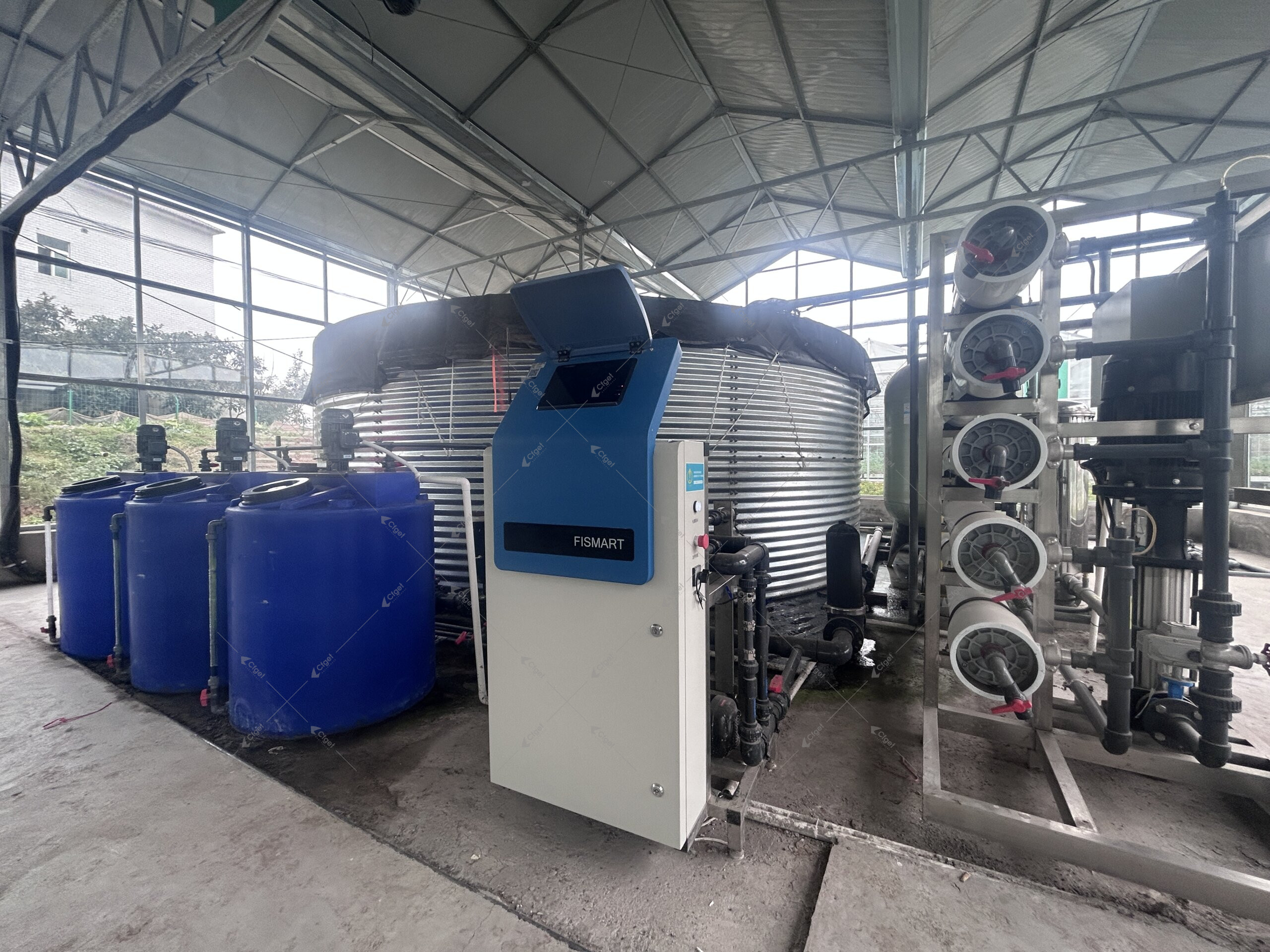
Use the same crop plan and climate file for every option. Price the structure, covering, vents, screens, cooling or heating, irrigation, drain recovery, controls, electrical work, installation, spares, and annual covering maintenance separately.
I would also run a downside case: lower market price, slower yield ramp, higher energy cost, and extra labor. The option that survives that case is often more useful than the one with the most optimistic headline return.
Decision notes before choosing the covering
- Use one tomato crop plan for all structural options.
- Show crop-wire loads and working height on the drawing.
- Compare vent capacity after insect net is installed.
- Include drainage measurement and recovery scope.
- Test the business case with conservative price, yield, energy, and labor assumptions.
Look at the crop space, not only the exterior
The CFGET project clip is most useful when you pause on crop-wire height, bay clearance, vent position, working aisles, and service access. Match those observations to the tomato production plan and the bidder’s section drawing.
Watch on YouTube: Vegetable tunnel greenhouse display
<!– CFGET-YOUTUBE-EMBED {“video_id”:”wsUjmbiOOjE”,”source”:”youtube-channel-catalog”,”type”:”video”,”share_url”:”https://youtu.be/wsUjmbiOOjE”} –>
<!– wp:embed {“url”:”https://www.youtube.com/watch?v=wsUjmbiOOjE”,”type”:”video”,”providerNameSlug”:”youtube”,”responsive”:true} –>
<figure class=”wp-block-embed is-type-video is-provider-youtube wp-block-embed-youtube”><div class=”wp-block-embed__wrapper”>https://www.youtube.com/watch?v=wsUjmbiOOjE</div></figure>
<!– /wp:embed –>
Continue the tomato project study
Tomato house comparison questions
Which covering gives tomatoes the highest yield?
No covering guarantees the highest yield. Climate, light, variety, root zone, crop work, and operator skill act together.
Is glass always better for year-round tomatoes?
No. It can support high-control production, but the climate, market, energy, capital, and technical team must justify it.
How high should a tomato greenhouse be?
The answer depends on crop system, lowering-and-leaning method, climate volume, equipment clearance, and structural design. Put the required crop-wire height in the RFQ.
What comparison number is most useful?
Compare annualized ownership and operating cost under the same production assumptions, the purchase price alone per square meter.
Scope of this comparison
Coraline Liao prepared this comparison from CFGET commercial greenhouse planning work. It is a procurement framework, not a yield promise; local climate, cultivar, grower skill, energy, market, and engineering still control the final choice.