A bid-leveling scorecard for comparing greenhouse suppliers on technical compliance, scope gaps, evidence and evaluated cost.
CFGET original buyer tool
Greenhouse Supplier Quote Comparison Scorecard
Free editable Excel workbook with 6 working sheets. No email is required. Save a controlled project copy before the team begins entering evidence.
The cheapest greenhouse quote often becomes expensive one line at a time. Foundations are “by owner.” Electrical cable is missing. Freight uses a different Incoterm. Commissioning covers startup but no performance test. None of those gaps is unusual. The mistake is comparing prices before leveling them.
Lock the comparison basis
Record the bid revision, currency, tax basis, Incoterm, validity, schedule and quoted total for each supplier. Convert currency using one stated date and rate. Keep the original figure visible. A converted number without its source is hard to audit later.
Next, confirm that each proposal responds to the same RFQ. If a bidder priced an earlier revision, flag it. Do not score a polished proposal against a requirement it never received.
Score evidence, not confidence
The Compliance sheet provides four response columns for each of 35 technical criteria. A strong response identifies the proposed product or design, confirms the project target and points to evidence. “Standard design” or “as required” is not enough for a high-risk item.
Use the score as a discussion aid, not an automatic award. A weighted total can hide one unacceptable structural or interface risk. Keep critical deviations visible even when the overall score looks good.
Turn missing scope into evaluated cost
| Quoted line | Question to level | Adjustment example |
|---|---|---|
| Structure supply | Are anchors, fasteners, coatings and storm positions included? | Add missing material and local engineering cost |
| Installation | Who provides labor, supervision, lifting, tools and accommodation? | Add local contractor and mobilization allowance |
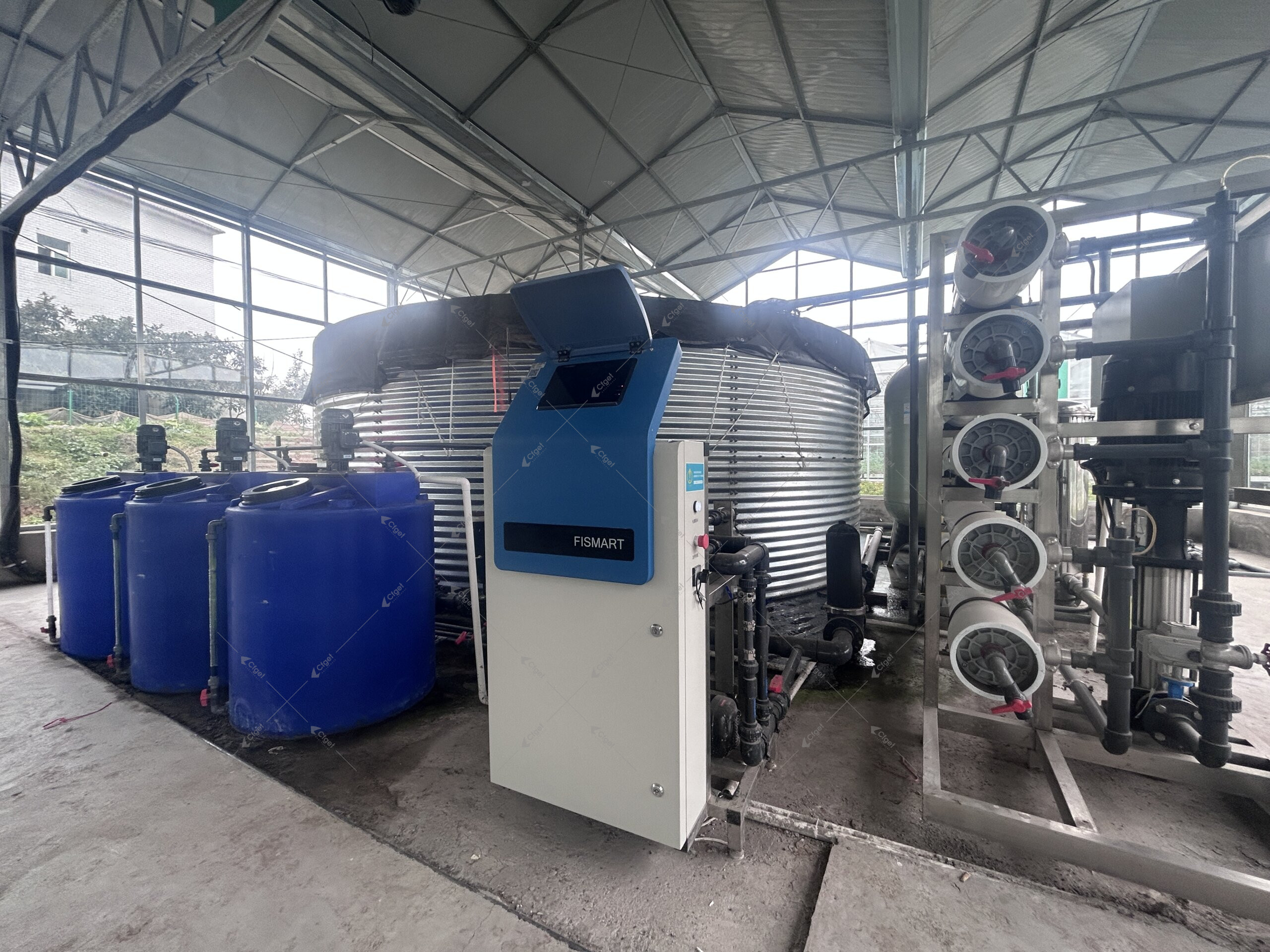
| Climate system | Are sensors, panels, cable, programming and commissioning included? | Add integration and field wiring scope |
| Delivery | Do freight, insurance, customs and inland transport use the same boundary? | Normalize to one delivered basis |
| Handover | Are training, manuals, backups, spares and retests included? | Add closeout and operating-readiness cost |
The Scope Gaps sheet records each adjustment and whether it is confirmed or only an allowance. The result is an evaluated cost, not a claim that the missing work will cost exactly that amount.
Use clarifications to reduce uncertainty
Write one question per row. Reference the RFQ clause, identify the supplier, set a due date and record the final response. Avoid questions such as “Please confirm everything is included.” Ask for the exact steel schedule, net vent opening, field cable quantity, control sequence or warranty response.
Close a clarification only when the answer is incorporated into the proposal or contract basis. A meeting note may help the team remember a discussion, but it should not carry the full commercial burden.
What the six sheets do
Bid Summary normalizes the headline commercial data. Compliance compares technical responses. Scope Gaps builds the evaluated cost. Clarifications controls open questions. Start Here shows the current comparison status, while Sources records the evidence boundary.
A sensible award memo should name the preferred supplier, the remaining exceptions and the reason those exceptions are acceptable. Do not let the score make that judgment anonymously.
Keep the completed workbook with the project’s controlled documents. You can also review the CFGET download library, greenhouse climate control options, irrigation and fertilization systems, and the commissioning and handover guide.
A CFGET project view to use with the workbook
Greenhouse Factory Packaging gives the project team a visual reference. Watch for interfaces, access, equipment position and work sequence, then record project-specific findings in the workbook rather than treating the clip as a design specification.
Who prepared this workbook?
Frequently asked questions
Is the highest technical score always the best supplier?
No. The buyer must also consider critical deviations, evaluated cost, schedule, service, evidence quality and the supplier’s ability to close project-specific risks.
How many suppliers can the workbook compare?
The current scorecard compares four suppliers side by side. You can copy the structure for more bids, but a shortlist of responsive proposals is usually easier to review carefully.
What is evaluated cost?
It is the quoted total adjusted to a common commercial boundary, including identified scope gaps and allowances. It helps comparison but does not replace final negotiated pricing.