Greenhouse irrigation system supplier should be evaluated by drawings, material specifications, climate fit, installation support, after sales process, and quote transparency before price is compared.
*By Coraline Liao, CEO, CFGET | Updated: August 1, 2026*
*Reviewed by CFGET Project Planning Team*
When I review greenhouse irrigation system supplier, I start with the site and the crop before looking at product names. The site, crop, structure, covering, systems, installation scope, and operator skill all change the recommendation.
Use this with our Commercial Greenhouse Buying Guide topic cluster. For a full project, keep it beside Commercial Greenhouse Solutions so the structure, systems, and crop plan do not drift apart.
Where should the decision start?
- Greenhouse irrigation system supplier should be treated as a project decision, not a product name.
- The buyer should define climate, crop, area, systems, budget, timeline, local labor, and maintenance ability before comparing suppliers.
- A useful answer should explain what fits, what does not fit, and which assumptions still need local engineering review.
- The best next step is a compact RFQ with enough project detail for a supplier to respond responsibly.
Key facts worth checking
| Question | Answer to make visible |
| What changes the recommendation? | Greenhouse irrigation system supplier depends on climate, crop, site services, budget, installation, and maintenance ability. |
| What should the buyer send? | Location, crop, area, target season, climate issue, required systems, timeline, and installation scope. |
| What should the supplier prove? | The system layout, equipment scope, assumptions, limitations, spare parts, and support process. |
My project review method
On a real project, I first ask what the greenhouse has to survive and what the crop has to earn. That keeps the decision away from catalog language.
Then I test the recommendation against the same project checklist: climate, crop, structure, systems, budget, installation, and maintenance.
Before ordering, a buyer should still confirm local wind load, snow load, permit rules, energy price, water quality, and crop economics. This can narrow the decision, but the final design still needs project engineering.
What I would inspect in the drawings
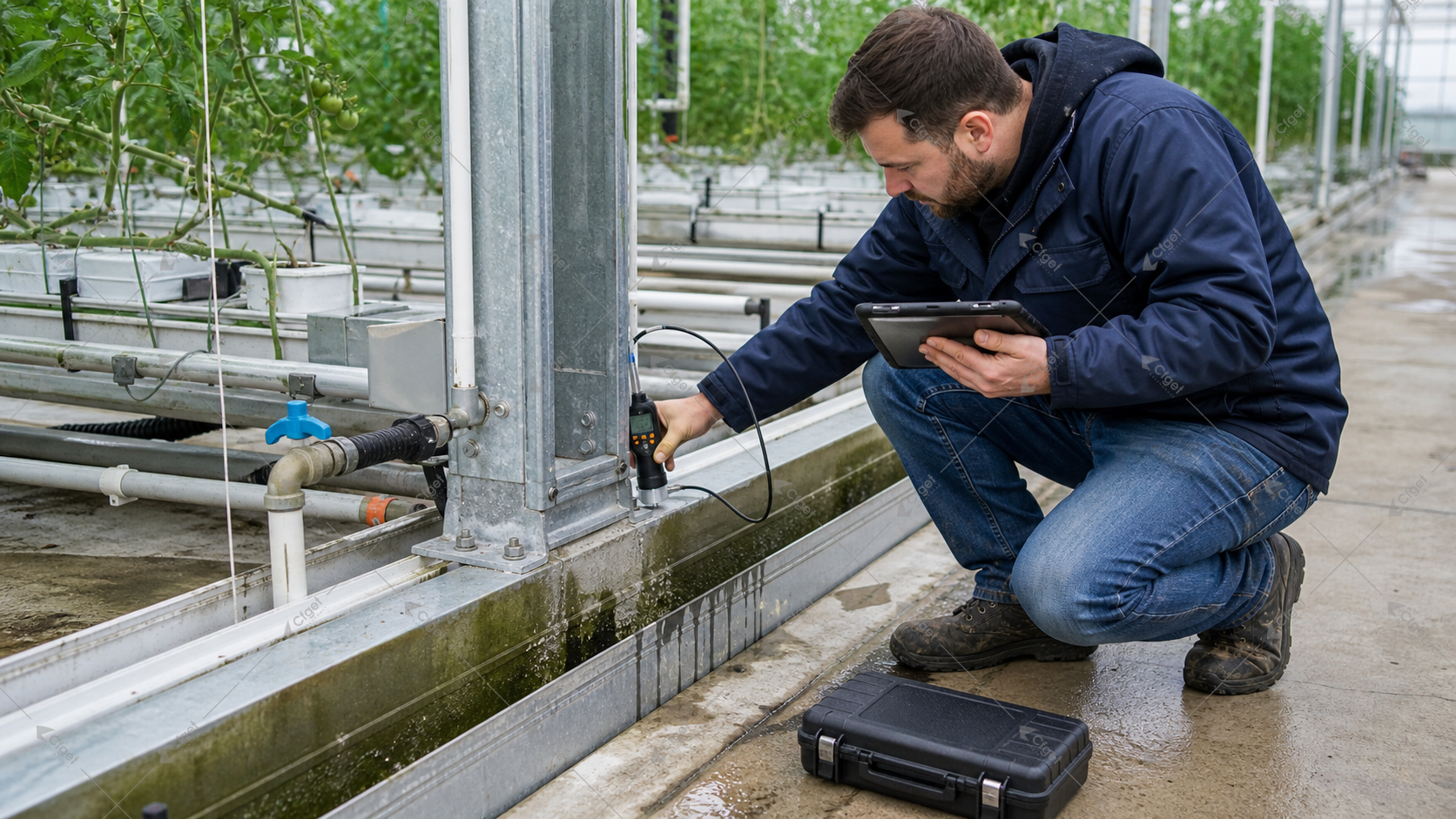
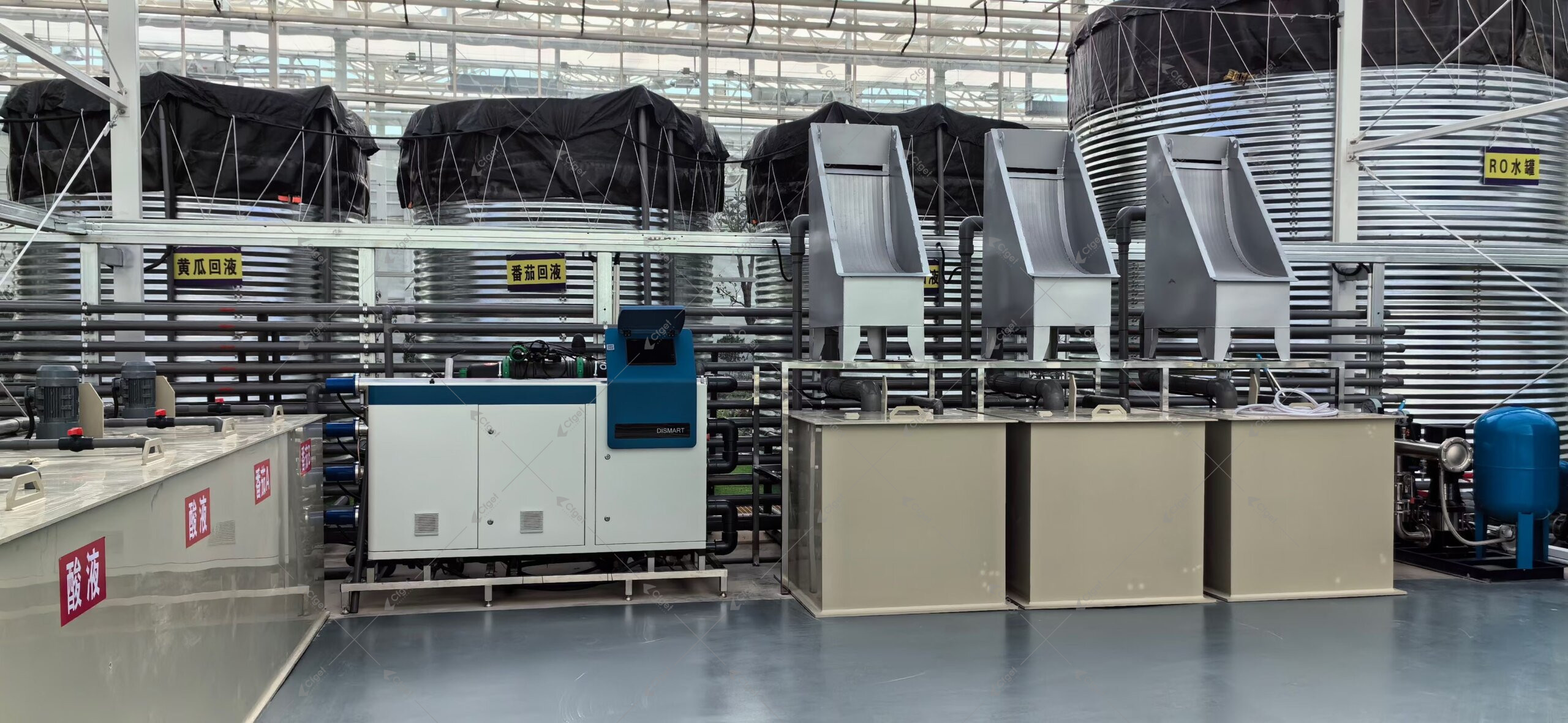
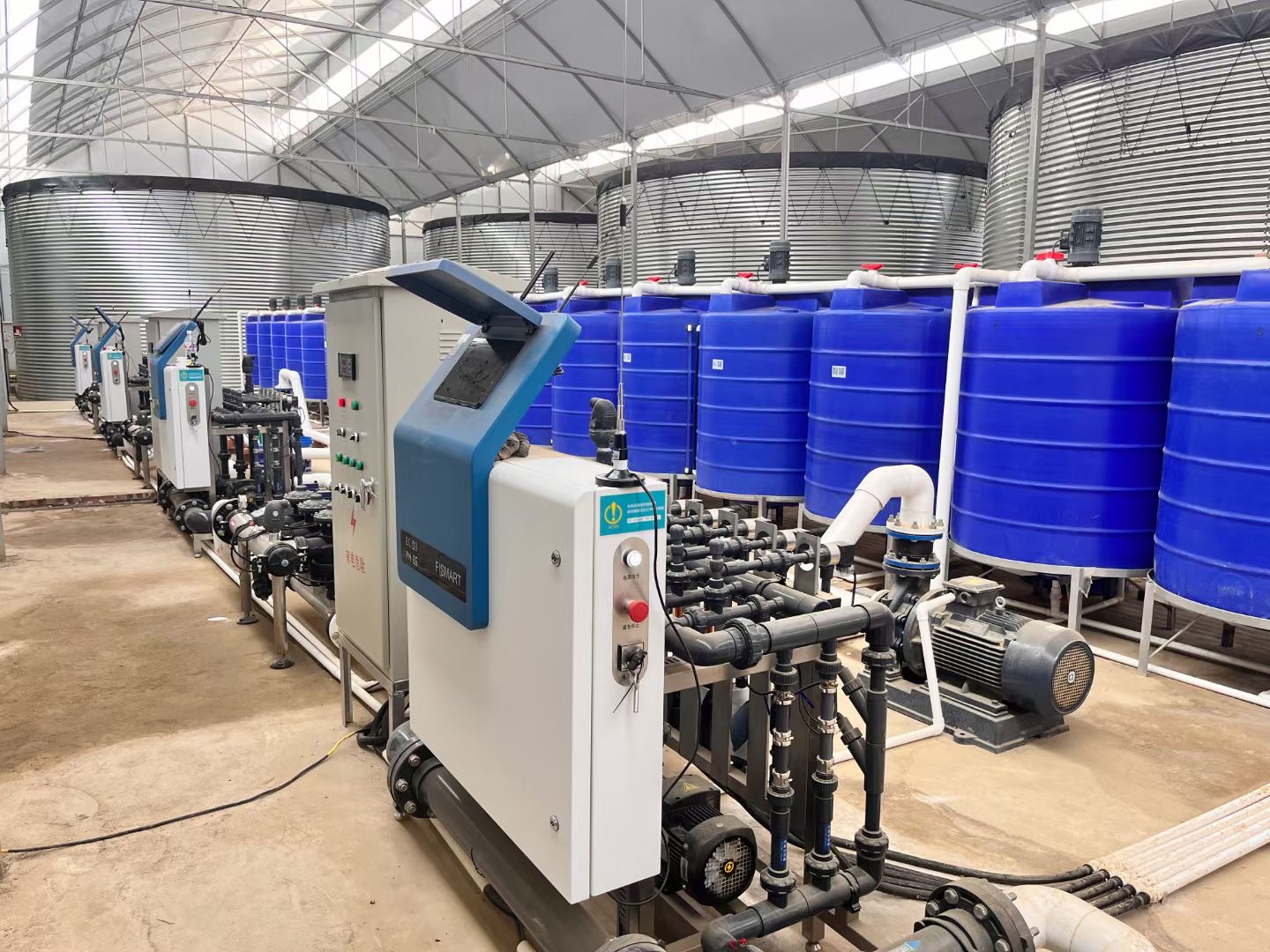
- For irrigation and fertigation, I check water EC, filtration grade, pump head, dosing accuracy, zone uniformity, and drainage path before choosing equipment.
- A cheaper drip layout can cost more later if it creates uneven pressure, hard-to-clean filters, or poor access for maintenance.
- I would ask for a system diagram and spare parts list before comparing controller brands.
What the buyer needs to fix in writing
| Buyer question | What to decide before requesting a price | Why it protects the project |
| Project job | What greenhouse irrigation system supplier must do for the crop, climate, and season. | Keeps the quote tied to the job the greenhouse has to do. |
| Risk boundary | Wind, snow, heat, water, energy, installation labor, and local rules. | Shows which assumptions need engineering review. |
| Supplier answer | Drawings, material specs, system scope, packing details, and responsibility boundary. | Turns a vague price request into a quote that can be checked. |
Evidence pack
Greenhouse irrigation system supplier needs project evidence before product names or a single price mean much.
| Project input | What to verify | Why it matters |
| Climate data | Monthly temperature, wind, snow, humidity, radiation, and extreme events. | The greenhouse has to fit the site, not just the catalog. |
| Crop plan | Crop, growing method, row spacing, target season, and labor skill. | Crop requirements change height, ventilation, irrigation, and control needs. |
| Supplier scope | Drawings, bill of materials, packing list, installation support, and after sales process. | Clear scope reduces hidden cost and wrong expectations. |
Climate and project assumptions to confirm
- Use local wind and snow load assumptions before confirming structure.
- Check the hottest and coldest operating months, the annual average alone.
- Confirm water quality and power availability before selecting irrigation or climate equipment.
Suitable when
- The crop, climate, structure, systems, and budget are defined together.
- The supplier can provide drawings, specifications, and a clear responsibility boundary.
- The buyer has a realistic plan for installation, operation, and maintenance.
Not suitable when
- The design is copied from another country without local climate review.
- The quote lists only product names and total price.
- Yield, payback, or lifespan is promised without assumptions.
What this guide adds to the basic answer
- Connect the water analysis to filtration, pump duty, emitter uniformity, flushing, and drainage measurements.
- Give the buyer commissioning readings that can be checked again after planting.
Sources worth checking
Neutral source to keep beside the quote
CFGET project planning note
If a quotation does not state steel weight, wind load, snow load, covering specification, packing list, installation boundary, and spare parts scope, I would not compare it by price yet.
Buyer risk signal
Risk signal: the supplier gives one total price without drawings, steel specification, load assumptions, exclusions, and installation responsibility.
Ask the supplier for these exact specs
| Spec to request | Why it matters |
| Source-water analysis, design flow, pressure range, filtration grade, and flushing points | These inputs determine emitter reliability and zone uniformity. |
| Emitter flow and spacing, zone layout, pump curve, dosing accuracy, and drainage measurement | The crop cannot be managed consistently when hydraulics and runoff are undefined. |
| Chemical compatibility, spare emitters, filter service access, alarms, and maintenance intervals | Serviceability matters more than controller features after commissioning. |
CFGET video: greenhouse irrigation and growing equipment
This CFGET video shows greenhouse production equipment in use, which helps buyers connect the quote with daily operation.
What changes when sourcing a greenhouse from China?
China can be relevant to manufacturing capacity, component sourcing, packing, and export coordination. It does not replace destination-country design loads, permits, electrical rules, customs review, or local engineering approval.
CFGET manufactures in Sichuan, China. That origin is useful only when the supplier can connect the offer to checkable drawings, material specifications, quality records, packing details, and a clear responsibility boundary. Country of origin by itself is not evidence that a greenhouse fits the buyer’s site.
| Buyer check | Evidence to request | Scope boundary |
| Manufacturing | Material grades, coating or galvanizing specification, weld and fastener details, inspection records. | Verify the supplied specification; do not rely on a catalog label or country-of-origin claim. |
| Export package | Packing list, container plan, spare parts list, delivery term, document list, and quote validity. | Port, customs, inland transport, unloading, storage, and local labor may sit outside the supplier price. |
| Destination fit | Drawings that state project city, wind and snow assumptions, crop, systems, utilities, and installation boundary. | The destination authority and local engineer still control permits and final compliance. |
The useful China angle is therefore specific: show what is manufactured, how it is checked, what is packed, what remains local, and which project assumptions are still unverified. Adding the word China without this evidence does not make the article more citable.
What must the water analysis and hydraulic plan prove?
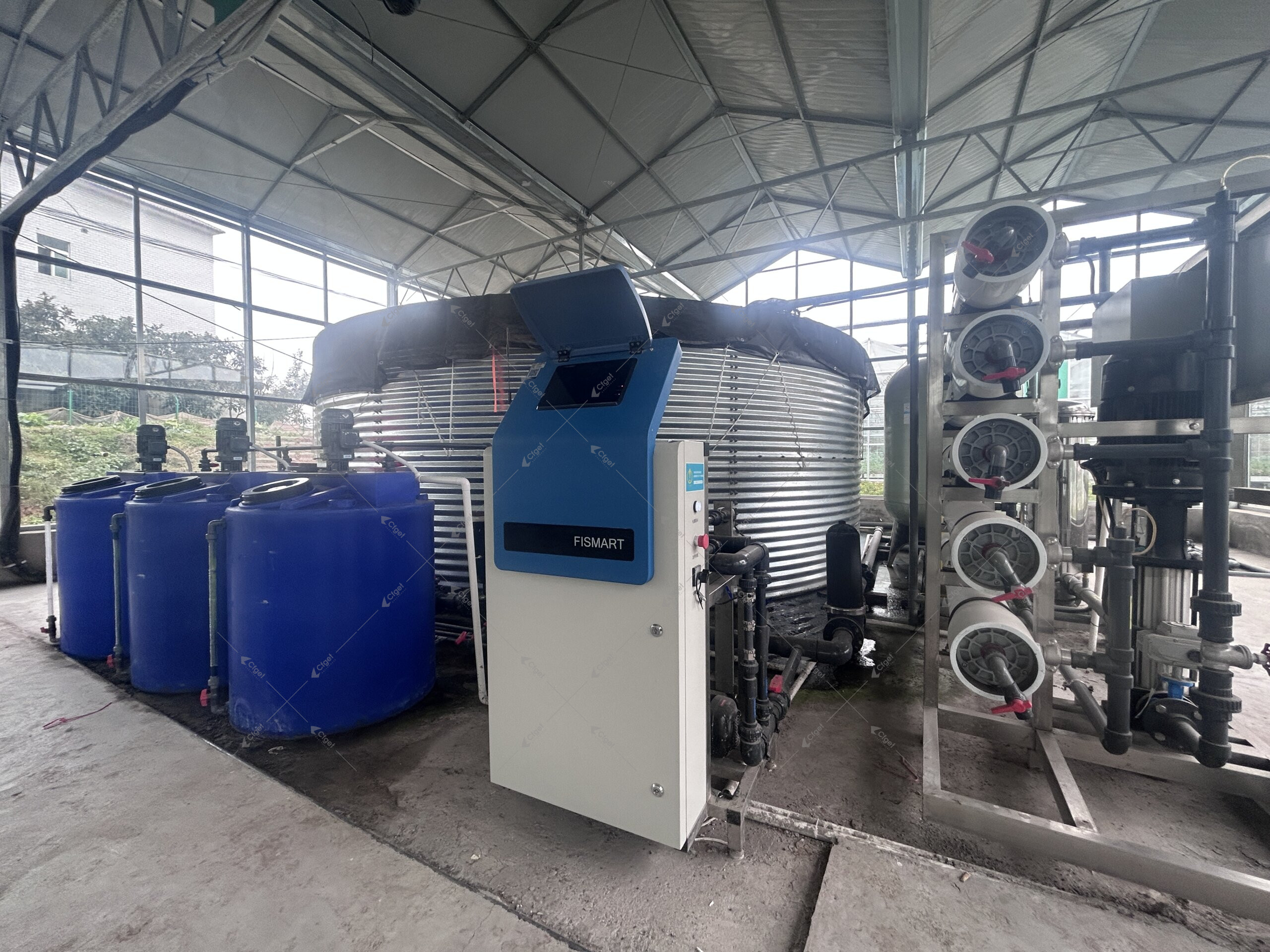
For greenhouse irrigation system supplier, I would start with a laboratory water analysis and the hydraulically worst route, not the controller brand. Source flow, EC, alkalinity, suspended solids, iron, emitter flow, row length, elevation, and backwash demand belong in the calculation.
Ask for pressure at the first and last emitter while the largest planned zone is running. That one check often exposes undersized mains, optimistic pump assumptions, and filters that cannot backwash without starving the crop.
| Design check | Value to calculate | Evidence to request |
| Water and filtration | Source flow, EC, alkalinity, solids, iron, filter duty. | Water analysis and filter backwash calculation. |
| Hydraulics | Worst-route loss, zone flow, emitter pressure and variation. | Pipe schedule and hydraulic calculation. |
| Dosing and drainage | Injector range, interlocks, rinse, drain volume and EC. | Control sequence and commissioning sheet. |
How I would evaluate it
I would trace one drop of water from the source through treatment, injection, the worst emitter, the root zone, and the drain. Every pressure, flow, dose, sample point, and alarm on that route should appear in the design.
Where do dosing, drainage, and control failures begin?
Dosing equipment needs a failure plan. Low flow, an empty stock tank, high EC, a stuck valve, loss of communication, and an interrupted clean-water rinse should each produce a known response instead of an improvised one.
Drainage is part of the system, especially for substrate crops. Measure representative drain volume and EC by zone; uniform irrigation time does not prove that the root zone is uniform.
| Check | Good sign | Risk sign |
| Hydraulics | Pressure and flow are calculated at the worst emitter. | Only pump power and total area are listed. |
| Water treatment | Filter duty follows a water analysis and backwash flow. | Filter mesh is selected without source-water data. |
| Commissioning | Uniformity, dosing and alarm tests are recorded. | The system is handed over after a visual leak check. |
What to request from a supplier
Ask for the water analysis basis, hydraulic calculation, pipe and valve schedule, filter and pump duty, injector range, control sequence, drainage plan, commissioning forms, and wet-system spare parts.
How should the system be commissioned before planting?
Commissioning should record pump duty, filter differential pressure, zone pressure, emitter catch-can variation, injector calibration, alarm tests, and flushing flow. I would keep those readings as the baseline for later troubleshooting.
The supplier handover should include the hydraulic calculation, valve schedule, wiring diagram, setpoints, chemical compatibility notes, spare emitters and seals, plus a drawing that shows every flushing and sampling point.
| RFQ field | Example | Why it matters |
| Water source | Well water with laboratory report | Sets treatment and clogging risk. |
| Crop and root zone | Tomato in 20 L substrate bags | Defines emitter, pulse and drainage needs. |
| Hydraulic layout | 12 zones, 80 m maximum lateral | Sets pipe, pump and pressure duty. |
| Acceptance | Pressure, uniformity, dosing and alarms | Makes handover measurable. |
Practical next step
For a first CFGET review of this water and rootzone decision, send country and city, crop, area, target season, covering preference, cooling or heating need, irrigation method, and installation scope. Include the climate challenge, crop method, required systems, and installation scope. Photos, water data, climate files, drawings, or a site sketch also help. Email [email protected].
Final buying note
Greenhouse irrigation system supplier works best when the buyer writes down the assumptions before looking at product names. A good decision combines engineering trade-offs with supplier proof and a realistic operating plan.
Before you use this recommendation
- Treat this as a planning guide, not a final engineering design.
- Check the local climate data, crop plan, water quality, energy cost, and building rules before ordering.
- Ask the supplier to show drawings, material specifications, equipment scope, packing details, and installation responsibilities.
- Avoid any quotation that promises yield, payback, or structural performance without stating the assumptions.
Research and review method
I prepare these notes the same way I review an early buyer request: start with the search question, translate it into a greenhouse project planning checklist, check available project media, and keep neutral technical sources beside the quote when reliable public references are available. The point is to make assumptions, limits, and RFQ requirements visible before a buyer compares suppliers.
Coraline is a greenhouse horticulture practitioner focused on practical greenhouse planning, climate adaptation, crop matching, and long-term agricultural project decisions. Coraline writes from practical greenhouse horticulture experience. The focus is project planning, climate fit, crop requirements, investment logic, and long-term operation. Technical recommendations should be adapted to local climate data, crop plans, budgets, and professional engineering review before implementation.
Company details
CFGET: CFGET designs, manufactures, and delivers greenhouse systems and smart farming solutions from its own factory in Sichuan, China.
Address: NO 108, South Area Chengdu Modern Industrial Park, Sichuan, China
Email: [email protected]
About CFGET: https://cfgreenway.com/about/
Where this fits in the greenhouse buying cluster
Start with the hub, then open the system or crop pages that match your decision.
- Commercial Greenhouse Buying Guide
- Commercial Greenhouse Solutions
- Greenhouse Irrigation and Fertilization
- Greenhouse Hydroponics
- Greenhouse Growing Systems
- Choose Greenhouse Supplier
- Contact CFGET
- CFGET Downloads
- CFGET Project Cases